
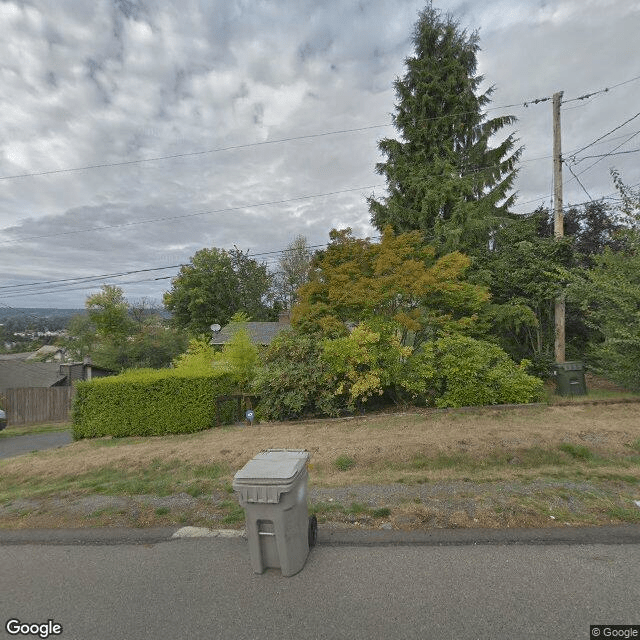
717 Alvord Ave. N, Kent, WA 98031
To contact a resident: (253) 347-4715
For more information about senior living options: (866) 208-4318
Angelic AFH Costs & Pricing
Angelic AFH offers competitive pricing for its private rooms at $3,000 per month, significantly lower than the average costs in King County, which stand at $5,034, and across the state of Washington at approximately $4,772. This pricing positions Angelic AFH as an appealing option for those seeking quality care without the financial burden typically associated with similar facilities in the region. By providing an affordable alternative while maintaining a focus on exceptional support and services, Angelic AFH demonstrates its commitment to accessibility and community well-being.
| Floor plans | Angelic AFH | King County | Washington |
|---|---|---|---|
| Private | $3,000 | $5,034 | $4,774 |
Senior living communities with a similar price nearby
-
from +$375 / mo
Evergreen Manor Senior Care Inc
$3,375 to $7,500 / month21.4 miles away -
About the same
Hummingbird Homecare
$3,000 / month8.7 miles away -
About the same
Home Care in Kent Inc.
$3,000 to $3,500 / month0.5 miles away -
from +$500 / mo

Twin Lakes Haven Adult Family Home
$3,500 to $8,000 / month8.3 miles away -
from -$500 / mo
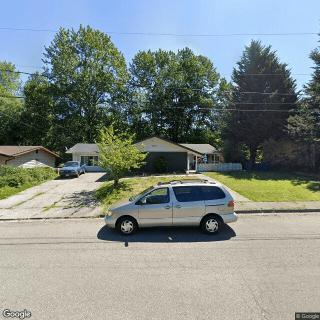
Freedom Care
$2,500 to $3,000 / month4.2 miles away
Overall Review of Angelic AFH
Pros
 The home is cozy, clean, and truly feels like home.
- Jenny Caldona is very caring to all patients and works patiently with care.
- Angelic Care is a wonderful place for a loved one to call home.
- The staff are experienced and friendly, delivering quality care.
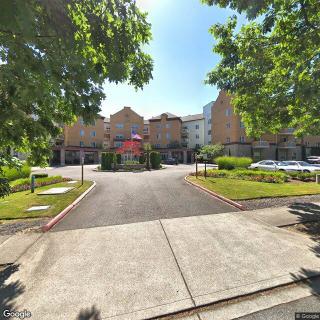
- The environment is home-like and surrounded by a beautiful garden.
- The facility is clean, comfy, and staffed by caring, friendly people.
- The services meet expectations and are highly recommended.
Review
Angelic AFH in Kent, WA is best suited for seniors who prize a warm, home-like atmosphere and highly personalized, attentive care delivered in a small, caregiver-led setting. The environment feels truly residential, with Jenny Caldona as the owner-provider offering a warm, patient approach. For families seeking daily life that mirrors living with family, clean, comfortable, and intimately connected to a garden setting, this community stands out as a strong match.
Alternatives are worth considering for residents with more intensive medical needs or demand for broader on-site services. Those requiring robust memory-care programming, frequent skilled nursing, rehabilitative services, or expansive social programming may find a larger assisted-living community or a specialized facility better aligned with expectations. If 24/7 medical monitoring and a wide array of clinical resources are priorities, exploring other options can prevent gaps in care.
The strongest positives cited by reviewers center on the home-like, welcoming setting. The home is described as cozy and clean, with a garden that adds a serene, livable ambience. The staff come across as caring and friendly, underscored by an owner who is consistently patient and attentive. Meals, while not fully experienced firsthand by every reviewer, are portrayed as thoughtfully prepared and appealing, reinforcing a sense that daily life is both comfortable and satisfying. Taken together, these factors create a daily rhythm that emphasizes belonging, dignity, and personal warmth.
These strengths help offset potential trade-offs inherent in small AFH models. A more intimate, less institutional environment often translates into quicker response times, stronger personal connections, and a predictable routine, benefits that can outweigh the perceived limitations of smaller program breadth. Residents benefit from continuity of care with familiar faces, a sense of security from consistent staffing, and an atmosphere where decisions feel collaborative and humane rather than bureaucratic. In short, the practical benefits of intimate attention and home-like structure can deliver a meaningful quality of life that larger facilities sometimes struggle to reproduce.
For families weighing options, concrete questions should focus on daily life and compatibility with loved one’s preferences. How does the setting support ongoing social engagement and mobility within a home environment? What is the staffing pattern, and how are shifts covered to ensure consistent, attentive care? Do meals reflect resident preferences and accommodate dietary needs? How does the owner-operator’s hands-on approach shape day-to-day decision-making and responsiveness to changing needs? Angelic AFH’s responses to these questions tend to highlight hospitality, responsiveness, and a deep emphasis on a domestic, comforting living experience.
Ultimately, this community is a targeted choice for those prioritizing warmth, personal attention, and a living space that feels like home. When the priority is comfort, a garden-centric backdrop, and a caregiver-led model that treats residents as family, Angelic AFH delivers with noticeable strength. Families should walk in with clear expectations about the level of medical oversight and programming they require, and they should invest time in assessing whether the intimate, homelike culture can sustain evolving care needs over time. If those conditions align, Angelic AFH stands out as a practical, effective option that many families will value highly.
 Board and Care Home
 Activities off-site
 Bath tubs
 Indoor common areas
 Outdoor common areas
 Private
 Private bathrooms
 Respite or short term stays offered
 Wheelchair accessible showers
 Seattle-Tacoma International (6 miles away)
 Ambulatory care
 Diabetic care
 High acuity care
 Incontinence care
 Medication management
 Kosher
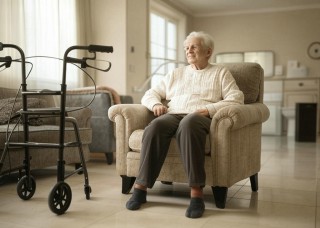 8 Essential Assistive Devices for Older Adults
 Navigating the Financial Road to Nursing Home Care: In-Depth Guidance and Resources
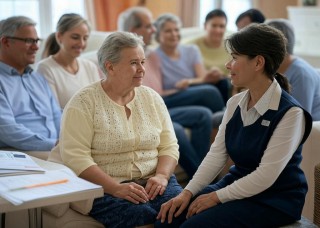 Supportive Employee Benefits That Help Caregivers Attain Better Work-Life Harmony