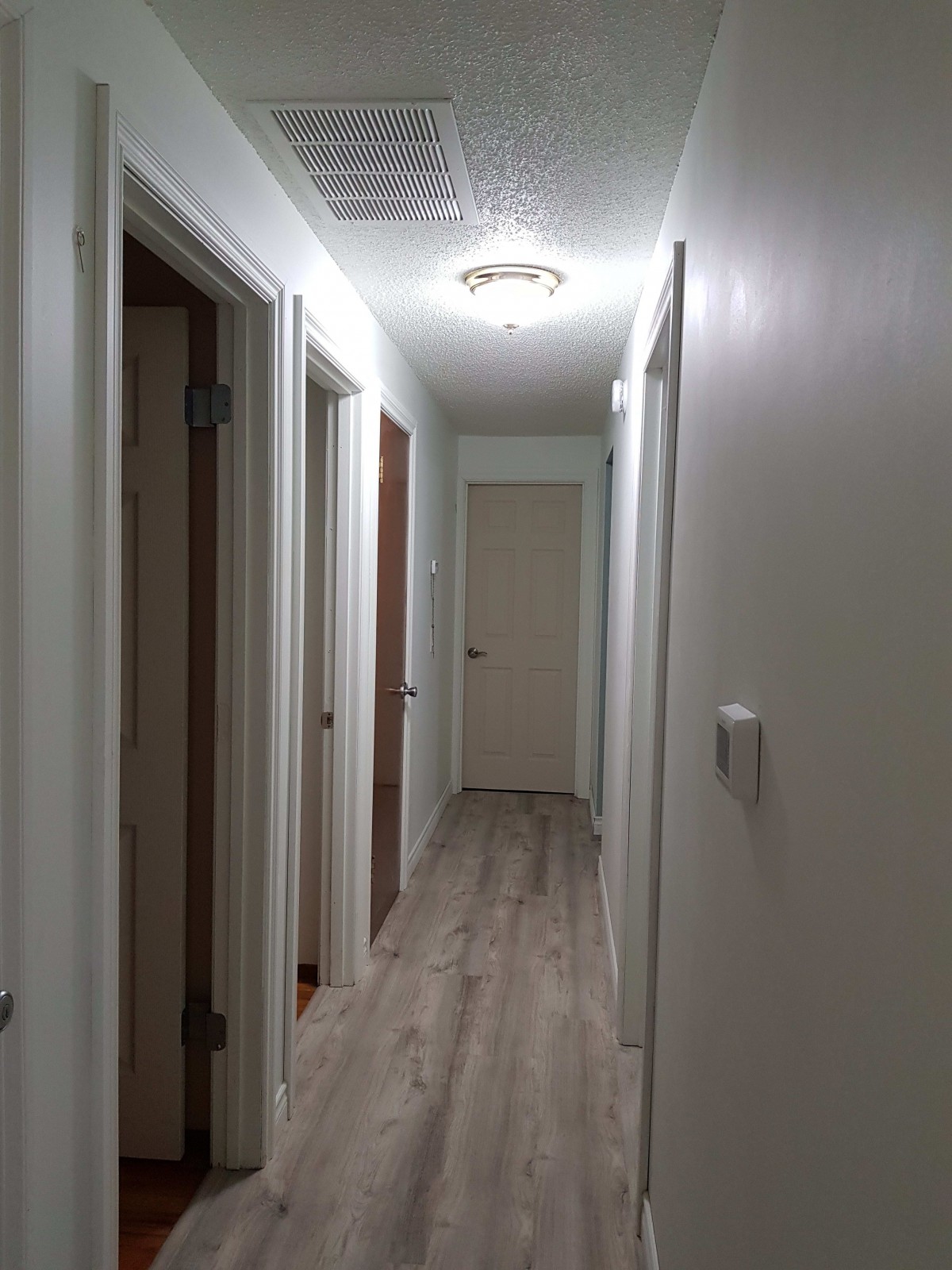
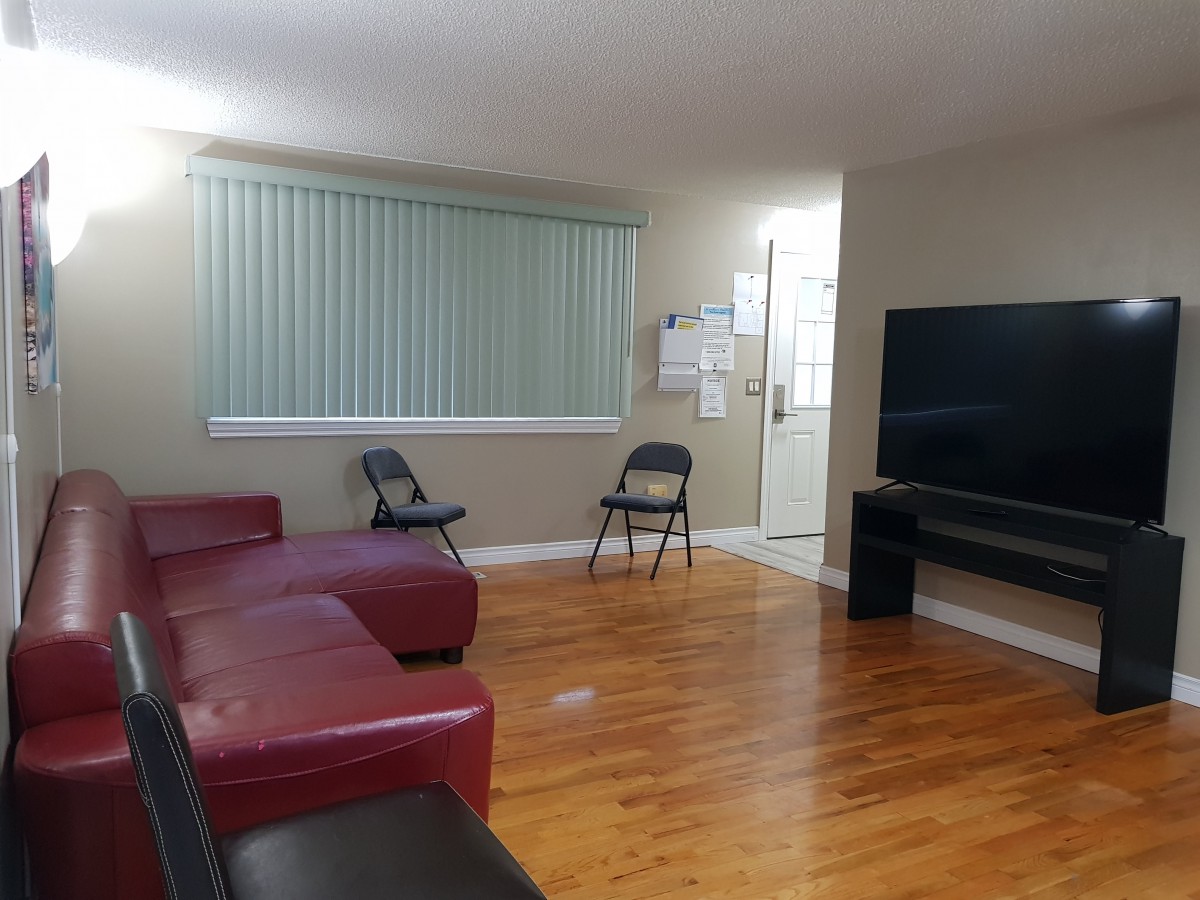
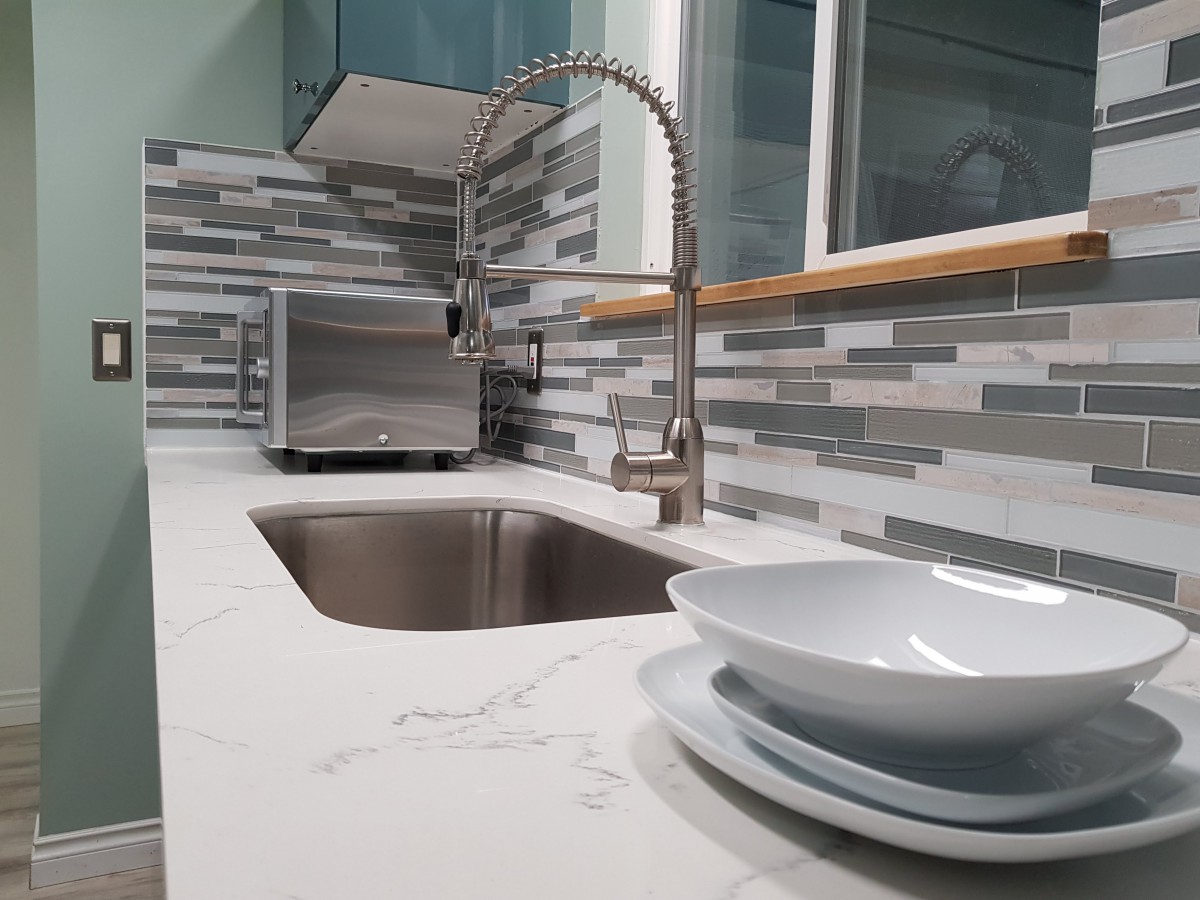
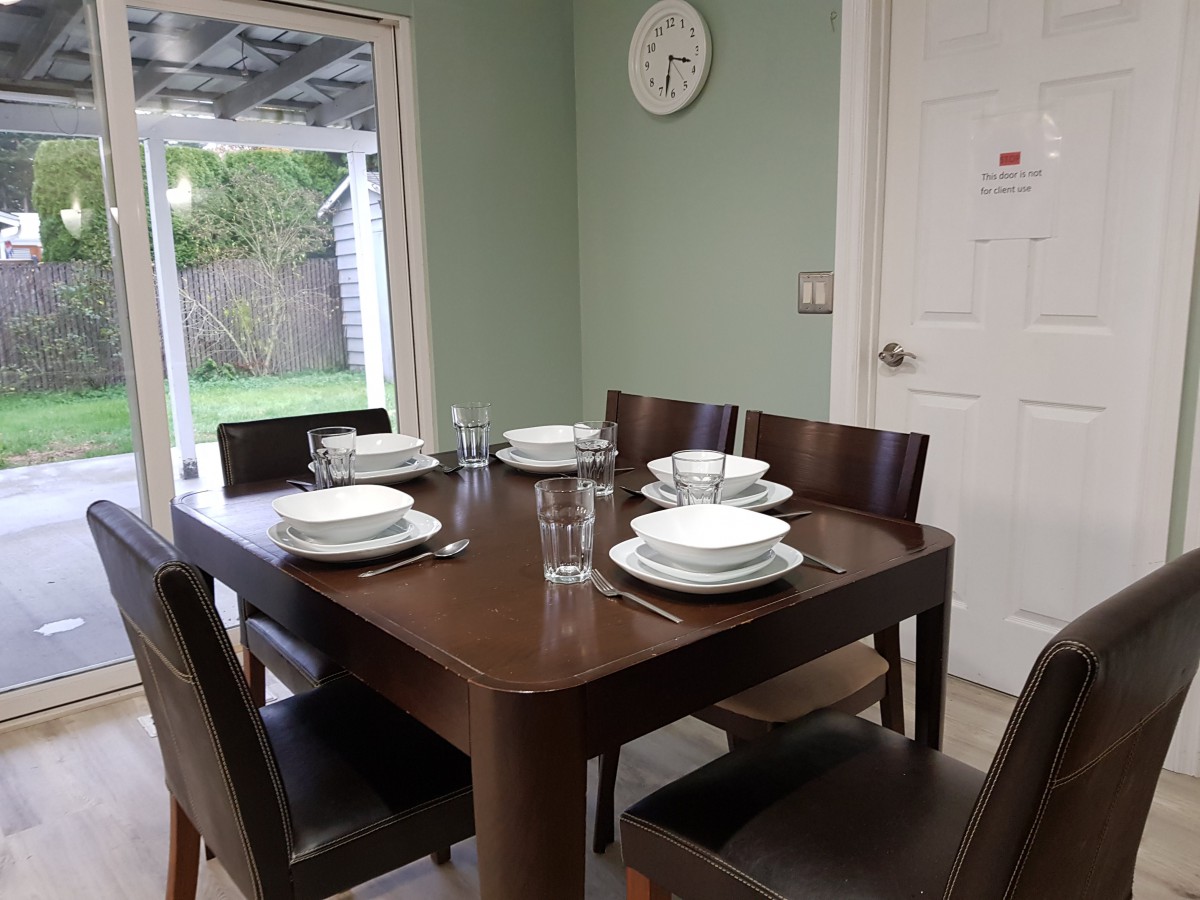
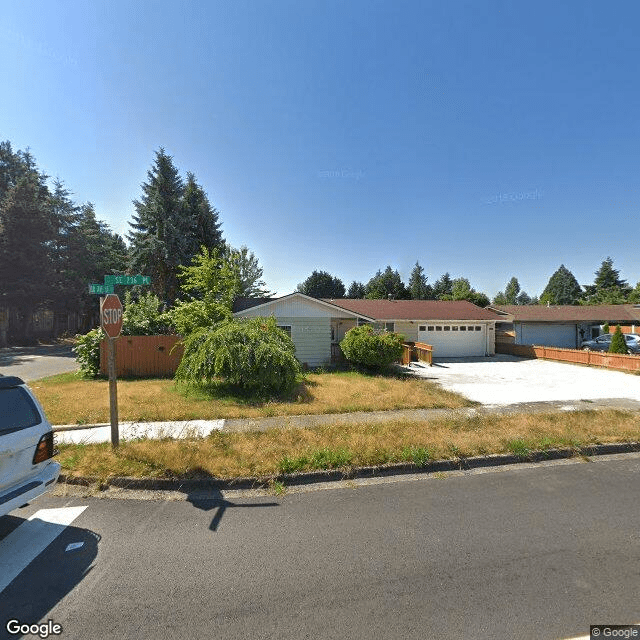
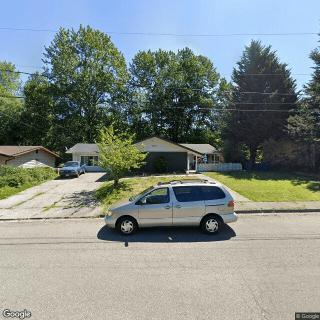
10711 SE 236th PL, Kent, WA 98031
To contact a resident: (206) 779-6699
For more information about senior living options: (866) 208-4318
Aegis Adult Family Home, LLC Costs & Pricing
Aegis Adult Family Home, LLC offers competitive pricing for its residential care services, particularly when compared to the averages in King County and across Washington State. For a semi-private room at Aegis, the monthly cost is $3,000, significantly lower than the county's average of $4,430 and the state average of $4,267. Similarly, for a private room, Aegis charges $4,000 per month - again more affordable than the King County average of $5,034 and slightly below the overall state average of $4,772. These pricing structures reflect Aegis's commitment to providing quality care while maintaining accessibility for families seeking supportive living arrangements for their loved ones.
| Floor plans | Aegis Adult Family Home, LLC | King County | Washington |
|---|---|---|---|
| Semi-Private | $3,000 | $4,430 | $4,272 |
| Private | $4,000 | $5,034 | $4,774 |
Senior living communities with a similar price nearby
-
from +$375 / mo
Evergreen Manor Senior Care Inc
$3,375 to $7,500 / month21.1 miles away -
About the same
Hummingbird Homecare
$3,000 / month9.1 miles away -
About the same
Home Care in Kent Inc.
$3,000 to $3,500 / month0.6 miles away -
from +$500 / mo

Twin Lakes Haven Adult Family Home
$3,500 to $8,000 / month9.3 miles away -
from -$500 / mo
Freedom Care
$2,500 to $3,000 / month4.1 miles away
Overall Review of Aegis Adult Family Home, LLC
Pros
 It is the best of all.
- The home care is excellent, well staffed, clean, and the residents are happy.
- Grandpa loves it.
Cons
 They tried to call, but the phone number was wrong.
Review
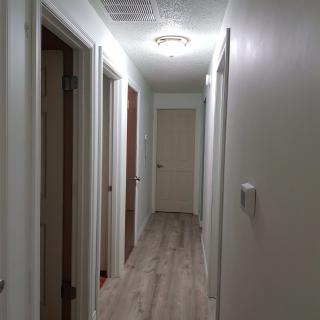
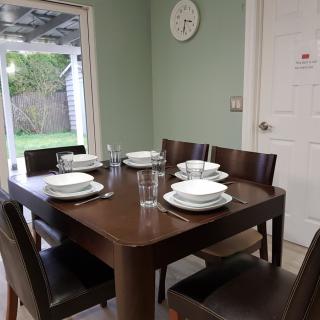
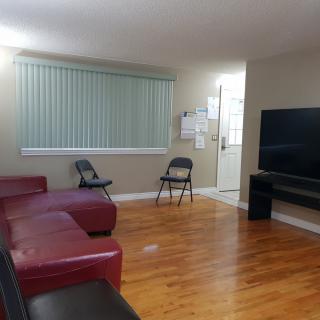
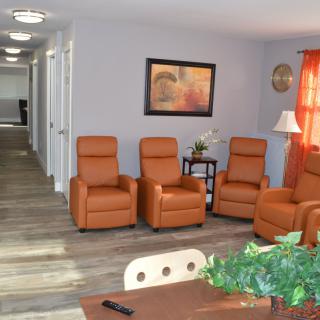
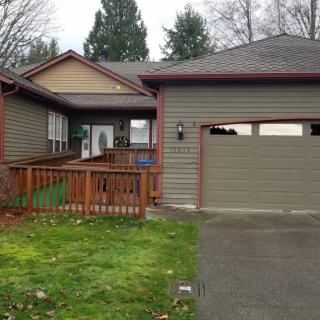
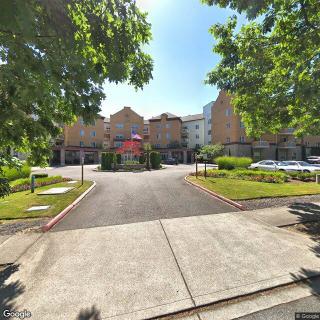
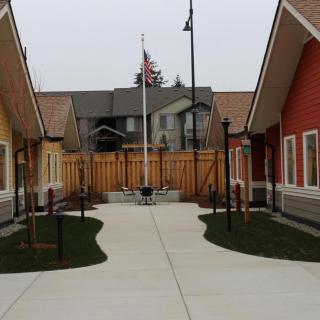
Aegis Adult Family Home, LLC in Kent, WA is best suited for seniors who want a warm, home-like environment where personal attention comes from a small, consistently staffed team. This community excels for families seeking genuine daily contact with caregivers, predictable routines, and residents who appear clean, cared-for, and content. It is the kind of setting where residents are known by name, where staff familiarity translates into timely assistance, and where family members can visit and see a cohesive, homelike atmosphere rather than a sterile, impersonal campus.
Those who may want to consider alternatives include seniors with high medical needs or those requiring highly specialized memory-care programming. Larger facilities with broader on-site medical resources, more formalized dementia programs, or more robust multi-discipline teams may better suit cases demanding intensive monitoring or rapid escalation of care. Additionally, families that place a premium on seamless, no-hassle outreach and up-to-the-minute communication should probe the front-line contact process; a misstep like an unreachable phone number raises valid concerns about responsiveness in urgent moments.
The strongest positives, excellent home care, solid staffing, and clean, cheerful residents, do meaningful work in offsetting the potential drawbacks of a smaller, residential model. When caregivers are well staffed, routines run smoothly, and residents appear engaged and satisfied, the setting delivers reliable day-to-day quality that can outpace bigger facilities on comfort and personalized attention. The happiness and cleanliness reported by families translate into measurable benefits for safety, mood, and social interaction, which are often the deciding factors for families weighing a move from independent living or from a hospital discharge.
Yet, the intimate, home-based format does carry trade-offs. A smaller property may have limited programming variety and fewer on-site medical resources than larger communities, which can matter for residents with evolving needs or complex conditions. Inconsistent or imperfect communication can magnify concerns when quick updates or crisis information are needed. While family and resident sentiments tend to skew positive, the presence of low-star experiences in the broader review profile cautions that not every moment will feel seamless, and not every issue will be resolved with the same speed or certainty as in a bigger operation.
To assess fit, prospective families should prioritize a direct visit with observation of caregiver-resident interactions, ask for caregiver-to-resident ratios during peak hours, and scrutinize the daily schedule for meaningful engagement versus idle time. Inquire about licensing, safety features, medication administration practices, and how staff communicate with families about changes in condition or care plans. Request candid references from current residentsā€™ families and challenge the staff to demonstrate problem-solving and escalation protocols. If contact reliability is strong and the culture feels genuinely attentive, the advantages of a homier, well-staffed environment will typically outweigh the downsides.
In the end, Aegis Adult Family Home stands out as a sound choice for seniors who prioritize warmth, consistency, and a sense of belonging over formalized, campus-scale amenities. It is less likely to satisfy those who need round-the-clock medical oversight, extensive clinical programming, or maximum transparency in every communication channel. The recommended next steps are clear: schedule a tour, verify current staffing levels and emergency procedures, and test the communication process in real time. For families valuing a nurturing, neighborly atmosphere where residents thrive on daily care and personal connection, this Kent location offers a practical, dependable match.
 Board and Care Home
 Activities on-site
 Indoor common areas
 Outdoor common areas
 Private
 Wheelchair accessible showers
 Seattle-Tacoma International (7 miles away)
 Ambulatory care
 Diabetic care
 Medication management
 Kosher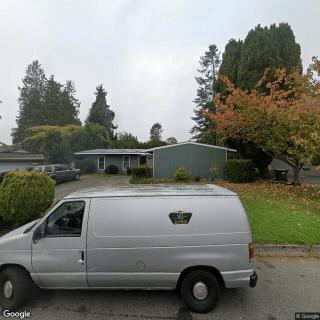
 Understanding the Full Cost of 24/7 In-Home Care: A Detailed Overview
 Exploring the World of Home Health Nurses: Qualifications, Roles, and Hiring Tips
 Navigating Medicare Coverage for In-Home Care Services