
240 S Silke Rd, Colville, WA 99114
To contact a resident: (509) 684-5677
For more information about senior living options: (866) 208-4318
Parkview Assisted Living Costs & Pricing
Parkview Assisted Living offers a range of competitive pricing for its residential options, aligning closely with both Stevens County and the broader Washington state averages. For a studio apartment, residents will find that the monthly cost is $4,190, matching the local county rate while slightly exceeding the state's average of $4,126. The one-bedroom units are priced at $4,820 - a figure that mirrors Stevens County's pricing but surpasses Washington's average of $4,632. Meanwhile, for those opting for a two-bedroom accommodation at Parkview, the cost is set at $4,930 per month, which aligns with Stevens County yet stands above the state average of $4,301. This slight premium reflects Parkview's commitment to providing quality services and amenities tailored to enhance residents' well-being.
| Floor plans | Parkview Assisted Living | Stevens County | Washington |
|---|---|---|---|
| Studio | $4,190 | $4,190 | $4,128 |
| 1 Bedroom | $4,820 | $4,820 | $4,634 |
| 2 Bedrooms | $4,930 | $4,930 | $4,301 |
Overall Review of Parkview Assisted Living
Pros
 Parkview Senior Living is the place to be for seniors.
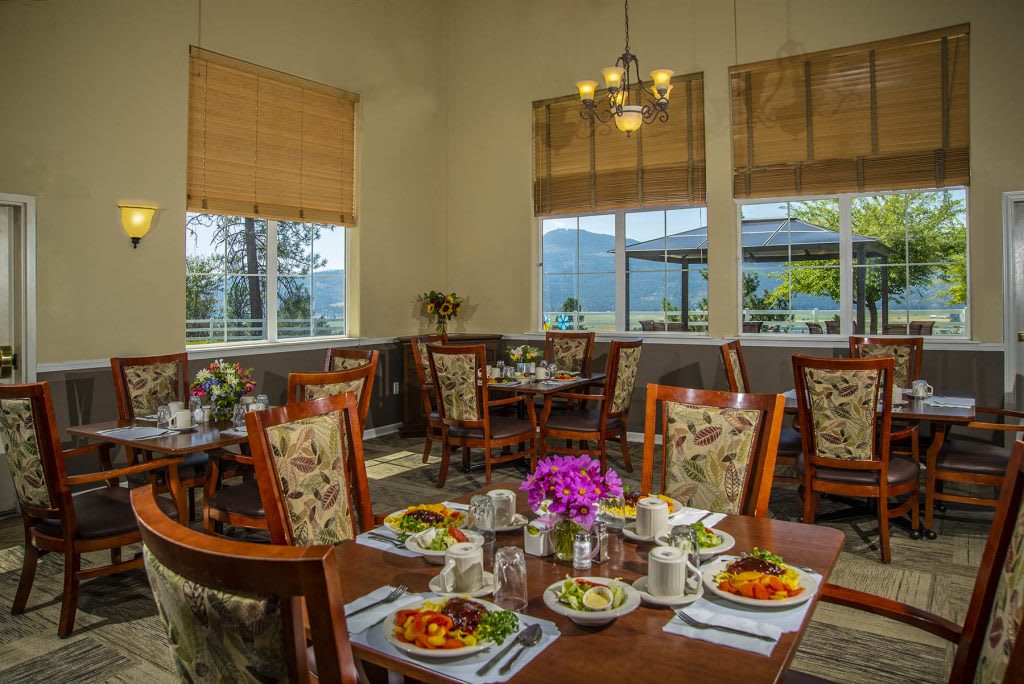
- Parkview offers great food, wonderful entertainment, and a welcoming environment.
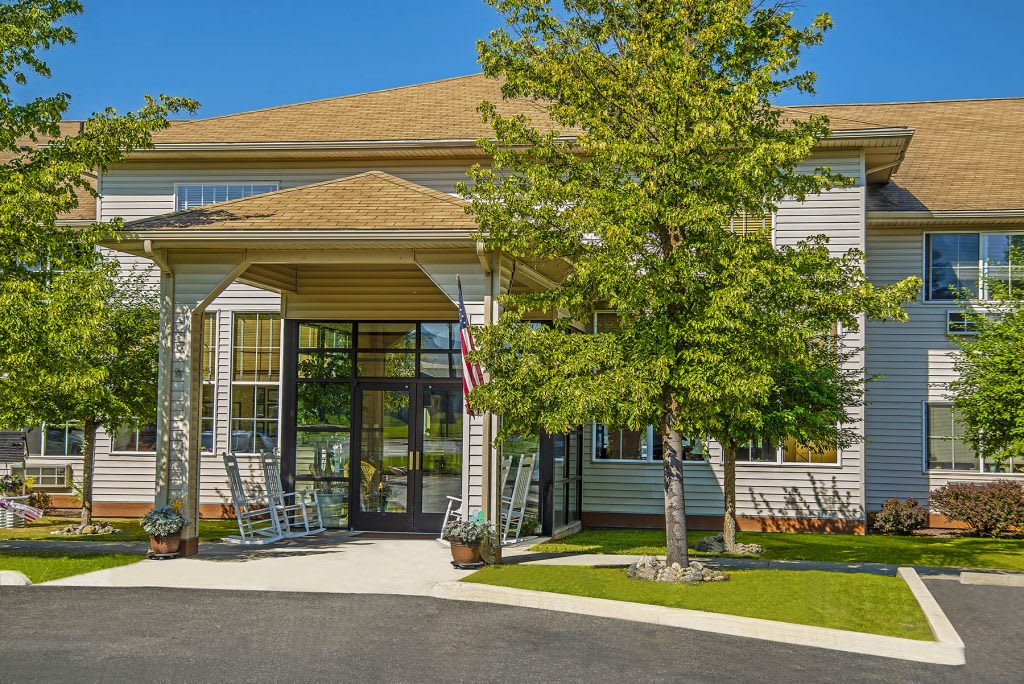
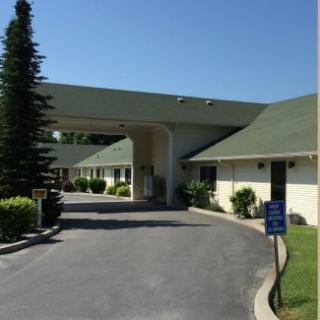
- Parkview is a beautiful place for seniors.
- The staff at Parkview Assisted Living are friendly, and there are always activities each week.
- The caring and thoughtful staff at Parkview consistently work with kindness and in the best interests of the residents.
- Parkview is a top-tier assisted living facility with professional, compassionate staff, a variety of activities, and a clean, well-maintained environment.
- The food at Parkview is delicious, and the staff are friendly, with a clean, odor-free facility.
Cons
 The reviewer would give Parkview 0 stars and claims residents were neglected during Covid.
- They state residents were left alone in their apartments in the dark and the building reeked of urine.
- They allege that extra charges for higher levels of care are billed without delivering corresponding care, with funds going to corporate.
- They say there aren’t enough staff; only 1–2 caregivers actually work with residents, while office staff are counted in the ratios to look better on paper.
- They describe housekeeping as terrible and the overall food quality as not great.
- They argue the facility now resembles a nursing home without adequate nursing care and should not take on residents with dementia or serious medical needs.
- They report many residents have suffered serious falls and other issues due to neglect.
Review
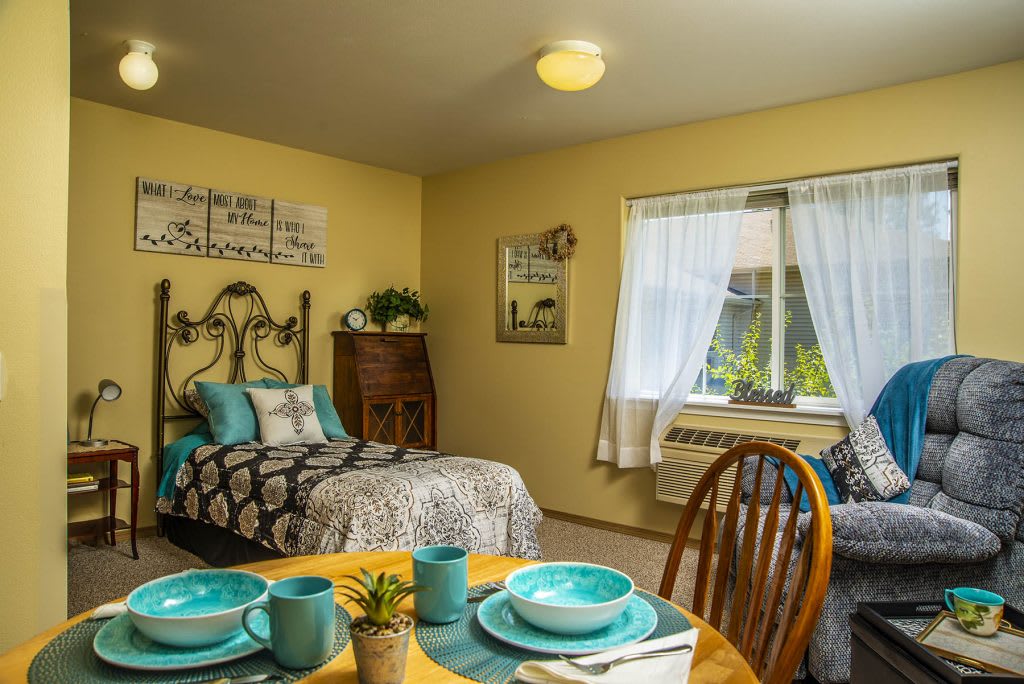
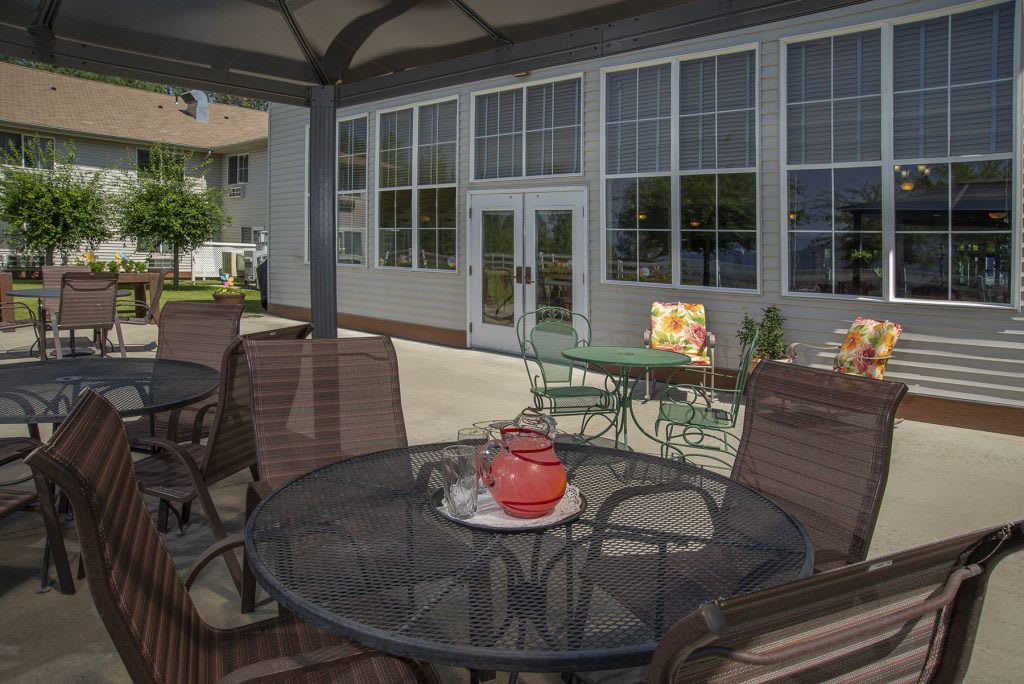
Parkview Assisted Living in Colville is best suited for seniors who prize social vibrancy, consistent warmth from staff, and reliable meal service, all wrapped in a well-maintained, scenic campus. For residents who still value independence but want easy access to help with daily tasks, Parkview offers a balanced environment: active programming, approachable staff, and a sense of community that makes everyday life feel manageable. It works as a solid fit for those who don’t require around-the-clock medical nursing or memory-care supervision and who thrive on regular activities, friendly interactions, and a hospitable dining experience.
That said, certain realities merit careful consideration. Families should look elsewhere if a member requires substantial hands-on care, constant medical oversight, or dementia-specific supervision. The strongest caveat from quieter corners of the market is the concern that staffing levels may not consistently match resident needs, especially for residents who require extensive assistance or for whom safety depends on high caregiver presence. For those with significant medical or behavioral complexities, a facility with a dedicated nursing staff and a formal memory-care program may deliver more reliable oversight and tailored routines.
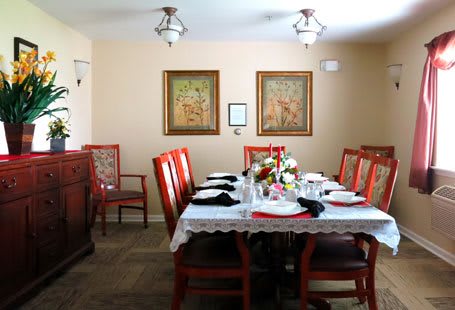
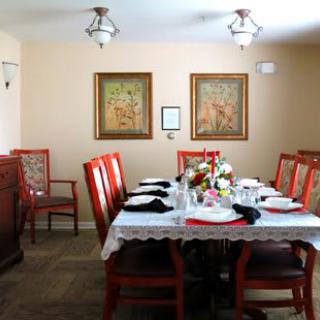
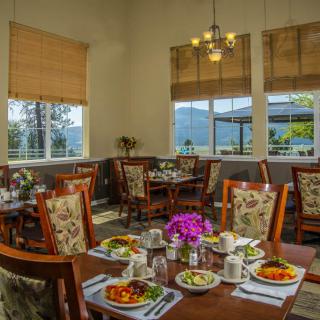
On the plus side, the most repeatedly praised elements add up to meaningful, practical benefits. The staff are described as friendly, compassionate, and genuinely invested in residents’ well-being. The community routinely offers a wide slate of activities, which helps combat loneliness and keeps residents engaged without forcing them into a rigid timetable. Food quality consistently earns high marks, with residents and families noting thoughtful preparation that accommodates varied tastes and dietary restrictions. Cleanliness, upkeep, and a inviting, homelike atmosphere round out a picture of a campus that feels respectful and welcoming, where residents can pursue independence with a safety net of supportive staff.
The most glaring concerns in the feedback lean toward staffing intensity and day-to-day care delivery. Several reviews flag insufficient direct-care coverage, with implications that staff time is stretched and not all needs are met promptly. Housekeeping and campus odor issues are also mentioned by some families, painting a less-than-ideal background for residents who expect a consistently pristine environment. The implication is that while the campus can look and feel right, there are moments when the operational cadence does not fully align with the level of care some residents require. For a senior with escalating needs, mobility challenges, frequent medical tasks, or dementia-related supervision, these gaps can become real risks.
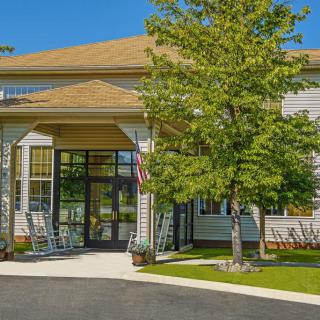
Yet the positives still carry substantial weight. When staff engagement is high, residents benefit from steady social contact, prompt assistance with daily routines, and a culture of kindness that can transform the experience of aging in place. The combination of a supportive, neighborly atmosphere and a program of meaningful activities can offset a lot of anxiety about leaving home, and for many, it translates into improved mood, regular meals, and a sense of belonging. The campus location, described as scenic and pleasant, also matters, contributing to a daily environment that feels safe and familiar rather than clinical. In short, the pros support a strong case for Parkview as a home for independent-leaning seniors who value community and comfort.
The practical takeaway is clear. Parkview is a solid, even compelling choice for families prioritizing social engagement, a high-quality dining experience, and a well-kept, friendly setting. It is less compelling for those whose loved ones require intensive, continuous caregiving or dementia-specific supervision. Pros such as warmth from staff, robust activity calendars, and good meals can offset many common concerns, but they do not entirely negate the realities of care gaps raised by reviewers. Prospective residents should temper enthusiasm with due diligence: tour in person, observe interactions between staff and residents, meet the caregiving team, and request detailed information on current staffing levels, response times, and care planning.
For families weighing options, Parkview deserves close consideration, paired with a structured visit plan. Schedule an on-site tour, ask to meet direct-care staff and supervisors, and request to see current care plans and staffing rosters. Compare Parkview against alternatives that emphasize stronger nursing coverage or dementia-specific programming, especially if memory care needs or higher medical oversight are anticipated. If choosing Parkview, approach the decision with a clear care strategy: define the level of daily assistance the loved one will need, confirm how often that needs are met, and ensure the schedule and staff resources align with safety and quality expectations. The right choice will hinge on balancing social vitality and enjoyment with the certainty of appropriate, reliable care.
 Assisted Living
 Cats allowed
 Dogs allowed
 Activities off-site
 Air-conditioning
 Beautician on-site
 Devotional services off-site
 Ground floor units
 Handicap accessible
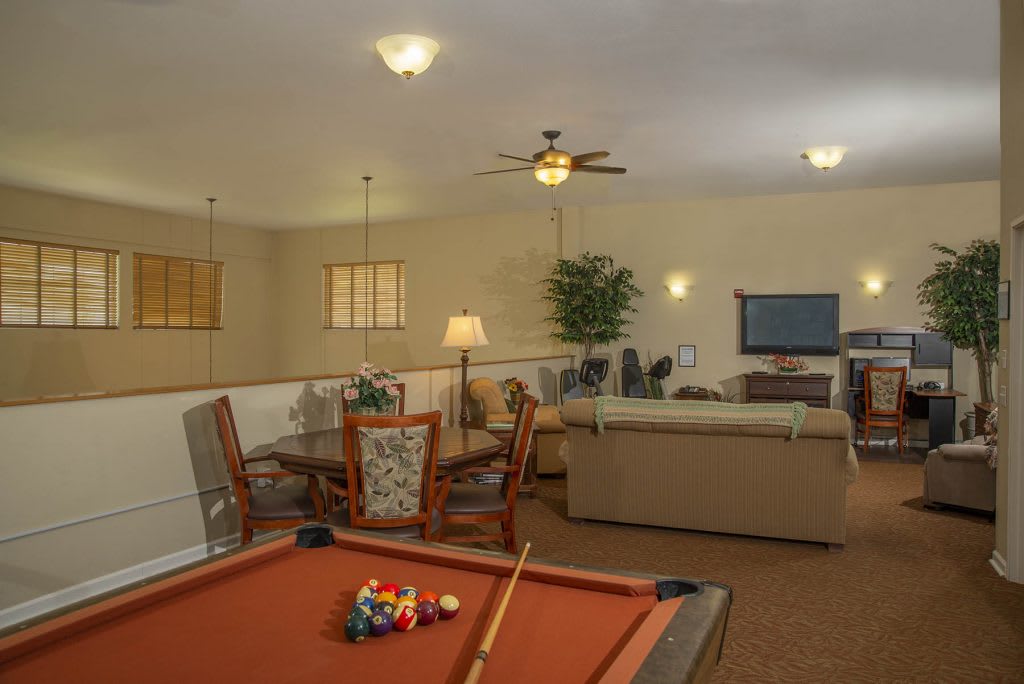
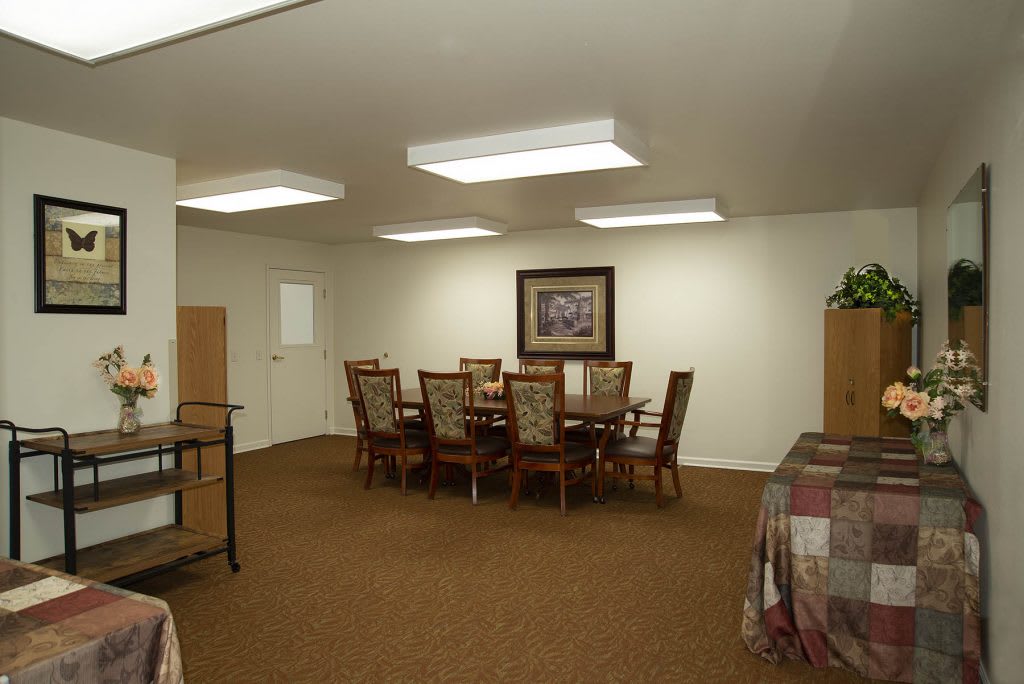
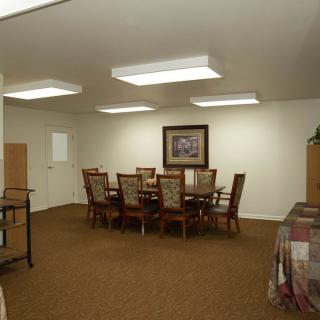
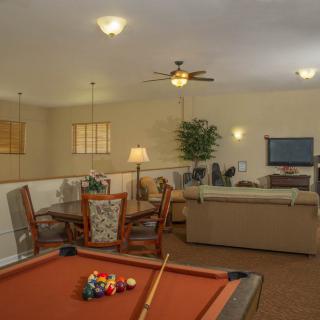
 Indoor common areas
 Kitchenette
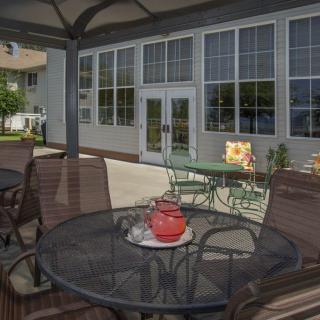
 Outdoor common areas
 Respite or short term stays offered
 Wheelchair accessible showers
 Wi-Fi/high-speed internet available
 Ambulatory care
 Diabetic care
 Incontinence care
 Medication management
 Guest meals
 Art classes
 Bible study group
 Cooking classes
 Day trips and outings
 Educational speakers / life long learning
 Karaoke
 Live well programs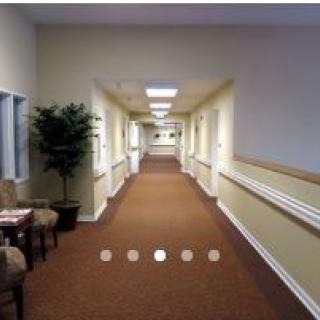




 Assisted Living Support for Veterans: A Complete and Detailed Overview
 Exploring the Contrasts Between Assisted Living and Skilled Nursing
 8 Key Indicators That Suggest It May Be Time to Transition from Assisted Living to Skilled Nursing Care