Centralia Point Assisted Living and Memory Care in Centralia, WA

Save

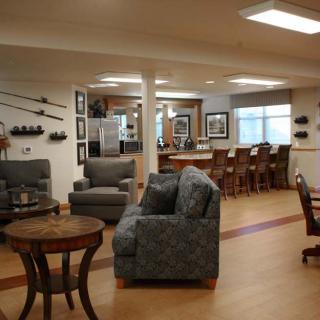
  • Interior

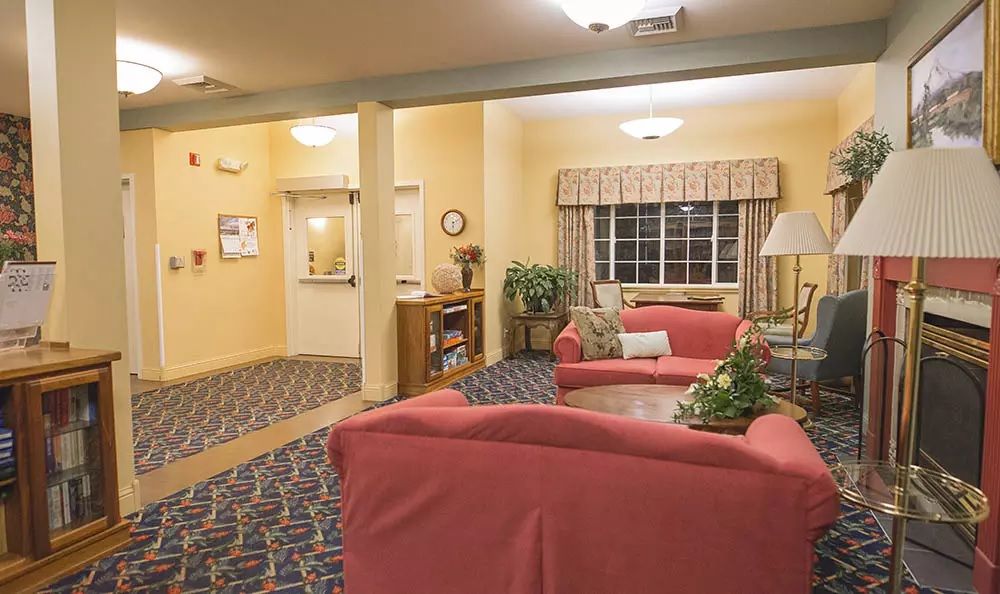
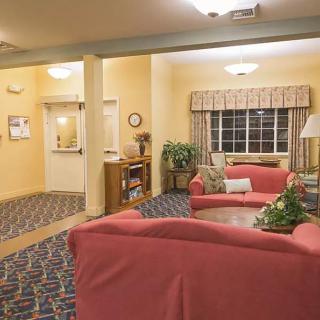
    A cozy living room with red couches and decorative plants.
  • Decor

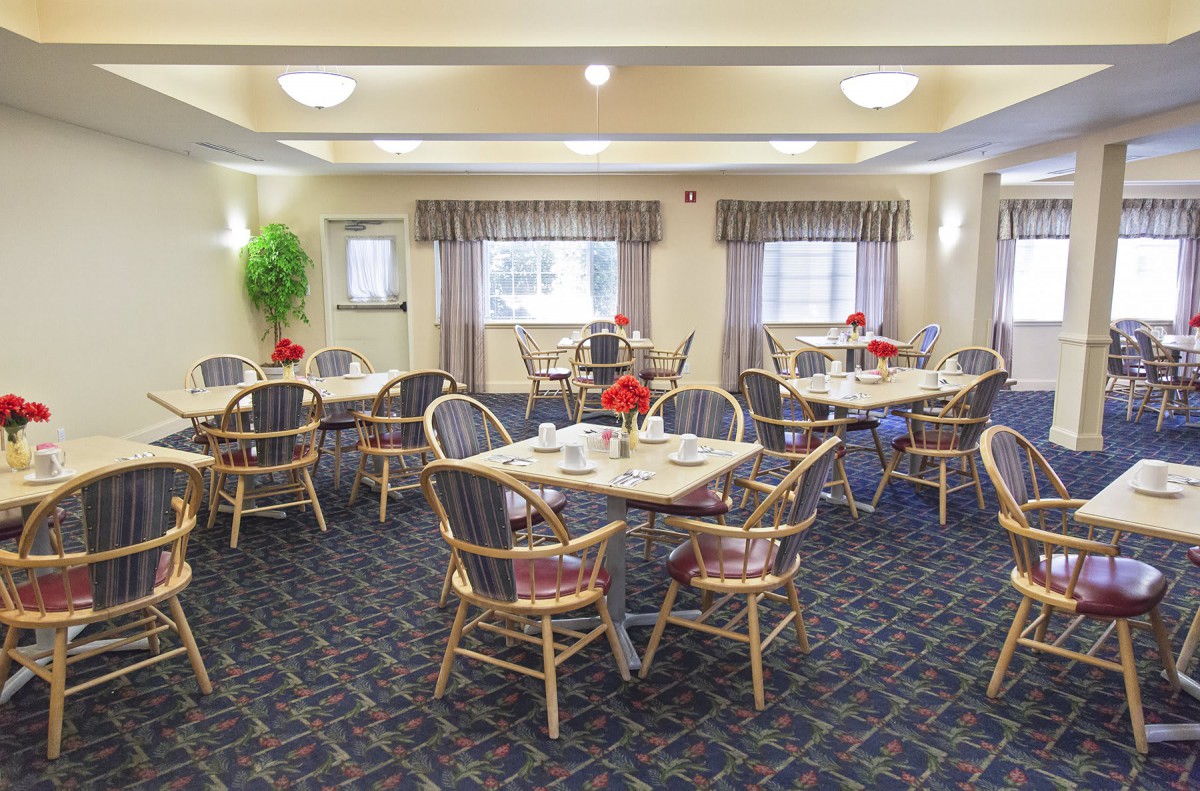
    A well-lit dining room with multiple tables and chairs arranged neatly.
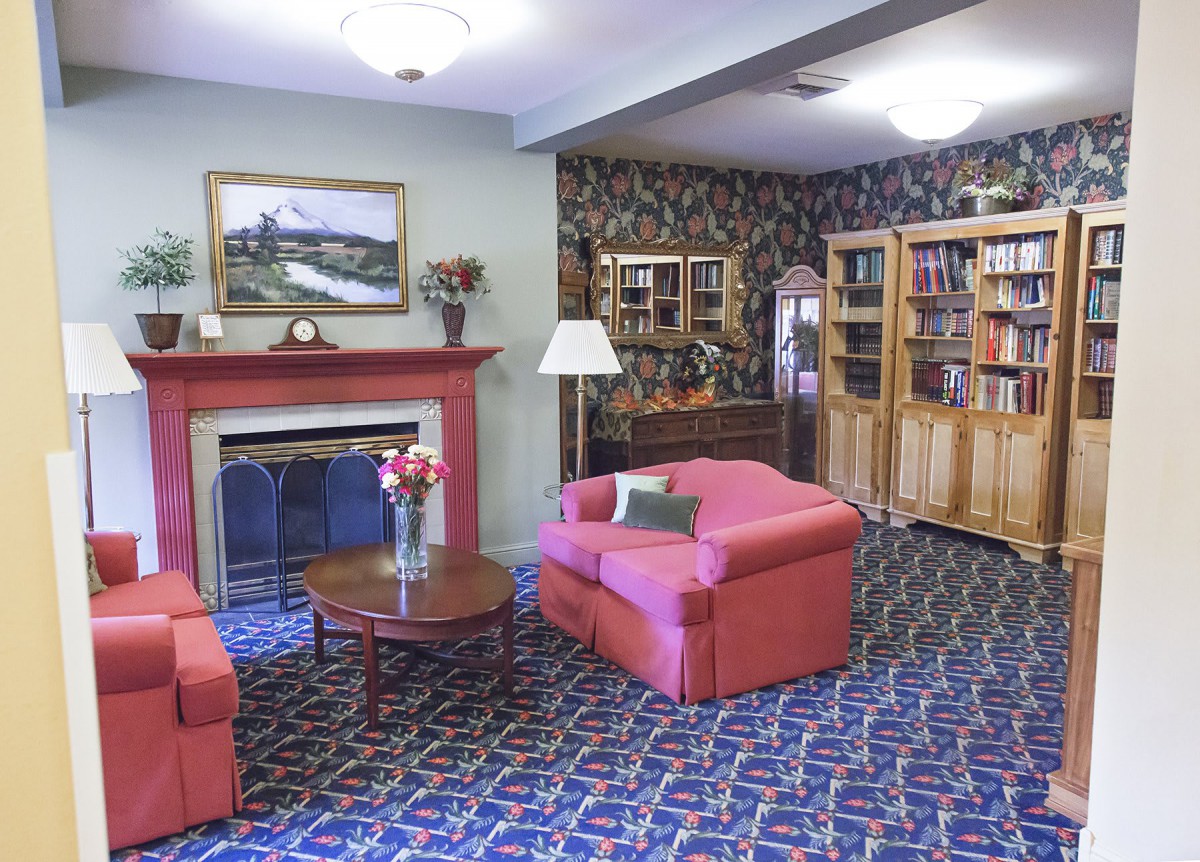
  • Living Room

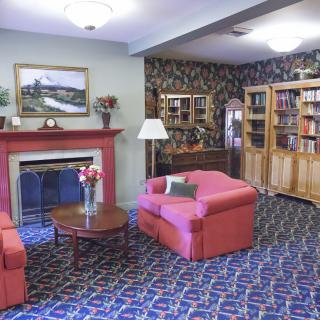
    A cozy living room with red armchairs, a fireplace, and bookshelves filled with books.
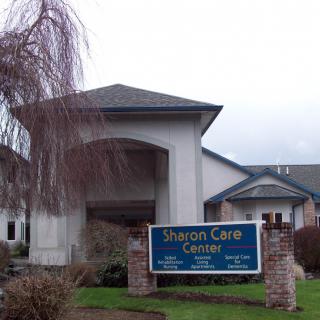
  • Building

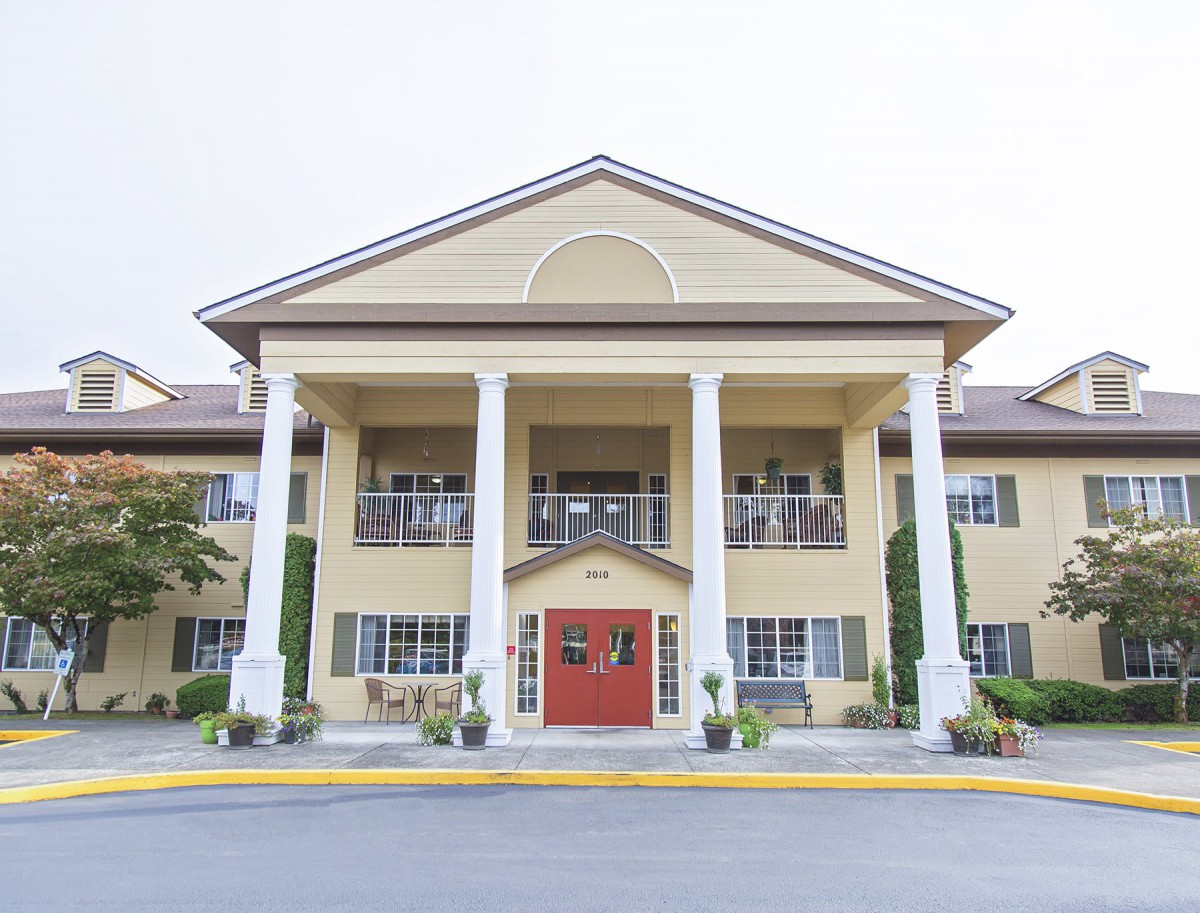
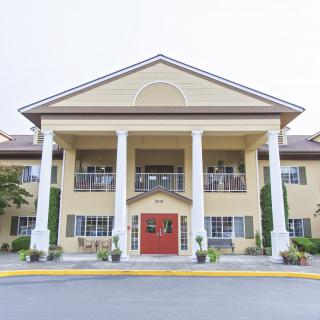
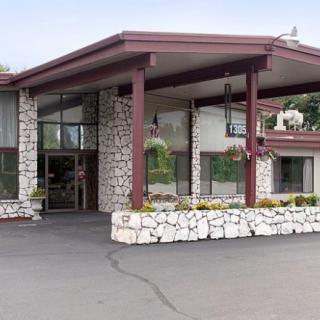
    A two-story building with a symmetrical front and prominent columns.
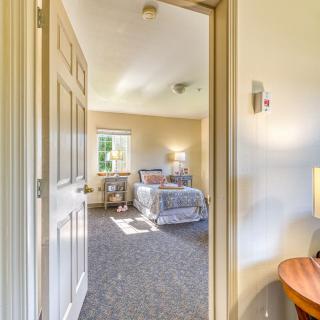
  • Bedroom

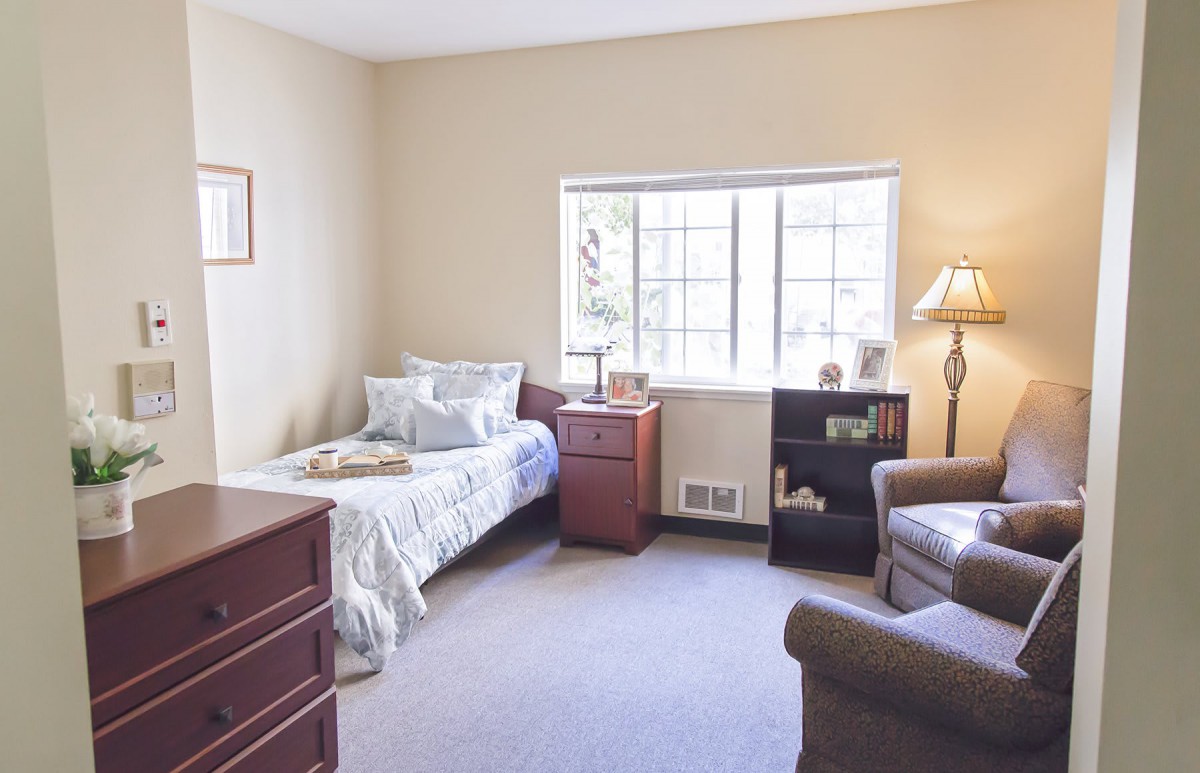
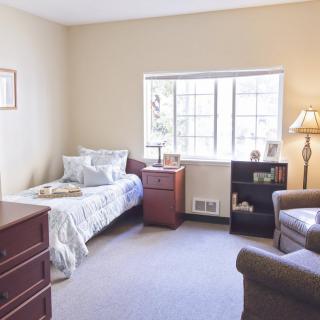
    A cozy bedroom with a single bed, dresser, chair, and a window letting in natural light.
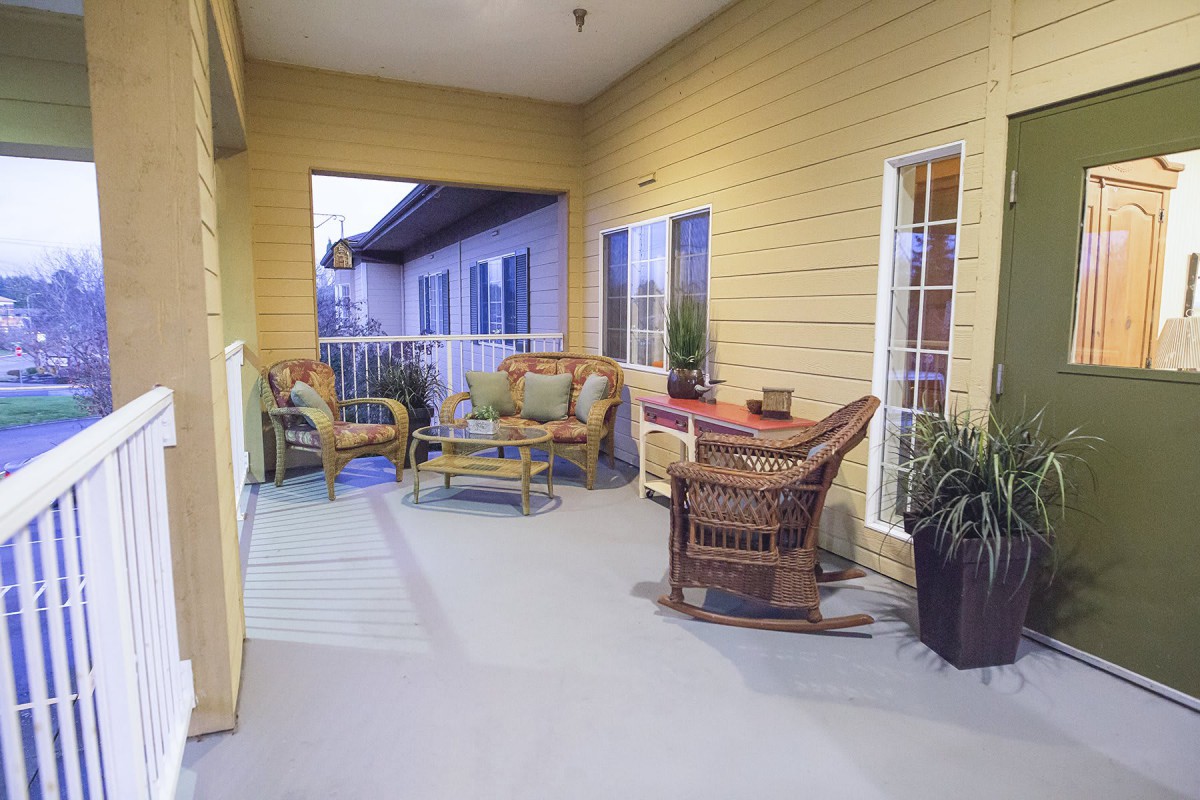
  • Patio

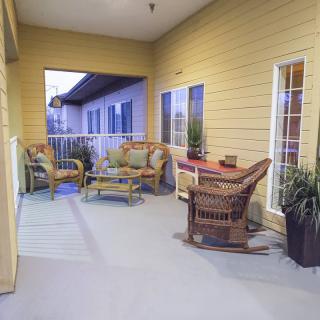
    A cozy patio with wicker furniture and decorative plants.
  • Bathroom

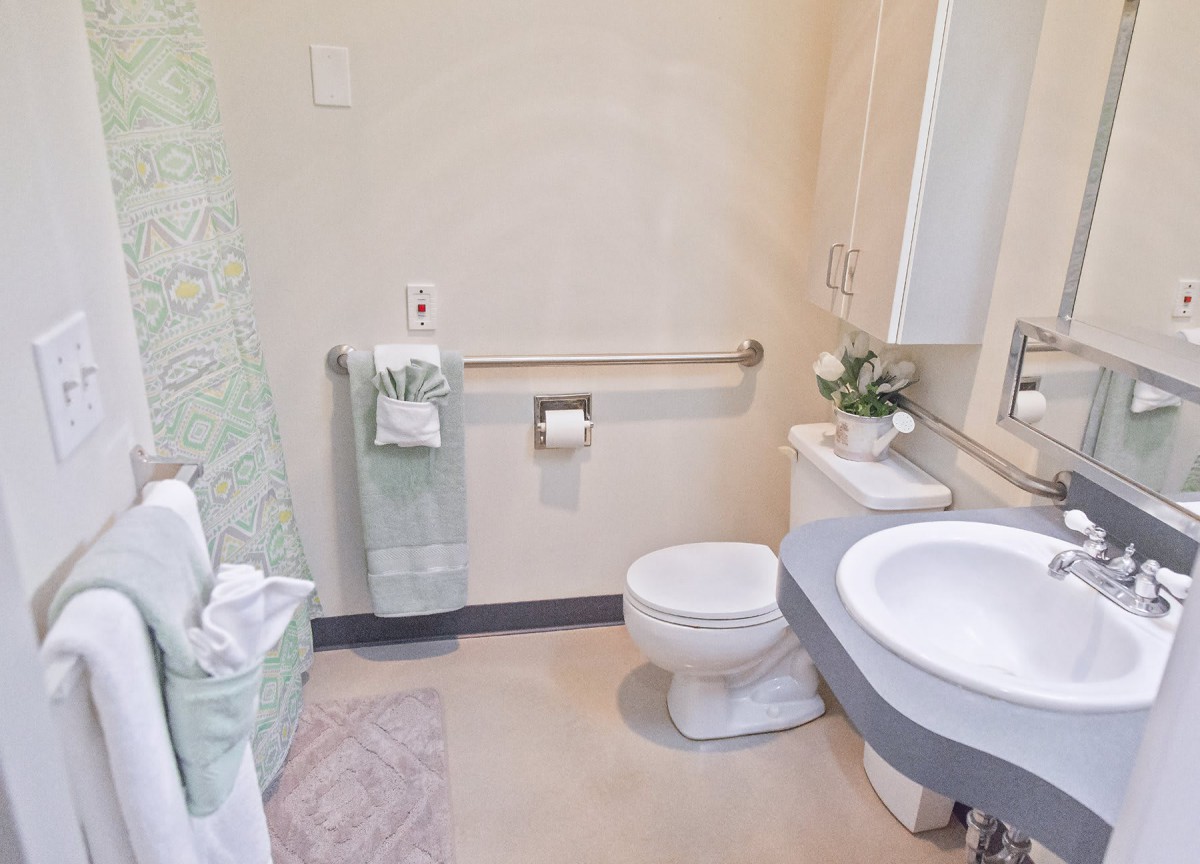
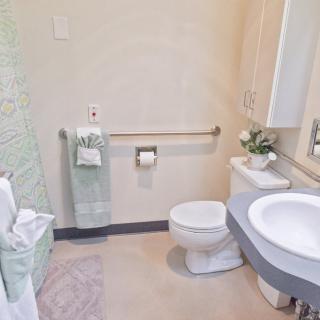
    A clean and well-organized bathroom with a toilet, sink, and shower area.
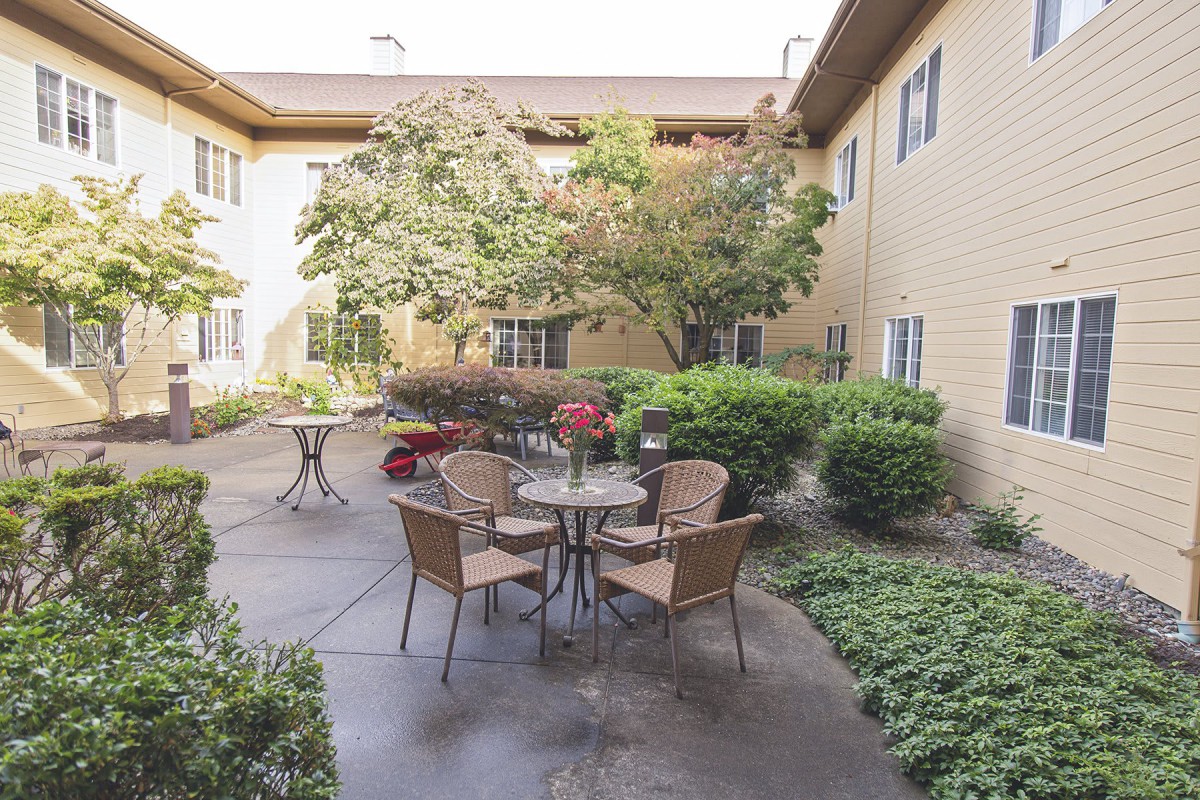
  • Outdoor Seating

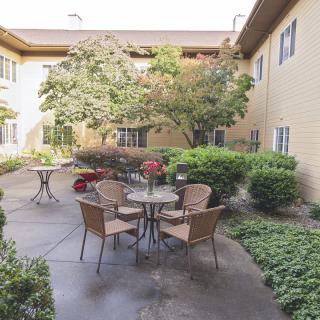
    A tranquil courtyard with seating surrounded by lush greenery.
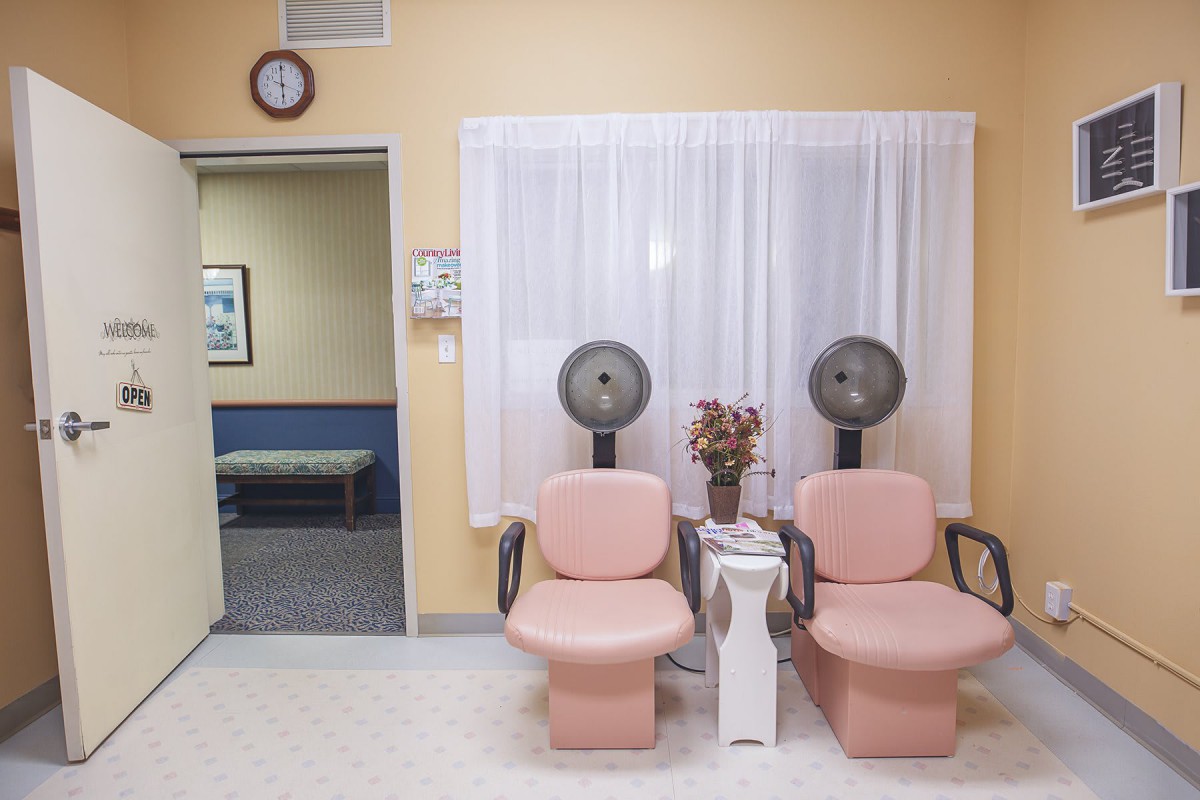
  • Salon

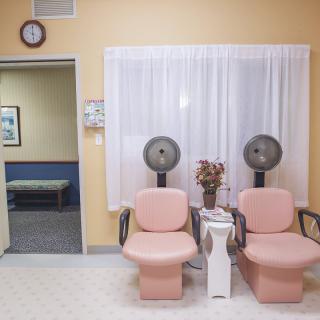
    A vintage-style salon waiting area with two pink chairs and hair dryers, adorned with flowers.

Centralia Point Assisted Living and Memory Care in Centralia, WA

Information last verified:

2010 Cooks Hill Road, Centralia, WA 98531

For more information about senior living options: (844) 490-3973

4.4 from 52 reviews
5 stars
39
4 stars
7
3 stars
0
2 stars
1
1 stars
5

Centralia Point Assisted Living and Memory Care Costs & Pricing

Centralia Point Assisted Living and Memory Care offers competitive pricing compared to the broader market of Thurston County and the state of Washington. For instance, residents in a semi-private room can expect to pay $1,995 per month, significantly lower than the county average of $4,280 and the state average of $4,267. Studio accommodations at Centralia Point are priced at $2,900, which is also more affordable when compared to Thurston County's average of $4,131 and Washington's average of $4,126. Similarly, their one-bedroom units are available for $2,995, again offering substantial savings against the county's average of $4,085 and the higher state average of $4,632. Overall, Centralia Point provides an attractive alternative for those seeking quality care without the burdensome costs often associated with assisted living and memory care facilities in this region.

Floor plansCentralia Point Assisted Living and Memory CareThurston CountyWashington
Semi-Private$1,995$4,280$4,272
Studio$2,900$4,131$4,128
1 Bedroom$2,995$4,085$4,634

Overall Review of Centralia Point Assisted Living and Memory Care

Pros

  • pro They praise the staff as consistently caring, compassionate, and attentive to residents' needs.
  • pro The facility is clean, bright, and welcoming, with well-maintained common areas and private rooms.
  • pro Residents feel safe and valued because the staff truly sees them and learns their routines.
  • pro Pam and Bryce provide attentive leadership and foster a warm, welcoming atmosphere.
  • pro The memory care team goes above and beyond, handling difficult moments with kindness and professionalism.
  • pro The dining options are high quality and well received by residents.
  • pro The memory care environment features beautifully renovated spaces and inviting outdoor areas.
  • pro Families appreciate regular, transparent communication from the staff.
  • pro The community offers a home-like atmosphere with engaging activities and friendly, supportive staff.
  • pro Centralia Point is regarded as a strong choice for quality memory care and assisted living.

Cons

  • pro The reviewer would not recommend this facility to anyone, citing inadequate care and constant staff turnover.
  • pro A resident was left sitting in feces and urine without being checked, indicating neglect.
  • pro The rooms and facilities were not consistently cleaned, with reports of unsanitary conditions.
  • pro Understaffing led to insufficient hygiene and basic care, including not being brushed or assisted.
  • pro The kitchen and food service were criticized for being undertrained and providing low-quality meals.
  • pro An open back door at night created safety concerns due to unsupervised access.

Review

Centralia Point Assisted Living and Memory Care in Centralia, Washington, is best suited for families seeking a memory-care focused environment with genuinely caring staff, a clean and welcoming setting, and a leadership team that is visibly engaged. The community shines when families want regular, meaningful interaction with caregivers who learn a resident’s routines, preferences, and quirks, and when there is comfort in a recently renovated, attractive space that feels like home. It is a solid match for seniors who need steady daily assistance, clear care planning, and a in-house atmosphere where compassionate care is the norm. It is less ideal for those chasing the absolute lowest price, or for families needing robust skilled-nursing capabilities beyond assisted living and memory care.

Those who should consider alternatives include families facing high-acuity medical needs or those expecting 24/7 skilled supervision beyond what a memory-care unit can provide. Several reviews raise questions about staffing consistency and turnover, which can translate into uneven care experiences or gaps in communication. A few families report significant dissatisfaction related to care quality and responsiveness, and one portrays the facility as lacking in security and ongoing, comprehensive support. For anyone anticipating long-term, highly complex medical oversight or care plans that require frequent escalation, it’s prudent to compare other communities with proven, steady nursing staff and more robust escalation pathways. Additionally, while the grounds and interiors are appealing, some readers will want stronger assurances about daily regimen compliance, persistent housekeeping, and reliable showering or grooming assistance.

The strongest positives clearly tilt toward the staff and the environment. Multiple reviews highlight staff as the heart of Centralia Point: attentive caregivers who learn routines, communicate with families, and treat residents with patience, kindness, and respect. Families repeatedly note that managers, particularly the executive director and the community relations lead, are accessible, proactive, and genuinely invested in residents’ well‑being. The memory-care unit is described as bright, well‑maintained, and thoughtfully designed, with recent renovations that enhance safety and comfort. Cleanliness is consistently praised, and the campus features appealing outdoor spaces, a dining experience that feels restaurant-like, and convenient amenities such as a hair salon and internal courtyards. These elements create a living environment where residents can feel familiar and engaged, which in turn eases the transition for families during a difficult move.

Price and value are not ignored, and here the pros often align with practical realities. Several reviews call the price “fair” for the level of care, and the combination of a clean, modern facility with strong caregiver engagement supports a sense of value that families rely on when balancing budget with quality of life. The two-week respite program is a tangible indicator of confidence in the environment, offering a low‑risk way for families to test placement while a loved one adapts. The proximity to medical practices and a hospital, paired with a memory-care focus that emphasizes person-centered routines, adds logistical reassurance for families navigating complex medical needs alongside daily living requirements. When these assets converge, they offset some of the variability that can accompany staffing fluctuations.

Even so, the reported drawbacks cannot be dismissed. The most consequential concerns center on staffing stability and consistency, with some families reporting high turnover and less-than-ideal communication during transitions. A subset of reviews raises alarms about care lapses and insufficient attention to basic needs, including hygiene and daily activities, which is especially troubling in memory care. The caution here is not a blanket condemnation but a warning that, despite many glowing testimonials, experiences can diverge. Prospective residents should plan targeted questions and concrete confirmations, staff-to-resident ratios at different shifts, training protocols for memory-care specialists, and a clear process for care-plan updates and family advisories, so that expectations align with reality. Finally, one review notes that the facility does not offer extended skilled nursing, a factor that will matter for families planning long‑term situational changes.

The prudent decision, then, is to pursue Centralia Point with a critical, action-oriented approach. For families prioritizing a warm, people-centered environment, attentive caregivers who truly know their residents, and a renovated, pleasant setting with strong communal features, Centralia Point stands out as a top candidate in Centralia. For those where guarantees of consistent staffing or the option of extended skilled nursing are non-negotiable, it is essential to benchmark against alternatives that demonstrate unwavering staffing continuity and a broader scope of medical oversight. The next steps are concrete: schedule a in-depth tour with Pamela or Bryce, request a candid staffing snapshot and turnover data, and ask to observe a mealtime and a care planning conference. Speak with current residents and families about routine updates and the manner in which incidents are communicated and resolved. Review the latest state-inspection findings and any corrective actions related to memory care. If those checks align with needs and expectations, Centralia Point becomes a compelling choice; if not, the search should continue with a sharper focus on long-term medical acuity and staffing stability.

Features

Housing

  • 55 resident community capacity 55 resident community capacity

Types of Care

  • Assisted Living Assisted LivingAssisted living facilities provide crucial support and care for seniors who may need help with daily tasks such as medication management, bathing, and meal preparation. These communities offer a safe and comfortable environment where seniors can maintain their independence while receiving the assistance they need to thrive in their golden years.
  • Memory Care Memory CareMemory care is crucial for seniors as it provides specialized support and services for individuals with dementia or Alzheimer's disease. These programs offer a safe and secure environment where residents receive personalized care, cognitive stimulation, and help with daily activities. Memory care helps seniors maintain their independence, quality of life, and dignity while also providing peace of mind for their families.

Pets

  • Cats allowed Cats allowed"Pet friendly" senior living communities are important for seniors because pets provide companionship, reduce feelings of loneliness and depression, promote physical activity and mental stimulation, and offer a sense of purpose and responsibility. Pets can improve overall well-being and quality of life for seniors in many ways.
  • Dogs allowed Dogs allowed"Pet friendly" senior living communities are important for seniors because pets provide companionship, reduce feelings of loneliness and depression, promote physical activity and mental stimulation, and offer a sense of purpose and responsibility. Pets can improve overall well-being and quality of life for seniors in many ways.

Amenities

  • Activities off-site Activities off-siteEngaging in off-site activities is crucial for seniors to maintain social connections, stay active, and stimulate their minds. It promotes overall well-being and helps combat feelings of isolation and loneliness.
  • Activities on-site Activities on-siteActivities on-site are important for seniors because they provide opportunities for socialization, mental stimulation, physical activity, and overall well-being. Engaging in activities can help seniors stay active, maintain their independence, and improve their quality of life.
  • Air-conditioning Air-conditioningAir conditioning is important for seniors as they are more vulnerable to heat-related illnesses and may have underlying health conditions that make it difficult for them to regulate their body temperature. It helps to keep them comfortable, safe, and healthy in hot weather.
  • Beautician on-site Beautician on-siteHaving a beautician on-site at a senior living community is important for seniors as it allows them to easily access grooming and personal care services, boosting their self-esteem and overall well-being. It also provides convenience and helps seniors maintain their sense of independence and personal style.
  • Beauty salon Beauty salonBeauty salons are important for seniors because they provide a space for them to feel pampered, socialize, and maintain their personal grooming and hygiene. Regular visits to a beauty salon can help boost seniors' self-esteem and overall well-being.
  • Cable or satellite TV Cable or satellite TVCable or satellite TV is important for seniors because it provides entertainment, news, and companionship, helping to combat loneliness and boredom. It also offers a wide range of programming options tailored to different interests and preferences.
  • Computer center Computer centerA computer center is essential for seniors as it provides access to technology, communication tools, and resources that can enhance their daily lives. It allows them to stay connected with loved ones, engage in online activities, and learn new skills, ultimately promoting socialization and mental stimulation.
  • Devotional services off-site Devotional services off-siteDevotional services off-site are important for seniors as they provide spiritual nourishment, social engagement, and a sense of community outside of the senior living facility. This can enhance overall well-being and help combat feelings of isolation and loneliness often experienced by older adults.
  • Devotional services on-site Devotional services on-siteDevotional services on-site provide seniors with spiritual support and a sense of community, as well as an opportunity for reflection and guidance during their senior living experience. This can promote emotional well-being and connection to others, leading to a more fulfilling and enriching lifestyle in their later years.
  • Dining room Dining roomDining rooms are important for seniors as they provide a space for socialization, connection, and nutritious meals. They offer opportunities for residents to bond over shared meals, foster a sense of community, and promote healthy eating habits. Dining rooms also ensure that seniors have access to well-balanced meals tailored to their dietary needs and preferences.
  • Family education and support services Family education and support servicesFamily education and support services are crucial for seniors as they provide resources, guidance, and assistance to both the elderly individuals and their families. These services help in navigating the challenges of aging, improving communication among family members, enhancing quality of life, and ensuring that seniors receive the care and support they need to live independently and comfortably.
  • Fitness room Fitness roomHaving a fitness room in a senior living community is essential for seniors to stay active, maintain their physical health, and improve their overall well-being. Regular exercise can help prevent falls, reduce the risk of chronic diseases, and promote mental sharpness. It also provides social opportunities for residents to connect with others and enjoy a sense of community.
  • Fully furnished Fully furnishedFully furnished senior living communities are important for seniors because they provide convenience, comfort, and a hassle-free moving experience. Seniors can easily settle into their new living space without the stress of having to buy and move furniture. This allows them to focus on enjoying their new home and community.
  • Gaming room Gaming roomGaming rooms are important for seniors as they provide a fun and engaging environment for socializing, cognitive stimulation, and physical activity. Games can improve memory, problem-solving skills, and overall mental well-being while fostering friendships and reducing feelings of isolation.
  • Garden GardenGardens are important for seniors as they provide a peaceful and therapeutic environment for relaxation, physical activity, and socialization. Being in nature has been shown to reduce stress, improve mood, and promote overall well-being. Gardens also offer opportunities for seniors to engage in gardening activities, which can improve mobility, flexibility, and cognitive function. Additionally, gardens create a sense of community and connection with others who share a passion for plants and outdoor spaces.
  • Ground floor units Ground floor unitsGround floor units are important for seniors because they provide easy accessibility, reduced risk of falls and injuries, and convenience for those with mobility issues. Seniors can avoid climbing stairs or using elevators, making daily tasks and activities more manageable and enjoyable.
  • Handicap accessible Handicap accessible"Handicap accessible" amenities are crucial for seniors to ensure they can easily navigate and access facilities, services, and activities without barriers or limitations due to physical impairments. This promotes independence, safety, and inclusivity for seniors in senior living communities.
  • Housekeeping services Housekeeping servicesHousekeeping services are important for seniors because they help maintain a clean and safe living environment, promote independence, and reduce the risk of accidents or illnesses. Additionally, having assistance with household chores can alleviate physical strain and allow seniors to focus on other aspects of their well-being.
  • Indoor common areas Indoor common areasIndoor common areas are crucial for seniors as they provide a space for socialization, recreation, and community engagement, promoting overall well-being and reducing feelings of isolation and loneliness.
  • Kitchenette KitchenetteKitchenettes are important for seniors living in senior living communities because they provide the convenience and independence of being able to prepare simple meals and snacks in the comfort of their own living space. This can help promote a sense of autonomy and well-being for seniors, allowing them to maintain some level of control over their dietary choices and daily routines.
  • Move-in coordination Move-in coordinationMove-in coordination is important for seniors because it helps ease the transition into their new living environment. It ensures that all logistics, such as packing, organizing movers, and setting up utilities are taken care of, allowing seniors to focus on settling in and adjusting to their new home. Having a smooth move-in process can alleviate stress and anxiety, making the transition smoother and more enjoyable for seniors.
  • Outdoor common areas Outdoor common areasOutdoor common areas are important for seniors as they provide a space for socialization, physical activity, and relaxation. Being outside in nature can improve mood and overall well-being, while also encouraging movement and engagement with others. These spaces can help combat feelings of isolation and promote a sense of community among residents.
  • Outdoor patio Outdoor patioOutdoor patios are essential for seniors as they provide a safe and peaceful space for them to enjoy the outdoors, socialize with friends and family, engage in physical activity, and soak up natural sunlight which promotes overall well-being and mental health.
  • Outdoor space Outdoor spaceOutdoor spaces are important for seniors as they provide opportunities for physical activity, social interaction, exposure to natural light and fresh air, and a sense of connection to nature. Having access to outdoor spaces can improve overall well-being and quality of life for older adults living in senior communities.
  • Private bathrooms Private bathroomsPrivate bathrooms are important for seniors in senior living communities because they provide independence, dignity, and comfort. Having a private bathroom allows seniors to maintain their personal hygiene routines without the need for assistance, promoting a sense of autonomy and privacy. Additionally, private bathrooms help prevent the spread of infections and provide a safe and clean environment for seniors to navigate safely.
  • Respite or short term stays offered Respite or short term stays offeredRespite or short term stays provide seniors with a temporary solution when their regular caregiver is unavailable, offering them the opportunity to receive additional care and support during times of need, while also giving caregivers a chance to rest and recharge.
  • Restaurant-style dining Restaurant-style diningRestaurant-style dining is important for seniors because it allows them to enjoy delicious, nutritious meals in a social and upscale setting. This enhances their dining experience, promotes healthy eating habits, and fosters socialization with fellow residents, ultimately contributing to their overall well-being and quality of life.
  • Small library Small librarySmall libraries are important for seniors as they provide access to a variety of reading materials, including books, newspapers, and magazines. This can help stimulate their minds, keep them engaged, and provide a sense of community through book clubs and other social activities. Additionally, reading has been shown to improve cognitive function and overall mental well-being in older adults.
  • Telephone TelephoneTelephones are important for seniors as they provide a lifeline for communication with loved ones, emergency services, and healthcare providers. They offer a sense of security and independence, enabling seniors to stay connected and access assistance when needed.
  • Wellness center Wellness centerWellness centers are important for seniors because they offer a variety of programs and services that promote physical, mental, and emotional well-being. These centers provide opportunities for exercise, socialization, education, and relaxation, helping seniors maintain their overall health and quality of life.
  • Wheelchair accessible showers Wheelchair accessible showersWheelchair accessible showers are crucial for seniors as they provide a safe and independent bathing option for those with mobility challenges. These showers help prevent falls and allow seniors to maintain their dignity and autonomy while ensuring they can bathe comfortably.
  • Wi-Fi/high-speed internet available Wi-Fi/high-speed internet availableWi-Fi/high-speed internet is important for seniors to stay connected with loved ones, access online resources, and participate in virtual activities to combat feelings of loneliness and isolation. It also allows them to easily manage healthcare needs, access entertainment, and engage in lifelong learning opportunities.

Transportation

  • Community operated transportation Community operated transportationCommunity operated transportation is crucial for seniors as it provides them with the means to access essential services, social activities, and medical appointments. It allows seniors to maintain their independence and quality of life by ensuring they can participate in activities outside of their homes. Additionally, community-operated transportation services offer a safe and reliable way for seniors to travel without having to rely on family or friends for assistance.
  • Transportation arrangement Transportation arrangementTransportation arrangements are crucial for seniors as they may face challenges with driving, mobility, or access to public transportation. Having reliable transportation services ensures that seniors can easily attend appointments, social activities, and maintain their independence and quality of life.
  • Transportation arrangement (non-medical) Transportation arrangement (non-medical)Transportation arrangements are essential for seniors as they provide access to essential services, activities, and social interactions outside the home. This service helps maintain independence, mobility, and overall well-being for seniors who may have limited transportation options.
  • Transportation to doctors appointments Transportation to doctors appointmentsTransportation to doctors appointments is crucial for seniors as it ensures they have access to necessary medical care and support, promoting their health and well-being. It allows them to receive timely treatment, monitor existing conditions, and address any new health concerns efficiently. Additionally, transportation services can help seniors maintain their independence and quality of life by enabling them to stay connected with their healthcare providers.

Care Services

  • 24-hour call system 24-hour call system24-hour call systems are important for seniors because they provide peace of mind and immediate assistance in case of emergencies. This technology ensures that help is always available, promoting safety and security for elderly individuals living alone or in assisted living facilities.
  • 24-hour nursing 24-hour nursing24-hour nursing is important for seniors because it provides round-the-clock medical care and support, ensuring their health and safety are consistently monitored and attended to. This level of care can help prevent emergencies, manage chronic conditions, and provide peace of mind for both seniors and their families.
  • 24-hour supervision 24-hour supervision24-hour supervision is important for seniors to ensure their safety, well-being, and access to immediate assistance in case of emergencies or health issues. This constant support provides peace of mind for both seniors and their loved ones, allowing them to age in place with dignity and security.
  • Activities of daily living assistance Activities of daily living assistanceActivities of daily living assistance are important for seniors because they provide essential support with tasks such as eating, bathing, dressing, and mobility. This assistance helps seniors maintain their independence, dignity, and overall quality of life as they age.
  • Administer insulin injections Administer insulin injectionsAdministering insulin injections is important for seniors with diabetes to help regulate their blood sugar levels and prevent complications such as heart disease, nerve damage, and blindness. Proper insulin management can also improve overall health and quality of life for older adults.
  • Ambulatory care Ambulatory care"Ambulatory care services provide essential medical support and treatment to seniors without requiring hospitalization, allowing them to maintain their independence and quality of life while managing chronic conditions or receiving routine medical care."
  • Assistance with bathing Assistance with bathingAssistance with bathing is crucial for seniors as it helps maintain personal hygiene, prevents infections, and ensures their overall well-being and comfort. It also provides a sense of dignity and independence for seniors who may struggle with this task on their own.
  • Assistance with dressing Assistance with dressingAssistance with dressing is important for seniors because it helps maintain their independence, promotes personal hygiene, prevents accidents and injuries, and improves overall quality of life. This service ensures that seniors can continue to dress comfortably and confidently, despite any physical limitations they may have.
  • Assistance with transfers Assistance with transfersAssistance with transfers is crucial for seniors as it helps prevent falls and injuries, maintains their independence, and ensures they can safely navigate their living environment. It also provides peace of mind for both seniors and their loved ones.
  • Coordination with health care providers Coordination with health care providersCoordination with health care providers is crucial for seniors to ensure proper medical care, medication management, and overall well-being. This collaboration helps prevent overlapping treatments, track progress more effectively, and provide comprehensive support tailored to individual needs.
  • Diabetes diet Diabetes dietA diabetes diet is crucial for seniors as it helps manage blood sugar levels, reduce risks of complications, and improve overall health and well-being. By following a balanced and nutritious diet tailored to their specific needs, seniors can better control their diabetes and enhance their quality of life.
  • Diabetic care Diabetic careDiabetic care is crucial for seniors as they are more susceptible to developing diabetes due to aging and other health conditions. Proper management of diabetes can help prevent complications such as heart disease, vision loss, and nerve damage, improving the overall quality of life for seniors in senior living communities.
  • Incontinence care Incontinence careIncontinence care is essential for seniors to maintain their dignity, hygiene, and overall quality of life. By addressing incontinence issues promptly and effectively, seniors can enjoy a sense of independence and comfort in their daily activities.
  • Meal preparation and service Meal preparation and serviceMeal preparation and service are crucial for seniors as they may have limited mobility or energy to cook nutritious meals. Having access to healthy and convenient food options can ensure they are getting the proper nutrition needed to maintain their overall health and well-being.
  • Medication management Medication managementMedication management is crucial for seniors to ensure they are taking the right medications at the correct dosages and times. This helps prevent adverse drug interactions, reduces the risk of medication errors, and promotes overall health and well-being. Proactive management also allows for adjustments as needed based on changing health conditions or new prescriptions.
  • Mental wellness program Mental wellness programMental wellness programs are essential for seniors as they promote cognitive stimulation, emotional support, and social engagement. These programs help prevent isolation, depression, and cognitive decline, ultimately enhancing the overall quality of life for older adults.
  • Mild cognitive impairment Mild cognitive impairment"Mild cognitive impairment" is important for seniors because it is an early stage of cognitive decline that can potentially progress to more severe conditions such as dementia. Recognizing and addressing mild cognitive impairment can help seniors receive appropriate care and support to maintain their quality of life and independence for as long as possible.
  • Special dietary restrictions Special dietary restrictionsSpecial dietary restrictions are important for seniors because age-related changes in metabolism and health conditions can make it difficult for their bodies to process certain foods. By following a diet tailored to their specific needs, seniors can maintain their overall health and well-being, manage chronic conditions, and reduce the risk of complications such as malnutrition or food interactions with medications.
  • Specialized memory care programming Specialized memory care programmingSpecialized memory care programming is crucial for seniors with cognitive impairments such as dementia or Alzheimer's disease. These programs provide a safe and supportive environment tailored to the unique needs of individuals with memory loss, helping them maintain their independence, dignity, and quality of life.
  • Transportation arrangement (medical) Transportation arrangement (medical)Transportation arrangements for medical purposes are essential for seniors as they may have difficulty driving themselves to appointments or accessing public transportation. Having reliable and safe transportation options ensures that seniors can receive timely medical care and maintain their health and well-being.
  • Transportation to doctors appointments Transportation to doctors appointmentsTransportation to doctors appointments is crucial for seniors as it ensures they have access to necessary medical care and support, promoting their health and well-being. It allows them to receive timely treatment, monitor existing conditions, and address any new health concerns efficiently. Additionally, transportation services can help seniors maintain their independence and quality of life by enabling them to stay connected with their healthcare providers.

Dining

  • Diabetes diet Diabetes dietA diabetes diet is crucial for seniors as it helps manage blood sugar levels, reduce risks of complications, and improve overall health and well-being. By following a balanced and nutritious diet tailored to their specific needs, seniors can better control their diabetes and enhance their quality of life.
  • Guest meals Guest mealsGuest meals are important for seniors living in senior living communities because they provide an opportunity for socialization and companionship. Sharing a meal with friends, family, or new acquaintances can help combat feelings of loneliness and isolation, promote a sense of community, and enhance overall well-being. Additionally, guest meals allow seniors to enjoy delicious food in a comfortable setting without the hassle of cooking or cleaning up, making dining a pleasurable and stress-free experience.
  • Low / no sodium Low / no sodiumLow/no sodium options are important for seniors because excessive sodium intake can lead to high blood pressure, heart disease, and other health issues commonly experienced by older adults. By choosing low/no sodium foods, seniors can better manage their health and reduce their risk of developing these conditions.
  • Meals provided Meals provided"Meals provided" are crucial for seniors in assisted living communities as it ensures they have access to nutritious, balanced meals without the stress of meal planning and preparation. This can help promote overall health and well-being for seniors who may have limited mobility or cognitive abilities.
  • No Sugar No SugarNo sugar diets are important for seniors because they can help prevent or manage chronic conditions such as diabetes, heart disease, and obesity. Sugar can also contribute to cognitive decline and inflammation in the body, so reducing sugar intake can lead to overall improved health and well-being in older adults.
  • Restaurant style dining Restaurant style diningRestaurant style dining is important for seniors as it offers them a social and enjoyable dining experience, promotes healthy eating habits, and provides personalized menu options to cater to their dietary needs and preferences. This type of dining setting can enhance their overall quality of life and create a sense of community within the senior living facility.
  • Room service Room serviceRoom service is important for seniors in a senior living community because it provides convenience and allows them to have their meals delivered directly to their room. This can be especially beneficial for seniors who may have mobility issues or difficulty accessing the dining area. Room service ensures that seniors are able to receive nutritious meals without having to navigate through the facility, allowing them to maintain their independence and overall well-being.
  • Special dietary restrictions Special dietary restrictionsSpecial dietary restrictions are important for seniors because age-related changes in metabolism and health conditions can make it difficult for their bodies to process certain foods. By following a diet tailored to their specific needs, seniors can maintain their overall health and well-being, manage chronic conditions, and reduce the risk of complications such as malnutrition or food interactions with medications.
  • Vegetarian VegetarianA vegetarian diet is important for seniors because it can help lower the risk of chronic diseases, maintain a healthy weight, and provide essential nutrients needed for aging bodies. Additionally, plant-based diets are often easier on digestive systems and can contribute to overall well-being in older adults.

Activities

  • Activities off-site Activities off-siteEngaging in off-site activities is crucial for seniors to maintain social connections, stay active, and stimulate their minds. It promotes overall well-being and helps combat feelings of isolation and loneliness.
  • Activities on-site Activities on-siteActivities on-site are important for seniors because they provide opportunities for socialization, mental stimulation, physical activity, and overall well-being. Engaging in activities can help seniors stay active, maintain their independence, and improve their quality of life.
  • Art classes Art classesArt classes are important for seniors because they provide a creative outlet, improve cognitive function, reduce stress and anxiety, promote socialization, and enhance overall well-being and quality of life.
  • BBQs or picnics BBQs or picnicsBBQs or picnics provide seniors with social interaction, enjoyment of the outdoors, and a sense of community, contributing to their overall well-being and quality of life.
  • Community-sponsored activities Community-sponsored activitiesCommunity-sponsored activities are important for seniors as they provide opportunities for social interaction, mental stimulation, and physical activity. These activities can help improve overall well-being, combat loneliness and isolation, and promote a sense of belonging and purpose among older adults.
  • Concierge services Concierge servicesConcierge services are essential for seniors as they provide assistance with daily tasks and errands, enhance their quality of life by offering convenience and personalized care, and promote a sense of safety and security.
  • Day trips and outings Day trips and outingsDay trips and outings are important for seniors as they provide opportunities for socialization, mental stimulation, physical activity, and a break from daily routines. These experiences can enhance overall well-being and quality of life for older adults living in senior communities.
  • Devotional activities offsite Devotional activities offsiteDevotional activities offsite are important for seniors because they provide social engagement, spiritual growth, and a sense of community outside of their living environment. This can improve overall well-being, mental health, and combat feelings of isolation or loneliness.
  • Devotional activities on-site Devotional activities on-siteDevotional activities on-site provide seniors with a sense of community, spiritual fulfillment, and emotional support, promoting overall well-being and a positive sense of purpose in their lives.
  • Fitness programs Fitness programsFitness programs are crucial for seniors as they help improve strength, flexibility, balance, and overall well-being. Staying active can reduce the risk of chronic diseases, improve mental health, and enhance quality of life in older adults.
  • Gardening club Gardening clubGardening clubs are important for seniors because they provide a sense of community, promote physical activity and mental well-being, and offer opportunities for socialization and connection with nature. Gardening can also improve cognitive function and overall quality of life for seniors.
  • Happy hour Happy hourHappy hour is important for seniors as it provides a social activity that promotes camaraderie and reduces feelings of loneliness or isolation. It also offers an opportunity for older adults to relax, unwind, and enjoy some drinks or snacks in a fun and welcoming atmosphere.
  • Live dance or theater performances Live dance or theater performancesLive dance or theater performances are important for seniors because they provide opportunities for socialization, mental stimulation, and emotional engagement. These performances can help combat feelings of isolation and loneliness, while also offering a sense of connection to the arts and culture. Additionally, watching live performances can bring joy and create lasting memories for seniors in their later years.
  • Live musical performances Live musical performancesLive musical performances can provide seniors with a sense of joy, nostalgia, and connection. Music has the power to evoke emotions and memories, improve mood and cognitive function, and foster social interaction among seniors. It can also serve as a form of therapy and stress relief for older adults, making it an important activity to include in senior living communities.
  • Planned day trips Planned day tripsPlanned day trips are important for seniors because they offer opportunities for socialization, mental stimulation, and physical activity. They provide a change of scenery and help seniors stay engaged and connected to their community, promoting overall well-being and quality of life.
  • Resident-run activities Resident-run activitiesResident-run activities are important for seniors as they encourage social interaction, creativity, and a sense of autonomy. These activities empower seniors to stay engaged and active in their community while fostering meaningful connections with their peers.
  • Scheduled daily activities Scheduled daily activitiesScheduled daily activities are important for seniors because they provide structure, socialization, mental stimulation, and physical activity. Engaging in regular activities can improve overall well-being and quality of life for seniors living in a community setting.
  • Stretching classes Stretching classesStretching classes are important for seniors because they help improve flexibility, reduce the risk of injury, and promote overall health and well-being. Regular stretching can also help alleviate joint pain and stiffness, enhance balance and coordination, and increase range of motion.
  • Trivia games Trivia gamesTrivia games are important for seniors because they provide mental stimulation, social interaction, and a fun way to keep the mind sharp. They can help improve memory, cognitive function, and overall well-being in older adults.

Languages Spoken

  • English EnglishEnglish is important for seniors as it allows them to communicate effectively with healthcare providers, understand important information related to their health and medications, stay connected with loved ones, and engage in social activities within their communities. It also opens up opportunities for lifelong learning and intellectual stimulation.

Description

Centralia Point Assisted Living and Memory Care in Centralia, WA is a vibrant and comfortable community that specializes in providing exceptional memory care services. Our dedicated staff is available 24/7 to ensure the safety and well-being of our residents.

At Centralia Point, we offer a wide range of amenities to enhance the quality of life for our residents. Our spacious and fully furnished apartments feature private bathrooms and kitchenettes, allowing residents to maintain their independence while receiving any necessary assistance. Our beautifully landscaped outdoor areas provide a serene environment for relaxation and socialization.

We pride ourselves on offering engaging activities that cater to the interests and abilities of our residents. From art classes to live musical performances, there is always something exciting happening at Centralia Point. Our fitness room and wellness center promote physical health and well-being, while our small library offers a quiet space for reading and reflection.

Our dining program is designed to meet the unique dietary needs of each resident. With options such as diabetic-friendly meals, low/no sodium dishes, and vegetarian choices, we strive to provide delicious and nutritious meals that cater to individual preferences. Whether residents choose to dine in our elegant restaurant-style dining room or have meals delivered to their apartment via room service, they can expect exceptional service and flavorful cuisine.

Centralia Point also offers various care services to ensure that residents receive the support they need. From assistance with daily activities such as bathing and dressing to medication management and special memory care programming, our compassionate staff is here every step of the way.

Located in Centralia, WA, our community is conveniently surrounded by several amenities including cafes, parks, pharmacies, physicians' offices, restaurants, transportation options, places of worship, theaters, and hospitals.

At Centralia Point Assisted Living and Memory Care, we are committed to creating a warm and welcoming environment where our residents can thrive physically, mentally, emotionally, and socially. Experience exceptional care in a supportive community setting at Centralia Point.

Nearby Places of Interest

Located in Centralia, Washington, this area is ideal for seniors looking for convenient access to healthcare facilities such as Providence Health & Services and various specialized clinics. There are several pharmacies nearby, making it easy to fill prescriptions and access medication. Places of worship like Cooks Hill Community Church and Immanuel Lutheran Church offer spiritual support and community connections. Dining options range from fast food chains like Wendy's and Pizza Hut to family-style restaurants like Hometown Family Restaurant. For coffee lovers, there are cafes like Dutch Bros Coffee and Starbucks within a short distance. Riverside Park provides a peaceful outdoor retreat, while the Centralia Fox Theatre offers cultural entertainment. Transportation options include U-Haul services and Chehalis Airport for travel needs. Overall, this neighborhood offers a mix of essential amenities and recreational opportunities for seniors looking to settle in a vibrant community in Centralia.

Hospitals

  • Providence Health & Services (0.1 miles)

Physicians

  • Radiantcare Radiation Oncology (0.1 miles)
  • Washington Orthopaedic Center (0.1 miles)
  • Northwest Pediatric Center (0.1 miles)
  • Providence Centralia Hospital Lifeline Program (0.1 miles)
  • Cascade Family Medical Clinic (0.2 miles)
  • Valley View Medical Clinic (0.2 miles)
  • Centralia Specialty Center (0.3 miles)

Pharmacies

  • Halls Drug Center (0.2 miles)
  • Hall's Medical Center Pharmacy (0.2 miles)
  • Safeway Pharmacy (1.1 miles)
  • Rite Aid (1.2 miles)
  • Halls Pharmacy (1.5 miles)
  • Centralia Pharmacy (1.5 miles)
  • Hall's Drug Center (1.5 miles)

Places of Worship

  • Cooks Hill Community Church (0.4 miles)
  • Lite of Life Ministries (1.1 miles)
  • Church Of The Nazarene (1.2 miles)
  • Immanuel Lutheran Church (1.3 miles)
  • Child Evangelism Fellowship (1.3 miles)
  • St Mary's Parish (1.3 miles)
  • St Mary's Church Centralia (1.3 miles)

Restaurants

  • Jimmy John's (1 miles)
  • Dq Grill & Chill (1 miles)
  • Wendy's (1.1 miles)
  • Wing Street (1.1 miles)
  • Pizza Hut (1.1 miles)
  • Hometown Family Restaurant (1.1 miles)
  • La Tarasca (1.1 miles)

Cafes

  • Dutch Bros Coffee (1.1 miles)
  • Starbucks (1.1 miles)
  • The Gather Cafe (1.4 miles)
  • Jimmie's Espresso (1.5 miles)
  • Station Coffee Bar & Bistro (1.6 miles)
  • Miss Moffett's Mystical Cupcakes in Lewis County (1.6 miles)
  • Roger Cafe & Rex Chicken (1.6 miles)

Parks

  • Riverside Park (1.2 miles)
  • Seminary Hill Natural Area (2 miles)
  • Schaefer Park (3.6 miles)

Theaters

  • Centralia Fox Theatre (1.6 miles)

Transportation

  • U-Haul (1.6 miles)
  • Chehalis Airport (2.7 miles)
  • Polar Express Centralia Station (4.2 miles)

Frequently Asked Questions

How much does it cost to live at Centralia Point Assisted Living and Memory Care in Centralia, WA?
Where is Centralia Point Assisted Living and Memory Care?
Does Centralia Point Assisted Living and Memory Care provide care for residents with dementia or Alzheimer's disease?
Does Centralia Point Assisted Living and Memory Care allow residents to have pets?
What photos are available for Centralia Point Assisted Living and Memory Care in Centralia, Washington?

Nearby Communities

  • Prestige Post Acute And Rehab Center Centralia

    Prestige Post Acute And Rehab Center Centralia

    Centralia, WA


    pro Comprehensive care with 24-hour supervision, ADL assistance, medication management, diabetes-friendly dining, care coordination, and active resident programs, plus on-site amenities.
  • Providence Blanchet House and Providence Rossi House

    Providence Blanchet House and Providence Rossi House

    Centralia, WA

    3.7 from 3 reviews
     

    pro Convenient location with nearby parks, dining, healthcare, worship, entertainment, and transportation.

  • Stillwaters Colonial Residence

    Stillwaters Colonial Residence

    Centralia, WA

    4.8 from 4 reviews
    $2,575 to $3,235 / month

    pro Gated, landscaped setting with spacious apartments, a strong sense of community, excellent dining, and convenient on-site amenities (beauty salon, physical therapy).

  • Stillwaters Estates

    Stillwaters Estates

    Centralia, WA

    4.5 from 17 reviews
     

    pro Beautiful, safe, and welcoming community with caring staff.

  • Riverside Nursing & Rehab Center

    Riverside Nursing & Rehab Center

    Centralia, WA

    3.3 from 19 reviews
     

    pro Extensive on-site amenities and comprehensive care.

  • Tiffen House

    Tiffen House

    Centralia, WA

     
    $4,500 / month

    pro Affordable private rooms with a convenient Centralia location and access to many nearby amenities.

  • Sharon Care Center

    Sharon Care Center

    Centralia, WA

    4.5 from 78 reviews
    $4,077 to $5,384 / month

    pro Caring, professional staff in a clean facility with good dining options.

  • Bonaventure Of Lacey

    Bonaventure Of Lacey

    Lacey, WA

    3.9 from 147 reviews
     

    pro Friendly, attentive staff and a clean, engaging environment.

  • Artesian Place

    Artesian Place

    Olympia, WA

    4.1 from 62 reviews
    $3,600 to $4,100 / month

    pro Clean, welcoming atmosphere with friendly staff, engaging activities, and recent renovations.

Assisted Living in Nearby Cities

Related Resources

  • when should someone with dementia go into a care home8 Important Indicators That Memory Care May Be Necessary

    The article highlights eight indicators that a loved one with dementia may require specialized memory care, emphasizing the emotional and logistical challenges families encounter in this decision. It discusses signs such as difficulties with daily tasks, safety concerns, and caregiver burnout, suggesting that memory care facilities can provide the necessary support and structured environments for those experiencing cognitive decline.

  • what do dementia patients think aboutDelving into the Inner World of Dementia: Insights into Thoughts and Awareness

    Dementia, primarily caused by Alzheimer's disease but also linked to other conditions, leads to cognitive decline impacting memory and daily functioning, with individuals experiencing varied awareness of their impairments. Despite memory loss, emotional connections persist, enabling responses to familiar stimuli, highlighting the need for caregivers to provide compassionate support that recognizes both limitations and retained emotional depth.

  • does my mom have dementia quizFive Subtle Dementia Indicators to Observe: An In-Depth Guide to Understanding “Does My Mom Have Dementia?”
    The article presents five subtle indicators of dementia, such as memory lapses and mood swings, to help families assess cognitive decline in loved ones. It emphasizes early detection, open communication, and seeking professional help while providing practical support steps.