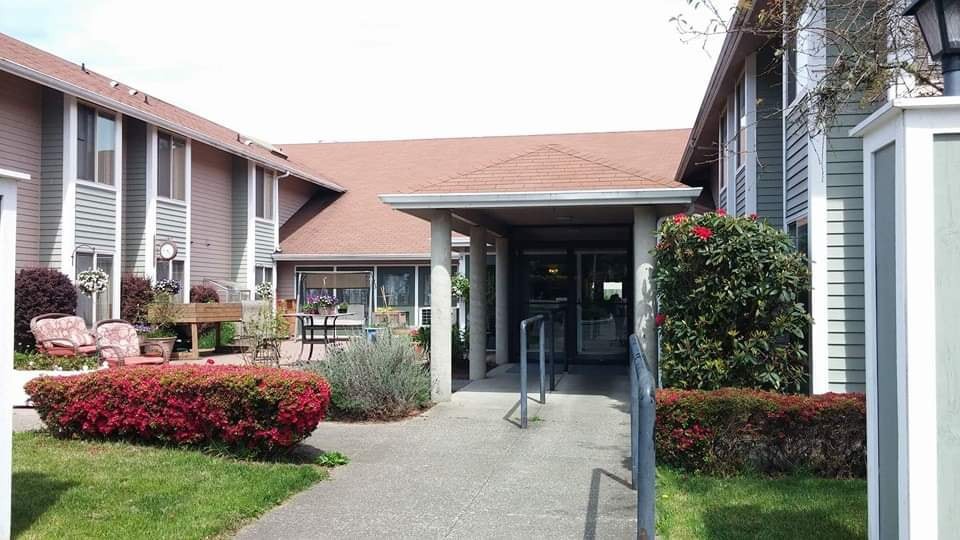






3500 9Th Street, Bremerton, WA 98312
For more information about senior living options: (866) 208-4318
Overall Review of Cypress Gardens Retirement Center
Pros
 The staff and residents are adoring and compassionate.
- The facility has a family-like atmosphere and feels welcoming to both those in need and staff.
- Cypress Gardens is the place to be.
- Caregivers treat each resident as if they were their own grandparents or parents.
- The staff are kind, caring, and respectful to all residents.
- Cypress Gardens is family-oriented and immediately feels like home.
- The staff are very helpful and responsive to residents' needs.
- The rooms are nice and clean.
Cons
 The staff were rude and wouldn’t provide any privacy during a visit.
Review
Cypress Gardens Retirement Center in Bremerton is best suited for seniors and families who prioritize a warm, family-like atmosphere and hands-on, attentive caregiving. The core appeal is a staff that residents and families describe as adoring, compassionate, and patient, with a sense that residents are treated like cherished family members. It works especially well for those who want daily living support, help with showers, medications, and laundry, delivered in a homey, social setting where staff are consistently described as kind, respectful, and deeply engaged with residents. The place earns its strongest endorsements from families seeking belonging, ongoing companionship, and a reassuring sense of safety in a low-stress environment.
That said, Cypress Gardens is not the right fit for everyone. A notable caveat is that the community appears to lean toward older seniors rather than younger adults with still-active independence or higher medical needs. A firsthand account notes a resident as young as 59 was told Cypress Gardens was not a fit, underscoring an admission dynamic that may exclude some younger-leaning or highly independent residents. Prospective families should be mindful of this admission reality and be prepared to seek alternatives if a newer, more age-diverse, or more clinically oriented setting is needed. Additionally, at least one visitor experience raises concern about privacy during a visit, highlighting that not all interactions with staff meet every family’s expectations for discretion and boundaries.
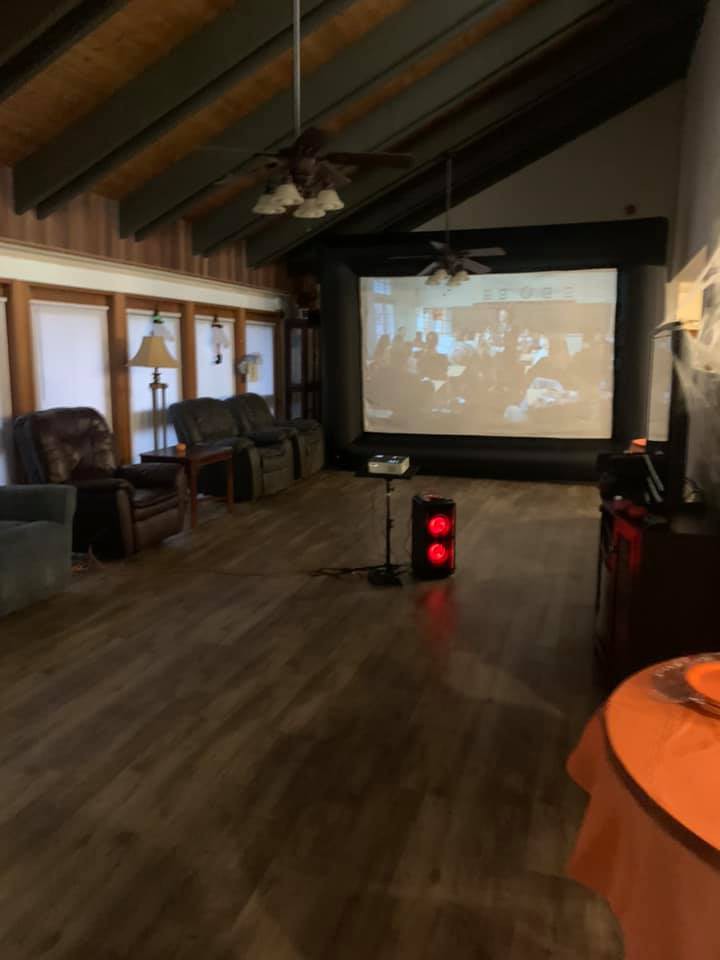
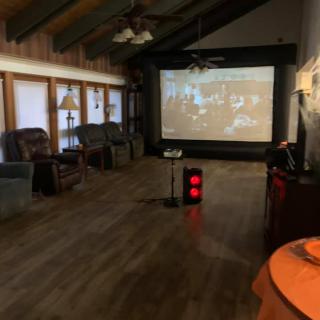
The strongest pros, explicitly cited as offsetting certain drawbacks, center on the human quality of care. Staff are repeatedly described as loving, patient, and genuinely invested in residents’ well-being, creating a genuinely home-like feeling that can ease transitions for both residents and families. The facility supports daily routines with practical help, assistance with bathing, medications, and laundry, while providing safety features such as alert buttons that function promptly. Social life rounds out the appeal: outings, a comfortable sitting area, television access, and regular activities like bingo help foster community and reduce isolation. Clean, serviceable rooms, even if more dormitory in character than private apartments, still contribute to a sense of order and comfort for many residents.
Those strengths do not erase meaningful drawbacks. The most persistent concerns involve interaction quality and privacy. One review describes a rude staff experience during a visit, a reminder that even the strongest caregiving teams can produce friction in moments that matter to families. Privacy during visits is a concrete area where expectations diverge; for some families this is a non-negotiable aspect of their caregiving plan. Additionally, the dorm-like room configurations may feel less dignified or comfortable for residents who want more private, apartment-style living. These factors can tilt the balance for families weighing Cypress Gardens against larger, more modern communities that emphasize private rooms, more formal privacy protocols, and perhaps more clinical oversight.
For the decision process, Cypress Gardens should be evaluated through a practical, stepwise lens. Families should plan multiple visits, preferably at different times, to observe how staff interact with residents and how shifts affect consistency of care. Ask about room options, including whether private or semi-private arrangements are available and how the dorm-style spaces translate into daily life. Inquire about meal quality, sample menus, and dining routines, even if one reviewer suggested foods are acceptable. Clarify Medicaid eligibility, financial arrangements, and whether the facility accommodates residents with varying levels of need, as the reported case of a Medicaid-driven admission illustrates a meaningful constraint in real-world choices. Finally, scrutinize the social calendar, transportation options, and the availability of preferred activities to ensure ongoing engagement aligns with the resident’s interests.
Bottom line: Cypress Gardens Retirement Center offers a compelling, warmth-forward environment where compassionate staff and daily living support create a strong sense of belonging. It serves best those who value close-knit, familial care, practical assistance, and an active social life within a smaller-community setting. It may disappoint families seeking privacy, modern apartment-style accommodations, or higher clinical acuity in a single package, or those with a younger-leaning or more independent resident profile. For families prioritizing a genuine, homey atmosphere and willing to accept dorm-like rooms and occasionally variable privacy, Cypress Gardens stands out as a thoughtful, well-intentioned choice worth pursuing with in-depth, direct conversations and multiple visits.
 65 resident community capacity
 Assisted Living
 Air-conditioning
 Beauty salon
 Cable or satellite TV
 Computer center
 Dining room
 Fitness room
 Fully furnished
 Gaming room
 Garden
 Housekeeping services
 Kitchenette
 Move-in coordination
 Outdoor space
 Private bathrooms
 Restaurant-style dining
 Small library
 Telephone
 Wellness center
 Wi-Fi/high-speed internet available
 Seattle-Tacoma International (18 miles away)
 Community operated transportation
 12-16 hour nursing
 24-hour call system
 Activities of daily living assistance
 Assistance with bathing
 Assistance with dressing
 Assistance with transfers
 Diabetes diet
 Medication management
 Mental wellness program
 Special dietary restrictions
 Concierge services
 Planned day trips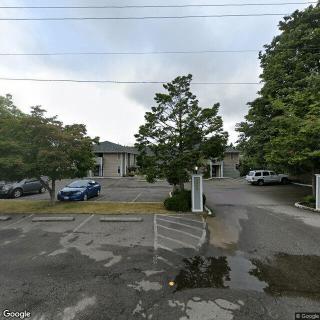








 Is Assisted Living Deductible on Your Taxes? Understanding the Complexities of Assisted Living Expenses and Deductions
 Assisted Living Support for Veterans: A Complete and Detailed Overview
 Exploring the Contrasts Between Assisted Living and Skilled Nursing