
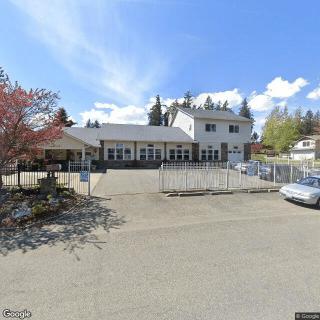
20815 60th Street East, Bonney Lake, WA 98391
To contact a resident: (253) 447-8306
For more information about senior living options: (866) 208-4318
Maple Point Adult Family Home Costs & Pricing
Maple Point Adult Family Home offers a private room at a competitive rate of $4,200 per month. This cost is notably lower than both the average rates in Pierce County, which sit at approximately $4,623, and the overall state average in Washington, currently around $4,772. By providing quality care in a more affordable setting compared to its regional counterparts, Maple Point presents an appealing option for families seeking supportive living arrangements that balance both care and cost-effectiveness.
| Floor plans | Maple Point Adult Family Home | Pierce County | Washington |
|---|---|---|---|
| Private | $4,200 | $4,623 | $4,774 |
Senior living communities with a similar price nearby
-
from -$200 / mo
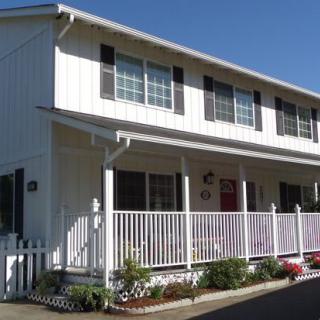
Meadow Crest Senior Home
$4,000 to $6,000 / month21.0 miles away -
from -$200 / mo

Riverton Home Care
$4,000 to $5,000 / month20.0 miles away -
from -$200 / mo
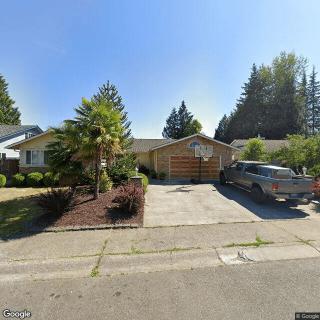
Gentle Care Home
$4,000 to $5,500 / month17.1 miles away -
from -$700 / mo

Twin Lakes Haven Adult Family Home
$3,500 to $8,000 / month12.8 miles away -
from -$700 / mo
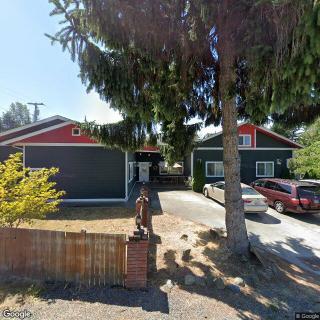
Valley Home Care
$3,500 / month17.0 miles away
Overall Review of Maple Point Adult Family Home
Pros
 Maple Point Adult Family Home is family-oriented and well run by the owner and staff.
- The owner is described as exceptional and goes above and beyond to meet residents' needs.
- Families feel fortunate to have Maple Point for their loved ones.
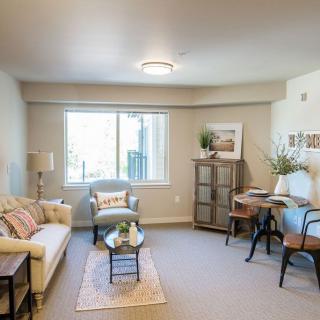
- The home-like atmosphere invites visits and feels like a home rather than a regimented facility.
- Maple Point serves excellent meals with fresh vegetables and fruit, and residents' rooms are clean.
- Maple Point is state licensed and shares inspection results with families, which have been positive.
Cons
 The Maple Point manager is described as hostile and cruel to her clients.
- She sleeps the shift while stealing the insurance money.
- She feeds clients garbage and is a thief who won’t use soap on clients to save money.
- The owner is described as a druggie and a sleaze-ball who puts up quite a front.
- A disgruntled employee is said to cause problems by spreading untruthful things about the family home.
Review
Maple Point Adult Family Home in Bonney Lake is best suited for families seeking a small, home-like setting where personalized attention and close relationships with the caregiver are the core of daily life. The community leans into a familial, non-clinic atmosphere, with the owner and primary caregiver, Stephanie, actively shaping daily routines, meals, and visits. For seniors who thrive on regular family involvement, transparent communication, and a sense of “home,” this setting can feel like a steadying presence in aging well. The facility’s state-licensing and emphasis on a warm, nurturing environment provide a reliable foundation for ongoing, intimate care.
Those who should consider alternatives are families prioritizing a more structured, clinical, or memory-care–specific program. If a resident requires high medical acuity, 24/7 on-site nursing supervision, or a formal memory-care milieu with specialized safety protocols, Maple Point may not deliver the level of medical oversight some cases demand. Likewise, if a broader, more professionalized administrative aesthetic and a larger staff footprint are essential, a bigger assisted-living community could be a better fit. For families with heightened concerns about staffing reliability or documentation, it’s prudent to compare with other licensed facilities that offer different staffing models and oversight structures.
The strongest positives here center on authenticity, accessibility, and daily warmth. Residents benefit from a genuinely home-like milieu, where meals are described as fresh and well-prepared, rooms stay clean, and the atmosphere invites regular family visits. Owners and staff are portrayed as deeply committed, with consistent praise for compassion, attentiveness, and a willingness to go “above and beyond” to meet needs. The open-door policy regarding inspections adds a layer of reassurance for families who want ongoing visibility into quality controls. In short, Maple Point delivers a reassuring sense of stability and personal connection that family members value highly.
The most significant red flag in the mix is a dramatic, unverified negative claim about management, including accusations of hostility, theft, and neglect. That single, highly charged account sits against multiple, consistently positive testimonials about caretaker warmth and home-like care. The discrepancy demands careful due diligence: investigate licensing records, request direct conversations with current families, and consider visiting to assess the environment and staff interactions firsthand. This is not dismissed; it is a signal to verify safety practices, staff training, and governance before relying on the home as the sole care solution. prudent steps ensure any decision rests on current, firsthand impressions.
When the pros align with a family’s priorities, personalized attention, high accessibility of the owner, and a setting that feels like a true home, Maple Point offsets potential drawbacks through proximity, transparency, and daily warmth. The potential con of management-related concerns can be mitigated by direct engagement: meet the owner, ask for recent inspection results, review care plans, and speak with current residents’ families about their ongoing satisfaction. For those who prize intimate, caregiver-led attention and a welcoming, homey dining and living environment, Maple Point is a strong, practical choice that consistently delivers what matters most: trust, familiarity, and ongoing, compassionate care.
Bottom line: Maple Point is a pragmatic fit for families valuing intimate, home-style care with a stable caregiver presence and open communication. It may not satisfy families needing intensive clinical oversight, memory-care specialization, or a larger, more impersonal facility footprint. Prospective residents should prioritize tours, request current care plans, verify licensing history, and seek corroborating references before deciding. If those checks affirm the strengths described by frequent supporters, Maple Point offers a compelling blend of heart, accessibility, and dependable day-to-day care that can meaningfully support aging in place with dignity.
 Board and Care Home
 Cats allowed
 Dogs allowed
 Activities off-site
 Bath tubs
 Beautician on-site
 Indoor common areas
 Outdoor common areas
 Private
 Private bathrooms
 Respite or short term stays offered
 Wheelchair accessible showers
 Seattle-Tacoma International (19 miles away)
 Diabetic care
 High acuity care
 Incontinence care
 Medication management
 Kosher



 Caring for Those Who Care: Recognizing, Understanding, and Overcoming Caregiver Burnout
 Caregiver Exhaustion: Recognizing the Signs and Restoring Your Well-Being
 Understanding Hospice Care at Home: Comprehensive Services, Key Benefits, and Eligibility