

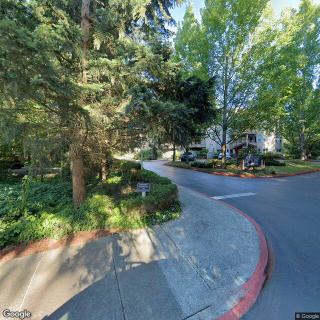
503 171 St PL NE, Bellevue, WA 98008
To contact a resident: (425) 644-8544
For more information about senior living options: (866) 208-4318
Mountain View Adult Family Home Costs & Pricing
Mountain View Adult Family Home offers competitive pricing for its accommodations, with both private and semi-private rooms priced at $4,000 per month. This rate is notably lower than the average costs in King County, where private room rates reach approximately $5,034 and semi-private options are around $4,430. Furthermore, compared to state averages in Washington, which stand at $4,772 for private rooms and $4,267 for semi-private ones, Mountain View provides an appealing alternative that balances affordability with quality care. This makes it a desirable option for families seeking cost-effective solutions without compromising on the standard of living for their loved ones.
| Floor plans | Mountain View Adult Family Home | King County | Washington |
|---|---|---|---|
| Private | $4,000 | $5,034 | $4,774 |
| Semi-Private | $4,000 | $4,430 | $4,272 |
Senior living communities with a similar price nearby
-
from -$500 / mo
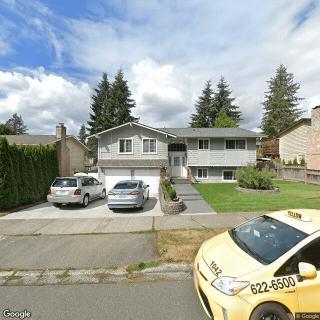
Dignity Life
$3,500 / month16.1 miles away -
from -$625 / mo
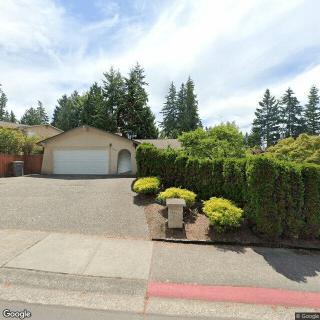
Evergreen Manor Senior Care Inc
$3,375 to $7,500 / month6.2 miles away -
About the same
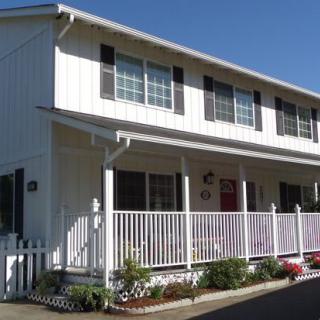
Meadow Crest Senior Home
$4,000 to $6,000 / month8.0 miles away -
About the same

Riverton Home Care
$4,000 to $5,000 / month12.6 miles away -
About the same
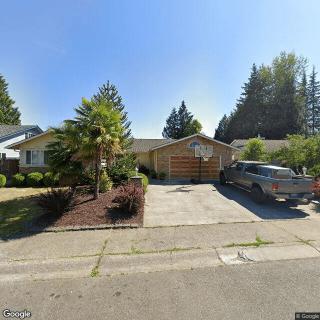
Gentle Care Home
$4,000 to $5,500 / month11.3 miles away
Overall Review of Mountain View Adult Family Home
Pros
 The AFH is great and loving for those who are cared for.
- The staff provides personalized attention to each resident.
- Staff communicates regularly with families, ensuring they are informed and involved.
- Medina Lakeview AFH offers quality, dignity, and heartfelt care for loved ones.
- The owner of Mountain View AFH is a wonderful, loving, and kind caregiver who acts in residents’ best interests.
- Mountain View AFH prepares healthy meals with plenty of fruits and vegetables.
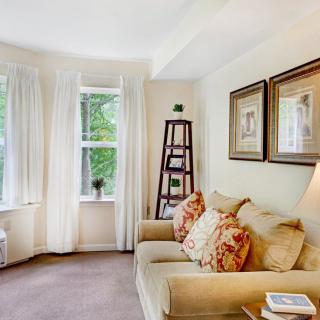
- Residents at Mountain View AFH have a beautiful view and comfortable private spaces.
- Caregivers have extensive experience and promptly address concerns, keeping families well informed.
- The home coordinates health care with doctors who make monthly house calls to support residents.
Review
Mountain View Adult Family Home in Bellevue is best suited for families seeking an intimate, home-style setting where a loved one can receive highly personalized, one-on-one attention. This community shines for seniors who thrive on consistent caregiver contact, clear and frequent family communication, and a routine that feels like a private household rather than a distant institution. The combination of a lake-and-mountain view, a private room with its own bathroom, and the sense of belonging to a small, caring family greatly reduces anxiety for families that want real involvement in daily care. It is ideal for those who place a premium on stability, predictability, and a warm, homelike atmosphere over a larger campus experience.
Those who may want to consider alternatives include seniors with high-acuity medical needs or memory-care requirements that demand constant, on-site clinical oversight or specialized programming. A larger assisted living community with a formal medical staffing model, more extensive on-site therapies, or a dedicated memory-care unit could be a better fit for residents needing intensive oversight or more varied, structured activities. Families seeking a broad calendar of social events, a wide array of on-site amenities, or immediate access to hospital-grade facilities may find a bigger operation more suitable. In short, this home delivers big on personal attention but is less likely to mirror the medical depth and breadth of larger facilities.
The core advantages here are compelling enough to offset potential drawbacks for the right resident. The owner-operators bring decades of caregiving experience, ensuring that decisions feel in the best interest of each resident. Regular, transparent updates to families foster trust and reduce worry, while the one-on-one care model keeps daily routines tightly aligned with individual needs. Nutritious, home-cooked meals, often with homemade bread, are not afterthoughts but a focal point of daily life, with meals tailored to accommodate multiple diets. Peace of mind comes from consistent communication, immediate responsiveness to concerns, and the sense that health concerns are reviewed collaboratively with families and visiting physicians.
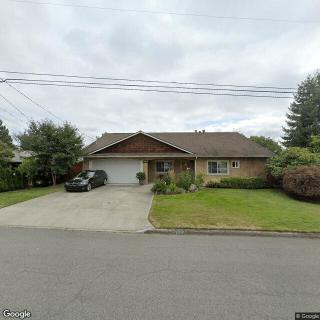
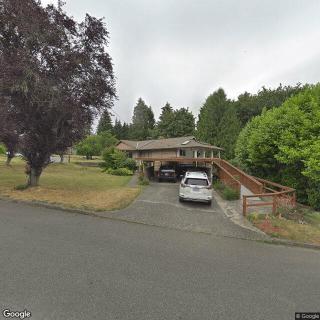
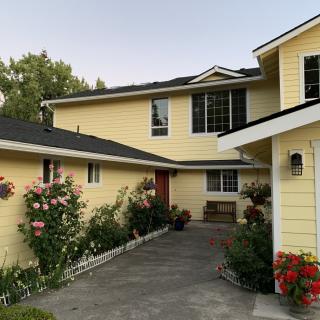
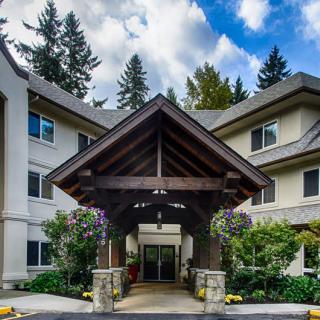
Environment and care delivery further distinguish Mountain View AFH. The home setting is described as warm and welcoming, with a private room for the resident and a private bathroom, plus the comfort of being part of the caregivers’ family circle. The daily rhythm benefits from a small, cohesive team, staff with substantial experience who monitor for issues and relay information promptly. The on-site doctor, who makes monthly house calls and works with caregivers on medication and health concerns, helps bridge the gap between private home care and clinical oversight, preserving continuity of care without requiring repeated hospital visits. The combination of a picturesque setting, a sense of belonging, and reliable, proactive communication makes this option feel safe and dependable for families prioritizing relationship-based care.
That blend of personal attention and medical attentiveness can create a powerful value proposition, particularly for seniors who want to avoid the impersonal feel of larger communities. Families gain transparent visibility into daily routines, health updates, and meal planning, along with the assurance that care is guided by long-tenured caregivers who treat residents like family. However, it is prudent to acknowledge that the intimate, small-scale model may not provide the breadth of services or community life found in bigger facilities. For residents who crave constant clinical support on-site, robust organized activities, or a wide network of peers with diverse interests, alternatives will likely feel more fulfilling.
In practical terms, families evaluating Mountain View AFH should plan a focused visit to observe staffing, assess the resident’s fit with the caregiving style, and confirm the continuity of care during absences or emergencies. Confirm the level of medical oversight available on a daily basis, understand how the doctor’s monthly visits are coordinated, and discuss how med management and health concerns are escalated. It is also wise to explore social opportunities inside and outside the home, the frequency of family gatherings, and the ease of coordinating with outside providers. For many, the decision rests on embracing an exceptionally personal, compassionate home atmosphere while accepting that a small setting may not replicate the full spectrum of services offered by larger facilities.
 Board and Care Home
 Activities off-site
 Bath tubs
 Devotional services on-site
 Indoor common areas
 Outdoor common areas
 Private
 Private bathrooms
 Respite or short term stays offered
 Wheelchair accessible showers
 Seattle-Tacoma International (15 miles away)
 Diabetic care
 High acuity care
 Incontinence care
 Medication management
 Kosher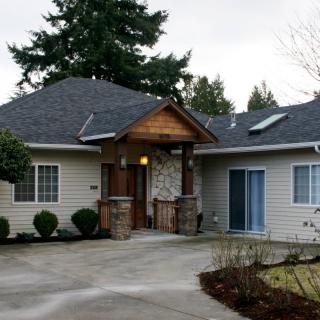


 Recognizing the Journey: Understanding and Navigating Anticipatory Grief
 Encouraging Participation in Adult Day Care: A Guide to Supporting a Hesitant Parent
 Comprehensive Exploration of Living Wills and Other Advance Directives