

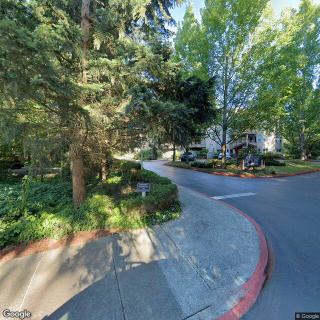
16218 NE 4th Street, Bellevue, WA 98008
To contact a resident: (425) 208-6861
For more information about senior living options: (866) 208-4318
Grace Home Care Costs & Pricing
At Grace Home Care, the monthly costs for various room types reflect a competitive pricing strategy within both King County and the broader state of Washington. For semi-private accommodations, Grace Home Care charges $4,500, slightly above King County's average of $4,430 but below the state average of $4,267. A one-bedroom option is available at $5,000, which is marginally lower than the King County average of $5,127 but notably higher than the state's typical rate of $4,632. When it comes to private rooms, Grace Home Care again matches its price of $5,000 with that of one-bedroom options while remaining slightly below King County's average of $5,034 and above Washington's general price point of $4,772. Overall, Grace Home Care positions itself competitively in a market marked by varying costs across room types and locations.
| Floor plans | Grace Home Care | King County | Washington |
|---|---|---|---|
| Semi-Private | $4,500 | $4,430 | $4,272 |
| 1 Bedroom | $5,000 | $5,127 | $4,634 |
| Private | $5,000 | $5,034 | $4,774 |
Memory care communities with a similar price nearby
-
from -$500 / mo

Riverton Home Care
$4,000 to $5,000 / month12.3 miles away -
from -$500 / mo
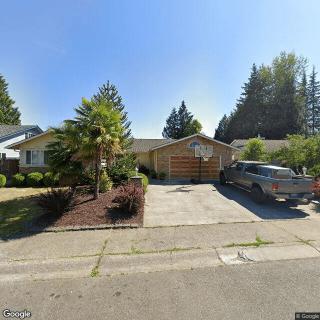
Gentle Care Home
$4,000 to $5,500 / month11.3 miles away -
About the same
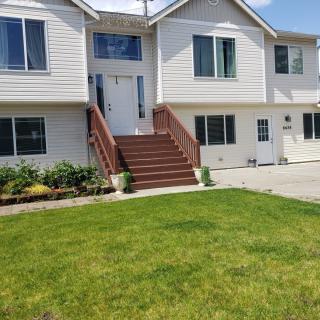
We Care Adult Family Home
$4,500 to $8,000 / month23.5 miles away -
from +$500 / mo

Peace and Pleasant Care Adult Family Home II
$5,000 to $6,000 / month16.5 miles away -
About the same
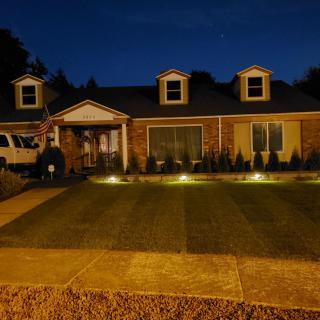
A Serenity AFH
$4,500 to $6,000 / month22.2 miles away
Overall Review of Grace Home Care
Pros
 The community is very clean.
- They put effort into meals and dining service.
- They keep residents up and walking and take them outside when weather permits.
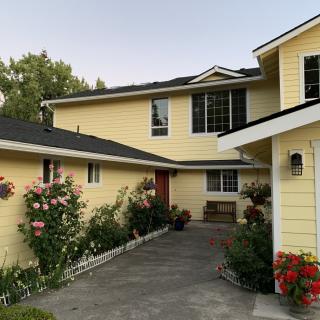
- The facility feels lovely, homey, and clean.
- The caregivers at Grace Home Care are attentive.
- The food is homemade.
- The home takes residents on outings.
- The care home is highly recommended.
Review
Grace Home Care in Bellevue is best suited for seniors who prize a warm, home-like setting where cleanliness and personal attention trump a large, campus-style atmosphere. It works well for families that value steady routines, gentle supervision, and ongoing encouragement to stay active without the clinical feel of bigger communities. Residents who respond well to intimate care, frequent caregiver contact, and the comfort of a house-like environment will likely settle in quickly. The emphasis on a calm, predictable day-to-day experience, paired with homemade meals and regular outdoor time, makes this option especially attractive for those who want a familiar, low-key living arrangement rather than a sprawling retirement campus.
Those with needs that extend beyond everyday support should consider alternatives. If a fully structured activity calendar, a broad slate of on-site outings, or advanced medical oversight is non-negotiable, Grace Home Care may fall short. Families seeking memory-care specialized programming, robust rehabilitative services, or highly scheduled social programming will want to evaluate options that offer a more formalized routine. And if a resident requires frequent clinical monitoring or a wider array of on-site therapeutic services, a larger assisted living or dedicated memory-care community could deliver the medical-social mix more consistently.
On balance, the positives are meaningful and translate into daily life you can feel. The home environment is clean and inviting, with a genuine house-like atmosphere that reduces the sense of institutional care. Meals are described as homemade, contributing to comfort and familiar flavors. Caregivers are attentive, providing consistent oversight and a personal touch that supports dignity and safety. The staff also prioritizes mobility, routinely encouraging residents to get up, walk, and enjoy time outdoors when weather permits. Outings to different places broaden experiences beyond the walls, adding social contact and a sense of exploration that larger campuses sometimes miss.
Those strengths soften the most significant drawback, the activity program not yet up and running. In a smaller, intimate setting, caregivers can tailor engagement to individual interests, delivering one-on-one conversations, gentle exercise, and spontaneous outings that fit a resident’s rhythm. The combination of a clean, home-like environment, homemade meals, and proactive staff can deliver reliable quality of life even without a fully developed calendar of group events. In practice, the ongoing emphasis on outdoor time and mobility means residents stay connected to the community and maintain daily purpose, which often matters more than the presence of a structured activity schedule.
Nevertheless, the absence of a robust program may leave some residents craving a broader social repertoire. If a resident thrives on daily group activities, peer-led programs, and predictable, scheduled events, Grace Home Care may feel limited. Prospective families should probe how much daily life relies on staff-driven activities versus resident-led or spontaneous outings. The intimate environment can be a strength, but it also means fewer on-site venues and less variety than larger facilities. These considerations should be weighed against the comfort, cleanliness, and individualized attention already evident.
In summary, Grace Home Care is a solid choice for families prioritizing cleanliness, homemade meals, and close caregiver relationships within a home-like atmosphere. It is especially suitable for residents who respond well to personalized attention, regular outdoor activity, and staff who know them well. Alternatives are worth exploring for those who need a highly structured activity calendar or more formalized medical oversight. A thoughtful visit should include observing daily routines, speaking with caregivers about planned activities, and confirming meal options and outing schedules to ensure alignment with the loved one’s preferences and care needs.
 Board and Care Home
 Memory Care
 Cats allowed
 Dogs allowed
 Activities off-site
 Beautician on-site
 Devotional services off-site
 Indoor common areas
 Outdoor common areas
 Private
 Private bathrooms
 Respite or short term stays offered
 Wheelchair accessible showers
 Seattle-Tacoma International (14 miles away)
 Diabetic care
 High acuity care
 Incontinence care
 Medication management
 Kosher


 8 Important Indicators That Memory Care May Be Necessary
 Delving into the Inner World of Dementia: Insights into Thoughts and Awareness
 Five Subtle Dementia Indicators to Observe: An In-Depth Guide to Understanding “Does My Mom Have Dementia?”