Dining is frequently described as a strong part of daily life.
Several residents and family members highlight meal quality, describing the food as good, delicious, or excellent. A recurring detail is that residents enjoy dining and that the dining experience feels higher-end rather than institutional. One review also specifically mentions multi-meal day preparation and holiday dining for families, adding to the sense that meals are a built-in routine.
common6 reviews mention this
Activities keep residents engaged
Residents often describe plenty of activities and outings.
Many reviewers point to a steady flow of things to do, including scheduled activities and enrichment. Several describe residents staying active, participating in groups, or enjoying social time rather than sitting in rooms. A couple of reviews also mention specific kinds of programs such as art, music, exercise, outings, and movie nights.
differentiator8 reviews mention this
Memory care support and programming
Memory care receives strong, ongoing support
Reviewers using or describing memory care describe care that helps residents stay settled and supported day to day. Multiple reviews mention Alzheimer’s or memory care specifically, with families emphasizing caregivers who understand residents and help them remain active when possible. Several also refer to a dedicated memory care setting that includes structured programming and an enriched social environment.
common6 reviews mention this
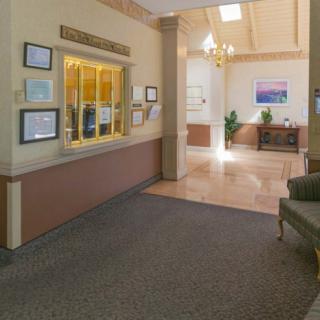
The facility is kept very clean
Cleanliness stands out as a consistent positive
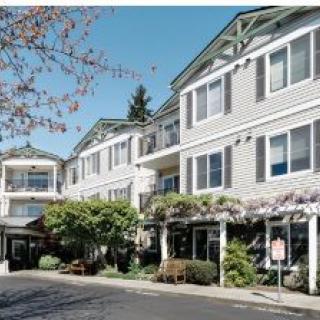
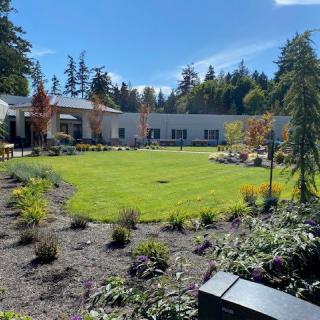
More than one reviewer emphasizes that the community is kept extremely clean and well maintained. Families describe it as professional and clean, and mention cleanliness along with comfort and careful attention to keeping the environment pleasant. One review also notes that even during challenging periods, the facility continues to provide a safe, cared-for space.
How we summarize
Counts show how many written reviews mention each theme; a review can touch several themes, and only frequently mentioned themes are displayed.
Features
Housing
58 resident community capacity
Types of Care
Assisted Living
Memory Care
Amenities
Air-conditioning
Beauty salon
Cable or satellite TV
Computer center
Dining room
Fitness room
Fully furnished
Gaming room
Garden
Housekeeping services
Kitchenette
Move-in coordination
Outdoor space
Private bathrooms
Restaurant-style dining
Small library
Telephone
Wellness center
Wi-Fi/high-speed internet available
Transportation
Seattle-Tacoma International (17 miles away)
Community operated transportation
Transportation arrangement
Transportation arrangement (non-medical)
Transportation to doctors appointments
Care Services
12-16 hour nursing
24-hour call system
24-hour supervision
Activities of daily living assistance
Assistance with bathing
Assistance with dressing
Assistance with transfers
Diabetes diet
Meal preparation and service
Medication management
Mental wellness program
Mild cognitive impairment
Special dietary restrictions
Specialized memory care programming
Dining
Diabetes diet
Special dietary restrictions
Activities
Community-sponsored activities
Concierge services
Fitness programs
Planned day trips
Resident-run activities
Scheduled daily activities
Nearby Places of Interest
Pharmacies
Walgreens (0.5 miles)
Safeway Pharmacy (0.5 miles)
Walgreens (5.2 miles)
Agate Dreams (5.5 miles)
CVS Pharmacy (5.7 miles)
Bartell Drugs (5.7 miles)
Walgreens (6.1 miles)
Physicians
Integrated Wellness Center (0.9 miles)
Peninsula Oral Surgery (5.9 miles)
The Visual Connection (6.3 miles)
Kitsap Eye Physicians (6.4 miles)
CHI Franciscan Family Medicine Clinic (6.5 miles)
Long, Kira Harrison Healthpartners Thoracic and Vascular Surgery (6.6 miles)
The Manette Clinic (6.7 miles)
Parks
Battle Point Park (3 miles)
Fay Bainbridge Park (4.2 miles)
Ballard Playfield (6.4 miles)
Manette Playfield (6.5 miles)
Blake Island State Park (7.2 miles)
Kerry Park (7.5 miles)
Emma Schmitz Memorial Overlook (7.7 miles)
Restaurants
McDonald's (5.2 miles)
Palisade (6.1 miles)
Salt & Straw (6.5 miles)
The Walrus And The Carpenter (6.7 miles)
Stoup Brewing (7.1 miles)
Molly Moon's Homemade Ice Cream (7.4 miles)
Marination Ma Kai (7.5 miles)
Cafes
Uptown Espresso (5.6 miles)
Ugly Mug Café & Coffee Roasters (6.6 miles)
Cafe Mox (6.7 miles)
Starbucks (6.9 miles)
Caffe Vita - KEXP - Seattle Center (7.8 miles)
Lighthouse Roasters (7.8 miles)
Milstead & Co. (8 miles)
Hospitals
Upper Cervical Health Centers Of America (7.6 miles)
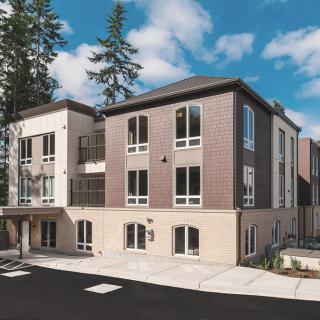
Madrona House's comprehensive features are designed to support residents with dementia and Alzheimer's disease by addressing their specific daily needs and enhancing their quality of life. Assistance with dressing and bathing promotes dignity while ensuring residents maintain personal hygiene and comfort, which can be challenging due to cognitive decline. Medication management ensures that residents adhere to their prescribed regimens, minimizing health risks associated with missed doses. Meal preparation and service cater to nutritional requirements while accommodating individual preferences, fostering a sense of normalcy during meals. Activities of daily living assistance, including help with transfers, allows residents to navigate their environment safely, reducing the risk of falls. The 24-hour supervision provides constant monitoring for safety, while specialized memory care programming targets cognitive engagement through tailored activities that stimulate memory and social interaction. Additionally, the mental wellness program supports emotional health, addressing the psychological impacts often associated with cognitive impairments such as mild cognitive impairment, thereby creating an environment conducive to well-being and connection.
Nearby Communities
Madrona Assisted Living, LLC
Bainbridge Island, WA
4.2 from 51 reviews
$3,600 to $5,000 / month
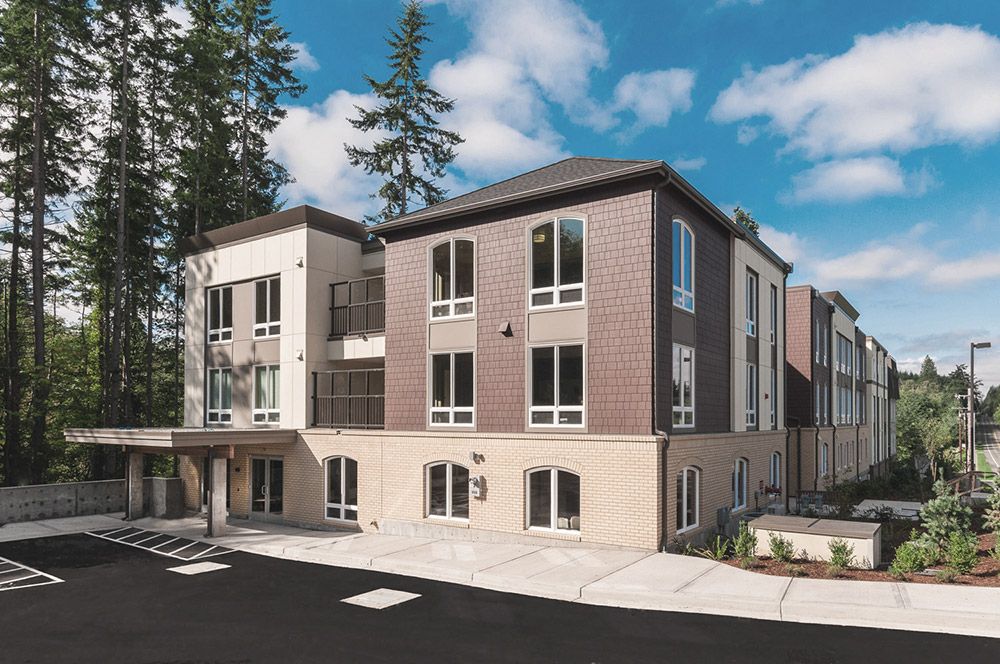
Caring, attentive staff; attractive, well-maintained facility with high-quality dining and engaging activities.
Bailey Manor 2
Bainbridge Island, WA
4.5 from 4 reviews
$6,500 / month
Caring staff and a warm, welcoming environment.
Bainbridge Island Health & Rehab Center
Bainbridge Island, WA
4.7 from 43 reviews
Wide range of amenities and 24/7 supervision supporting safety and social engagement.
Wyatt House Retirement Center
Bainbridge Island, WA
4.8 from 34 reviews
$3,500 to $5,600 / month
Friendly, attentive staff in a warm, social, home-like setting.
Serenity Group Home Inc
Bainbridge Isle, WA
Serene setting with close access to parks, pharmacies, and a physician.
Madison Avenue Retirement Center
Bainbridge Island, WA
4.6 from 26 reviews
$3,800 to $4,800 / month
Caring, professional staff with attentive, personalized care and strong family communication.
Fieldstone Rolling Bay and Fieldstone Memory Care
Bainbridge Island, WA
5 from 26 reviews
$5,750 to $8,895 / month
Compassionate staff, inviting common areas, secure courtyard, and robust memory-care programs with engaging activities.
Ashley Gardens of Bremerton
Bremerton, WA
4.5 from 17 reviews
$3,600 to $4,800 / month
Clean, safe environment with an effective admissions/orientation process and well-received meals.
Ballard Landmark
Seattle, WA
4.3 from 61 reviews
$4,010 to $6,160 / month
Friendly, attentive staff; active social calendar and strong amenities in a convenient Ballard location.
Dementia leads to cognitive impairment and can cause emotional and behavioral changes, including aggression that arises from frustration, confusion, or fear. Effective coping strategies for caregivers include understanding dementia's nature, recognizing triggers, using empathetic communication, and employing non-pharmacological interventions like music and art therapy.
Dementia causes cognitive decline and challenging behaviors that caregivers must manage, necessitating an understanding of the neurological basis of these issues. Effective strategies and self-care for caregivers can enhance support for those with dementia and improve their daily lives.
The content outlines five key early indicators of dementia, including significant memory loss and confusion about time and place, while emphasizing the need for professional evaluation and emotional support for both individuals showing symptoms and their caregivers. It encourages family members to monitor these signs closely and use online quizzes for initial awareness.
Get PricingAsk A QuestionSchedule A TourContact Senior Advisor
By clicking submit, you agree to our Partner's Terms of Use. You
also consent to receive calls and texts, which may be autodialed, from our Partner. Your consent is not a condition to
using our Partner's service. Please visit our Partner's Privacy Policy for information about their privacy practices.



 58 resident community capacity
 Assisted Living
 Memory Care
 Air-conditioning
 Beauty salon
 Cable or satellite TV
 Computer center
 Dining room
 Fitness room
 Fully furnished
 Gaming room
 Garden
 Housekeeping services
 Kitchenette
 Move-in coordination
 Outdoor space
 Private bathrooms
 Restaurant-style dining
 Small library
 Telephone
 Wellness center
 Wi-Fi/high-speed internet available
 Seattle-Tacoma International (17 miles away)
 Community operated transportation
 12-16 hour nursing
 24-hour call system
 Activities of daily living assistance
 Assistance with bathing
 Assistance with dressing
 Assistance with transfers
 Diabetes diet
 Medication management
 Mental wellness program
 Special dietary restrictions
 Concierge services
 Planned day trips
 Caring, attentive staff; attractive, well-maintained facility with high-quality dining and engaging activities.
 When Dementia Sparks Anger and Aggression: Understanding the Connection and Ways to Cope
 Dementia Behaviors: In-Depth Understanding and Effective Coping Strategies
 5 Early Indicators of Dementia and What You Can Do