
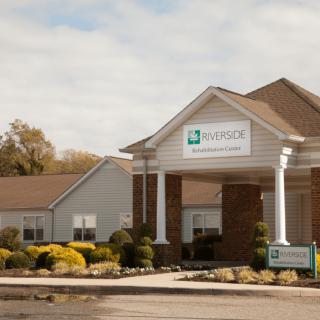
20 Delfae Dr, Warsaw, VA 22572
To contact a resident: (804) 313-2400
For more information about senior living options: (866) 208-4318
Northern Neck Senior Care Community Costs & Pricing
At Northern Neck Senior Care Community, the monthly costs for accommodation reflect a premium compared to both Westmoreland County and the broader state of Virginia. For a studio room, residents can expect to pay $3,672, which is significantly higher than the county average of $2,441 but lower than the state average of $4,436. Similarly, a one-bedroom unit comes at a cost of $3,828 - again above Westmoreland County's average of $2,652 yet below Virginia's statewide figure of $4,257. These pricing dynamics suggest that while Northern Neck offers a competitive option within its local context, it provides value through potentially enhanced services or amenities that may justify the higher costs relative to county averages.
| Floor plans | Northern Neck Senior Care Community | Westmoreland County | Virginia |
|---|---|---|---|
| Studio | $3,672 | $2,441 | $4,436 |
| 1 Bedroom | $3,828 | $2,652 | $4,257 |
Overall Review of Northern Neck Senior Care Community
Pros
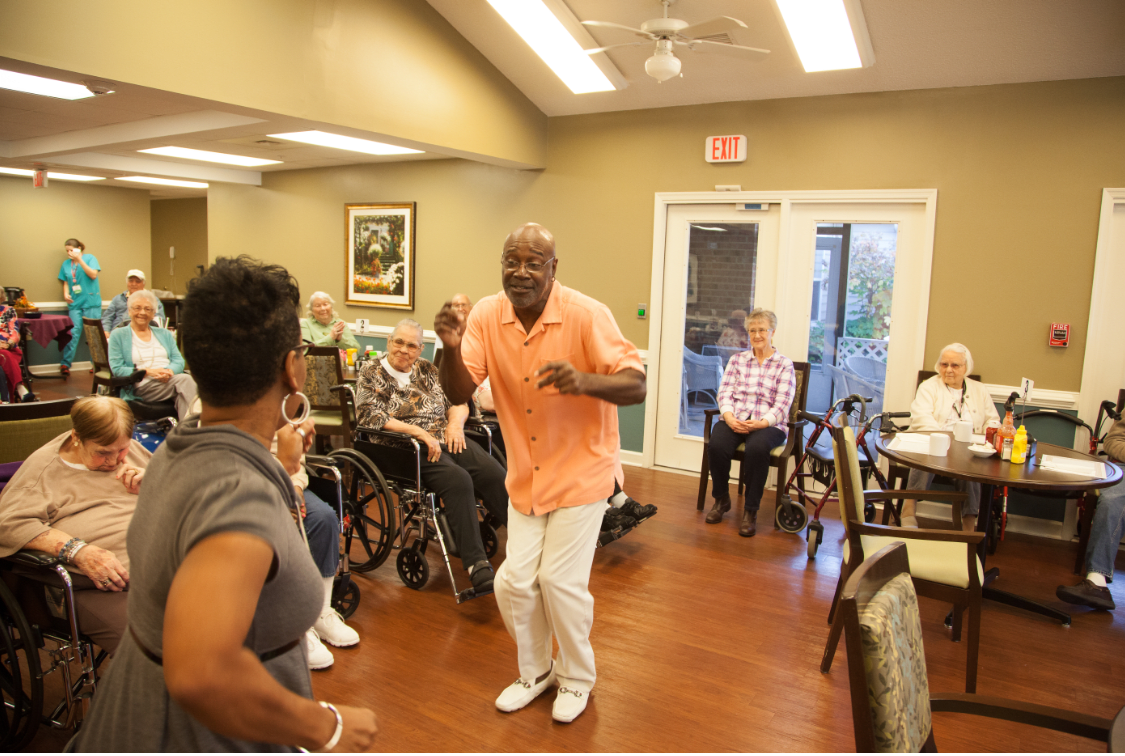
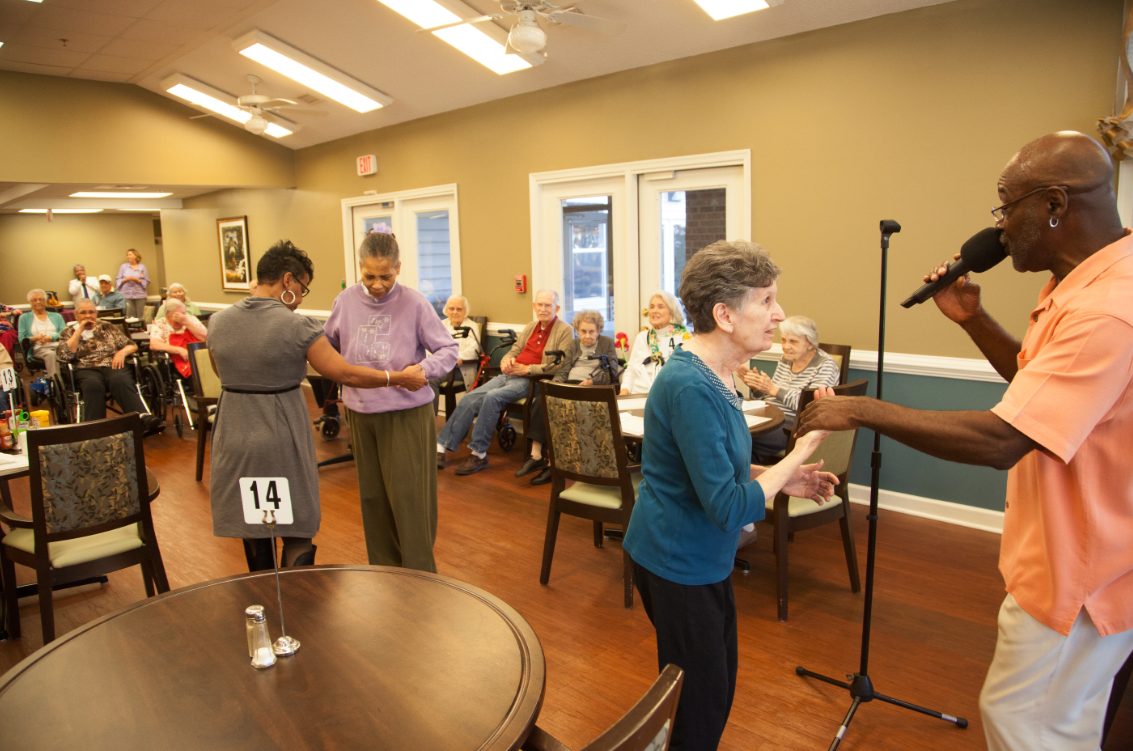
 The lady handling activities is wonderful.
- They would recommend Northern Neck to people in the area (Warsaw and Tappahannock).
- The cleanliness is great and the environment is well maintained.
- Most of the staff members are really nice.
- The staff is wonderful, helpful, and caring.
- The nurses and aides are excellent and very attentive.
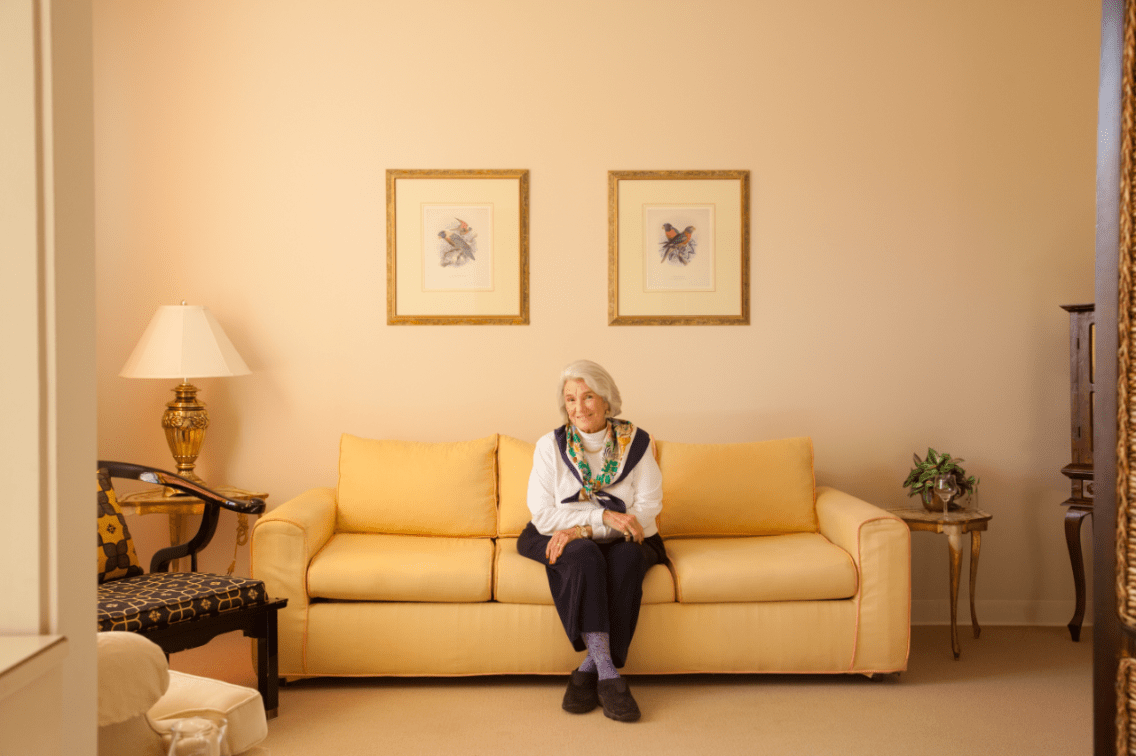
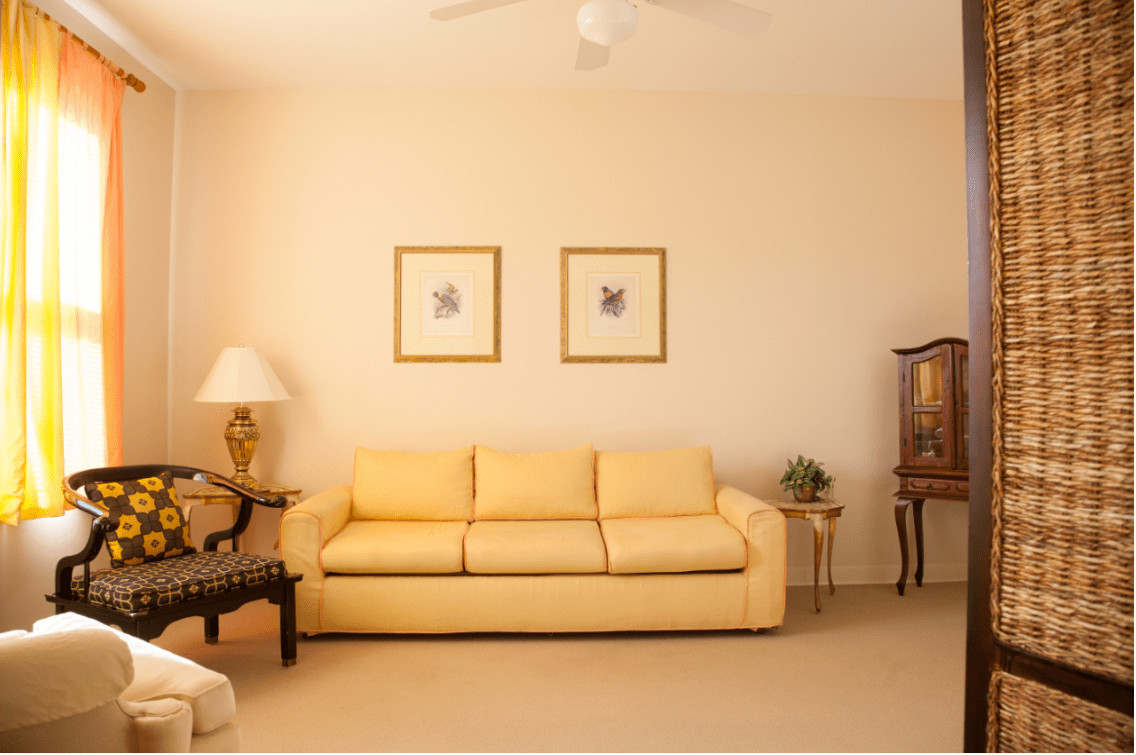
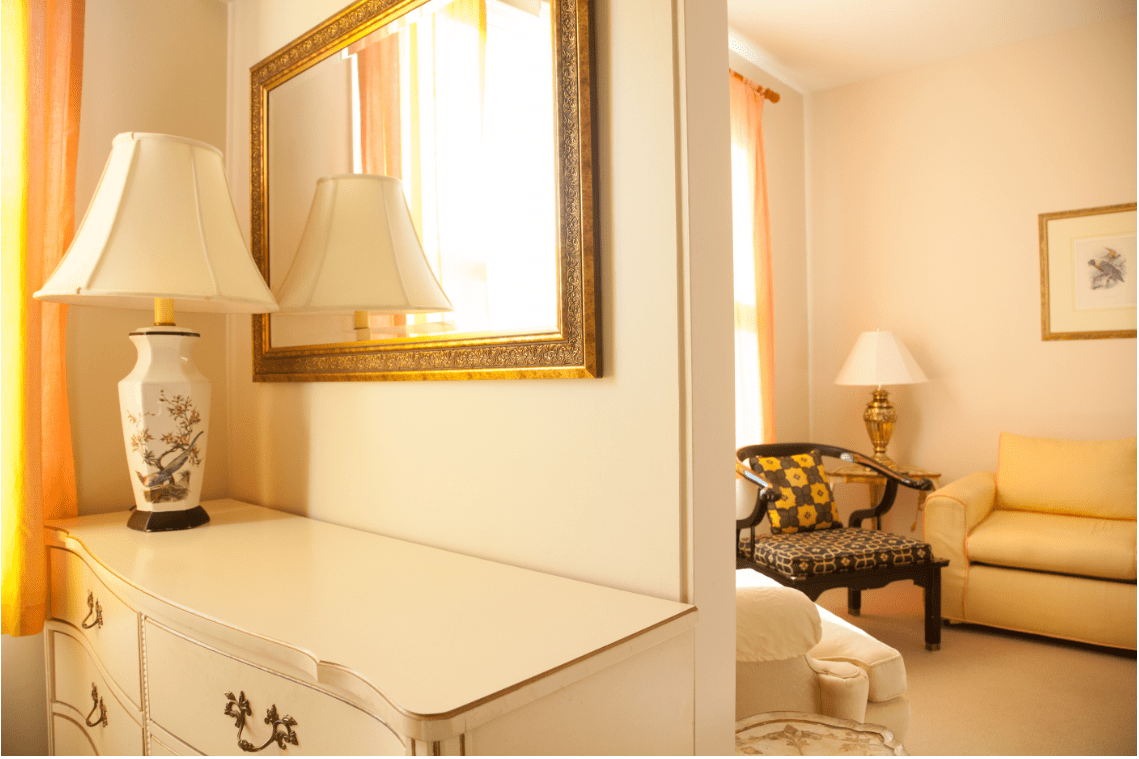
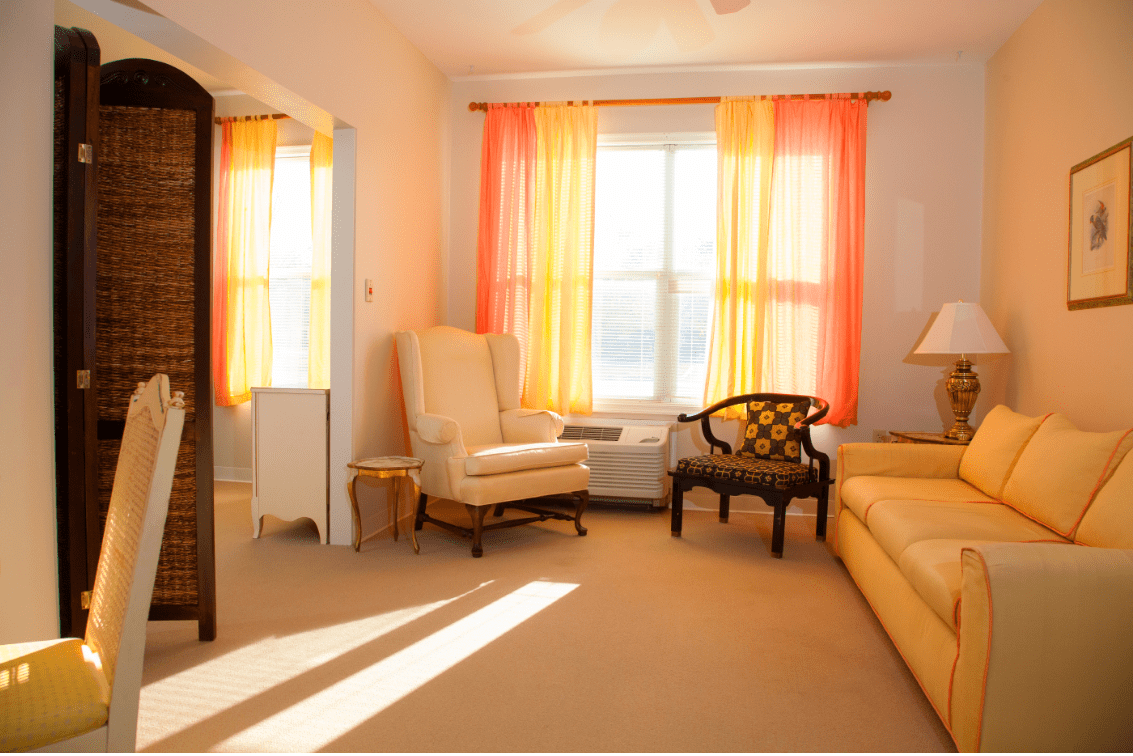
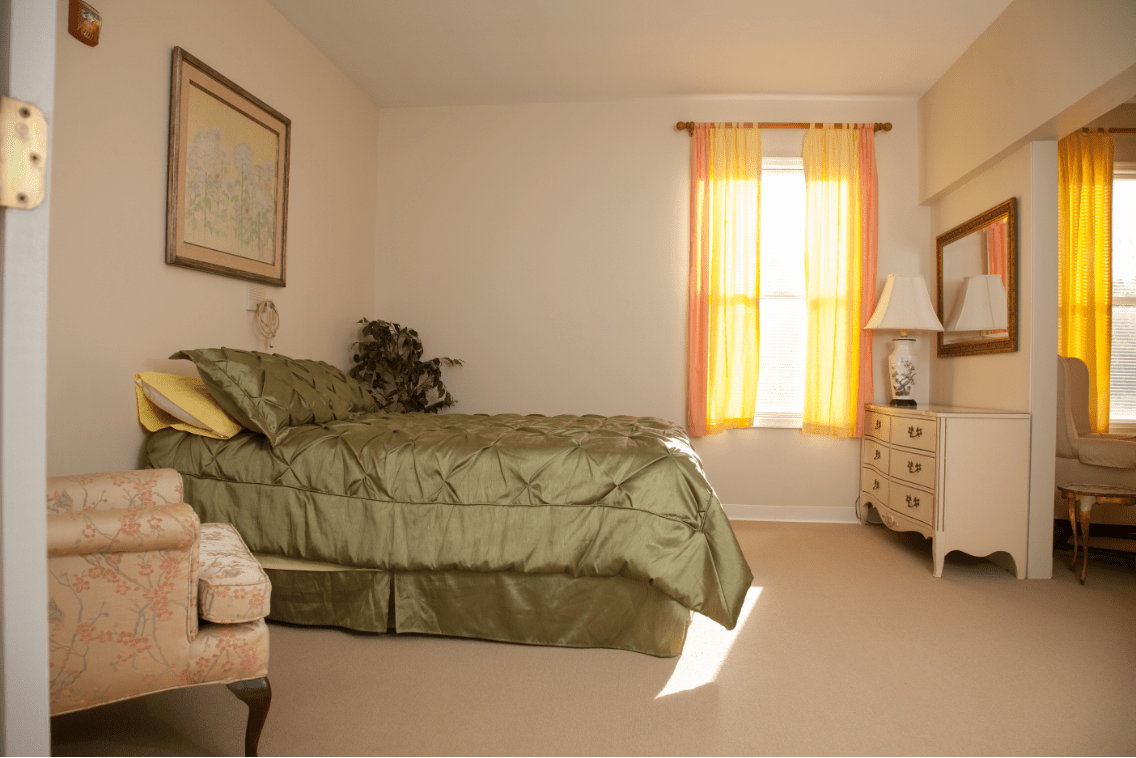
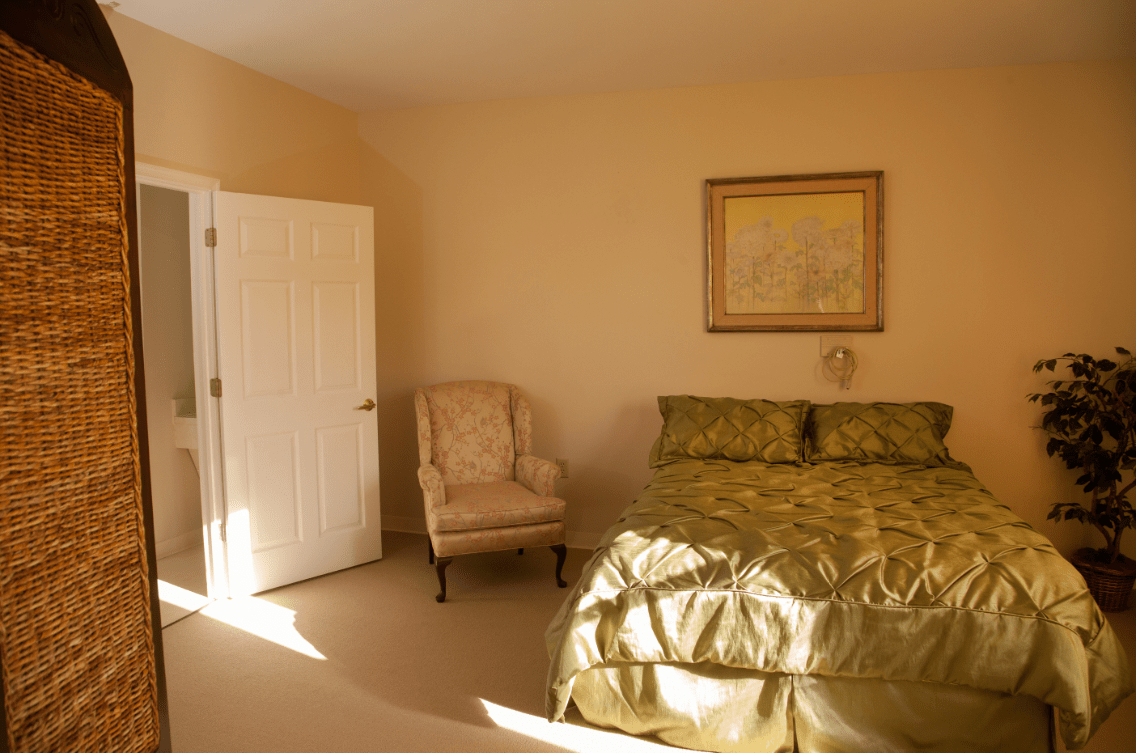
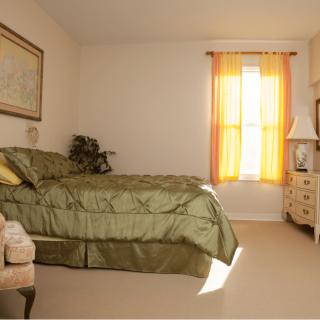
- The living spaces feel like small apartments with thoughtful design.
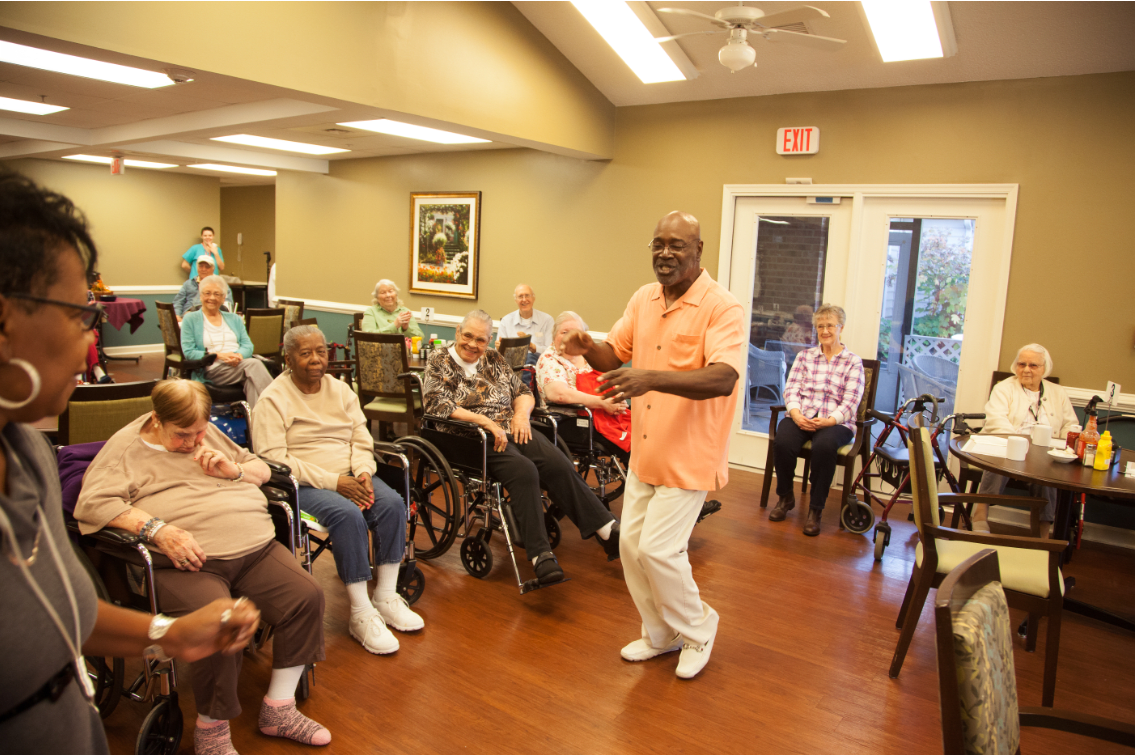
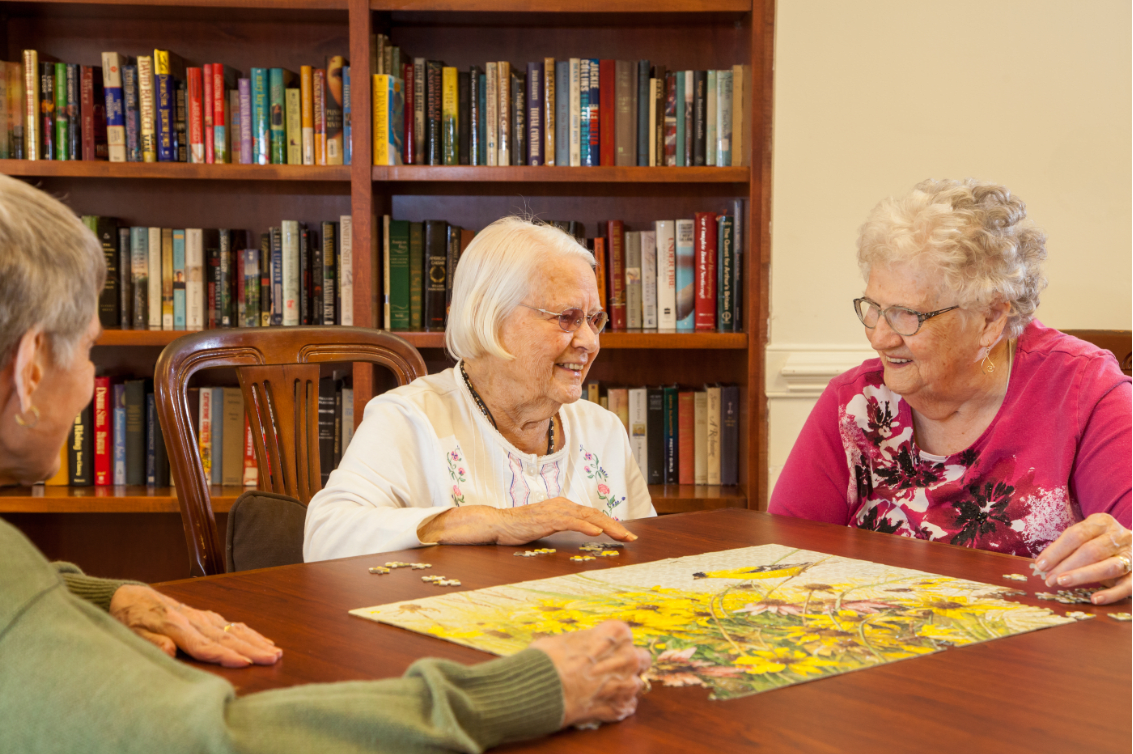
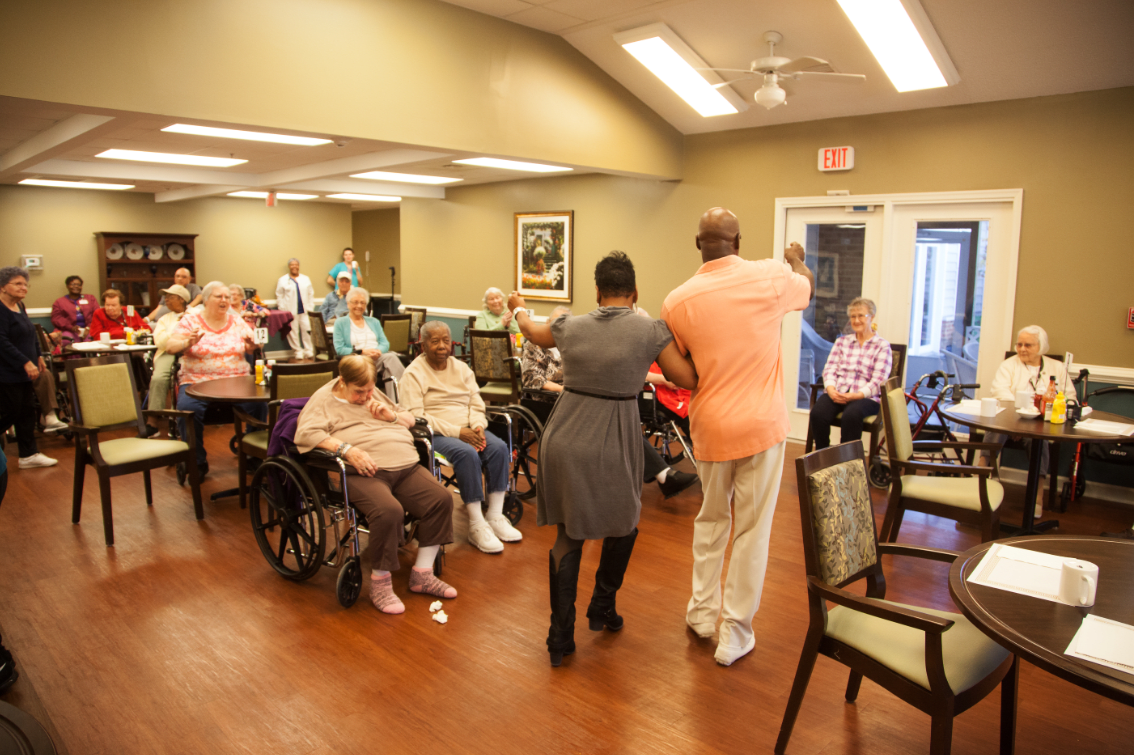
- There are daily activities that keep residents engaged and socially connected.
- The administration and staff show compassionate care toward residents.
Cons
 The reviewer warned to avoid the outside assistant, claiming she took advantage of the parents and charged weekly cash payments.
- The administrator was described as being only interested in the staff, not the residents.
- The reviewer noted that the response time was not the best, with families needing to send numerous messages and emails.
- The stay was described as an awful experience—a nightmare—characterized by unbelievable incompetence, negligence, indolence, and a comedy of errors.
- The room provided upon arrival was an old storage space with leftover furniture that should have been removed.
- The staff did not respond to the call button and spent time at the nurses’ desk instead of doing their jobs.
- There was said to be no leadership, responsibility, or accountability.
- The medication was forgotten, such as the Warfarin pill, which could cause serious harm.
- The food was described as so bad that it could not be identified.
Review
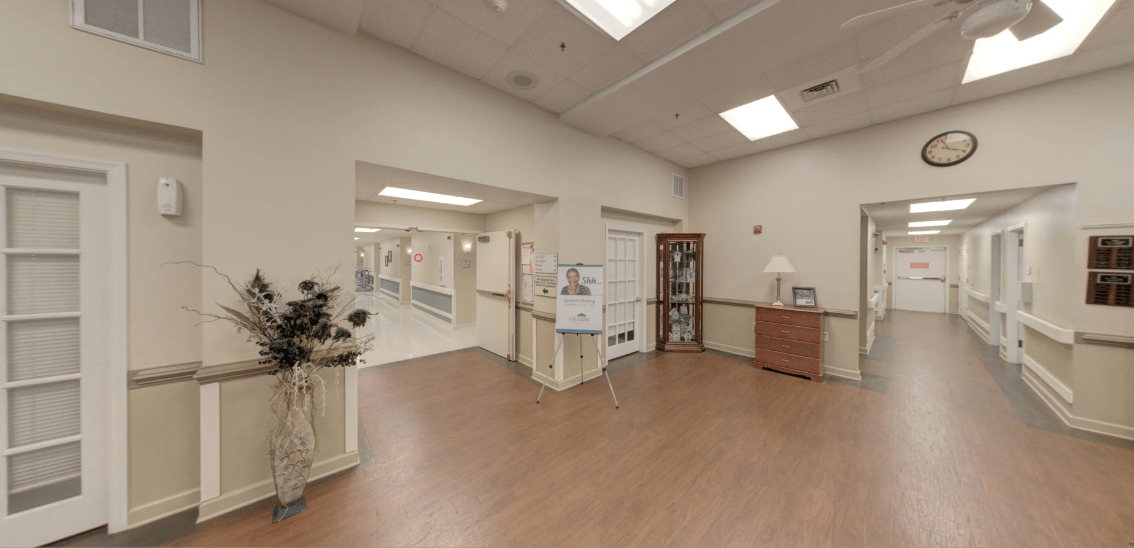
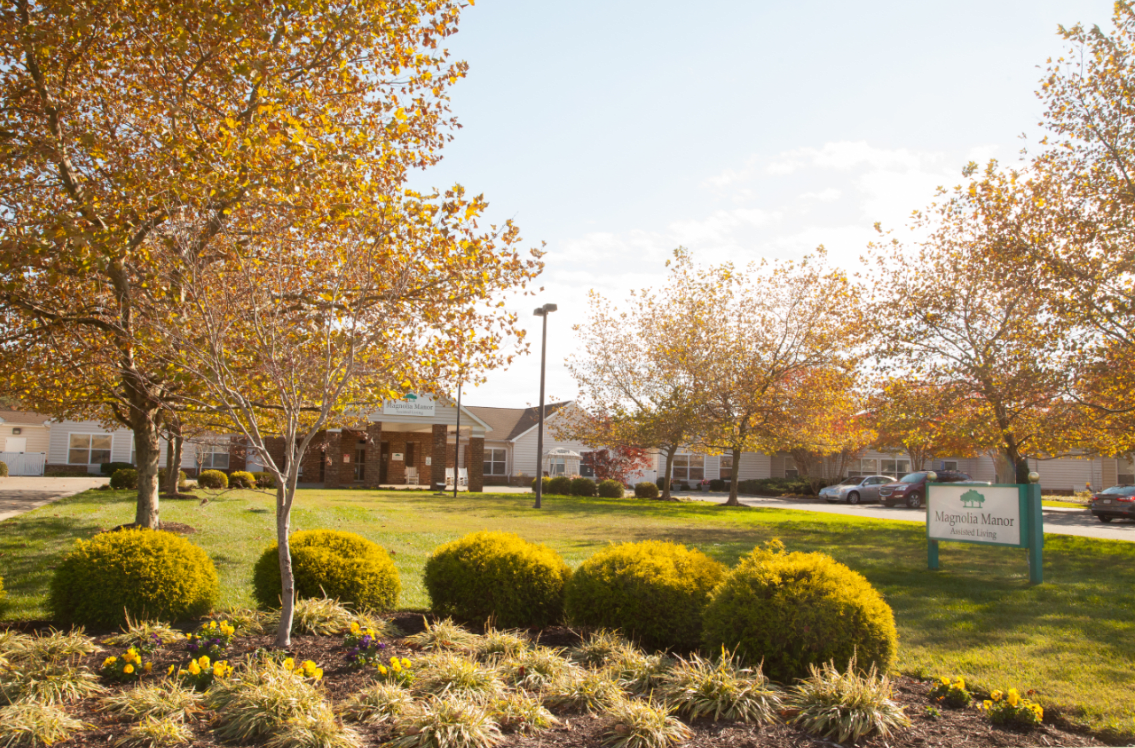
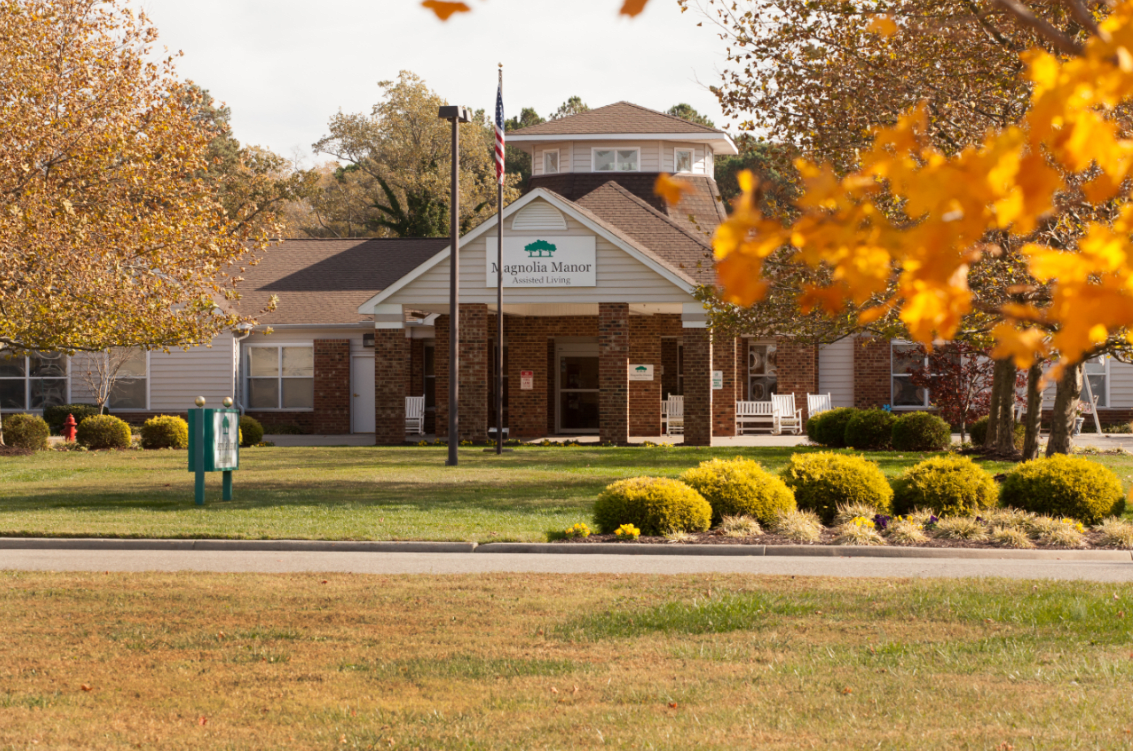
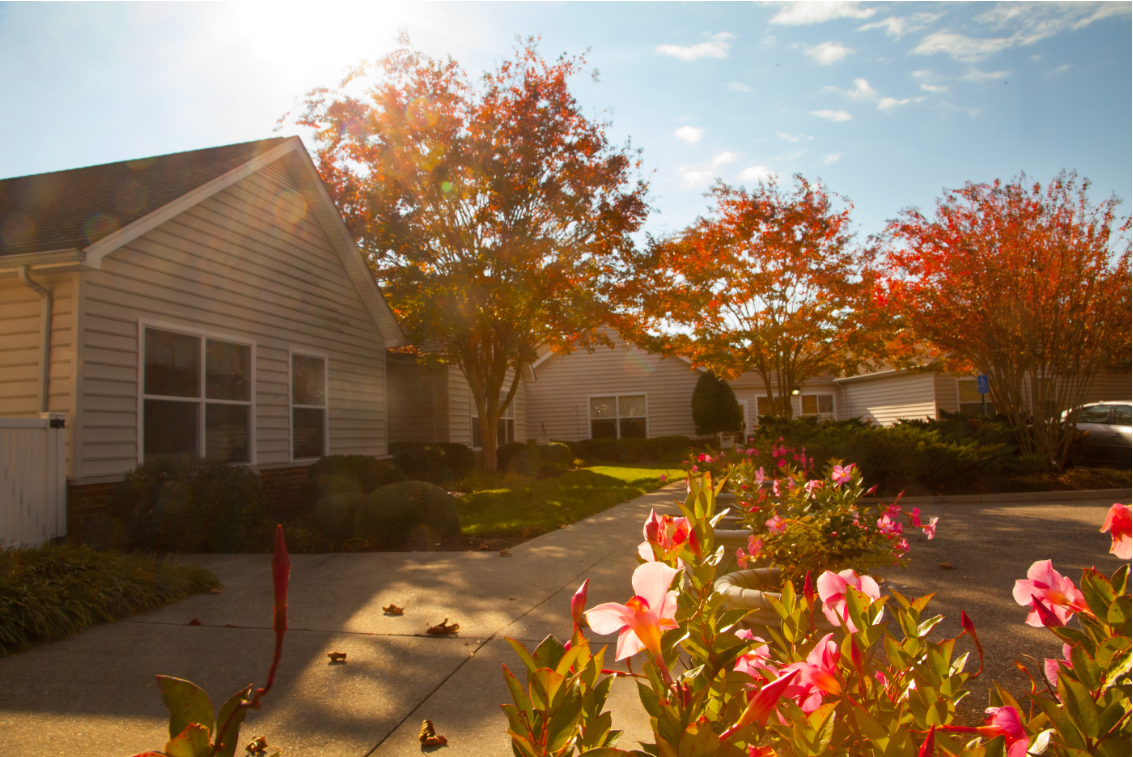
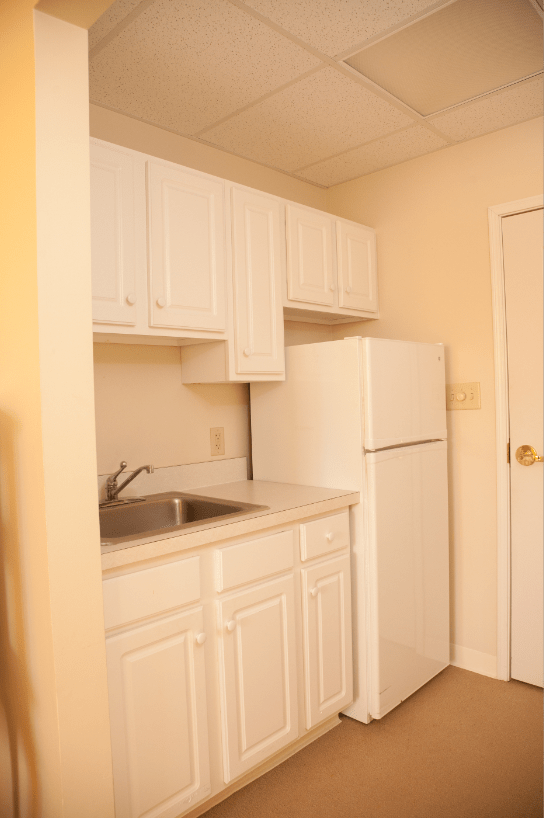
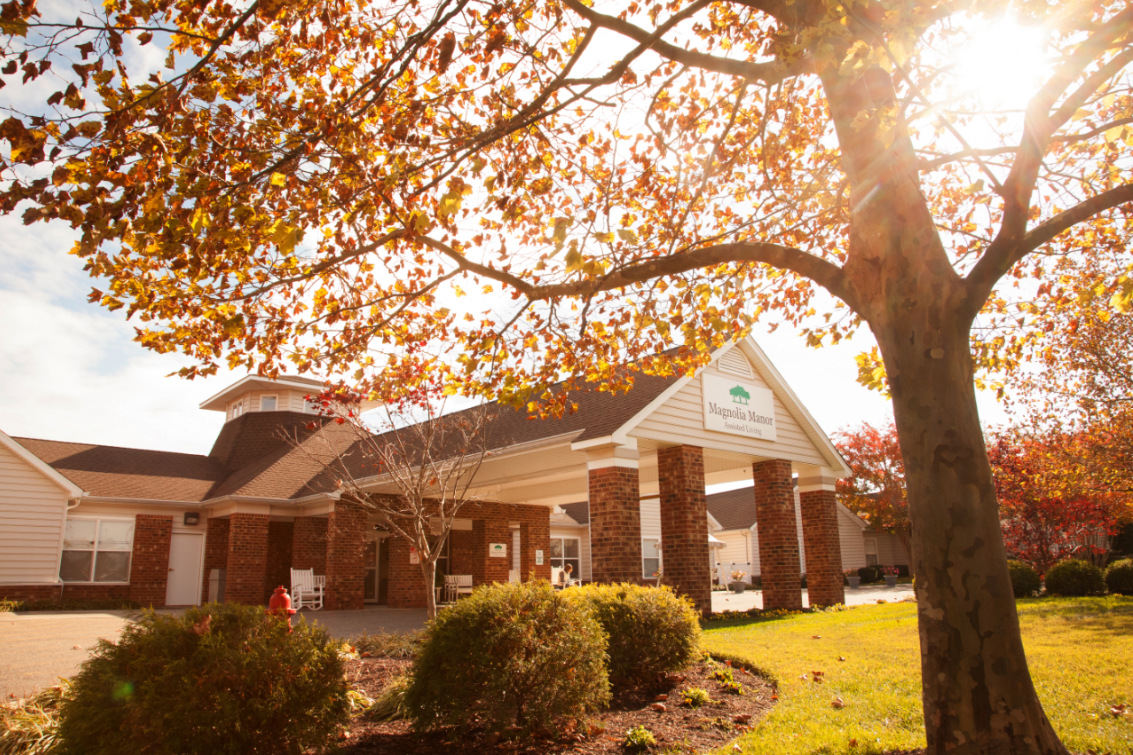
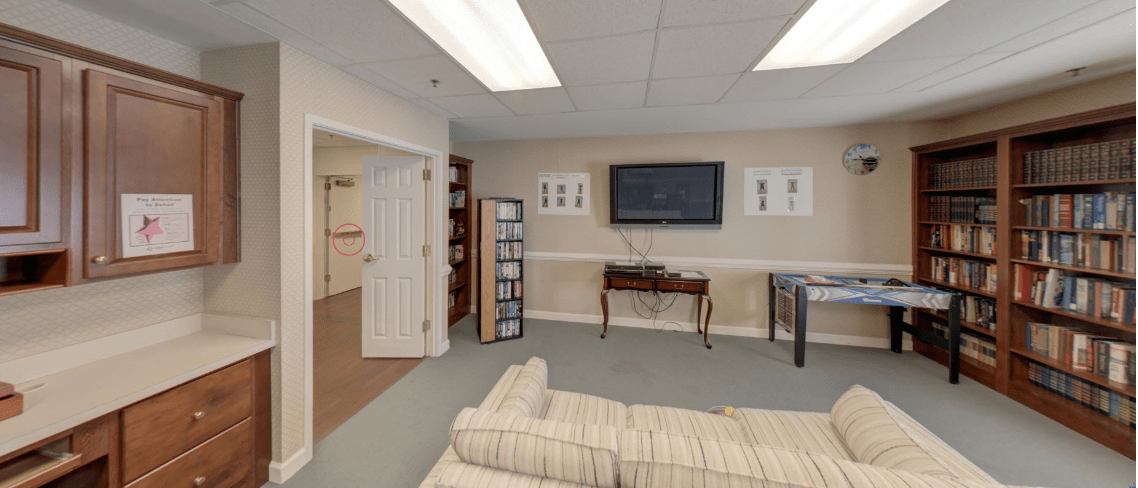
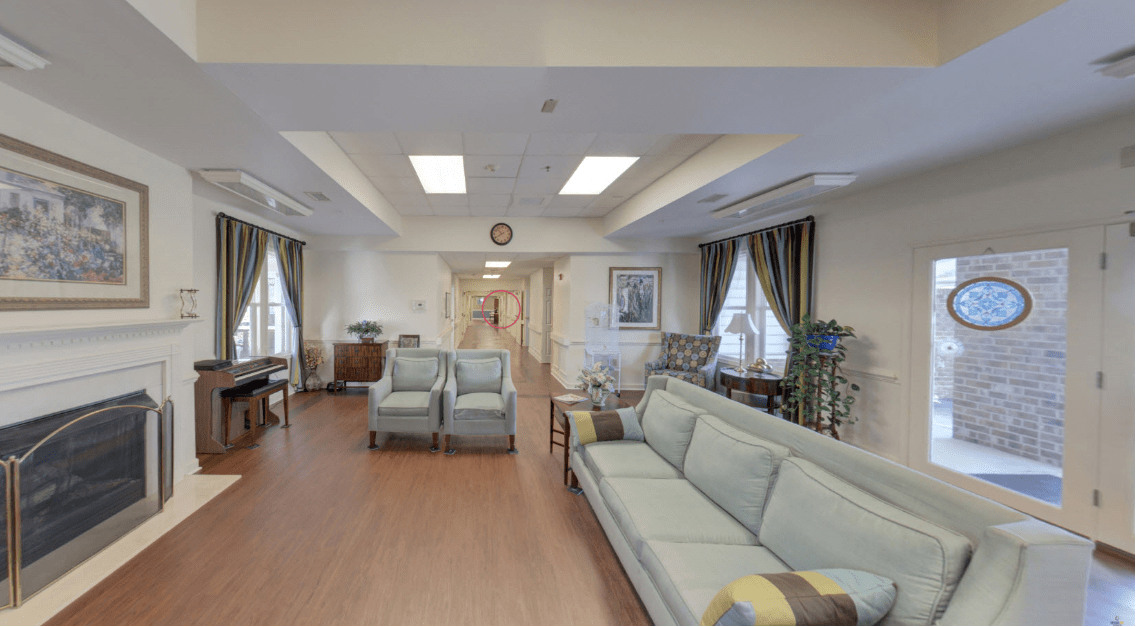
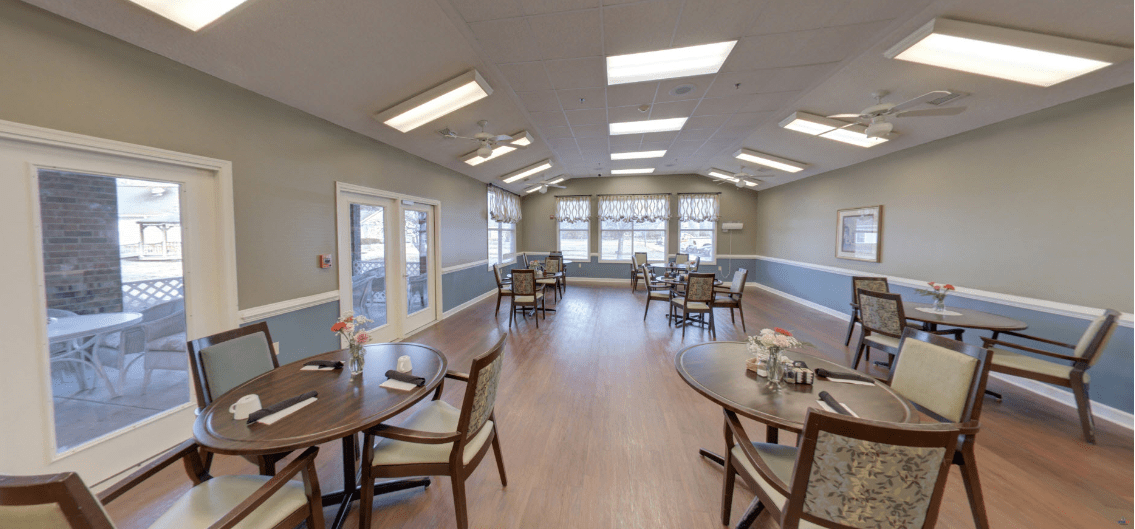
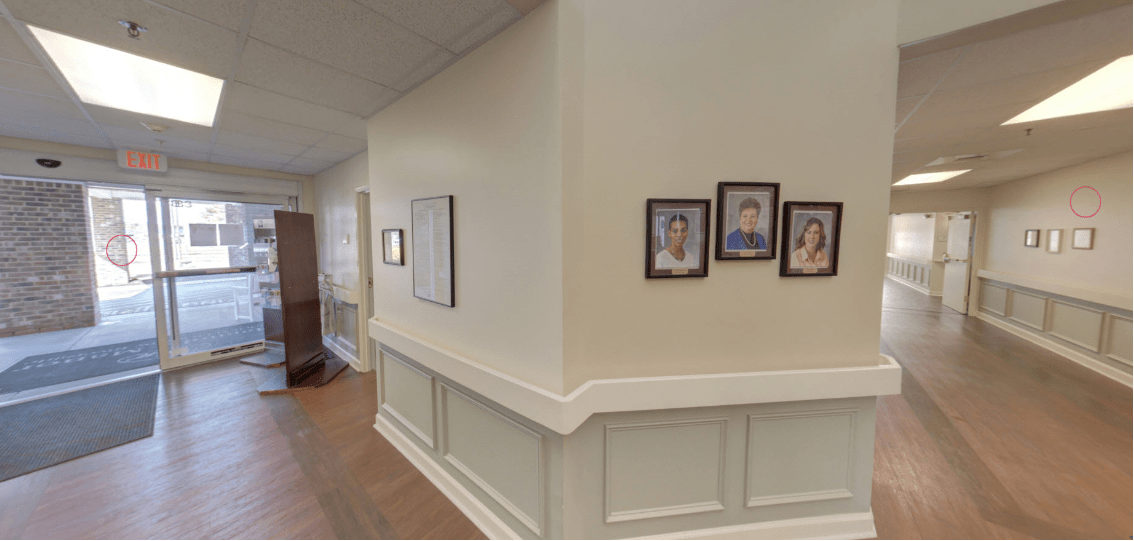
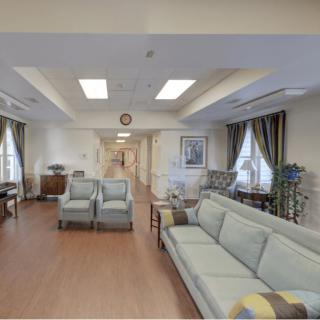
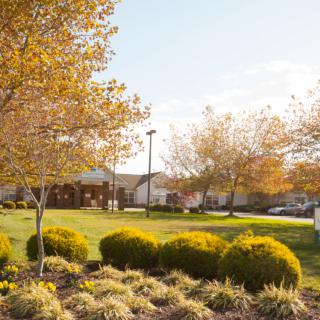
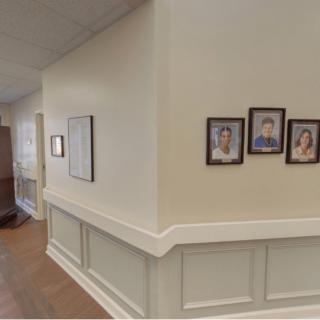
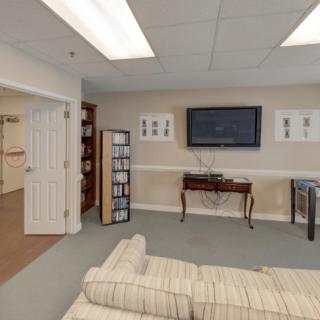
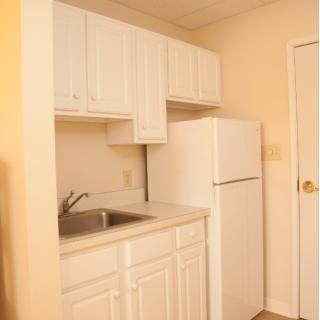
Northern Neck Senior Care Community in Warsaw, Virginia is best suited for seniors who want a bright, active, home-like environment with apartment-style living and a strong emphasis on social programming. The campus supports semi-private and private accommodations, with options that include living rooms and kitchenettes that feel more like a hotel- or country-club setting than a clinical hall. Cleanliness is consistently noted, and residents who thrive on routine activities, companionship, and organized outings will find a cadence that keeps them engaged without a sense of institutional dullness.
Those who should consider alternatives are families facing high medical acuity or complex healthcare needs that demand constant skilled nursing oversight. Several reviews flag weekend staffing gaps and concerns about whether leadership consistently prioritizes residents over staff considerations. A troubling sign appears when an outside assistant, unrelated to the facility’s payroll, was involved in payments, raising questions about governance and safety. For families where rapid call-bell responses, precise medication management, and unwavering accountability are non-negotiables, it is prudent to explore other communities with stronger clinical oversight and explicit safeguarding policies.
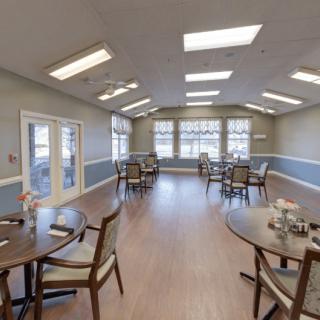
On the upside, the warmth of the staff and the property’s upkeep stand out as core strengths. Reviewers repeatedly highlight attentive nurses and aides, approachable administrators, and a social director who actively keeps residents involved in daily activities, outings, and group events. The dining experience is frequently described as high-quality and restaurant-like, with menus reviewed by a dietitian and meals prepared to feel homey rather than institutional. For memory care, families report patient, engaged caregivers and environments that preserve dignity while enabling safe navigation, with apartment-style layouts that allow personal space and familiarity.
Yet the most serious warning comes from a particularly negative stay that reads like a cautionary tale: a knee-replacement recuperation devolved into unresponsiveness, medication lapses, and a perceived lack of leadership. The reviewer chronicles an admission that felt ill-prepared, a wheelchair without proper safeguards, a call button that went unanswered for nearly an hour, and a sequence of healthcare missteps that culminated in a dangerous experience. This episode speaks to potential systemic failures in supervision, accountability, and patient safety practices. It also amplifies concerns about weekend staffing, family communication gaps, and even billing or service misalignment issues. While isolated in narrative, the impact is real and not easily dismissed.
Taken together, the positives still matter greatly for families prioritizing a clean environment, social engagement, and a dignified living space with semi-private to private accommodations. The ability to choose an apartment that feels like home, enjoy resident-focused activities, and rely on a responsive staff can offset many everyday challenges, provided care needs are not at the high end of acuity. However, the weight of a documented safety lapse cannot be dismissed. If a loved one depends on reliable call-bell responses, timely medication administration, and consistent leadership, this community requires careful vetting with concrete assurances on staffing patterns, incident reporting, and corrective actions before commitment.
Decision guidance: Northern Neck Senior Care Community suits families seeking a welcoming, activity-rich setting for seniors who are relatively independent or in moderate memory-support care with room to grow. It is wise to visit with questions about weekend coverage, tour the memory-care wing, review the latest state inspection reports, and request direct contact with the nurse manager to gauge responsiveness. For those who cannot tolerate even occasional lapses in safety or communication, exploring alternatives with proven records of consistent oversight and robust safeguards is prudent. In the right circumstances, this community offers a compelling blend of cleanliness, engagement, and comfortable living, but risk-aware families should proceed with thorough due diligence.
 Studio apartments
 Assisted Living
 Memory Care
 Skilled Nursing Facility
 Cats allowed
 Activities on-site
 Air-conditioning
 Beautician on-site
 Cable or satellite TV
 Computer center
 Devotional services off-site
 Dining room
 Garden
 Ground floor units
 Hiking trails
 Housekeeping services
 Indoor common areas
 Kitchenette
 Outdoor common areas
 Private bathrooms
 Respite or short term stays offered
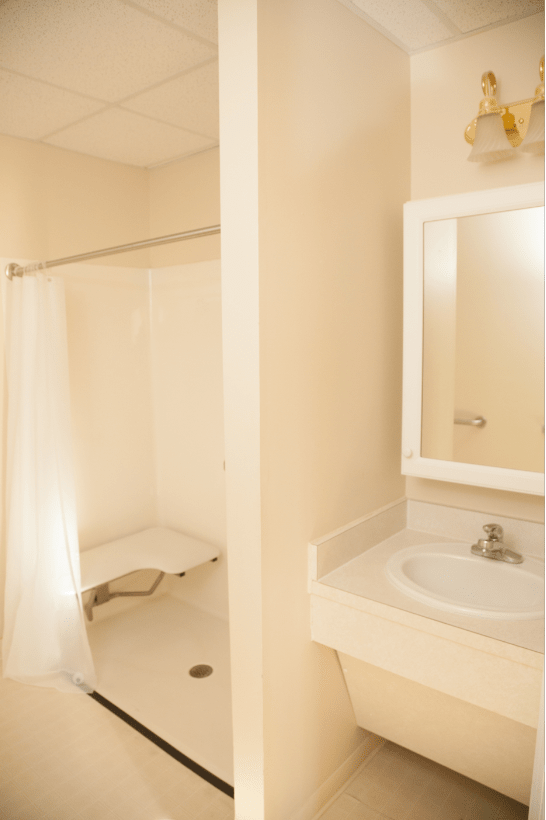
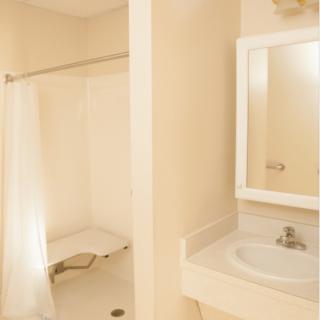
 Wheelchair accessible showers
 Wi-Fi/high-speed internet available
 Transportation & parking
 Ambulatory care
 Assistance with bathing
 Assistance with dressing
 Diabetic care
 High acuity care
 Incontinence care
 Meal preparation and service
 Medication management
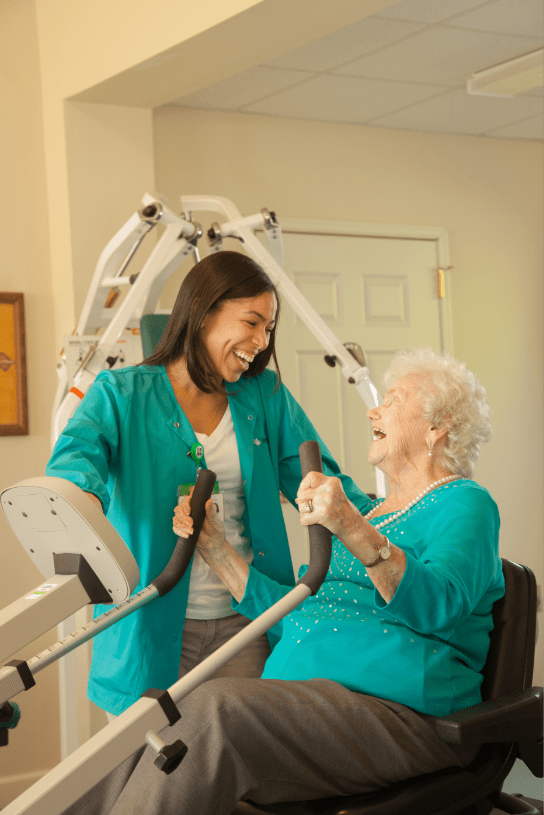
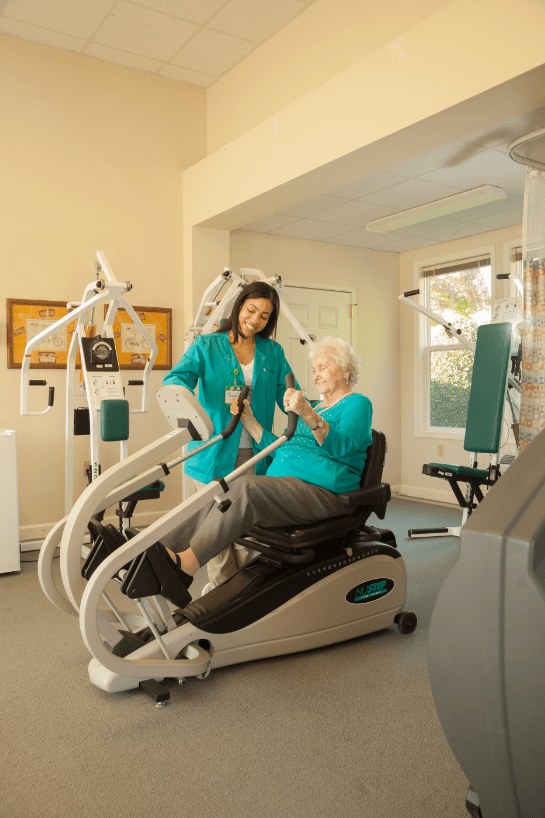
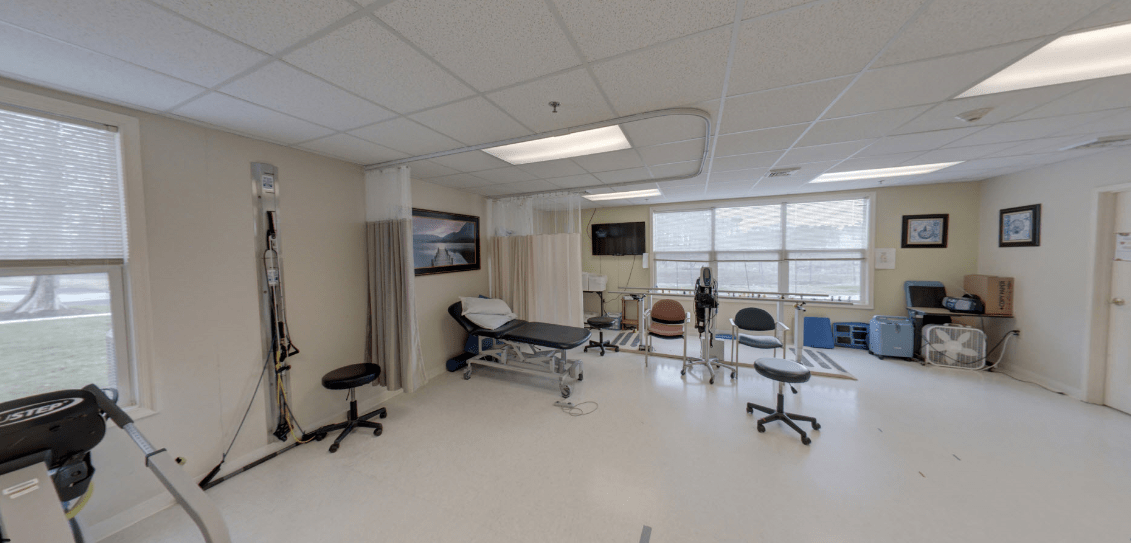
 Physical therapy
 Special dietary restrictions
 Art classes
 Cooking club
 Day trips and outings
 Educational speakers / life long learning
 Fitness programs
 Games
Games Happy hour
 Live dance or theater performances
 Live musical performances
 Live well programs
 Visiting chaplain or priest
 Wine tasting
 English

 Choosing the Right Senior Care: A Detailed Exploration of Assisted Living and Nursing Homes
 Safeguarding Your Memory Through the Golden Years: Eight Ways to Preserve Cognitive Health
 Comprehensive Insights into Activities of Daily Living (ADLs) and Their Assessment