



2100 Idlewood Avenue, Richmond, VA 23220
For more information about senior living options: (866) 208-4318
Rah Winthrop Manor Costs & Pricing
Rah Winthrop Manor offers competitively priced accommodations compared to both Richmond city and the broader Virginia state averages. For semi-private rooms, residents enjoy a monthly cost of $1,495, which is significantly lower than the $3,174 charged in Richmond and the $3,991 average across Virginia. Similarly, for those seeking more privacy in a one-bedroom unit, Rah Winthrop Manor's rate of $2,300 remains well below the Richmond rate of $3,668 and the state average of $4,257. This pricing structure not only highlights Rah Winthrop Manor's commitment to affordability but also positions it as an attractive option for individuals seeking quality care without compromising their financial stability.
| Floor plans | Rah Winthrop Manor | Richmond city | Virginia |
|---|---|---|---|
| Semi-Private | $1,495 | $3,174 | $3,991 |
| 1 Bedroom | $2,300 | $3,668 | $4,257 |
Assisted Living communities with a similar price nearby
-
from -$95 / mo
The Parkwood
$1,400 / month0.7 miles away -
from -$95 / mo
Fillmore Place
$1,400 to $1,600 / month22.8 miles away -
About the same
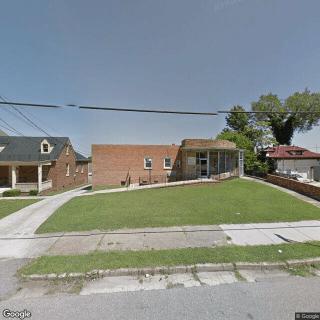
Metro Gardens Assisted Living Facility
$1,505 / month23.1 miles away -
About the same
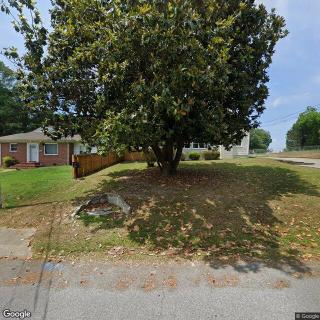
Totty Place
$1,505 / month21.7 miles away
Overall Review of Rah Winthrop Manor
Pros
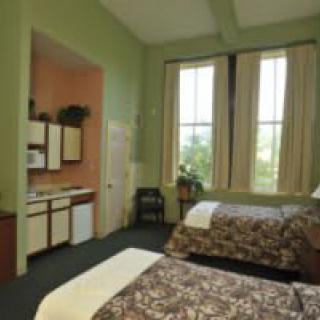
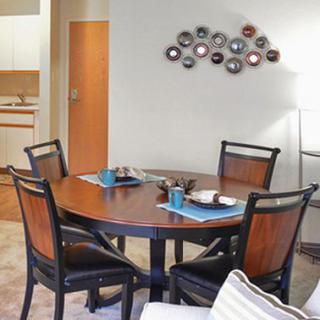
 The rooms are well appointed.
- The staff is professional and friendly.
- Daily needs such as laundry, cooking, and medical care are taken care of.
- Winthrop Manor receives a five-star rating.
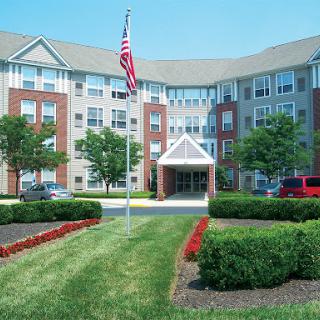
- The facility appears nice.
Cons
 The facility has bedbugs.
 - Roaches and mice are in the kitchen, and the broken refrigerator leaves food warm.
- The ownership and staff are described as oblivious and dishonest, showing a lack of care for residents.
- The facility is falling apart and management does not care about residents.
- Belongings from a deceased relative went missing and were not returned.
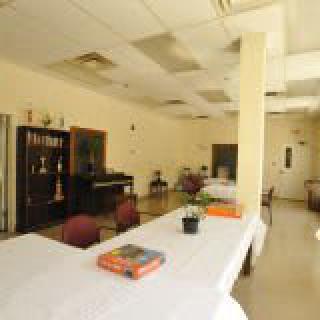
- Air conditioning has been broken, making the dining hall about 90 degrees.
- The facility appears not to accept residents who use a wheelchair.
- Dietary practices are criticized, with reports of pork being served to non-pork eaters and use of expired or inappropriate foods.
Review
Rah Winthrop Manor in Richmond is best suited for seniors who want practical, hands-on assistance with daily living and medical coordination, and who do not require wheelchair-accessible facilities. The property presents as a comfortable, roommate-friendly environment with well-appointed rooms and staff who come across as professional and attentive. For families prioritizing dependable help with routine tasks, laundry, cooking, and basic medical oversight, and valuing a friendly, personable care team, Winthrop delivers a recognizable elder-care pattern that can reduce everyday stress.
Those who should consider alternatives are residents who need wheelchair access or whose mobility requires barrier-free design. The most explicit gating issue is a facility stance that seems to exclude wheelchair users, a decision that immediately narrows suitability for many seniors with mobility challenges. Additionally, families with a strong emphasis on pest-free environments, immaculate maintenance, and consistently reliable infrastructure will want to look elsewhere given the mixed signals on building upkeep, climate control, and resident safety infrastructure in this community.
The strongest positives, rooms that feel well appointed, and staff that are described as professional and friendly, do create a credible foundation for daily life. When care needs are straightforward and companionship from caregivers matters most, these attributes can offset some concerns about the setting. The ability to lean on staff for routine tasks and medical coordination means residents can focus on living rather than managing basic chores, which is valuable for families seeking predictable support without micromanagement.
However, the main drawbacks weigh heavily. Reports of pests, bedbugs, roaches, and mice in critical areas, tale against a welcoming façade and raise serious questions about long-term health and sanitation. Maintenance lapses, such as a consistently broken air-conditioning system in dining spaces and a refrigerator that fails to keep food safe, translate into uncomfortable conditions and questionable food safety. These issues erode trust in the facility’s commitment to a safe, dignified environment and challenge the perceived value of the care package offered.
Additional concerns center on management and daily operations. Several reviews describe inconsistent or even disheartening experiences with ownership and leadership, suggesting that resident well-being may be prioritized unevenly. The experience of missing personal belongings after a resident’s passing adds an emotionally painful dimension to the care decision, underscoring vulnerabilities in inventory controls and housekeeping discipline. Even positive, high-contrast anecdotes, such as residents praising the staff and recommending the place, exist alongside strong cautions, signaling that care quality may vary by shift, mood of leadership, or specific staff assignments.
Ultimately, Rah Winthrop Manor presents a mixed picture that demands careful, criteria-driven evaluation. For families prioritizing personal warmth from staff, straightforward daily living support, and comfortable, well-furnished surroundings, the community can be a reasonable fit, provided mobility needs do not require wheelchair access and maintenance concerns are actively addressed before admission. For anyone where wheelchair accessibility, pest control reliability, consistent infrastructure, or meticulous handling of resident belongings are nonnegotiable, alternatives should be explored. The decision hinges on whether the comfort of a friendly, supportive caregiving team can outweigh the pervasive operational inconsistencies and the functional barriers that limit who can safely reside there.
 120 resident community capacity
 Assisted Living
 Respite Care
 Activities on-site
 Air-conditioning
 Beauty salon
 Cable or satellite TV
 Computer center
 Devotional services off-site
 Dining room
 Fitness room
 Fully furnished
 Gaming room
 Garden
 Housekeeping services
 Indoor common areas
 Kitchenette
 Move-in coordination
 Outdoor space
 Private bathrooms
 Restaurant-style dining
 Small library
 Telephone
 Wellness center
 Wi-Fi/high-speed internet available
 Richmond International (9 miles away)
 Community operated transportation
 12-16 hour nursing
 24-hour call system
 Ambulatory care
 Assistance with bathing
 Assistance with dressing
 Assistance with transfers
 Diabetes diet
 Diabetic care
 Medication management
 Mental wellness program
 Special dietary restrictions
 Concierge services
 Planned day trips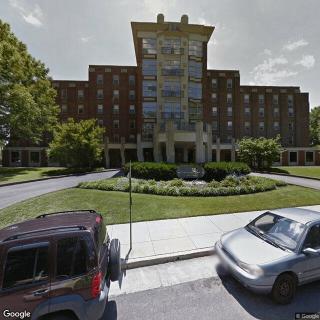



 Assisted Living Expenses and Long-Term Care Insurance: A Comprehensive Exploration
 Securing Financial Support for Assisted Living: A Comprehensive Overview
 Social Security Benefits and Assisted Living: Navigating Options Across the U.S.