

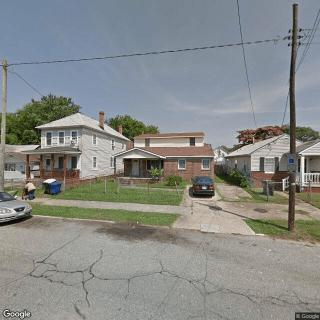
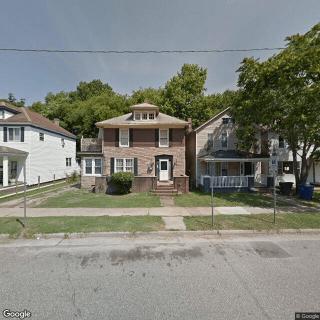
614 32nd St, Newport News, VA 23607
To contact a resident: (757) 244-3649
For more information about senior living options: (866) 208-4318
Overall Review of Our House Home For Adults
Pros
 The Virginia House feels like a true home with a calm, nurturing environment.
- The owner, Lisa, is described as extremely warm and caring, earning the trust of residents.
- The staff-to-resident ratio is low, with at least two and often three caregivers for two residents, enabling personalized care.
- Lisa maintains very high standards for caregivers and is a constant presence in the home.
- Residents feel safe and at peace, with care that reduces anxiety.
- The daily routine is flexible, allowing movement at the residents' own pace rather than a rigid schedule.
- Caregivers provide companionship and activities, such as walks, and residents are never left waiting for help.
- Families can stay connected through FaceTime with the caregiver.
Cons
 The supervisor is horrible.
- Larger facilities have a caregiver-to-resident ratio of one to seven and lack visible management.
Review
This community is best suited for families seeking a true home-like memory-care option in Newport News, where residents receive deeply personalized attention in a calm, non-institutional setting. The emphasis is on intimate caregiver contact, flexible daily rhythms, and activities that resemble everyday living rather than a rigid clinical schedule. For families with a loved one who thrives on stability, safety, and meaningful one-on-one interactions, this option can feel like finding a trusted, small-scale residence rather than a large, impersonal facility. The strongest appeal lies in the environment that resembles a private home, with meals prepared in a kitchen, outdoor time shared with caregivers, and a sense of ongoing companionship rather than repetitive institutional routines.
The reviews point to who may want to consider alternatives if certain needs are non-negotiable. Critics signal potential concerns around supervision and overall management quality, as reflected in a negative label about a supervisor. While these voices are not universal, they raise important questions about the steadiness of leadership and the consistency of oversight in day-to-day operations. Families that prioritize formalized programming, predictable supervision structures, or a larger team with broader managerial reach may prefer a more conventional memory-care setting. Additionally, residents needing more intensive medical management, frequent skilled care, or highly structured daily schedules could find a small home environment less equipped to meet those demands.
Key strengths in this setting offset the primary concerns in tangible, practical ways. The most compelling pro is the remarkably low caregiver-to-resident ratio, with at least two and often three caregivers for two current residents. That ratio translates directly into real-time assistance, reduced waiting times for help, and a level of attention that promotes safety and emotional security, particularly for someone grappling with memory loss. The owner’s hands-on leadership, described as warm, deeply engaged, and consistently present, creates a culture of accountability and high standards for caregiving. This combination yields a home-like atmosphere where meals occur in the kitchen, outdoor time is common, and residents can move through their day at a comfortable pace rather than adhering to an institutional timetable. The ability for families to stay connected remotely, such as through caregiver-facilitated FaceTime, further enlarges the circle of safety and reassurance for out-of-state relatives.
Those same strengths illuminate why this option may be especially favorable for residents who value safety, flexibility, and personal connection over expansive programming. The small scale fosters genuine relationships, meaningful routines, and easy access to companionship during activities like neighborhood strolls and river-side outings. For a resident living with dementia who benefits from routines anchored in familiar, homelike settings, the environment can meaningfully reduce agitation and anxiety. The kitchen-centered meals, intimate spaces, and outdoor options contribute to a sense of belonging and dignity that is often missing in larger facilities. When a caregiver is nearby and attentive, the risk of isolation diminishes, and family members gain peace of mind about daily care and responsiveness.
In deciding whether to choose this route, consider the resident’s priorities and thresholds. This community excels for those who want a nurturing, low-stress setting with highly attentive caregiving, strong personal bonds with staff, and the ability to maintain autonomy within a homelike framework. It is less suitable for residents who require robust supervision by a seasoned administrator, highly structured activity programming, or more intensive medical oversight. The mixed rating signal, multiple five-star experiences contrasted with acknowledged concerns about supervision, underscores the need for due diligence. Potential residents should visit with questions about supervision schedules, staff turnover, emergency protocols, and the daily plan to ensure alignment with care goals.
Bottom line: this option serves a niche defined by intimacy, safety, and personal attention. For families prioritizing a true home environment, minimal waiting for assistance, and highly engaged caregivers, it can be an excellent match. For those who expect formal oversight, broad clinical staffing, or a highly regimented daily program, alternatives with larger staff and more centralized management may deliver greater confidence. Prospective families are advised to meet the owner, request a transparent outline of supervision structures, and observe caregiver interactions firsthand. In the right circumstances, this small, caregiver-centric setting delivers the dignity and comfort that can make all the difference in quality of life for a loved one.
 Board and Care Home
 Newport News Williamsburg International (11 miles away)




 Managing Nursing Home Expenses After Medicare Coverage Ends
 Is a Geriatric Care Manager the Right Choice for Your Family?
 Compassionate Conversations: How to Comfort Someone Who Is Grieving