
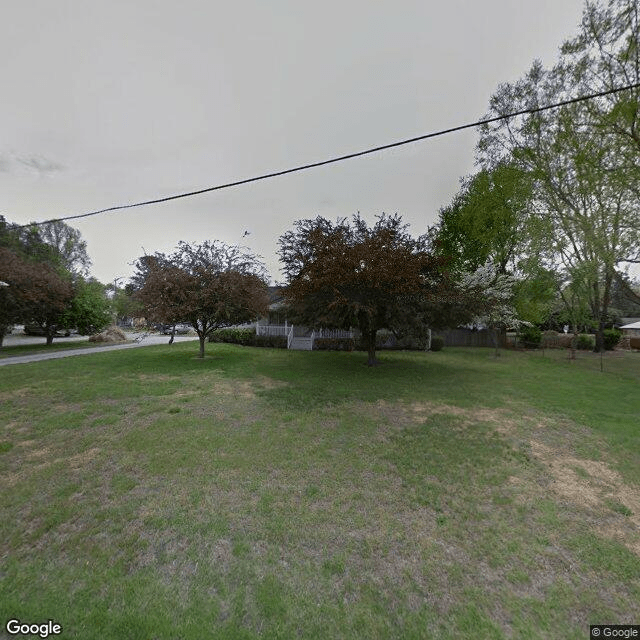
6367 Cold Harbor Road, Mechanicsville, VA 23111
For more information about senior living options: (866) 208-4318
The Haven Assisted Living at Cold Harbor Costs & Pricing
The Haven Assisted Living at Cold Harbor offers competitive pricing for its services when compared to both New Kent County and the broader state of Virginia. For a semi-private room, residents can expect to pay $3,850 per month, which is slightly higher than the county average of $3,756 but remains lower than the state average of $3,991. Private rooms are priced at $5,000, positioning them above New Kent County's rate of $4,786 yet below Virginia's average of $4,684. Notably, the 1-bedroom option costs an equivalent $5,000 monthly; while this exceeds the county's average of $5,783, it significantly undercuts the state's more affordable rate of $4,257. Overall, The Haven provides a range of options that reflect both quality care and strategic pricing in a competitive market.
| Floor plans | The Haven Assisted Living at Cold Harbor | New Kent County | Virginia |
|---|---|---|---|
| Semi-Private | $3,850 | $3,756 | $3,991 |
| Private | $5,000 | $4,786 | $4,684 |
| 1 Bedroom | $5,000 | $5,783 | $4,257 |
Memory care communities with a similar price nearby
-
from -$375 / mo
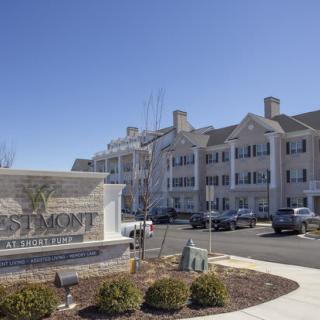
The Westmont at Short Pump Community
$3,475 to $5,325 / month18.5 miles away -
from -$209 / mo
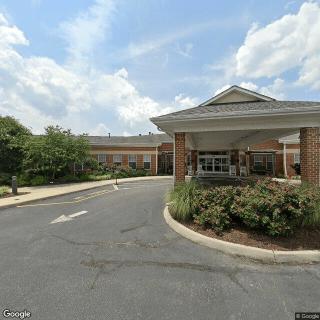
Dunlop House
$3,641 to $6,559 / month22.7 miles away -
from +$499 / mo
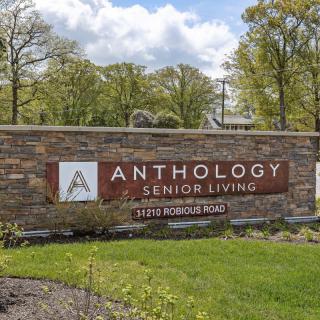
Anthology of Midlothian
$4,349 to $7,649 / month16.1 miles away -
About the same
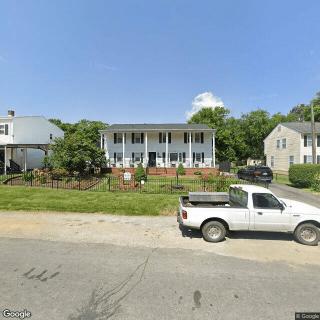
Covenant Columns Manor
$3,800 to $4,940 / month5.7 miles away -
from -$574 / mo

Discovery Village At The West End
$3,276 to $4,108 / month15.2 miles away
Overall Review of The Haven Assisted Living at Cold Harbor
Pros
 The Haven provides personalized care from a small, wonderful staff at a much more reasonable rate.
- The father spent the last two months there and really enjoyed it.
- The Haven gave the family peace of mind that they had made the right decision for their father's care.
- The Haven is absolutely wonderful.
- The staff at The Haven genuinely care about residents and their families.
- The personnel have a tough job, but they are great at what they do.
- Iris is clean, fed, and safe at The Haven.
- The staff work with families to find a solution and a fit for Iris.
Review
The Haven Assisted Living at Cold Harbor in Mechanicsville is best suited for families seeking intimate, highly personalized care where staff know residents well and care plans can be adjusted quickly. This community shines for seniors who prefer a small, homey atmosphere over a large campus, and for households prioritizing safety, consistent daily routines, and a sense of peace of mind about daily caregiving. It appeals especially to families looking for clear value: solid, attentive support at a more reasonable rate than many larger facilities. In short, it suits someone who wants a trusted, warm environment with visible caregiver-resident relationships that translate into practical, everyday management of needs and preferences.
Those who may want to consider alternatives are individuals demanding a broader continuum of care or more expansive amenities. If a loved one requires higher-acuity medical oversight, frequent skilled nursing, or a rich calendar of on-site therapies and social programming, a larger community or specialized memory-care setting could be a better fit. Families seeking extensive, 24/7 medical staffing, more robust on-site services, or a bustling, activity-forward lifestyle may find the limitations of a smaller operation less compatible with evolving needs. Similarly, if independence needs are paired with specific lifestyle expectations, extensive outings, a wide variety of dining venues, or heavy emphasis on structured programs, look at options with larger resident rosters and broader service menus.
The strongest positives here center on personalization and practical value. A small, cohesive staff tends to deliver care that feels tailor-made, with caregivers able to adjust plans quickly as circumstances change. Families repeatedly note that staff genuinely cares about the resident and their situation, which translates into a more nuanced approach to daily routines, meals, safety, and comfort. Residents are described as clean, well-fed, and protected, with staff who are proactive in coordinating care with families to achieve the right fit for each individual. The combination of attentive presence and a transparent, straightforward pricing structure creates a sense of reliability that can be hard to find in larger, more impersonal facilities.
Yet a few realities temper the enthusiasm. The same intimate setting that enables strong, individualized attention can also translate into limited availability of certain services or activities. During busy periods or staff shortages, response times may be longer than those in larger communities with bigger teams. The calendar of activities and the scope of on-site programs may be more modest compared to bigger campuses, which matters for residents who thrive on constant stimulation or who require specialized therapies on a regular cadence. These potential gaps are not universal, but they are a meaningful consideration for families weighing the pace and breadth of daily life their loved one will experience.
When weighing pros against cons, the decisive factor is alignment with the resident’s needs and the family’s expectations for daily life and cost. The Haven’s strongest appeal, personalized, compassionate care at a more affordable price, often offsets the risk of a leaner program for seniors who value consistency, safety, and a homelike atmosphere. For families prioritizing cost containment without sacrificing basic quality of care, the model delivers tangible reassurance: reliable staffing, responsive communication, and a focus on dignity and comfort. If autonomy, social breadth, and intensive medical oversight are top priorities, however, it pays to benchmark alternatives that scale up services and activities or offer a wider range of clinical supports.
In sum, The Haven Assisted Living at Cold Harbor is a pragmatic choice for active, safety-conscious seniors who value a small-community vibe and predictable, compassionate care. It is less well suited for those who require extensive medical programming, frequent skilled-nursing interventions, or a robust, variegated social calendar. Families should measure the importance of a tight-knit care team and clear, reasonable pricing against the desire for broader amenities and higher-acuity capabilities. For many, this community delivers the right balance of warmth, personalization, and value; for others, a larger campus with more extensive services will better align with long-term expectations.
 8 resident community capacity
 Assisted Living
 Board and Care Home
 Memory Care
 Cable or satellite TV
 Dining room
 Fully furnished
 Garden
 Housekeeping services
 Move-in coordination
 Outdoor space
 Private
 Telephone
 Wi-Fi/high-speed internet available
 Richmond International (6 miles away)
 24-hour supervision
 Activities of daily living assistance
 Assistance with bathing
 Assistance with dressing
 Assistance with transfers
 Diabetes diet
 Diabetic care
 Meal preparation and service
 Medication management
 Special dietary restrictions
 Transportation arrangement (medical)
 Transportation to doctors appointments


 5 Early Indicators of Dementia and What You Can Do
 8 Important Indicators That Memory Care May Be Necessary
 Delving into the Inner World of Dementia: Insights into Thoughts and Awareness