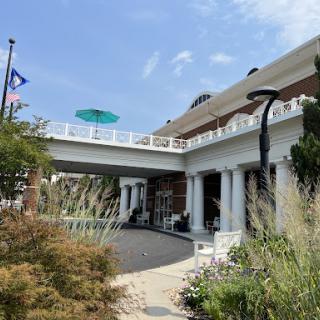
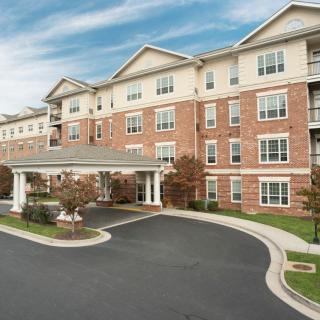
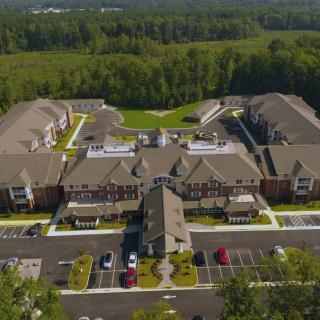
Beth Sholom Lifecare Community is an assisted living and memory care community in Richmond, VA.
Information last verified:
1600 John Rolfe Parkway, Richmond, VA 23238
For more information about senior living options: (866) 208-4318
3.8 from 51 reviews
5 stars
27
4 stars
8
3 stars
5
2 stars
3
1 stars
8
Overall Review of Beth Sholom Lifecare Community
common18 reviews mention this
Staff care and professionalism stand out
Residents and families consistently describe staff as caring and professional.
Across the reviews, people repeatedly say the staff treats residents kindly and pays attention to comfort and safety. Many mention friendly, responsive interactions and professional competence, including in nursing and therapy roles. A few reviews contrast that with periods where call-bell response or staffing coverage felt lacking, but the overall dominant theme is that residents feel supported by the team.
common11 reviews mention this
Clean, maintained spaces are frequently praised
Multiple reviewers call out clean, well-kept facilities and rooms.
Several reviews highlight cleanliness and a well-maintained environment, with some specifically mentioning a clean dining room and clean, healthy living spaces. Some also note features like private rooms and an organized, welcoming building. There are also negative mentions about odors and a dingy or depressing feel, so cleanliness is not uniformly experienced.
common9 reviews mention this
Dining is good, but hit-or-miss
Residents mention meals that are often acceptable, with some complaints about limits or taste.
A number of reviews describe meals as tasty, hot, and filling, and some call the dining experience enjoyable or great. Others describe food as not amazing, limited in variety, or less satisfying—especially in rehab contexts. The community also offers restaurant-style dining and supports special dietary needs, including diabetes and special restrictions, which shows up in how reviews talk about what residents are served.
differentiator3 reviews mention this
Memory care is described positively
Several reviews specifically point to strong memory care and programming.
Reviews that mention cognitive needs describe an excellent memory care unit and caregivers who take care of residents with attention and respect. The community also includes specialized memory care programming and supports mild cognitive impairment in its care services, which aligns with why these reviewers chose to highlight this area. Not every review focuses on memory care, but the ones that do are consistently favorable.
caveat6 reviews mention this
Staffing and response times draw complaints
A recurring concern is understaffing and slower response to urgent needs.
Some reviews describe understaffing, especially at night or during evenings, and a strain on aides and nursing. In those accounts, call-bell response times can be slow, and residents may not get timely help with care needs. Even among generally positive reviews, a few mention occasional response-time issues and suggest coverage can be tight when the call system is activated.
caveat4 reviews mention this
Activities are present, but quality varies
Reviews describe scheduled activities and outings, but some question how engaging they are.
Several reviewers say the community offers activities, including scheduled daily activities and resident opportunities to stay engaged, plus help with trips like doctor appointments and other outings. Other reviews criticize the activity selection and describe residents as confined indoors or finding activities unappealing. The contrast suggests that while activity programming exists, the day-to-day experience can differ depending on the person and setting.
How we summarize
Counts show how many written reviews mention each theme; a review can touch several themes, and only frequently mentioned themes are displayed.
The 24-hour supervision at Beth Sholom Lifecare Community ensures that residents with dementia or Alzheimer's receive constant support, enhancing their safety and comfort. Assistance with activities of daily living, such as bathing and dressing, promotes dignity while helping residents maintain personal hygiene and a sense of self. The focus on safe transfers minimizes the risk of falls, which is crucial for this population. Meal preparation and service cater to nutritional needs while creating a structured routine. Medication management further supports health by preventing any missed doses or incorrect usage. Engaging in a mental wellness program fosters cognitive stimulation, while specialized memory care programming addresses the unique challenges faced by those with mild cognitive impairment and advanced stages of dementia, providing tailored activities to enrich their lives and enhance their well-being.
Nearby Communities
Parkside at Beth Sholom
Richmond, VA
4.7 from 10 reviews
$2,050 to $6,395 / month
Wide range of activities and a solid rehab facility, with clean rooms and friendly staff.
Parkside Assisted Living
Richmond, VA
4.7 from 7 reviews
Strong memory care with 24/7 supervision and engaging activities.
Beth Sholom Woods
Richmond, VA
5 from 1 review
Positive changes under Hill Valley Group improve amenities and community engagement; convenient location for family visits; more affordable than nearby options.
Beth Sholom Gardens
Richmond, VA
3.7 from 9 reviews
$2,815 to $5,240 / month
Kind staff and a clean, welcoming environment with on-site activities.
Beth Sholom Gardens
Richmond, VA
Lexington Court Rehabilitation & Health Care Center
Richmond, VA
Extensive on-site amenities and 24/7 care services.
Lakewood Retirement Community
Richmond, VA
3.8 from 58 reviews
$2,481 to $4,060 / month
Beautiful facilities with engaging activities and responsive management.
Sunrise Villa Tuckahoe
Richmond, VA
4.2 from 101 reviews
$2,760 to $5,460 / month
Friendly, attentive staff in a warm, welcoming atmosphere with spacious apartments and engaging activities.
Tuckahoe Pines Retirement Community
Richmond, VA
4.6 from 20 reviews
$3,552 to $4,632 / month
Newer, clean facility with resort-style amenities and an active activity calendar.
Choosing between assisted living and nursing homes involves evaluating emotional and financial factors, with assisted living offering independence and support for daily activities at a lower cost, while nursing homes provide intensive medical care for individuals with significant health needs. The decision is influenced by personal preferences, health status, cognitive function, and varying Medicaid coverage across states.
The article presents eight strategies for preserving cognitive health and memory in older adults, emphasizing a nutrient-rich diet, regular exercise, intellectually stimulating activities, adequate sleep, social connections, stress management techniques, limiting harmful substances, and regular medical checkups to mitigate age-related memory decline.
Activities of Daily Living (ADLs) are fundamental tasks vital for an individual's independence, particularly in older adults over 85, and include functions like bathing and dressing; assessing ADLs alongside Instrumental Activities of Daily Living (IADLs) helps determine the level of required assistance due to age-related health challenges. Tailored support plans, involving family and community resources, are essential for maintaining dignity and autonomy in assisted living environments.
Get PricingAsk A QuestionSchedule A TourContact Senior Advisor
By clicking submit, you agree to our Partner's Terms of Use. You
also consent to receive calls and texts, which may be autodialed, from our Partner. Your consent is not a condition to
using our Partner's service. Please visit our Partner's Privacy Policy for information about their privacy practices.

 101 resident community capacity
 Assisted Living
 Memory Care
 Skilled Nursing Facility
 Air-conditioning
 Beauty salon
 Cable or satellite TV
 Computer center
 Fitness room
 Fully furnished
 Gaming room
 Garden
 Housekeeping services
 Kitchenette
 Move-in coordination
 Outdoor space
 Private bathrooms
 Restaurant-style dining
 Small library
 Telephone
 Wellness center
 Wi-Fi/high-speed internet available
 Richmond International (19 miles away)
 Community operated transportation
 24-hour call system
 Activities of daily living assistance
 Assistance with bathing
 Assistance with dressing
 Assistance with transfers
 Diabetes diet
 Medication management
 Mental wellness program
 Special dietary restrictions
 Concierge services
 Planned day trips
 Wide range of activities and a solid rehab facility, with clean rooms and friendly staff.



 Choosing the Right Senior Care: A Detailed Exploration of Assisted Living and Nursing Homes
 Safeguarding Your Memory Through the Golden Years: Eight Ways to Preserve Cognitive Health
 Comprehensive Insights into Activities of Daily Living (ADLs) and Their Assessment