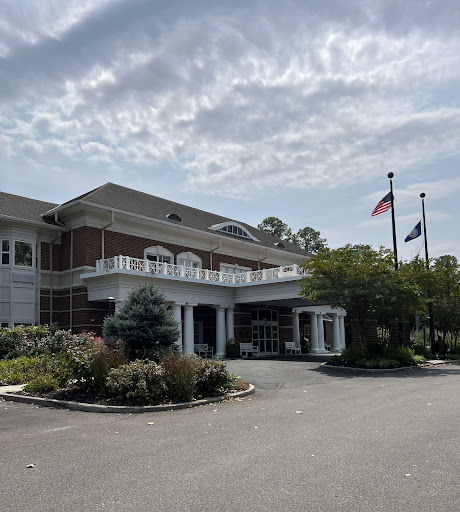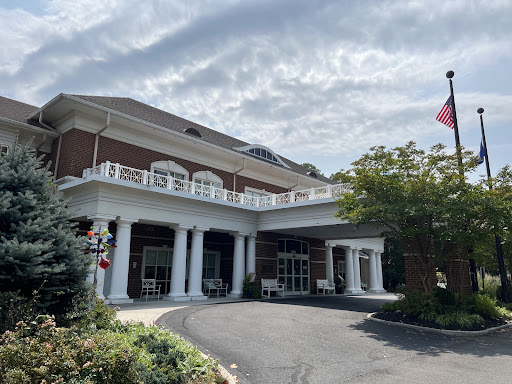






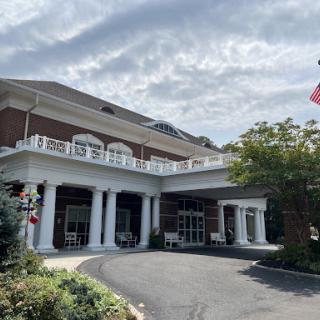
2001 Lauderdale Drive, Richmond, VA 23238
To contact a resident: (804) 421-5140
For more information about senior living options: (866) 208-4318
Beth Sholom Gardens Costs & Pricing
Beth Sholom Gardens offers a competitive pricing structure for its accommodations, particularly when compared to both Henrico County and the broader state of Virginia. For semi-private rooms, residents can expect to pay $2,815 per month, significantly lower than the county's average of $3,975 and the state's average of $3,991. Studio apartments are priced at $4,040, which is slightly below Henrico County's rate of $4,059 and notably less than the state's average of $4,436. The 1-bedroom units do present a different picture; at $5,240 a month, they exceed both the county's $3,718 and the state's $4,257 averages. This reflects a unique positioning in the marketplace where Beth Sholom Gardens excels in affordability for semi-private and studio options while offering a premium experience for those seeking larger living arrangements.
| Floor plans | Beth Sholom Gardens | Henrico County | Virginia |
|---|---|---|---|
| Semi-Private | $2,815 | $3,975 | $3,991 |
| Studio | $4,040 | $4,059 | $4,436 |
| 1 Bedroom | $5,240 | $3,718 | $4,257 |
Memory care communities with a similar price nearby
-
from -$340 / mo

The Barrington at Hioaks
$2,475 to $4,500 / month9.2 miles away -
About the same
Seaton Chesterfield
$2,800 to $4,500 / month8.9 miles away -
from +$150 / mo

Vitality Living West End Richmond
$2,965 to $5,655 / month2.5 miles away -
from +$461 / mo

Discovery Village At The West End
$3,276 to $4,108 / month3.8 miles away -
from +$135 / mo
Morningside In The West End
$2,950 / month5.3 miles away
Overall Review of Beth Sholom Gardens
Pros
 The staff were very kind to residents during their stays.
- The community is clean, well-kept, and the staff are friendly and helpful.
- The meals are good and there are activities offered.
- The facility is secure with easy visiting and clear check-in/check-out procedures.
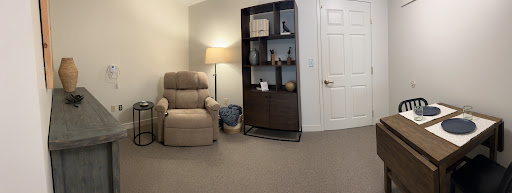
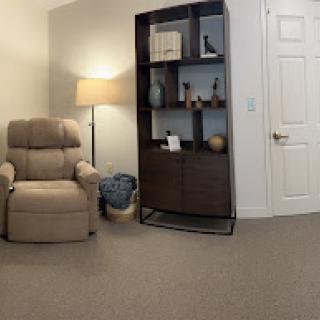
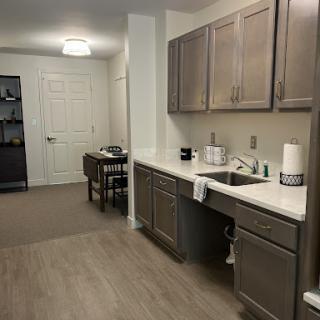
- The rooms are bright, attractive, and spacious.
Cons
 They did not call his doctor until the day he was coming home.
- Physical therapy did not start until the week before he was to come home.
- He was unsteady on his feet and very confused.
- The community was understaffed.
- It was not the right fit for his in-laws.
- The food was not very good.
Review
Beth Sholom Gardens in Richmond is best suited for seniors who want a calm, secure environment with genuinely kind staff, dependable housekeeping, and meals that are acceptable, complemented by a modest slate of activities. The community functions with both independent and assisted living options, and its strongest appeal lies in a homelike feel, clear security measures, and staff availability that families can count on for general day-to-day support. For residents who are relatively self-sufficient but still benefit from light assistance and social programming, Beth Sholom Gardens can be a practical, low-stress choice.
Those who should consider alternatives are families facing higher medical complexity or demanding care needs. If immediate, coordinated medical oversight is essential, especially for residents who require prompt physical therapy, rapid response to doctor orders, or frequent monitoring, the gaps seen here could be problematic. A modern, vibrant environment with consistently strong dining and a more robust activity calendar would also be preferable for families seeking a more dynamic atmosphere or for loved ones who thrive on higher-intensity programming.
On the positive side, the community earns its keep with the human side of care. Reviews consistently praise kind, attentive staff and a safety-forward campus with easy check-in/check-out, locked doors, and visible security. The rooms are described as bright and reasonably spacious, and common areas as clean and well-kept. Across several accounts, housekeeping appears reliable, and the facility is seen as approachable and easy to communicate with, which matters greatly to families managing transitions and ongoing care coordination.
The primary drawbacks cluster around staffing and care execution rather than intent. Understaffing translates into slower response times, less consistent engagement with activities, and gaps in medical follow-through, such as delays in initiating prescribed physical therapy or contacting a physician promptly during a resident’s stay. In one respite scenario, a medical issue arose with little lead time before discharge, and the therapy plan did not commence until late in the stay. In another case, the resident returned home unsteady and confused, underscoring how timely, proactive intervention can influence a resident’s stability after a stay.
The pros and cons do not cancel each other out, but they do tilt the decision depending on individual needs. For residents who require mainly supervision, predictable routines, and routine social activities, with family comfortable visiting and coordinating care, Beth Sholom Gardens offers a workable, reassuring cadence. The secure environment and staff accessibility mitigate some risk, and the weekly housekeeping plus decent meals create everyday livability. However, for anyone counting on reliable, high-touch medical coordination, brisk PT initiation, or a consistently elevated dining experience, the current gaps can outweigh the benefits.
In the end, Beth Sholom Gardens serves a pragmatic niche. It is a solid fit for families prioritizing warmth, safety, and a straightforward, less volatile environment where a loved one can maintain independence with light support and regular social contact. For cases demanding stronger clinical oversight, faster therapy entry, or a more modern, vibrant setting with standout cuisine, it makes sense to screen other communities first. Prospective residents should visit multiple facilities, ask pointed questions about staffing ratios and PT scheduling, and verify current activity programming and dining quality before deciding, ensuring the chosen community aligns with the resident’s medical needs and lifestyle preferences.
 Assisted Living
 Memory Care
 Activities off-site
 Air-conditioning
 Beautician on-site
 Devotional services off-site
 Handicap accessible
 Indoor common areas
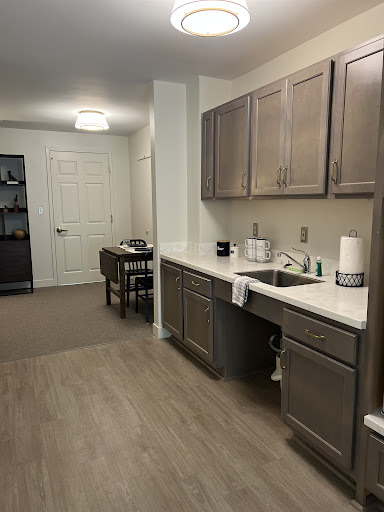
 Kitchenette
 Outdoor common areas
 Respite or short term stays offered
 Swimming pool / hot tub
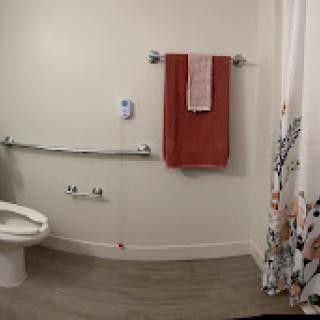
 Wheelchair accessible showers
 Wi-Fi/high-speed internet available
 Richmond International (19 miles away)
 Ambulatory care
 Diabetic care
 Incontinence care
 Medication management
 Guest meals
 Art classes
 Cooking classes
 Day trips and outings
 Educational speakers / life long learning
 Karaoke
 Live well programs
 Visiting Rabbi
 Visiting chaplain or priest
 Wine tasting




 Comprehensive Insights on the Late Stages of Dementia: What to Expect and How to Provide Care
 Medications Associated with Dementia Risk: A Comprehensive Overview
 Guiding Your Journey: Understanding Power of Attorney for Elderly Parents