



3607 Stone Spring Rd, Harrisonburg, VA 22801
To contact a resident: (540) 689-0013
For more information about senior living options: (866) 208-4318
The Phoenix at Harrisonburg Costs & Pricing
The Phoenix at Harrisonburg offers competitive pricing for its accommodations compared to both Harrisonburg city and the broader state of Virginia. For instance, the semi-private room is priced at $3,550, which is significantly lower than the regional average of $3,873 and the state average of $3,991. Similarly, residents opting for a two-bedroom suite can enjoy a cost-effective rate of $3,550, notably more affordable than the city's average of $5,275 and also below Virginia's statewide average of $4,602. Studio and one-bedroom options at The Phoenix are also positioned favorably; while they come in at $4,350 and $4,950 respectively, these rates remain competitive against local averages that reach up to $5,007 for studios and up to $5,125 for one-bedrooms. Overall, The Phoenix presents itself as an appealing choice for prospective residents seeking quality living arrangements that align with their financial considerations in both city and state contexts.
| Floor plans | The Phoenix at Harrisonburg | Harrisonburg city | Virginia |
|---|---|---|---|
| Semi-Private | $3,550 | $3,873 | $3,991 |
| 2 Bedrooms | $3,550 | $5,275 | $4,602 |
| Studio | $4,350 | $5,007 | $4,436 |
| 1 Bedroom | $4,950 | $5,125 | $4,257 |
Memory care communities with a similar price nearby
-
from +$645 / mo
Brookdale Harrisonburg
$4,195 to $5,870 / month1.8 miles away -
from -$280 / mo
Brookdale Staunton
$3,270 to $5,620 / month21.6 miles away
Overall Review of The Phoenix at Harrisonburg
Pros
 The memory care unit provides excellent care and is wonderfully kind, with calming care for agitation.
- The caregivers are wonderful and attentive to residents’ needs.
- The community is beautiful, tastefully decorated, quiet, and has a friendly atmosphere with nice staff.
- Management is great and consistently helps resolve problems; the staff are extremely helpful and well-trained.
- The facility is clean and well-kept inside and out, with easy-to-navigate spaces.
- The location is ideally close to the hospital, making doctor visits convenient.
- Activities and outings have increased and are well-organized, with crafts, bus trips, and engaging programs.
Cons
 The management treats staff poorly; their emotionally and physically demanding work is unappreciated.
- The food is bland and lukewarm.
- The community’s atmosphere and service delivery have suffered after management changes.
- The professionalism of the community is something that could be improved.
- The Phoenix lacks sufficient transportation due to too few residents and has limited activities.
- The price is out of reach for most people.
- A two-bedroom unit can feel cramped.
- The tour staff sometimes lacks clear answers to questions.
Review
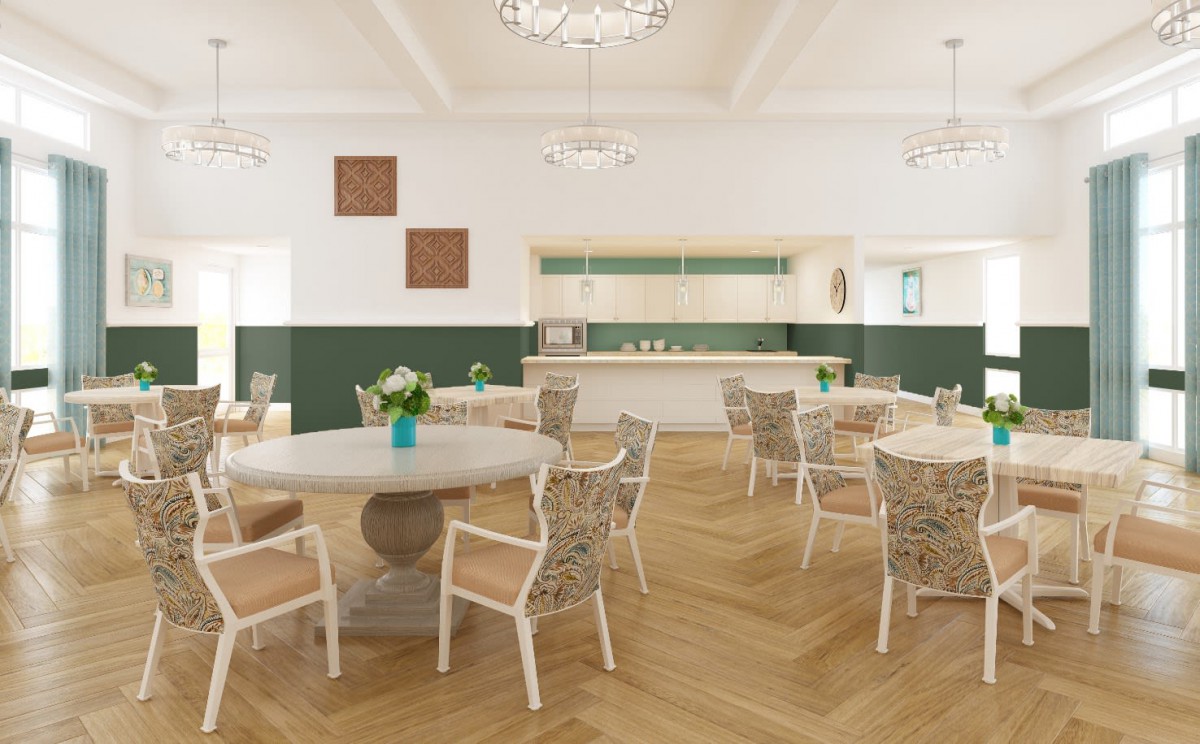
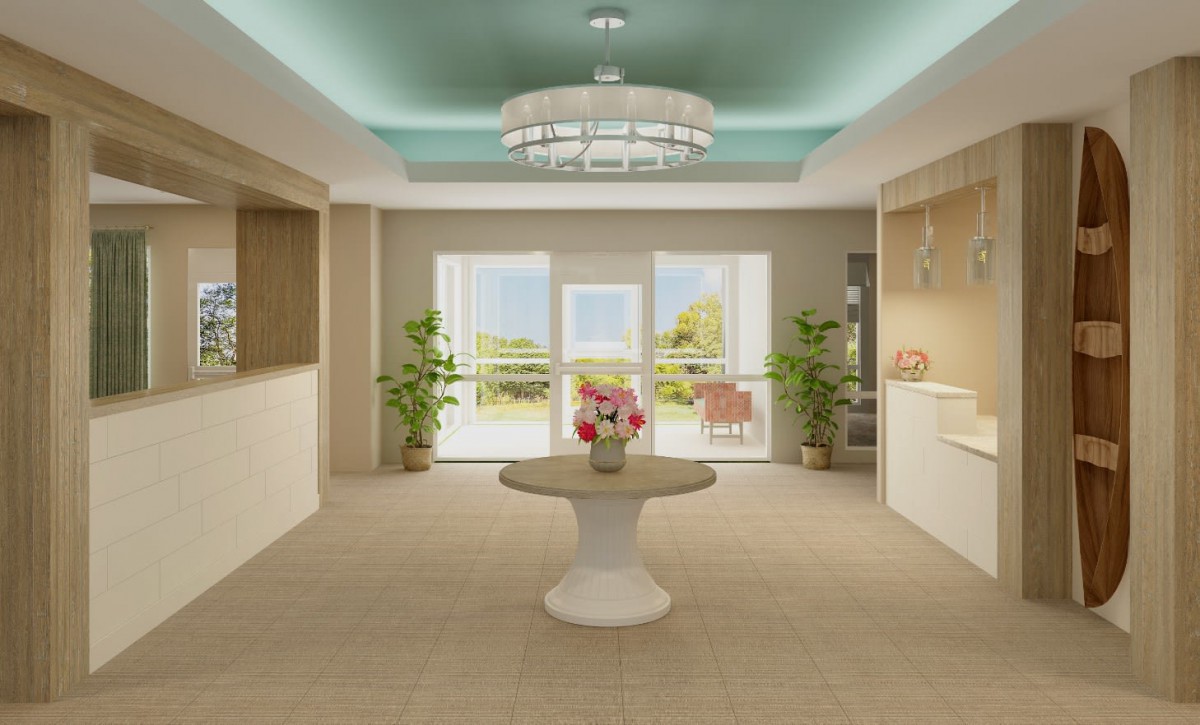
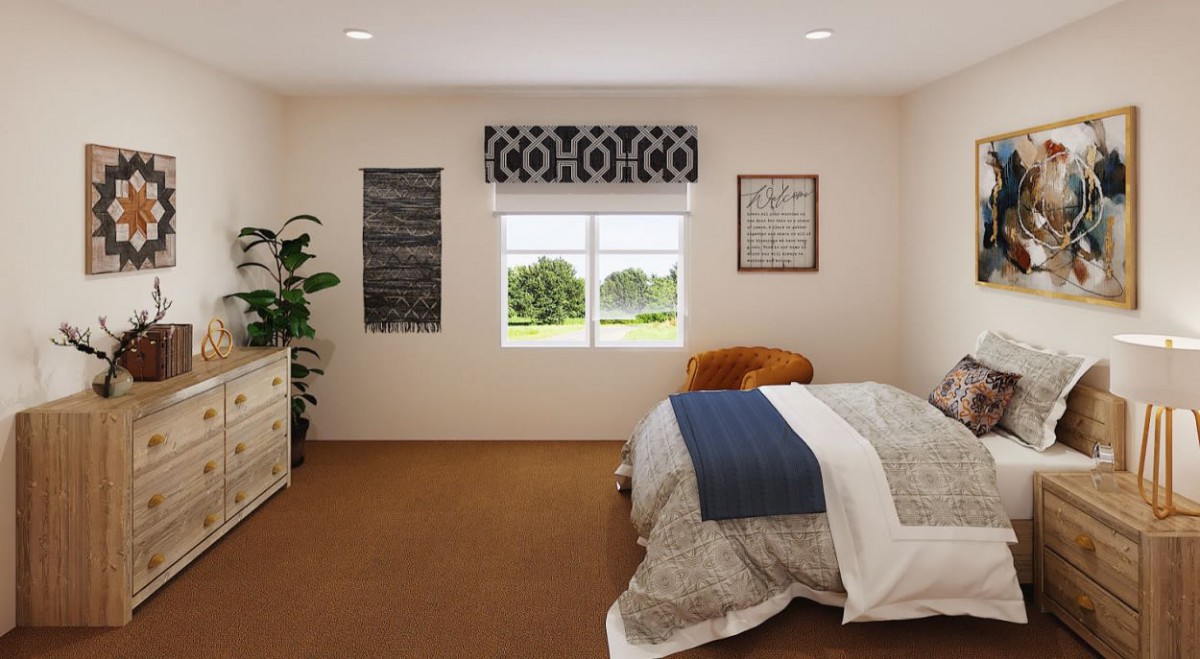
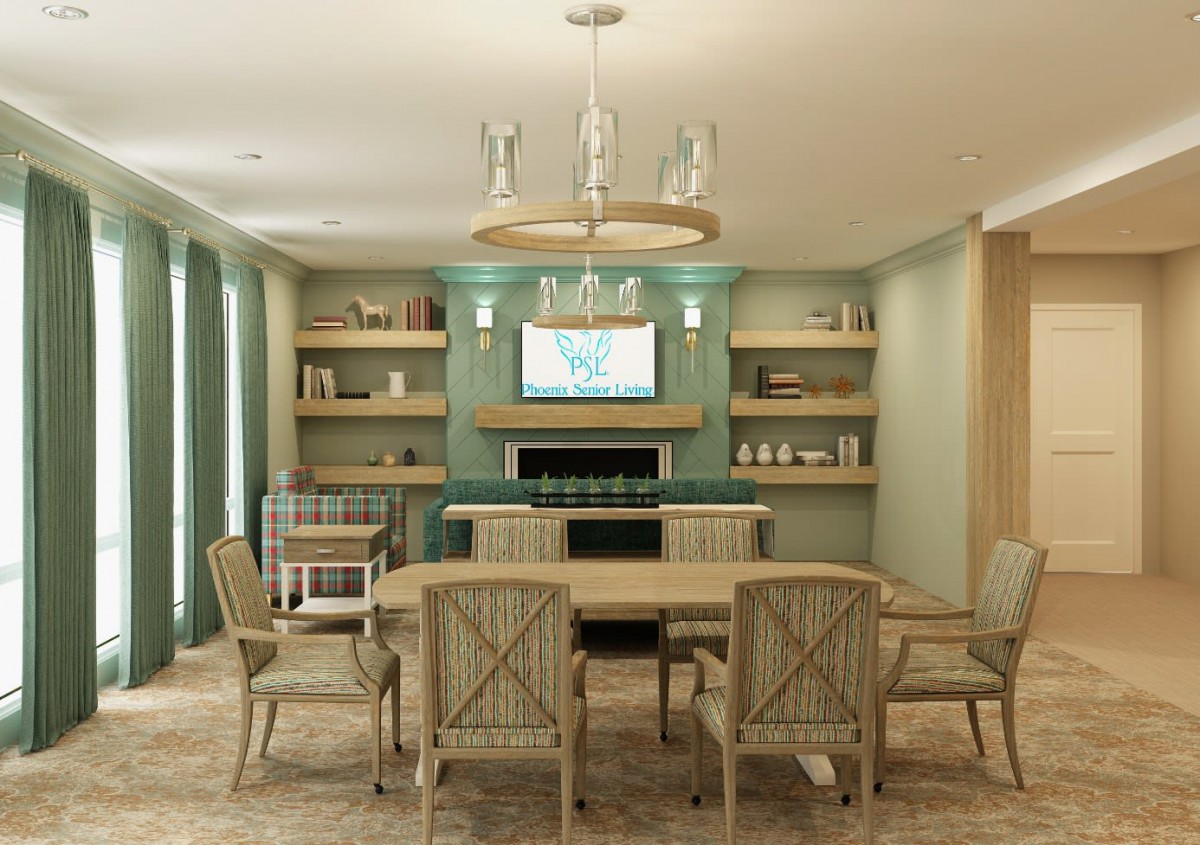
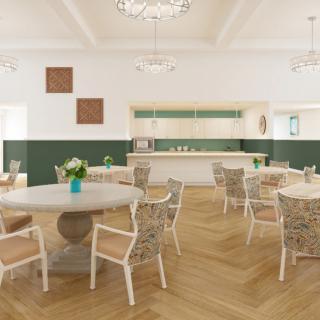
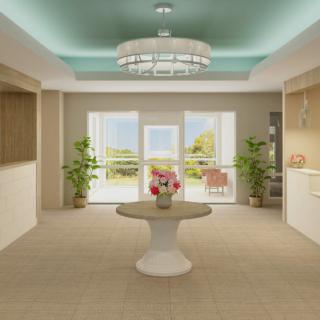
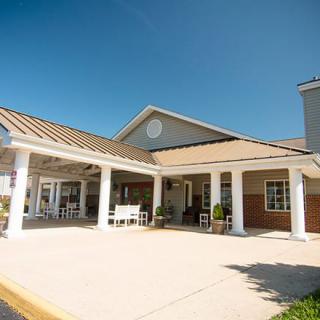
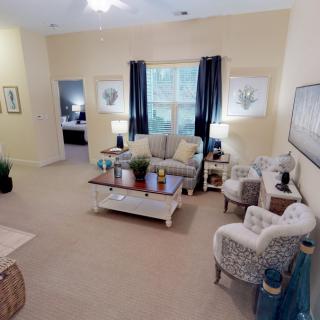
The Phoenix at Harrisonburg is best suited for families seeking memory-care focused living with a modern, inviting environment and an active program of outings and social engagement. The memory‑care unit earns trust quickly because staff provide calm, compassionate care during agitation and dementia‑related challenges, and the team is seen as skilled at maintaining residents’ dignity. The building itself supports autonomy with bright, well‑lit spaces, easy navigation for walkers, and clean, well‑kept interiors and exteriors. Its location near the hospital offers practical convenience for medical appointments and urgent needs. Those who prioritize a long track record, a quieter setting, or a lower monthly price may want to compare options, since this community’s newness and price structure pose meaningful tradeoffs.
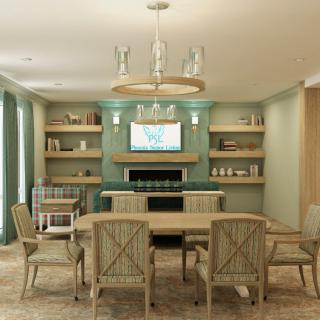
On the positive side, families repeatedly highlight the quality of direct care from caregivers and the responsiveness of management at times. Residents benefit from a welcoming ambience, beautiful décor, seasonal touches, and a quiet, friendly atmosphere that makes daily life feel comfortable. The staff’s daily interactions are praised for warmth and competence, with maintenance responsiveness and a chef who welcomes feedback. The social calendar matters here: craft activities, bus trips, and performances by visiting groups keep residents engaged, and family participation in events is easy thanks to available event spaces and a family‑friendly dining and gathering culture. The overall sense is one of a well‑run, supportive environment that keeps residents moving and socially connected.
Yet not everything lands perfectly. Several reviewers note management has room to improve in how staff are supported and valued, with some past concerns about how changes in management affected day‑to‑day service. The dining experience has shown fluctuation, some meals are praised, others described as bland or lukewarm, though a new chef brings cautious optimism for menu improvements. The facility’s newness also brings growing pains: limited current offerings in some areas, a smaller dining hall, and an exercise room that isn’t as robust as some families expect. Transportation for independent living residents is still developing, and a few tours have revealed gaps in staff knowledge when questions arise.
Those pros and cons tilt in favor of The Phoenix when memory‑care quality, family communication, and a clean, engaging environment are the top priorities. The combination of specialized dementia care, staff dedication, and a near‑hospital location creates a practical, reassuring option for families navigating complex care needs. The inclusive, predictable monthly pricing model is a meaningful financial advantage for families weighing the total cost of care versus in‑home support and caregiving expenses; it reduces the guesswork that can accompany add‑on services. When management issues surface, they appear addressable through direct dialogue, placement of the resident in a more stable team, and ongoing adjustments to programming as the community grows.
For families weighing alternatives, this community makes sense to compare against facilities with longer operating histories, more established transportation programs, or higher emphasis on dining amenities and exercise infrastructure. If quiet surroundings far from main roads, a stronger emphasis on expansive dining and fitness facilities, or lower upfront costs are priorities, other options may fit better. If immediate, reliable transportation and a bread‑and‑butter memory‑care program with deeply entrenched leadership are non‑negotiable, it is prudent to verify current transportation schedules, leadership stability, and whether the memory program has clear, staffed pathways for progressive dementia care. In short, The Phoenix at Harrisonburg stands out for memory care excellence and a compelling value proposition, but readiness for alternatives depends on the weight given to cost, setting, and transportation as evolving needs.
 Assisted Living
 Independent Living
 Memory Care
 Cats allowed
 Dogs allowed
 Activities on-site
 Air-conditioning
 Beautician on-site
 Devotional services off-site
 Ground floor units
 Handicap accessible
 Indoor common areas
 Kitchenette
 Private bathrooms
 Respite or short term stays offered
 Wheelchair accessible showers
 Wi-Fi/high-speed internet available
 Shenandoah Valley Regional (12 miles away)
 Ambulatory care
 Diabetic care
 Incontinence care
 Medication management
 Guest meals
 Art classes
 Cooking classes
 Day trips and outings
 Gardening club
 Happy hour
 Karaoke
 Live dance or theater performances
 Live musical performances
 Live well programs
 Wine tasting


 Understanding Dementia Through Its Seven Stages: A Comprehensive Look at Progression and Expectations
 A Holistic Dementia Care Guide: Effective Strategies for Memory Support
 Memory Care Pathways: A Holistic Guide to Dementia Support