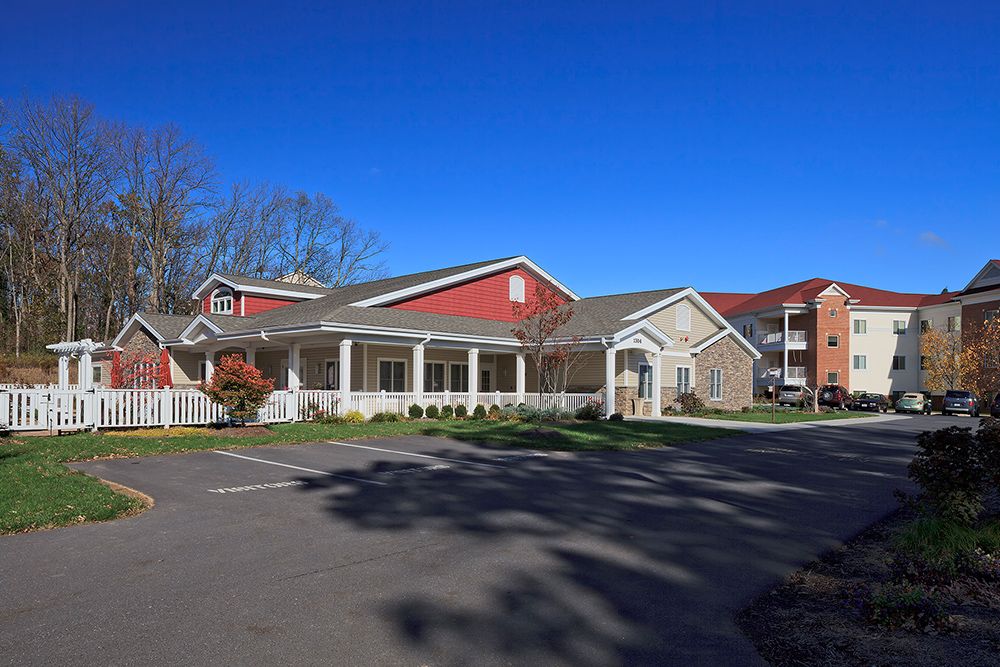







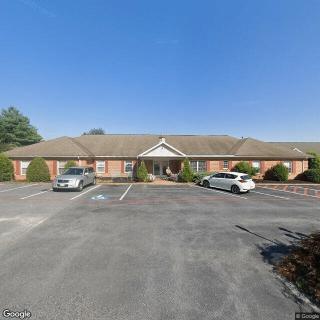
1401 Virginia Avenue, Harrisonburg, VA 22802
For more information about senior living options: (866) 208-4318
Overall Review of Crestwood
Pros
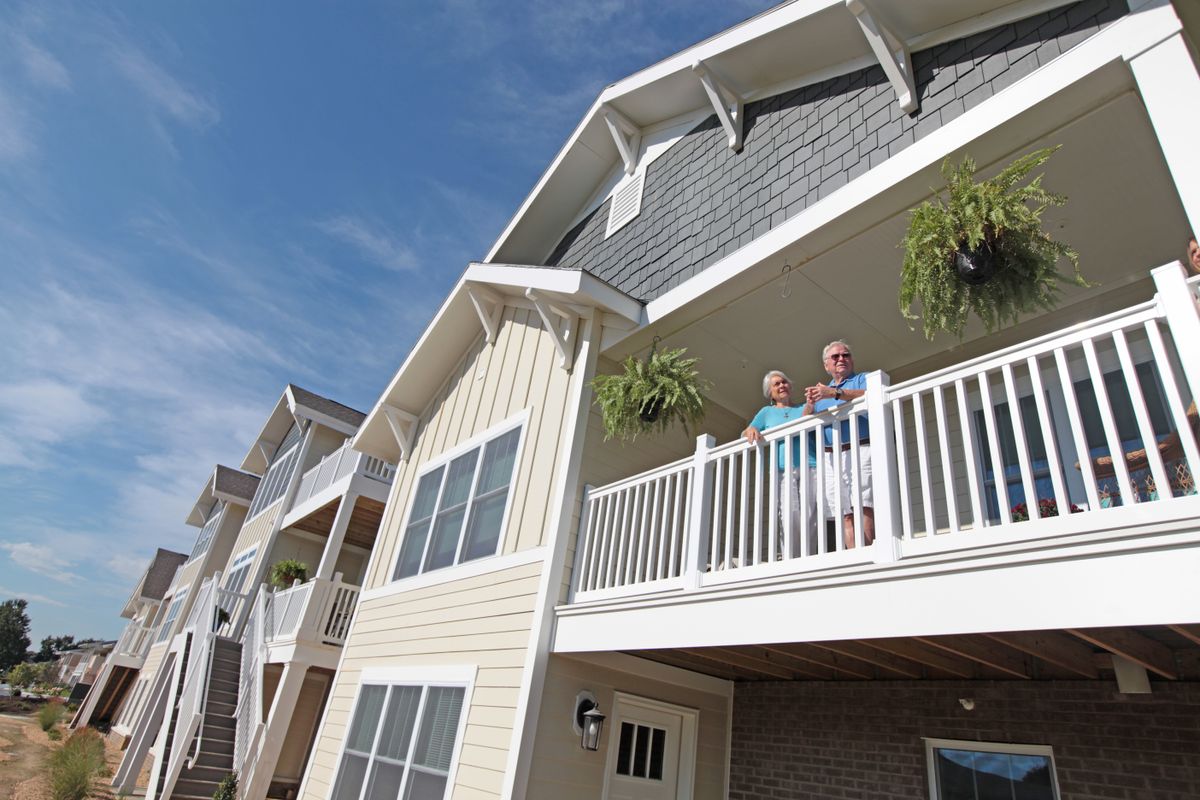
 It offers a progressive continuum of care—from cottages to apartments to assisted living and nursing care.
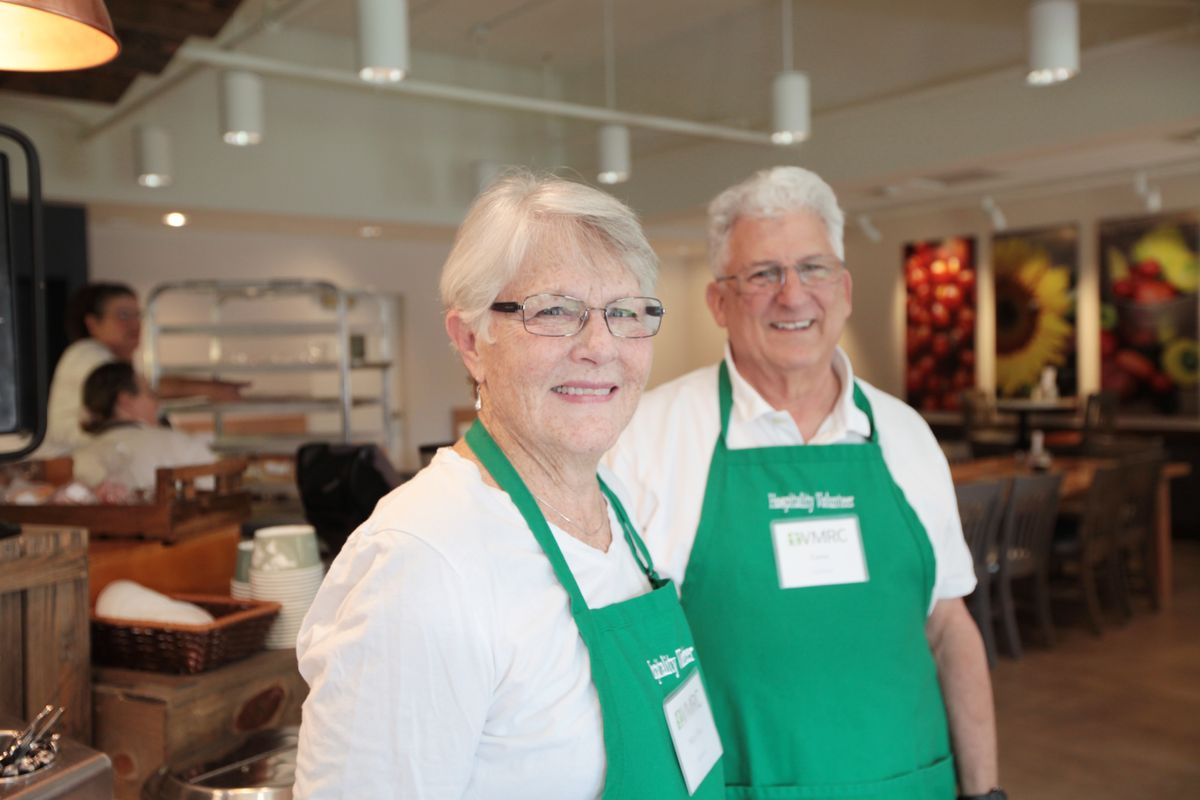
- The staff are very nice and welcoming.
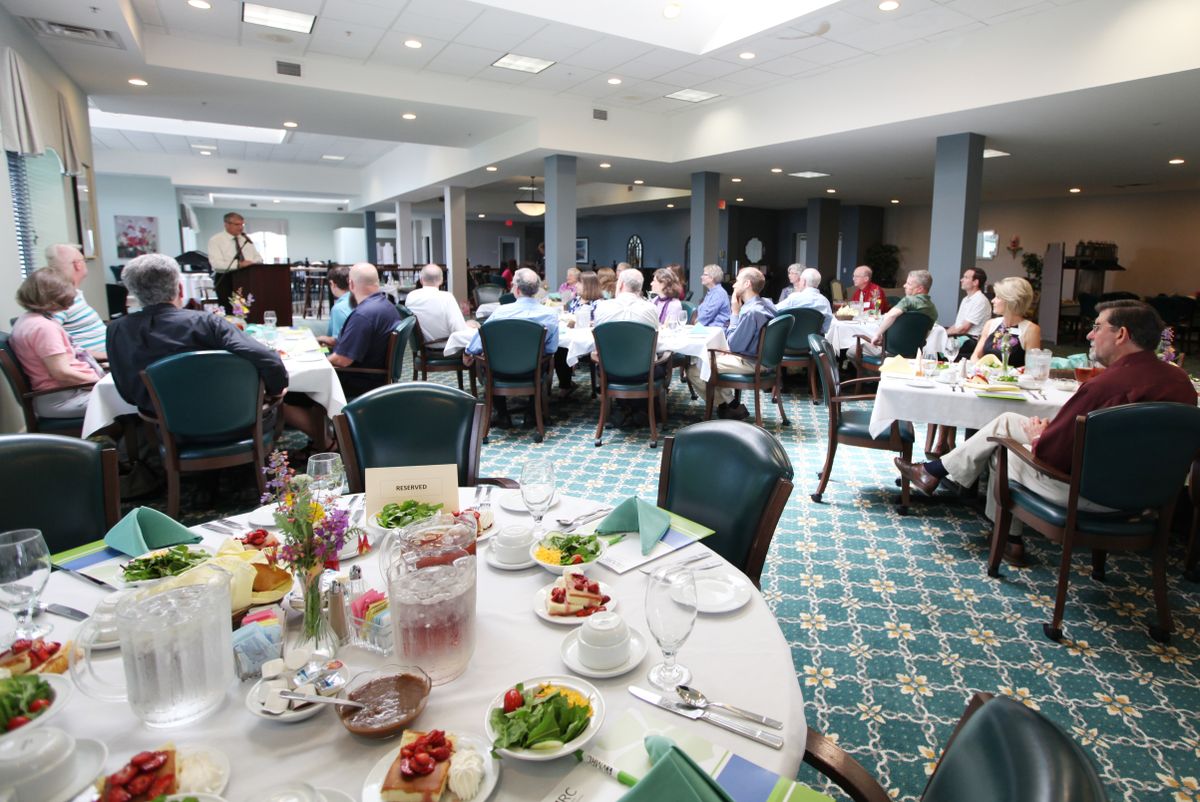
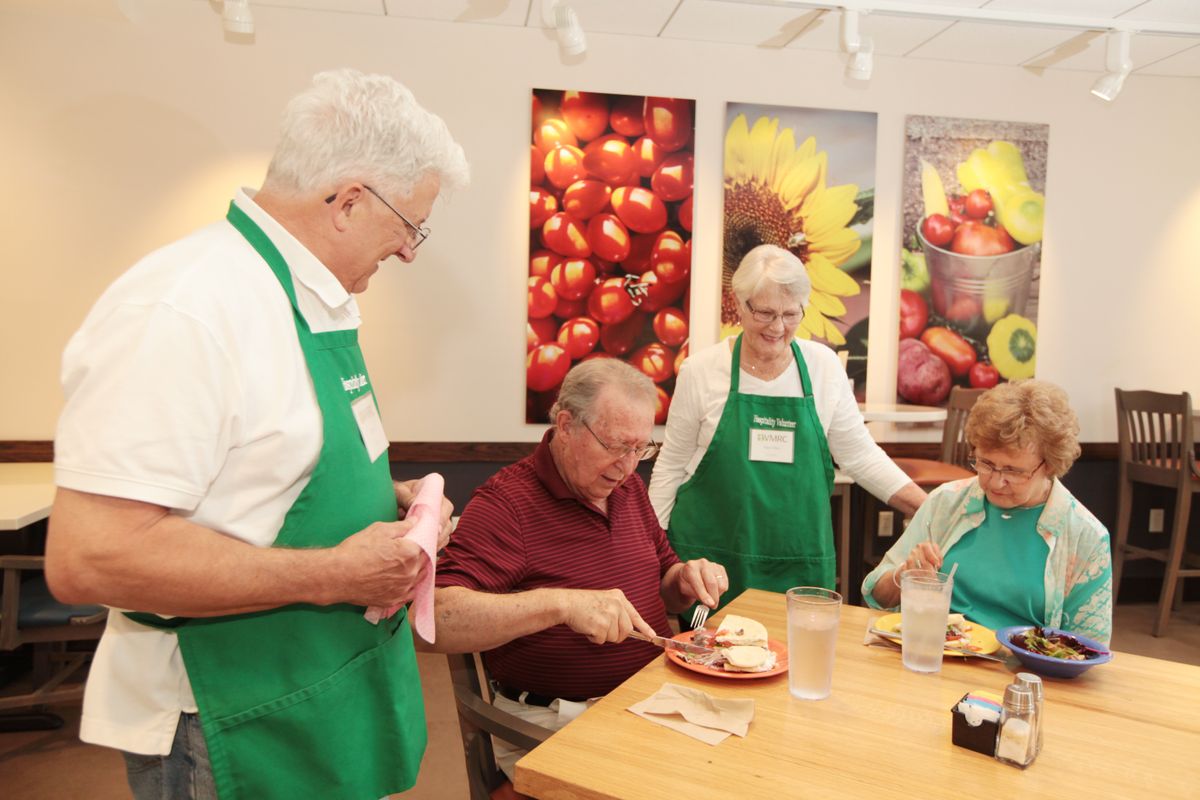
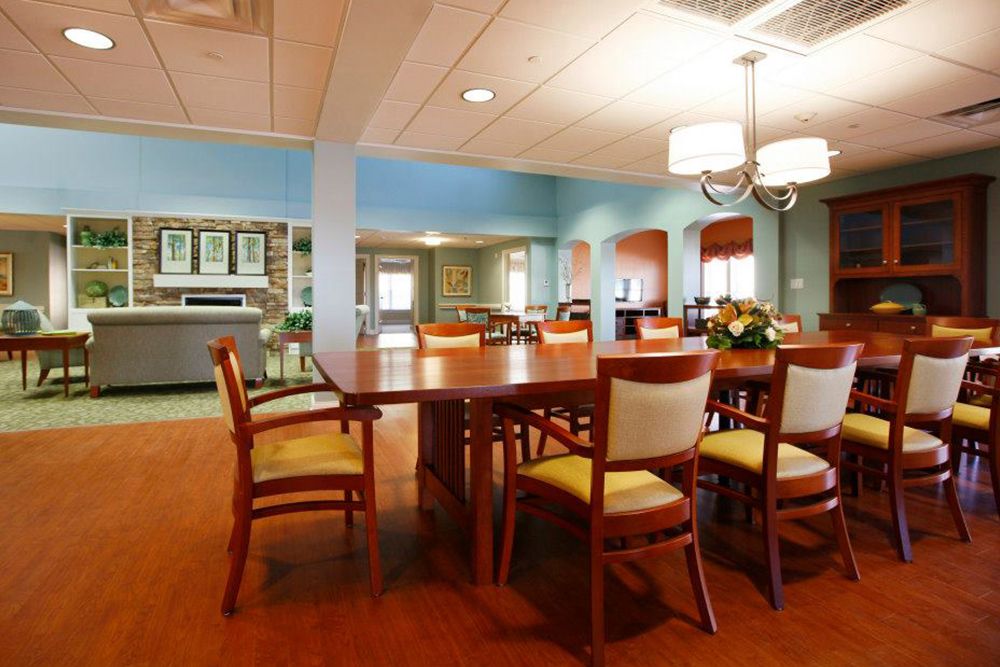
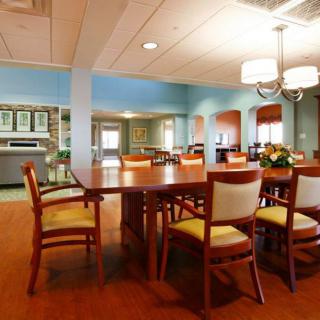
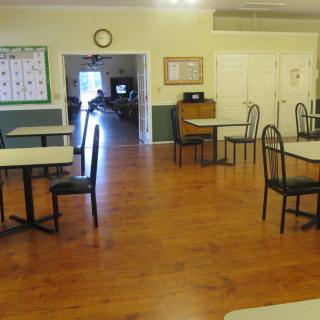
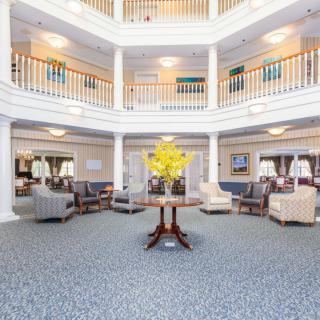
- It has multiple dining rooms and all amenities are indoors under covered walkways for year-round comfort.
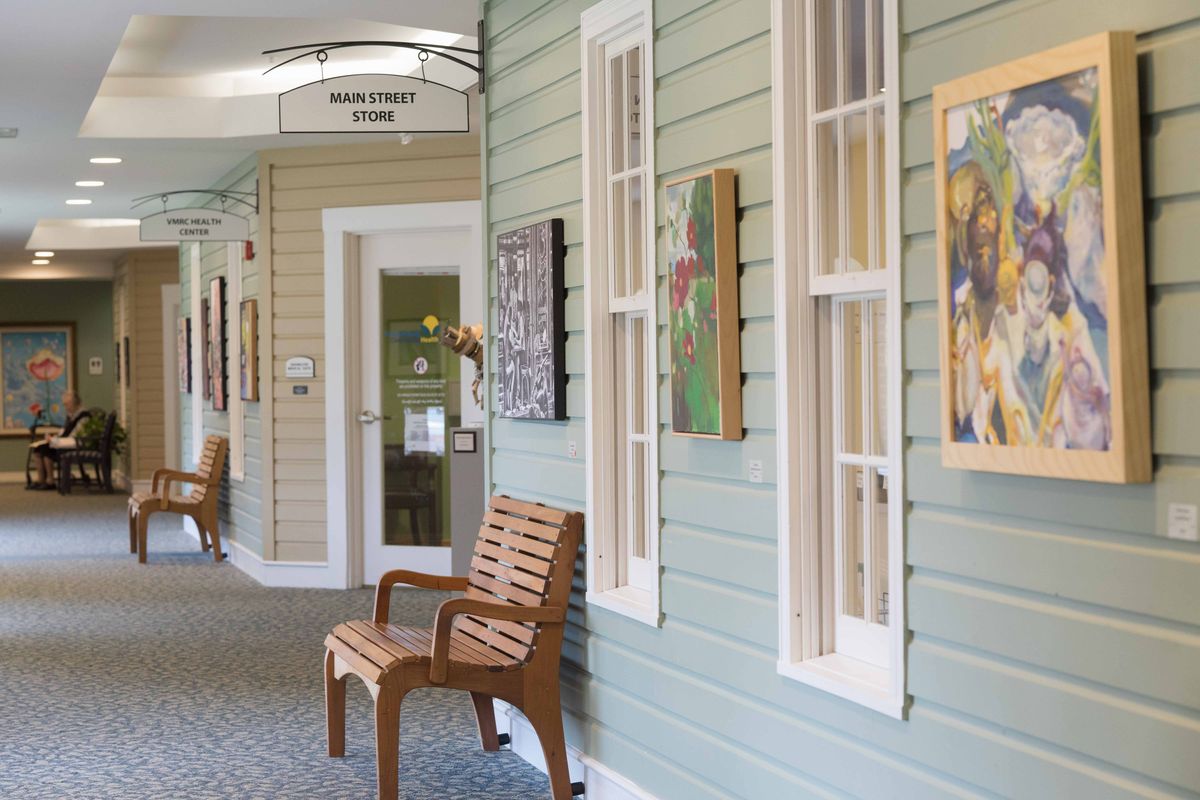
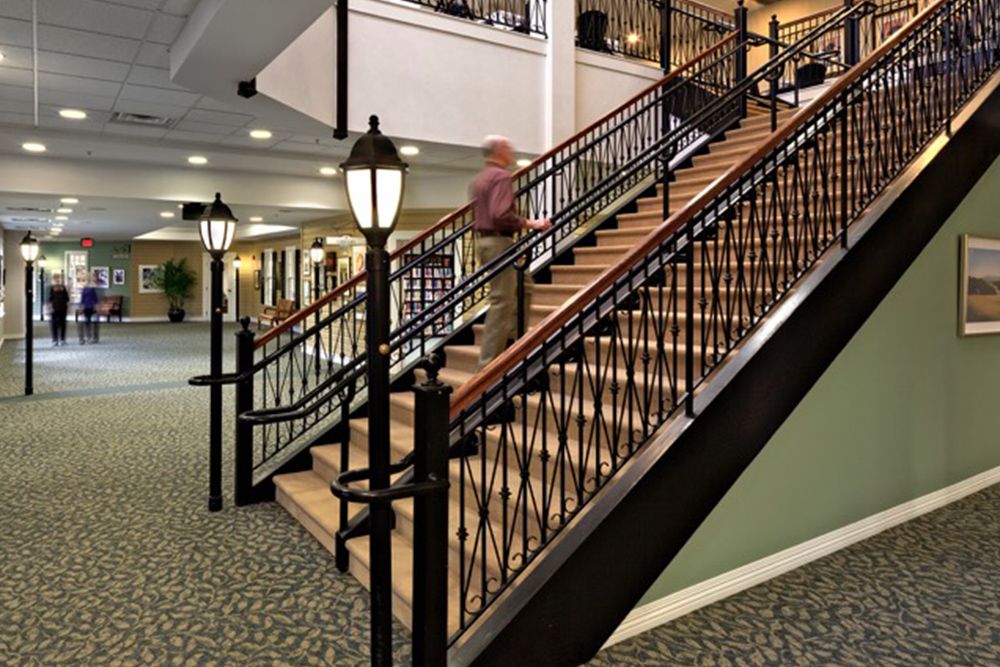
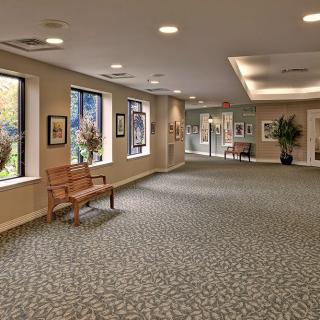
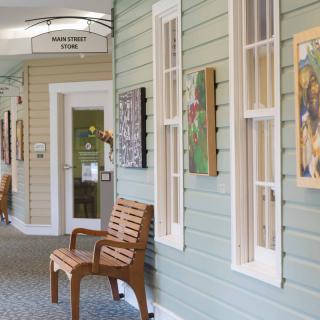
- It includes on-site conveniences like a bank, gift shop, library, and beauty parlor, all connected within the buildings.
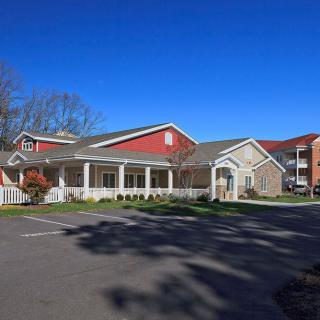
- The campus is stunning, with blooming flowers and trees and pleasant spring air.
- Residents can maintain independence while receiving personalized care and easy access to help when needed.
Review
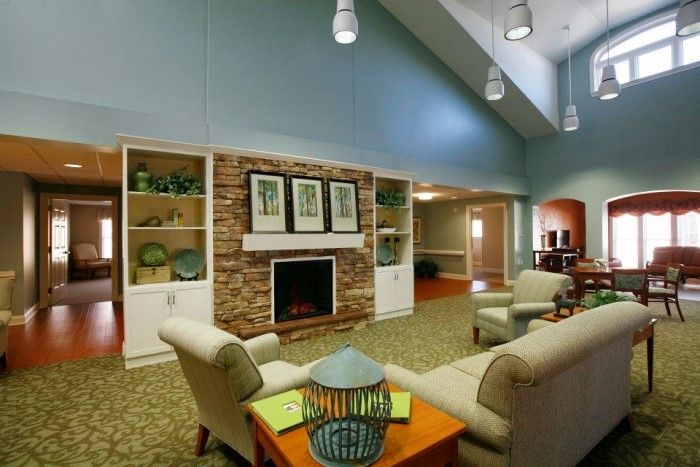
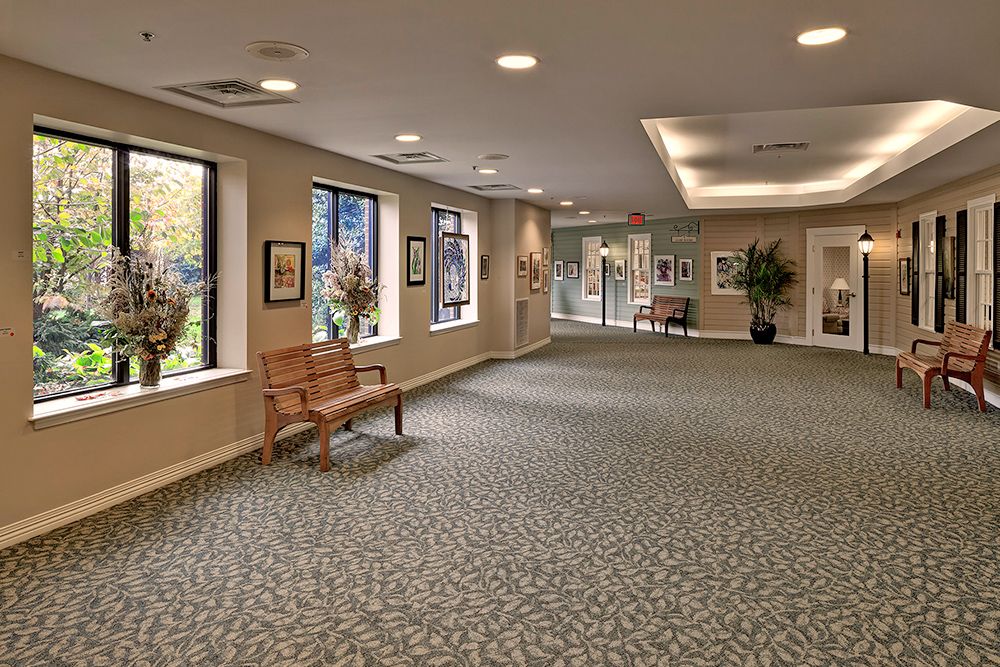
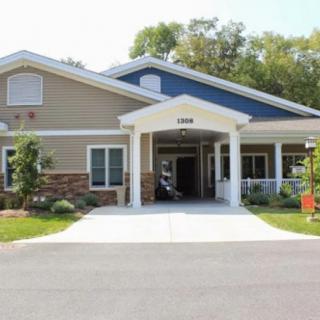
Crestwood in Harrisonburg, VA is best suited for older adults who want a true continuum of care on one campus and who value a home-like, community-forward environment that can adapt as needs evolve. It works well for couples or individuals who prefer staying in the same area near family and who appreciate transitioning from independent living to assisted living and, if needed, nursing-level support without moving to a different community. The campus design supports everyday life with weather-protected routes, multiple dining rooms, and on-site conveniences such as a bank, gift shop, library, and beauty parlor, all connected by covered walkways. That integrated structure is the decisive advantage for residents who foresee a future where independence and support coexist.
Those who should consider alternatives are typically cost-conscious buyers or households seeking a more compact, apartment-only lifestyle. If the priority is minimal upkeep, ultra-simple living, or a setting without a campus-scale footprint, Crestwood may feel larger than necessary. Likewise, families with high-acuity medical needs or a strong preference for specialized memory-care environments may want to compare communities that focus more narrowly on those services. For those who desire a quieter, more intimate setting or a downtown location with fewer miles of hallways to navigate, exploring other options could yield a better fit.
The strongest positives here revolve around accessibility, warmth, and social vitality. Staff are repeatedly described as genuinely friendly and welcoming, which helps residents feel seen and supported from day one. The continuum of care, being able to move from cottages or apartments into assisted living and on to skilled nursing within the same campus, reduces the disruption of transitions and preserves relationships with caregivers who already know the resident. The campus itself is visually appealing and inviting, with flowering landscapes and a strong sense of campus life, including theatre-like programming and opportunities for residents to participate in events or family activities. For families, the knowledge that help is readily available while residents maintain meaningful independence is a meaningful balance.
Those advantages offset potential downsides by underscoring certainty and continuity. The ability to stay in one place as care needs change means fewer moves, fewer logistical headaches, and ongoing familiarity with the surroundings, staff, and routines. Covered walkways and climate-conscious design reduce the friction and discomfort often associated with aging in place in inclement weather. On-site amenities, dining options spread across areas, social venues, banking, shopping, and library services, help residents stay engaged without leaving the property. In practical terms, this means more predictable daily rhythms, fewer logistical hassles for families, and a built-in support network that can be customized to individual needs.
The practical caveat centers on variability in daily care and attention. One review notes that care can look different for different people on the same campus, with some residents checked on more frequently than others. That reality isn’t a flaw so much as a reminder to prospective residents: request a clear, written care plan with defined response times, monitoring schedules, and specific staff assignments. The same feedback also hints at a risk that the environment can feel less intimate if expectations aren’t aligned with what the resident requires. The solution lies in upfront conversations about personalized care levels, regular care-plan reviews, and honest benchmarks for satisfaction, so the benefits of independence and community do not become muddled by ambiguity.
In sum, Crestwood stands out for aging in place with purpose: a robust campus continuum, welcoming staff, and a lively, well-supported social ecosystem. It is a strong pick for families who prize stability, location near loved ones, and a place where daily life can stay comfortably within a single community even as care needs evolve. For those prioritizing tighter budgets, extreme privacy, or highly specialized memory or high-acuity care, it is wise to compare alternatives that may better align with those specific requirements. Prospective residents should arrange a thorough tour, press for a concrete care plan, and probe cost structures and dining, mobility, and activity schedules to ensure the fit is as tight as the campus’s interconnected design.
 106 resident community capacity
 1-bedroom apartments
 Assisted Living
 Independent Living
 Memory Care
 Activities on-site
 Air-conditioning
 Beautician on-site
 Cable or satellite TV
 Computer center
 Devotional services off-site
 Dining room
 Financial aid
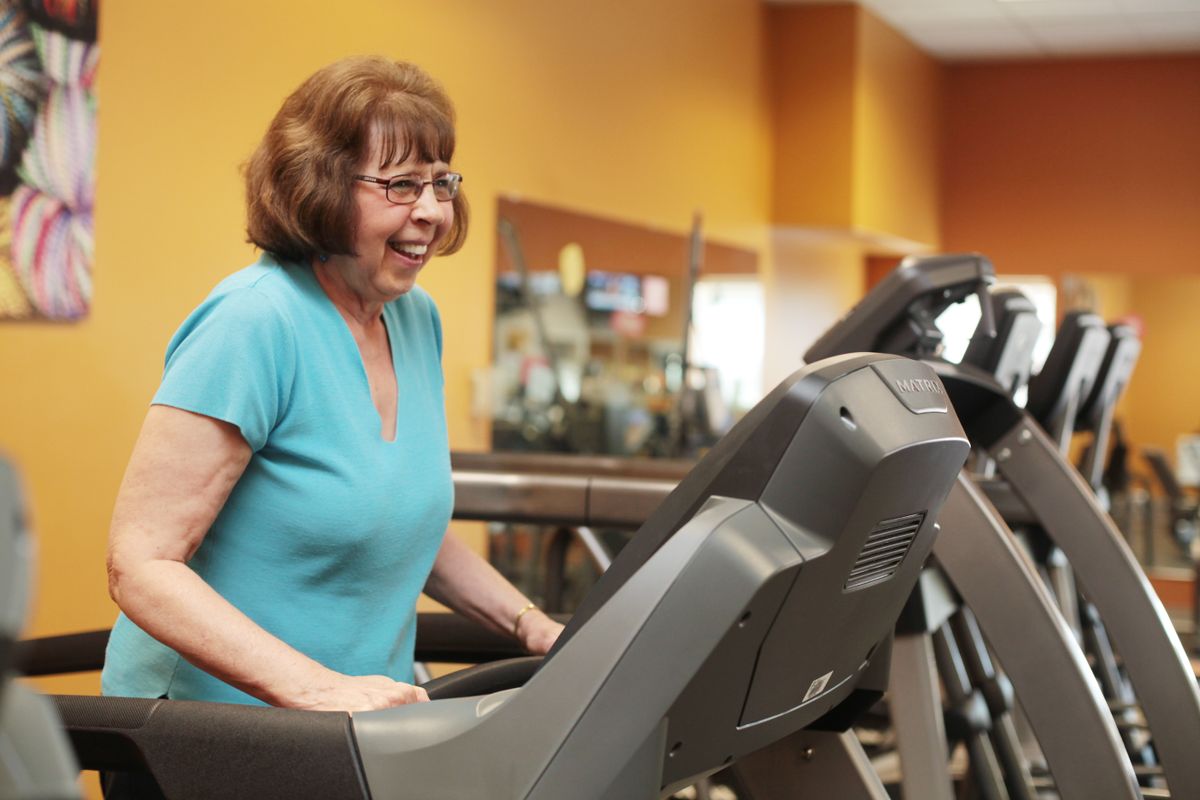
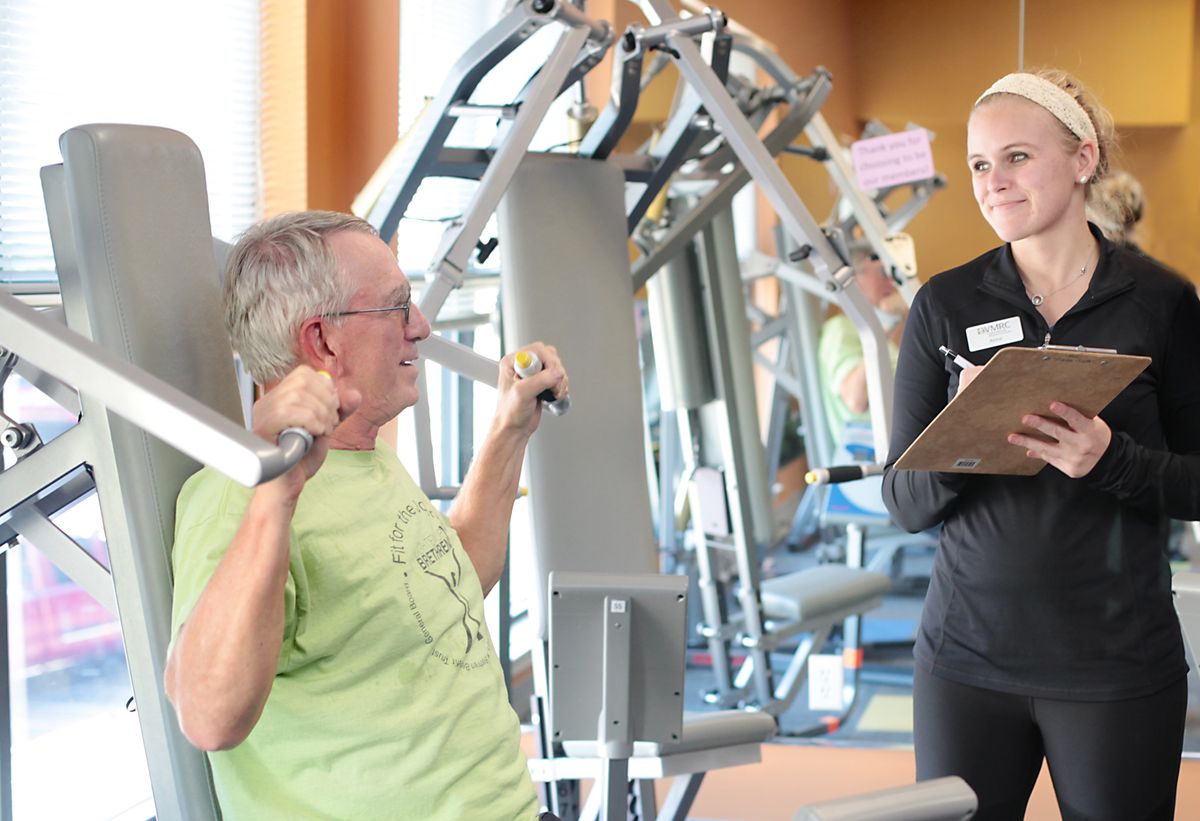
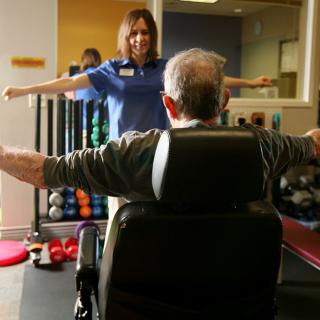
 Fitness room
 Fully furnished
 Gaming room
 Garden
 Housekeeping services
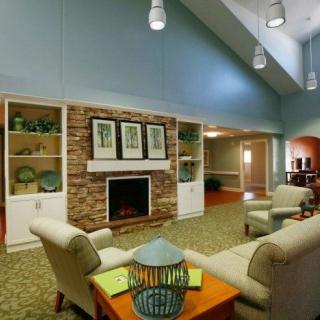
 Indoor common areas
 Kitchenette
 Laundry
 Move-in coordination
 Outdoor space
 Private bathrooms
 Restaurant-style dining
 Small library
 Telephone
 Wellness center
 Wi-Fi/high-speed internet available
 Shenandoah Valley Regional (15 miles away)
 Community operated transportation
 12-16 hour nursing
 24-hour call system
 Ambulatory care
 Assistance with bathing
 Assistance with dressing
 Assistance with transfers
 Diabetes diet
 Diabetic care
 Medication management
 Mental wellness program
 Special dietary restrictions
 Concierge services
 Planned day trips
 English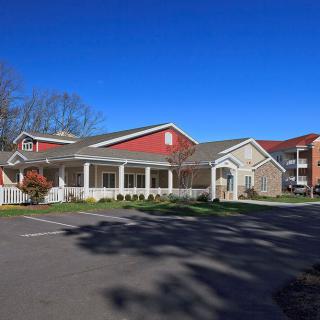

 Understanding the Distinctions: Assisted Living and Memory Care Explained
 How to Communicate with a Loved One Living with Dementia: 10 Supportive Strategies
 Comprehensive Guide to VA Nursing Homes: A Crucial Long-Term Care Resource for Veterans