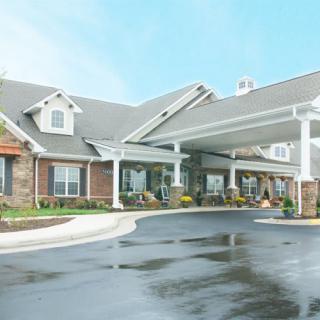
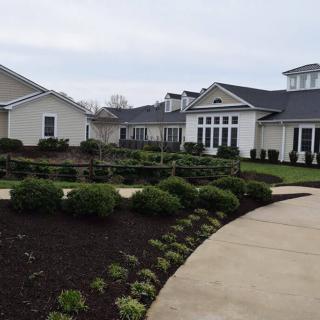
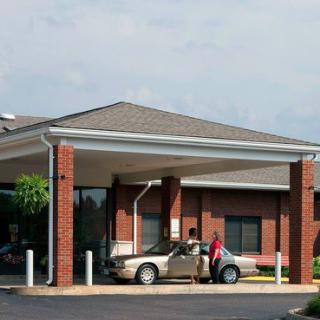
Fredericksburg Health And Rehab in Fredericksburg, VA

Save
Fredericksburg Health And Rehab Fredericksburg Health And Rehab Fredericksburg Health And Rehab Fredericksburg Health And Rehab

Fredericksburg Health And Rehab in Fredericksburg, VA

Information last verified:

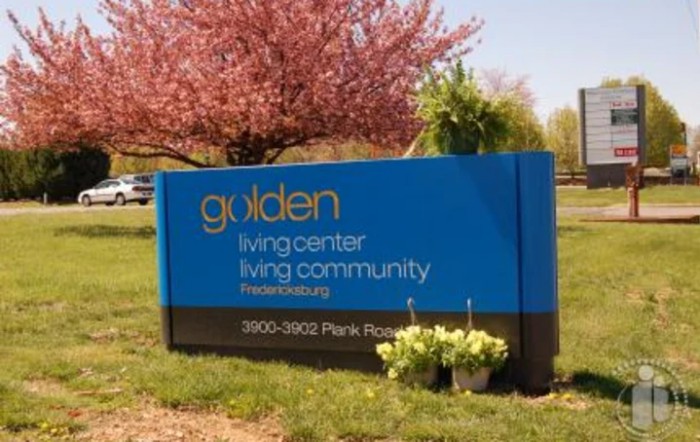
3900 Plank Road, Fredericksburg, VA 22407

For more information about senior living options: (844) 490-3973

3 from 60 reviews
5 stars
26
4 stars
2
3 stars
5
2 stars
2
1 stars
25

Fredericksburg Health And Rehab Costs & Pricing

Fredericksburg Health and Rehab offers competitive pricing for its services, with monthly costs reflecting the quality of care provided. For a semi-private room, residents can expect to pay $4,797, which is slightly higher than the average in Fredericksburg city at $4,189 and notably above the state average of $3,991. When opting for a private room, the cost rises to $5,028, again surpassing local and statewide benchmarks - $4,916 in Fredericksburg city and $4,684 across Virginia. These figures indicate that while Fredericksburg Health and Rehab may be positioned at the premium end of the spectrum compared to its immediate surroundings and statewide statistics, they likely reflect an emphasis on enhanced amenities or specialized care within their facility.

Floor plansFredericksburg Health And RehabFredericksburg cityVirginia
Semi-Private$4,797$4,189$3,991
Private$5,028$4,916$4,684

Overall Review of Fredericksburg Health And Rehab

Pros

  • pro The reviewer described the facility experience as outstanding, with attentive and encouraging staff delivering superb care.
  • pro The facility is praised for great quality measures and dedicated staff.
  • pro Alverna is commended for professionalism and prompt assistance; the facility is clean, with friendly staff and good food.
  • pro The meals were hot and tasty, and the nurses are caring and sympathetic to patients’ needs.
  • pro The team is hardworking and dedicated to delivering quality care.
  • pro The administration staff is helpful and provides timely updates.
  • pro The facility was described as very clean, well-lit, and welcoming by several reviewers.
  • pro New management is noted to have significantly improved operations; the reviewer would recommend them.
  • pro The staff provided excellent respite care experiences, with residents seeming engaged and happy.

Cons

  • pro The reviewers call the facility the worst place to send someone, with 95% of the staff caring less and unfit for healthcare.
  • pro Roaches are reported everywhere, and the staff are rude and unprofessional.
  • pro A resident was left lying in feces and urine for hours with no timely nurse response.
  • pro The building is described as outdated, dirty, and poorly maintained, with poor sanitation and inadequate bedding.
  • pro Medications were mishandled or not provided, and discharge paperwork violated privacy laws.
  • pro Administration and the director of nursing are described as unprofessional, rude, and disrespectful.
  • pro Staff are perceived as overworked and unresponsive, leaving patients unattended or inadequately cared for.
  • pro Window visits during COVID were restricted in a way that felt uncaring and poorly explained.

Review

Fredericksburg Health and Rehab is best suited for families seeking short-term rehab or respite care where front-line caregivers are consistently engaged, the facility is clean and welcoming, and there is an ability to stay closely involved in the care plan. The strongest cases come from loved ones who want reliable daily nursing and therapy attention, clear and regular updates to families, and a setting that supports a smoother transition back home. When a stay is focused on rehabilitation or transition, and there is room for active advocacy to ensure timely responses, this community can deliver meaningful results. It works best for those who can participate in planning, push for timely attention when needed, and value a staffing culture that prioritizes hands-on care and daily progress.

Those who may want to consider alternatives are families facing higher-acuity needs or persistent safety concerns. Reviews repeatedly flag understaffing, slow response times, and occasional lapses in basic care that can be unacceptable for residents requiring constant monitoring or complex medical management. Cleanliness and maintenance concerns, odors, and outdated room configurations emerge as recurring negatives. For memory care or behaviorally challenging residents, the evidence suggests looking at facilities with stronger, more consistent dementia-focused protocols and better overall administrative discipline. In short, this community can work, but the risk profile is significant for long-term or demanding care needs.

The strongest positives, dedicated staff, a clean, welcoming environment, and a functional rehab program, do have real practical impact. Several reviewers credit nurses, aides, and therapists who provide compassionate, attentive care and frequent family updates. A well-run admission process and a facility that appears responsive to resident needs can translate into smoother transitions and better daily life for short stays or post-acute rehab. When leadership stabilization occurs, such as fresh direction from a Director of Nursing and a new Kitchen Manager, operational consistency often improves, communication tightens, and resident experiences rise. These pros can offset some concerns about staffing gaps or administrative lapses, but only if management maintains that momentum over time and families remain vigilant to maintain continuity of care.

From a family-in-the-trenches perspective, practical evaluation should focus on up-to-date leadership, tangible cleanliness, and real-world daily routines. Visitors should assess whether the building feels fresh, smells are controlled, and rooms are adequately equipped for safety and privacy. Staff responsiveness should be tested by asking for help with routine needs and by observing how therapy handoffs occur. For memory care considerations, confirm the existence and proper staffing of any locked units, and review how changes in a resident’s condition are communicated. Medication handling, discharge planning, and the handling of personal belongings are critical logistics to verify. The goal is to confirm that the positive attributes are sustainable and that the drawbacks aren’t a pattern.

The decision framework centers on risk tolerance and care complexity. If rehab momentum, cleanliness, and front-line engagement are prioritized, and management demonstrates sustained improvement, a short-to-moderate trial period with explicit milestones and written accountability can be reasonable. If chronic understaffing, administrative disorganization, or safety concerns persist, exploring alternatives becomes prudent, especially for memory care and higher-acuity needs. For families weighing respite or post-acute rehab, Fredericksburg Health and Rehab offers potential value when clear expectations are set and oversight remains rigorous. For long-term care where daily consistency, safety, and dignity are non-negotiable, a more consistently reliable operator may be the safer choice.

Families should approach with a plan to verify current operations and performance. Schedule focused visits to observe staff responsiveness, care routines, and resident interactions in multiple units. Request candid time with the DON or administrator and obtain recent state inspection results or survey summaries. Compare with nearby facilities that have stronger reputations for safety, staffing stability, and dementia care, and ask current residents or family members about daily life, meal quality, and activity options over an entire week rather than a single visit. A well-informed decision balances the chance of solid rehab outcomes and a compassionate environment against persistent administrative and care-quality gaps. With disciplined due diligence, the choice becomes clear: this community can be a fit for some families, but others will find stronger alignment elsewhere.

Features

Housing

  • 177 resident community capacity 177 resident community capacity

Types of Care

  • Assisted Living Assisted LivingAssisted living facilities provide crucial support and care for seniors who may need help with daily tasks such as medication management, bathing, and meal preparation. These communities offer a safe and comfortable environment where seniors can maintain their independence while receiving the assistance they need to thrive in their golden years.
  • Skilled Nursing Facility Skilled Nursing FacilitySkilled Nursing Facilities are crucial for seniors as they provide round-the-clock medical care, rehabilitation services, and assistance with daily activities. These facilities ensure that seniors receive the specialized care they need to maintain their health and well-being as they age.

Amenities

  • Activities on-site Activities on-siteActivities on-site are important for seniors because they provide opportunities for socialization, mental stimulation, physical activity, and overall well-being. Engaging in activities can help seniors stay active, maintain their independence, and improve their quality of life.
  • Air-conditioning Air-conditioningAir conditioning is important for seniors as they are more vulnerable to heat-related illnesses and may have underlying health conditions that make it difficult for them to regulate their body temperature. It helps to keep them comfortable, safe, and healthy in hot weather.
  • Beauty salon Beauty salonBeauty salons are important for seniors because they provide a space for them to feel pampered, socialize, and maintain their personal grooming and hygiene. Regular visits to a beauty salon can help boost seniors' self-esteem and overall well-being.
  • Cable or satellite TV Cable or satellite TVCable or satellite TV is important for seniors because it provides entertainment, news, and companionship, helping to combat loneliness and boredom. It also offers a wide range of programming options tailored to different interests and preferences.
  • Computer center Computer centerA computer center is essential for seniors as it provides access to technology, communication tools, and resources that can enhance their daily lives. It allows them to stay connected with loved ones, engage in online activities, and learn new skills, ultimately promoting socialization and mental stimulation.
  • Devotional services off-site Devotional services off-siteDevotional services off-site are important for seniors as they provide spiritual nourishment, social engagement, and a sense of community outside of the senior living facility. This can enhance overall well-being and help combat feelings of isolation and loneliness often experienced by older adults.
  • Dining room Dining roomDining rooms are important for seniors as they provide a space for socialization, connection, and nutritious meals. They offer opportunities for residents to bond over shared meals, foster a sense of community, and promote healthy eating habits. Dining rooms also ensure that seniors have access to well-balanced meals tailored to their dietary needs and preferences.
  • Fitness room Fitness roomHaving a fitness room in a senior living community is essential for seniors to stay active, maintain their physical health, and improve their overall well-being. Regular exercise can help prevent falls, reduce the risk of chronic diseases, and promote mental sharpness. It also provides social opportunities for residents to connect with others and enjoy a sense of community.
  • Fully furnished Fully furnishedFully furnished senior living communities are important for seniors because they provide convenience, comfort, and a hassle-free moving experience. Seniors can easily settle into their new living space without the stress of having to buy and move furniture. This allows them to focus on enjoying their new home and community.
  • Gaming room Gaming roomGaming rooms are important for seniors as they provide a fun and engaging environment for socializing, cognitive stimulation, and physical activity. Games can improve memory, problem-solving skills, and overall mental well-being while fostering friendships and reducing feelings of isolation.
  • Garden GardenGardens are important for seniors as they provide a peaceful and therapeutic environment for relaxation, physical activity, and socialization. Being in nature has been shown to reduce stress, improve mood, and promote overall well-being. Gardens also offer opportunities for seniors to engage in gardening activities, which can improve mobility, flexibility, and cognitive function. Additionally, gardens create a sense of community and connection with others who share a passion for plants and outdoor spaces.
  • Housekeeping services Housekeeping servicesHousekeeping services are important for seniors because they help maintain a clean and safe living environment, promote independence, and reduce the risk of accidents or illnesses. Additionally, having assistance with household chores can alleviate physical strain and allow seniors to focus on other aspects of their well-being.
  • Indoor common areas Indoor common areasIndoor common areas are crucial for seniors as they provide a space for socialization, recreation, and community engagement, promoting overall well-being and reducing feelings of isolation and loneliness.
  • Kitchenette KitchenetteKitchenettes are important for seniors living in senior living communities because they provide the convenience and independence of being able to prepare simple meals and snacks in the comfort of their own living space. This can help promote a sense of autonomy and well-being for seniors, allowing them to maintain some level of control over their dietary choices and daily routines.
  • Move-in coordination Move-in coordinationMove-in coordination is important for seniors because it helps ease the transition into their new living environment. It ensures that all logistics, such as packing, organizing movers, and setting up utilities are taken care of, allowing seniors to focus on settling in and adjusting to their new home. Having a smooth move-in process can alleviate stress and anxiety, making the transition smoother and more enjoyable for seniors.
  • Outdoor space Outdoor spaceOutdoor spaces are important for seniors as they provide opportunities for physical activity, social interaction, exposure to natural light and fresh air, and a sense of connection to nature. Having access to outdoor spaces can improve overall well-being and quality of life for older adults living in senior communities.
  • Private PrivatePrivacy is important for seniors as it allows them to maintain their independence, dignity, and sense of control over their own lives. It also gives them the space and freedom to relax, reflect, and engage in activities that bring them joy and fulfillment. Creating private spaces within senior living facilities is crucial for promoting overall well-being and quality of life.
  • Private bathrooms Private bathroomsPrivate bathrooms are important for seniors in senior living communities because they provide independence, dignity, and comfort. Having a private bathroom allows seniors to maintain their personal hygiene routines without the need for assistance, promoting a sense of autonomy and privacy. Additionally, private bathrooms help prevent the spread of infections and provide a safe and clean environment for seniors to navigate safely.
  • Restaurant-style dining Restaurant-style diningRestaurant-style dining is important for seniors because it allows them to enjoy delicious, nutritious meals in a social and upscale setting. This enhances their dining experience, promotes healthy eating habits, and fosters socialization with fellow residents, ultimately contributing to their overall well-being and quality of life.
  • Small library Small librarySmall libraries are important for seniors as they provide access to a variety of reading materials, including books, newspapers, and magazines. This can help stimulate their minds, keep them engaged, and provide a sense of community through book clubs and other social activities. Additionally, reading has been shown to improve cognitive function and overall mental well-being in older adults.
  • Telephone TelephoneTelephones are important for seniors as they provide a lifeline for communication with loved ones, emergency services, and healthcare providers. They offer a sense of security and independence, enabling seniors to stay connected and access assistance when needed.
  • Wellness center Wellness centerWellness centers are important for seniors because they offer a variety of programs and services that promote physical, mental, and emotional well-being. These centers provide opportunities for exercise, socialization, education, and relaxation, helping seniors maintain their overall health and quality of life.
  • Wi-Fi/high-speed internet available Wi-Fi/high-speed internet availableWi-Fi/high-speed internet is important for seniors to stay connected with loved ones, access online resources, and participate in virtual activities to combat feelings of loneliness and isolation. It also allows them to easily manage healthcare needs, access entertainment, and engage in lifelong learning opportunities.

Transportation

  • Community operated transportation Community operated transportationCommunity operated transportation is crucial for seniors as it provides them with the means to access essential services, social activities, and medical appointments. It allows seniors to maintain their independence and quality of life by ensuring they can participate in activities outside of their homes. Additionally, community-operated transportation services offer a safe and reliable way for seniors to travel without having to rely on family or friends for assistance.
  • Transportation arrangement Transportation arrangementTransportation arrangements are crucial for seniors as they may face challenges with driving, mobility, or access to public transportation. Having reliable transportation services ensures that seniors can easily attend appointments, social activities, and maintain their independence and quality of life.
  • Transportation arrangement (non-medical) Transportation arrangement (non-medical)Transportation arrangements are essential for seniors as they provide access to essential services, activities, and social interactions outside the home. This service helps maintain independence, mobility, and overall well-being for seniors who may have limited transportation options.
  • Transportation to doctors appointments Transportation to doctors appointmentsTransportation to doctors appointments is crucial for seniors as it ensures they have access to necessary medical care and support, promoting their health and well-being. It allows them to receive timely treatment, monitor existing conditions, and address any new health concerns efficiently. Additionally, transportation services can help seniors maintain their independence and quality of life by enabling them to stay connected with their healthcare providers.

Care Services

  • 12-16 hour nursing 12-16 hour nursing12-16 hour nursing care is crucial for seniors in order to ensure around-the-clock monitoring, timely medication administration, and prompt response to any health concerns or emergencies. This level of care helps to promote the overall well-being and safety of seniors living in senior living communities.
  • 24-hour call system 24-hour call system24-hour call systems are important for seniors because they provide peace of mind and immediate assistance in case of emergencies. This technology ensures that help is always available, promoting safety and security for elderly individuals living alone or in assisted living facilities.
  • 24-hour supervision 24-hour supervision24-hour supervision is important for seniors to ensure their safety, well-being, and access to immediate assistance in case of emergencies or health issues. This constant support provides peace of mind for both seniors and their loved ones, allowing them to age in place with dignity and security.
  • Activities of daily living assistance Activities of daily living assistanceActivities of daily living assistance are important for seniors because they provide essential support with tasks such as eating, bathing, dressing, and mobility. This assistance helps seniors maintain their independence, dignity, and overall quality of life as they age.
  • Ambulatory care Ambulatory care"Ambulatory care services provide essential medical support and treatment to seniors without requiring hospitalization, allowing them to maintain their independence and quality of life while managing chronic conditions or receiving routine medical care."
  • Assistance with bathing Assistance with bathingAssistance with bathing is crucial for seniors as it helps maintain personal hygiene, prevents infections, and ensures their overall well-being and comfort. It also provides a sense of dignity and independence for seniors who may struggle with this task on their own.
  • Assistance with dressing Assistance with dressingAssistance with dressing is important for seniors because it helps maintain their independence, promotes personal hygiene, prevents accidents and injuries, and improves overall quality of life. This service ensures that seniors can continue to dress comfortably and confidently, despite any physical limitations they may have.
  • Assistance with transfers Assistance with transfersAssistance with transfers is crucial for seniors as it helps prevent falls and injuries, maintains their independence, and ensures they can safely navigate their living environment. It also provides peace of mind for both seniors and their loved ones.
  • Diabetes diet Diabetes dietA diabetes diet is crucial for seniors as it helps manage blood sugar levels, reduce risks of complications, and improve overall health and well-being. By following a balanced and nutritious diet tailored to their specific needs, seniors can better control their diabetes and enhance their quality of life.
  • Diabetic care Diabetic careDiabetic care is crucial for seniors as they are more susceptible to developing diabetes due to aging and other health conditions. Proper management of diabetes can help prevent complications such as heart disease, vision loss, and nerve damage, improving the overall quality of life for seniors in senior living communities.
  • Meal preparation and service Meal preparation and serviceMeal preparation and service are crucial for seniors as they may have limited mobility or energy to cook nutritious meals. Having access to healthy and convenient food options can ensure they are getting the proper nutrition needed to maintain their overall health and well-being.
  • Medication management Medication managementMedication management is crucial for seniors to ensure they are taking the right medications at the correct dosages and times. This helps prevent adverse drug interactions, reduces the risk of medication errors, and promotes overall health and well-being. Proactive management also allows for adjustments as needed based on changing health conditions or new prescriptions.
  • Mental wellness program Mental wellness programMental wellness programs are essential for seniors as they promote cognitive stimulation, emotional support, and social engagement. These programs help prevent isolation, depression, and cognitive decline, ultimately enhancing the overall quality of life for older adults.
  • Special dietary restrictions Special dietary restrictionsSpecial dietary restrictions are important for seniors because age-related changes in metabolism and health conditions can make it difficult for their bodies to process certain foods. By following a diet tailored to their specific needs, seniors can maintain their overall health and well-being, manage chronic conditions, and reduce the risk of complications such as malnutrition or food interactions with medications.

Dining

  • Diabetes diet Diabetes dietA diabetes diet is crucial for seniors as it helps manage blood sugar levels, reduce risks of complications, and improve overall health and well-being. By following a balanced and nutritious diet tailored to their specific needs, seniors can better control their diabetes and enhance their quality of life.
  • Meals provided Meals provided"Meals provided" are crucial for seniors in assisted living communities as it ensures they have access to nutritious, balanced meals without the stress of meal planning and preparation. This can help promote overall health and well-being for seniors who may have limited mobility or cognitive abilities.
  • Special dietary restrictions Special dietary restrictionsSpecial dietary restrictions are important for seniors because age-related changes in metabolism and health conditions can make it difficult for their bodies to process certain foods. By following a diet tailored to their specific needs, seniors can maintain their overall health and well-being, manage chronic conditions, and reduce the risk of complications such as malnutrition or food interactions with medications.

Activities

  • Activities on-site Activities on-siteActivities on-site are important for seniors because they provide opportunities for socialization, mental stimulation, physical activity, and overall well-being. Engaging in activities can help seniors stay active, maintain their independence, and improve their quality of life.
  • Community-sponsored activities Community-sponsored activitiesCommunity-sponsored activities are important for seniors as they provide opportunities for social interaction, mental stimulation, and physical activity. These activities can help improve overall well-being, combat loneliness and isolation, and promote a sense of belonging and purpose among older adults.
  • Concierge services Concierge servicesConcierge services are essential for seniors as they provide assistance with daily tasks and errands, enhance their quality of life by offering convenience and personalized care, and promote a sense of safety and security.
  • Devotional activities offsite Devotional activities offsiteDevotional activities offsite are important for seniors because they provide social engagement, spiritual growth, and a sense of community outside of their living environment. This can improve overall well-being, mental health, and combat feelings of isolation or loneliness.
  • Fitness programs Fitness programsFitness programs are crucial for seniors as they help improve strength, flexibility, balance, and overall well-being. Staying active can reduce the risk of chronic diseases, improve mental health, and enhance quality of life in older adults.
  • Planned day trips Planned day tripsPlanned day trips are important for seniors because they offer opportunities for socialization, mental stimulation, and physical activity. They provide a change of scenery and help seniors stay engaged and connected to their community, promoting overall well-being and quality of life.
  • Resident-run activities Resident-run activitiesResident-run activities are important for seniors as they encourage social interaction, creativity, and a sense of autonomy. These activities empower seniors to stay engaged and active in their community while fostering meaningful connections with their peers.
  • Scheduled daily activities Scheduled daily activitiesScheduled daily activities are important for seniors because they provide structure, socialization, mental stimulation, and physical activity. Engaging in regular activities can improve overall well-being and quality of life for seniors living in a community setting.

Description

Fredericksburg Health And Rehab is an assisted living community located in Fredericksburg, VA. Our skilled nursing facility provides comprehensive care for individuals who require additional assistance with daily living activities or medical supervision.

Our community offers a range of amenities to ensure the comfort and convenience of our residents. Each room is fully furnished and air-conditioned, providing a comfortable living space. Residents can enjoy various recreational activities in our gaming room, fitness room, small library, and garden. We also offer a computer center and Wi-Fi/high-speed internet access for those who wish to stay connected.

Dining at Fredericksburg Health And Rehab is a delightful experience as we provide restaurant-style dining with meals prepared by our professional staff. We accommodate special dietary restrictions to ensure that every resident's nutritional needs are met.

We strive to create a vibrant and engaging environment for our residents through community-sponsored activities, fitness programs, planned day trips, and resident-run activities. Additionally, concierge services are available to assist residents with any non-medical transportation arrangements they may need.

The safety and well-being of our residents are of utmost importance to us. To ensure round-the-clock care and assistance, we have 24-hour call systems and supervision in place. Our dedicated staff provides assistance with daily living activities such as bathing, dressing, transfers, and medication management. We also offer specialized care for individuals with diabetes.

Fredericksburg Health And Rehab is conveniently located near several amenities including cafes, pharmacies, physicians' offices, restaurants, places of worship, and theaters. This allows for easy access to various services and opportunities outside the community.

Overall, Fredericksburg Health And Rehab aims to provide personalized care in a comfortable and supportive environment where residents can maintain their independence while receiving the necessary assistance they require for their well-being.

Nearby Places of Interest

This part of Fredericksburg, Virginia, offers a variety of healthcare options with several physicians' offices and specialty centers located within walking distance. The proximity of restaurants, including popular chains such as Cheddar's Scratch Kitchen and Chick-Fil-A, provides convenient dining choices. Additionally, there are multiple pharmacies nearby for easy access to medication and healthcare supplies. For recreational activities, there are theaters like Regal Fredericksburg & IMAX for entertainment. Residents can also find places of worship, such as St Mary Of The Immaculate Conception, within a short drive. Overall, this area boasts a mix of healthcare services, dining options, entertainment venues, and spiritual resources that may be appealing to seniors looking to settle in a convenient and accessible neighborhood.

Physicians

  • Centre Pointe Health Specialties (0 miles)
  • Dr Ruby Thomas, MD (0 miles)
  • Vista Eye Specialists (0.2 miles)
  • Cancer Center of Virginia (0.2 miles)
  • Fredericksburg Christian Health Center (0.2 miles)
  • Children's Health PC (0.3 miles)
  • Fall Hill Pediatrics (0.3 miles)

Restaurants

  • Checkers (0.1 miles)
  • Cheddar's Scratch Kitchen (0.1 miles)
  • Chick-Fil-A (0.4 miles)
  • Red Lobster (0.5 miles)
  • Chili's Grill & Bar (0.6 miles)
  • McDonald's (0.6 miles)
  • Durango Grill (0.6 miles)

Pharmacies

  • CVS Pharmacy (0.4 miles)
  • CVS Pharmacy (1.6 miles)
  • Wegmans (1.8 miles)
  • Giant Pharmacy (2.2 miles)
  • Walgreens (2.3 miles)
  • CVS Pharmacy (2.4 miles)
  • CVS Pharmacy (3 miles)

Cafes

  • Starbucks (0.4 miles)
  • Panera Bread (1.3 miles)
  • Starbucks (2.3 miles)
  • Starbucks (2.4 miles)

Theaters

  • Regal Fredericksburg & IMAX (0.6 miles)
  • Paragon Village 12 (0.8 miles)

Places of Worship

  • St Mary Of The Immaculate Conception (2.7 miles)

Frequently Asked Questions

How much does it cost to live at Fredericksburg Health And Rehab in Fredericksburg, VA?
Where is Fredericksburg Health And Rehab?
What photos are available for Fredericksburg Health And Rehab in Fredericksburg, Virginia?

Nearby Communities

  • Fredericksburg Assisted Living

    Fredericksburg Assisted Living

    Fredericksburg, VA

    3.2 from 25 reviews
    $2,300 to $3,735 / month

    pro Small, home-like community with caring, around-the-clock staff and affordable rates.
  • Paramount Senior Living at Fredericksburg

    Paramount Senior Living at Fredericksburg

    Fredericksburg, VA

    4.5 from 125 reviews
    $2,820 to $5,425 / month

    pro Clean, welcoming environment with responsive staff and engaging activities.

  • The Meadows of Salem Run

    The Meadows of Salem Run

    Fredericksburg, VA

    4.7 from 21 reviews
    $735 to $960 / month

    pro Affordable rates (1-bed $735, 2-bed $960) versus Fredericksburg city and Virginia averages.

  • River Crossing at Spring Arbor

    River Crossing at Spring Arbor

    Fredericksburg, VA


    pro Comprehensive amenities and care services (meals, medication management, Wi-Fi/phone).

  • Spring Arbor of Fredericksburg

    Spring Arbor of Fredericksburg

    Fredericksburg, VA

    4.7 from 63 reviews
    $5,618 to $7,116 / month

    pro Caring, professional staff in a clean, well-maintained, intimate setting with proactive family communication and engaging activities.

  • Carriage Hill Health And Rehab Center

    Carriage Hill Health And Rehab Center

    Fredericksburg, VA

    4.2 from 128 reviews
     

    pro Warm, welcoming atmosphere with engaging activities and attentive staff in some cases.

  • Jubilation

    Jubilation

    Fredericksburg, VA

    4.9 from 99 reviews
    $3,026 to $4,176 / month

    pro Upscale, resort-style living with extensive on-site amenities and a strong activity calendar.

  • Summerlake

    Summerlake

    Fredericksburg, VA

    4 from 1 review
     

    pro Strong community and social life.

  • Legacy Woods

    Legacy Woods

    Fredericksburg, VA


    pro Intimate setting with personalized care and comprehensive services.

Assisted Living in Nearby Cities

Related Resources

  • assisted living insuranceAssisted Living Expenses and Long-Term Care Insurance: A Comprehensive Exploration

    The article discusses assisted living expenses, the importance of long-term care insurance in covering these costs, and various financing options, highlighting the need for careful policy review and early planning to address potential needs. It also clarifies common misconceptions about Medicare and private health insurance limitations regarding long-term care coverage.

  • how to pay for assisted livingSecuring Financial Support for Assisted Living: A Comprehensive Overview

    Assisted living facilities offer crucial support for older adults needing help with daily activities but come with varying and significant costs, which can be financed through personal savings, government assistance programs, long-term care insurance, and home equity options. Professional guidance from experts can aid families in navigating these financial complexities to establish a sustainable budgeting approach for assisted living services.

  • assisted living for seniors on social securitySocial Security Benefits and Assisted Living: Navigating Options Across the U.S.
    Assisted living costs often exceed Social Security benefits, necessitating a combination of funding sources like state aid and Medicaid. Understanding the interaction between Social Security programs and available financial support is essential for affording such care.