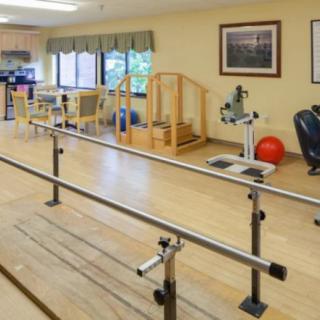
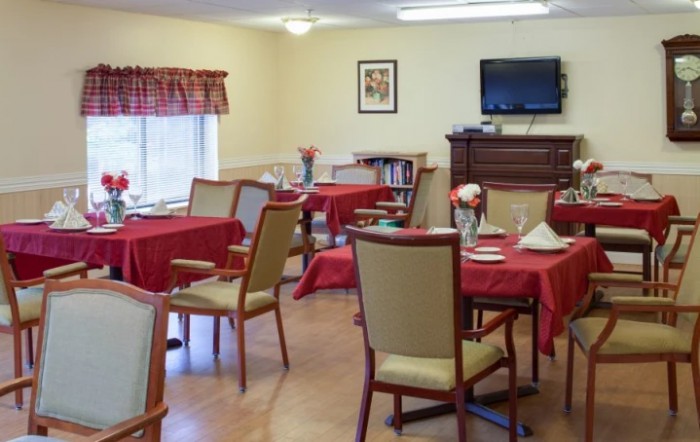

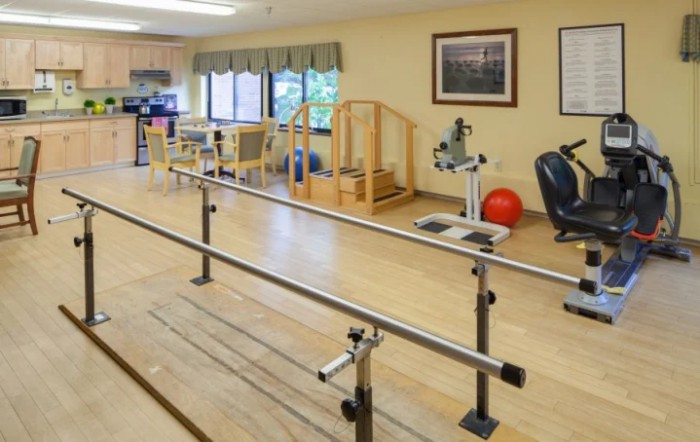
105 Chester Road, Springfield, VT 05156
For more information about senior living options: (866) 208-4318
Overall Review of Springfield Health and Rehabilitation Center
Pros
 The staff are wonderful, patient, and kind.
- The staff are very helpful and friendly.
- Chelsea demonstrates patience, kindness, and genuine care with residents.
- Tim the nurse is appreciated for his care, including insulin administration.
- The new administrator is accommodating, informative, and compassionate.
- The staff are pleasant and professional, making residents comfortable.
- The attendants work hard and are awesome to the patients, being smiley, helpful, and pleasant.
- Residents feel comfortable and happy with their care.
Cons
 The night shift is described as 98% careless and neglectful, with many LNAs lacking basic care and even lying to residents.
- The management is described as poor, with never enough CNs to help all the folks in need, causing long waits for basic care.
- The facility should be shut down.
- Staff are unsupported, with workers coming home crying daily.
- There are horror stories about the care provided by the staff.
- Visitors note that staff did not acknowledge them, and residents were better PR than staff.
Review
Springfield Health and Rehabilitation Center is best suited for families seeking a rehab- or transition-focused setting where a small core of genuinely caring staff and a responsive administrator can make a meaningful difference. The facility can deliver solid daily care and progress for residents who benefit from hands-on attention during therapy, particularly when the team is fully engaged and the administration is approachable. It is less appropriate for those who need constant, highly reliable 24/7 vigilance, rapid response to every call light, and a culture of consistently strong staffing across all shifts.
People should consider alternatives if reliability and staffing consistency are non-negotiable. Several reviews describe chronic understaffing and slow response times, especially during night hours, with enough frustration to suggest that families may want to look elsewhere for long-term residence. Cleanliness and upkeep are not uniformly praised, and one or two accounts depict miscommunication or instances where residents or families felt misled. For those who expect a uniformly high-performing team across all shifts, a facility with steadier staffing patterns and clearer communication protocols will likely feel more reassuring.
The strongest upside comes from the dedicated staff and the moments when care shines through. Positive reports highlight patient, kind, and attentive aides, and there are explicit mentions of staff members who go above and beyond, Chelsea in particular is repeatedly cited as demonstrating extraordinary compassion. Administrators who listen and respond to concerns have also been recalled as a turning point, suggesting that when leadership is engaged, care quality can stabilize and improve. Therapy services and medical tasks executed by capable nurses provide practical, tangible value and can help residents regain independence or transition home more smoothly.
Nevertheless, the cons loom large enough to temper the optimism. Understaffing and workload pressures appear to drive inconsistent care delivery, with several accounts indicating delays in meals, help with call lights, and basic daily needs. The administrative energy that exists can shift; new leadership may bring welcome changes, but turnover and variable staffing patterns keep the experience uneven. A perception of outdated facilities, occasional cleanliness unevenness, and some residents’ experiences of staff distractions or inattentiveness further complicate the decision, especially for families prioritizing predictability and ease of oversight.
For families weighing options, a practical approach is essential. Schedule targeted tours during multiple shifts to observe how the team handles meals, call lights, and transfers, and ask to meet the daytime and nighttime staff who would be assigned to the resident. Request candid information about staffing ratios, the plan for night coverage, and how concerns are tracked and communicated to families. Inquire about the daily therapy schedule, the role of nurses in medical tasks, and the process for updating care plans. Confirm how cleanliness is monitored and addressed, and whether there is a proactive maintenance plan for the building’s aging infrastructure.
Ultimately, Springfield can be a viable choice for residents who respond well to therapy-driven routines and who benefit from a few standout caregivers and an administrator who is willing to listen and act. The decision hinges on tolerance for variability in staffing and communication, and on whether the resident’s needs align with a facility that can deliver strong care during the day while risking slower, less reliable responses at night. If a family can commit to proactive oversight, frequent check-ins, and clear expectations, this community may meet those expectations and deliver meaningful progress. If not, exploring alternatives with more consistent staffing and steadier day-to-day operation is warranted.
 21 resident community capacity
 Assisted Living
 Skilled Nursing Facility
 Beauty salon
 Cable or satellite TV
 Dining room
 Fully furnished
 Garden
 Housekeeping services
 Kitchenette
 Move-in coordination
 Outdoor space
 Telephone
 Wi-Fi/high-speed internet available
 24-hour call system
 Activities of daily living assistance
 Assistance with bathing
 Assistance with dressing
 Assistance with transfers
 Diabetes diet
 Meal preparation and service
 Medication management
 Mental wellness program
 Special dietary restrictions
 Transportation arrangement (medical)
 Transportation to doctors appointments

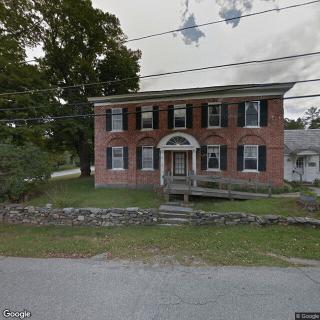



 A Detailed Exploration of Assisted Living Medicaid Waivers Across the United States
 Comprehensive Residential Support and Assisted Living Solutions for Individuals with Disabilities
 Comprehensive Supportive Living Arrangements for Adults with Disabilities