
659 High Ridge Road, Waterford, VT 05819
For more information about senior living options: (866) 208-4318
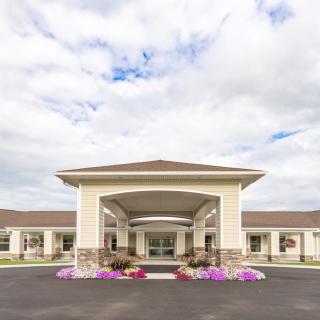
Overall Review of Waterford Group Home
Pros
 The facility provides excellent care to intellectually and developmentally disabled men.
- It is licensed by the state of Vermont.
- The home has moved to a new, more central location in St. Johnsbury.
Review
This Waterford Group Home is best suited for families seeking a tightly supervised, licensed living environment for intellectually and developmentally disabled men who require consistent daily care and structured routines. The setting is designed for residents who benefit from steady staff presence, clear boundaries, and predictable schedules. The notable shift to a newer, more central location in nearby St. Johnsbury signals a commitment to easier access to needed services, family visits, and community resources. For families prioritizing formal oversight and a home-like atmosphere over large, campus-style facilities, this option offers a degree of reliability that can make daily caregiving more manageable and predictable.
Those who should consider alternatives are families pursuing greater independence for their loved one, someone who requires a broader array of medical or rehabilitation services, or a setting with more expansive programming and social opportunities. If the resident’s needs extend beyond what a small group home structure typically supports, such as intensive nursing, complex behavior supports, or memory-care oriented programming, exploring larger facilities or specialized programs may yield better alignment with expectations and long-term goals. Additionally, if access to a wider range of activities, day programs, or transportation options is a priority, options with more extensive campus amenities could be preferable.
The strongest pro is the demonstrated quality of care. The home’s capacity to provide excellent care to intellectually and developmentally disabled men under state licensing represents a critical safeguard for families, offering trained staff, compliance with regulatory standards, and ongoing oversight. Coupled with a move to a central location, these factors translate into easier care coordination, more straightforward family involvement, and reduced transportation friction. In practical terms, the combination of dedicated caregiving and formal accountability helps keep daily life stable, predictable, and responsive to a resident’s evolving needs.
However, the inherent nature of a small group home introduces potential trade-offs. Limited scope for high-tech medical support, fewer diversification of programs, and a more intimate resident-to-staff ratio can translate into fewer doors open to spontaneous social opportunities or highly specialized therapies. For families seeking a broad menu of enrichment activities or who want a setting that feels more like a larger community, these constraints may feel limiting. It is prudent to acknowledge that the single-positive-review lens may not capture every dimension of daily life, the real-world experience can vary with staff turnover, resident mix, and seasonally offered programs.
Despite these potential limits, the core advantages remain compelling for the targeted population. The certified, state-licensed framework provides peace of mind regarding safety standards, accountability, and consistent caregiving practices. A centrally located setting reduces logistical headaches for families and can improve access to medical appointments, family visits, and community resources. In scenarios where the resident’s needs are within the scope of a well-structured group home, clear routines, predictable support, and attentive supervision, the pros materially offset the typical constraints of a smaller care environment.
Families considering this option should pursue purposeful due diligence. Schedule a visit to see the new St. Johnsbury location in person and observe staffing patterns, daily routines, and how incidents or red-flag behaviors are managed. Inquire about staff-to-resident ratios across shifts, training programs for intellectual and developmental disabilities, and the processes for individualized care planning. Confirm licensing status, recent survey results, and how the program handles medical, behavioral, and emotional supports. With clear expectations and a firsthand view, the decision will align with the resident’s goals, family preferences, and the practical realities of ongoing care.
 4 resident community capacity
 Assisted Living
 Cable or satellite TV
 Dining room
 Fully furnished
 Garden
 Housekeeping services
 Move-in coordination
 Outdoor space
 Telephone
 Wi-Fi/high-speed internet available
 24-hour supervision
 Activities of daily living assistance
 Assistance with bathing
 Assistance with dressing
 Assistance with transfers
 Diabetes diet
 Meal preparation and service
 Medication management
 Special dietary restrictions
 Transportation arrangement (medical)
 Transportation to doctors appointments







 Choosing the Right Senior Care: A Detailed Exploration of Assisted Living and Nursing Homes
 Understanding the True Cost of Assisted Living in 2025: A Comprehensive Guide
 Understanding Medicaid Coverage for Assisted Living: A Comprehensive Guide