
240 Gables Place, Rutland, VT 05701
For more information about senior living options: (866) 208-4318
Overall Review of Meadows at East Mountain
Pros
 The Meadows is a great place for supported living.
- The staff are caring and attentive, ensuring residents' physical and emotional needs are met.
- The SCU staff were wonderful and compassionate.
- Families are kept informed through excellent communication.
- The Meadows staff were extraordinary in providing emotional and physical care.
- The staff provide comprehensive, thoughtful support during end-of-life, coordinating hospice and related tasks.
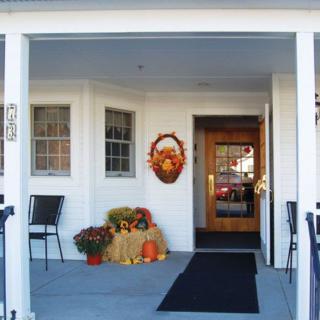
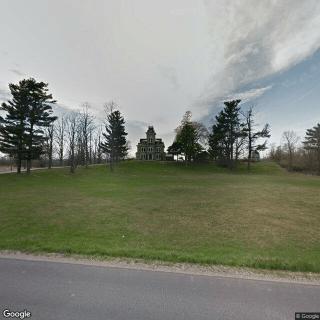
- The facility is consistently clean, well maintained, and inviting, with pleasant grounds.
- Meadows staff went above and beyond to implement safety measures during the COVID-19 period.
- The staff feel like extended family to residents and their families.
- Families frequently recommend Meadows for loved ones.
Cons
 The current director is described as hostile, threatening, and manipulative, with a legalistic approach.
- Her first communication was demeaning and shaming, and her tone was not genuinely concerned.
- She does not speak with family members and intimidates them.
- She has been described by others as "beyond diabolical," a view the reviewer agrees with.
- She denied the father’s requests to designate the family as contact four times in two days.
- The reviewer labeled the conduct as abuse and found it emotionally devastating for the father.
- The environment is described as erratic, chaotic, and strange.
Review
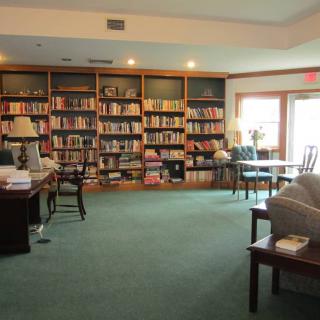
Meadows at East Mountain is best suited for families seeking a truly relationship-driven, care-forward environment where front-line staff and ongoing family communication are the core of daily operations. It works well for seniors stepping from independent living into assisted living or memory care who value a warm, home-like atmosphere and a staff culture that they feel intimately connected to their loved ones. The setting rewards consistent caregiving teams, predictable routines, and a sense that residents are known by name rather than by a room number. The campus emphasizes human-scale comforts, well-kept grounds, a library, a variety of activities, and small, intimate touches such as a bird in the common areas, that together foster a tangible sense of belonging. Across numerous accounts, families credit compassionate nurses, attentive aides, and earnest updates that keep everyone aligned on medical and daily-care needs. This is not a glossy showroom; it is a practical, steady home for elders who require consistent, caring hands.
Those who may want to consider alternatives are those who prize a modern, apartment-style footprint with expansive floor plans and a governance environment that feels fully transparent and uniformly reassuring. Several reviewers highlight concerns about leadership style and accountability, describing the director as hostile or manipulating, with a climate that can feel adversarial to families navigating guardianship or care decisions. Even if such episodes reflect a minority perspective, they illuminate a risk factor: the tone and responsiveness of management can color trust and willingness to advocate for a loved one. For residents who want more independence in living space, more apartment-style privacy and larger rooms, the Meadows’ rooms are described as small, more hotel- or hospital-like than apartment living. In these cases, families may prefer facilities with openly aligned governance and more expansive resident living options.
The strongest pros fold neatly into offsetting the notable cons. Front-line staff consistently emerge as the facility’s backbone: caregivers who remember personal histories, communicate regularly with families, and coordinate care with physicians and therapists. The SCU, memory care, receives particularly high praise for stability, staff continuity, and a compassionate approach to challenging behaviors, which reassures families as cognitive needs evolve. The organization’s emphasis on keeping families informed, through routine updates, documented care plans, and timely responses, reduces anxiety and helps families feel engaged rather than sidelined. The physical environment reinforces this sense of care: clean, well-maintained spaces, inviting public areas, seasonal decorations, and accessible amenities like a library and gardens. Taken together, these strengths create a robust counterweight to governance concerns, proving that strong caregiving can sustain trust even when leadership dynamics become contentious.
Within the memory-care continuum, Meadows demonstrates particular strength. Families recount smooth transitions from assisted living into the SCU when dementia progresses, with staff who know residents’ histories and preferences, and with leadership that enables coordinated care pathways, including involvement with hospice and end-of-life planning. The long arc of stories, from early days in assisted living to end-of-life care, often shows a preserved sense of dignity and comfort for the resident and a sense of partnership for families. This continuity matters: it means fewer disruptive moves, fewer repeated explanations to new caregivers, and shorter miscommunications about medication or daily routines. The result is a reputation for steadiness in difficult moments, which matters deeply for families facing tough caregiving decisions.
On the downside, the facility’s footprint and social architecture can feel constraining for some residents. The rooms’ size and configuration may not satisfy those who desire more personal space or an apartment-style living experience with private kitchens and bedrooms that feel truly residential. The common areas are well executed, yet a few families perceive a sense of compactness that can influence daily life and privacy. In addition, while many accounts sing the praises of staff dedication, a few reviews flag interruptions or inconsistencies in leadership approach that can cast a shadow over otherwise strong caregiving. Prospective residents should walk through room options, ask to see sample care plans, and speak with several staff members to gauge whether the day-to-day mood and management style align with the family’s expectations for advocacy, transparency, and support.
In the end, Meadows at East Mountain offers a compelling choice for families who prize a compassionate caregiving culture, clear and frequent family communication, and a well-loved memory-care environment. It earns its credibility through long-tenured staff who know residents personally, a collaborative approach to medical and daily needs, and a setting that feels homelike rather than institutional. Yet the decision must weigh governance dynamics and the possibility that leadership style could color the experience, especially for those who require unwavering administrative alignment or more space and independence. For families convinced that a warm, hands-on caregiving team and a close-knit, resident-centered community outweigh the drawbacks, Meadows presents a strong fit. For others, particularly those who prioritize effortless administrative harmony, transparent governance, and larger living spaces, it is prudent to compare alternative Vermont options before committing. The rental of peace of mind, through reliable caregivers and welcomed family involvement, will determine the best match more decisively than any single feature.
 22 resident community capacity
 Assisted Living
 Beauty salon
 Cable or satellite TV
 Dining room
 Fully furnished
 Garden
 Housekeeping services
 Kitchenette
 Move-in coordination
 Outdoor space
 Telephone
 Wi-Fi/high-speed internet available
 24-hour call system
 Activities of daily living assistance
 Assistance with bathing
 Assistance with dressing
 Assistance with transfers
 Diabetes diet
 Meal preparation and service
 Medication management
 Mental wellness program
 Special dietary restrictions
 Transportation arrangement (medical)
 Transportation to doctors appointments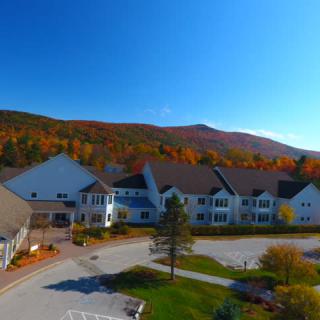

 Understanding the True Cost of Assisted Living in 2025: A Comprehensive Guide
 Understanding Medicaid Coverage for Assisted Living: A Comprehensive Guide
 How and When Medicaid May Cover Assisted Living Costs