
PO Box 743, Norwich, VT 05055
To contact a resident: (802) 280-1910
For more information about senior living options: (866) 208-4318
Valley Terrace Assisted Living Costs & Pricing
Valley Terrace Assisted Living offers competitive pricing for its residents compared to both Windsor County and the broader state of Vermont. For a studio apartment, residents can expect to pay $3,900 per month, which is significantly lower than the county average of $4,899 and the state average of $5,259. Similarly, one-bedroom units at Valley Terrace are priced at $4,500, again offering a more affordable option compared to Windsor County's average of $5,353. Interestingly, this one-bedroom rate is also slightly higher than Vermont's statewide cost of $4,901. Overall, Valley Terrace provides an appealing alternative for those seeking quality assisted living accommodations while remaining conscious of their budget.
| Floor plans | Valley Terrace Assisted Living | Windsor County | Vermont |
|---|---|---|---|
| Studio | $3,900 | $4,899 | $5,259 |
| 1 Bedroom | $4,500 | $5,353 | $4,901 |
Assisted Living communities with a similar price nearby
-
from +$550 / mo

Upper Valley Good Day Respite Program
$4,450 to $5,785 / month5.9 miles away -
About the same
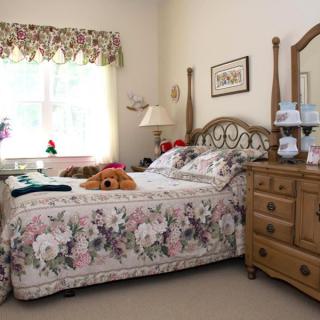
Village At Cedar Hill
$3,800 to $5,700 / month19.8 miles away -
About the same
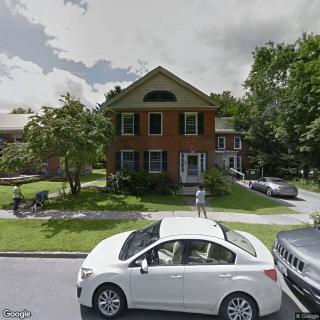
Davis Home
$3,800 / month16.7 miles away -
from -$405 / mo
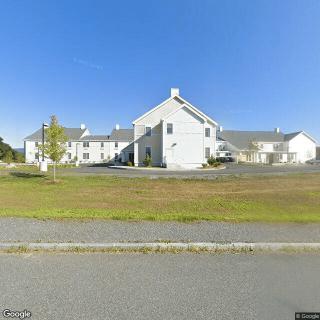
Margaret Pratt Community
$3,495 to $6,695 / month20.7 miles away -
from -$264 / mo

Arbor View Inn
$3,636 / month24.7 miles away
Overall Review of Valley Terrace Assisted Living
Pros
 The Yamaha piano is gorgeous and well maintained for the residents.
- The staff are welcoming, attentive, and handle issues quickly and with great care.
Cons
 found.
Review
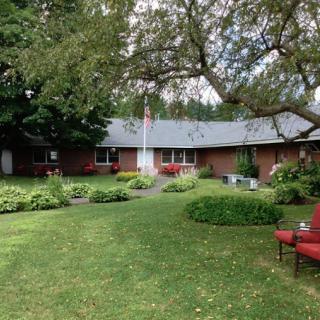
Valley Terrace Assisted Living in Norwich, Vermont is best suited for seniors who want a reliable, resident-centered setting where daily care is delivered with warmth and consistency, and where comfortable living spaces and thoughtful touches support a home-like rhythm. The community’s appeal rests on practical strengths: a respectful, approachable staff, well-maintained common amenities, and an environment that invites ongoing participation in everyday life. For families prioritizing dependable caregiving, predictable routines, and a sense of community, Valley Terrace delivers without requiring families to chase high-end bells and whistles. It is especially fitting for residents who value direct, unobtrusive support and a living atmosphere that keeps social and cultural interests, such as music, alive.
However, those seeking highly specialized care or standout programming beyond the standard assisted-living menu should look at alternatives. The available information suggests a solid, conventional approach rather than a niche focus on advanced medical services, memory care, or ultra-premium amenities. Budget-conscious families will also want to compare cost against the scope of services and any optional add-ons, since the value proposition appears tied to dependable staff and routine stability rather than bold, distinctive features.
On the positive side, the staff emerges as a core strength: welcoming, attentive, and quick to address issues with real care. This is not mere politeness but a predictable pattern of responsiveness that reduces anxiety for residents and their families. In addition, the physical environment includes appealing touches, such as a well-kept Yamaha piano that residents can enjoy, which signals attention to cultural life and meaningful engagement. These factors translate into reliable daily satisfaction, quiet confidence for families that their loved ones are in capable hands and that meaningful activities are available without constant prompting.
Those strengths help offset the absence of standout differentiators. The combination of approachable staff and a home-like atmosphere means problems are handled promptly, routines feel stable, and participation in social or recreational activities remains feasible and rewarding. In practice, this means fewer disruptions and more predictable days, which matters greatly for cognitive and emotional well-being. For seniors who already value consistency over drama, Valley Terrace aligns with expectations and delivers a confident, low-stress living option in a Vermont setting.
Still, the fit hinges on expectations. The reference that the setting is “the same as most in the same business” signals a standard, unexceptional profile rather than a claim to culinary excellence, cutting-edge programming, or highly specialized care. Prospective residents who want a richer culinary program, a broader slate of excursions, more robust memory-care structure, or superior on-site medical oversight may find themselves wishing for more. The absence of distinctive programs does not negate quality, but it does define the decision as a function of price, personal fit, and the tolerance for a conventional model.
Decision-makers should approach Valley Terrace with a practical checklist: observe staff interactions during tours, confirm care-planning processes, inquire about staff-to-resident ratios, and review the activity calendar for relevance to the resident’s interests. If independence with supportive coaching and steady social life is the goal, this community earns serious consideration. For families prioritizing comprehensive medical management, dementia-specific programming, or highly upscale amenities, alternatives that emphasize those strengths are worth pursuing. Valley Terrace offers reliability, warmth, and a comfortable routine, assets that often translate into peace of mind for families navigating senior living choices.
 Assisted Living
 Cats allowed
 Dogs allowed
 Activities on-site
 Devotional services off-site
 Indoor common areas
 Ambulatory care
 Diabetic care
 Meals provided
 Understanding Medicaid Coverage for Assisted Living: A Comprehensive Guide
 How and When Medicaid May Cover Assisted Living Costs
 A Detailed Exploration of Assisted Living Medicaid Waivers Across the United States