

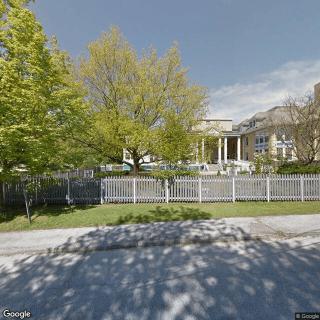
149 Main Street, Montpelier, VT 05602
For more information about senior living options: (866) 208-4318
Overall Review of The Gary Residence
Pros
 The Gary Residence is a small memory unit that feels very new and shows a high level of care.
- The rooms are new, clean, and adequately equipped.
- The dining is perfectly clean and nice.
- The staff are very informative, open, and forthcoming.
- Residents can ask whatever they want, and the staff are forthcoming.
- The reviewer is very impressed all around.
- The friend living there is 85 years old and loves it.
- There are lots of activities, and the staff are kind and attentive.
- It is not home, but the next best thing, helping her stay independent.
Review
The Gary Residence is best suited for seniors with memory impairment who want a small, intimate setting that emphasizes constant caregiver access, clean modern spaces, and a sense of independence within a memory-care framework. The facility’s memory-unit focus, recent construction, and well-maintained rooms point to a environment where residents can be observed closely and plans adjusted quickly. Families valuing straightforward communication from staff, a neat dining environment, and regular activities will find this venue aligns with a hands-on, transparent care approach. In short, it serves well for those who prioritize high-touch care in a compact, refreshingly new setting rather than a sprawling, menu-heavy campus.
Those who may want to consider alternatives include families seeking a larger community with broader social networks, more extensive on-site medical or rehabilitative services, or a residential feel that mirrors a broader “home away from home” atmosphere. If medical complexity grows beyond memory care, or if a resident requires frequent therapy, specialized programming, or a wider array of specialized dietary and activity options, a bigger Assisted Living or a dedicated Memory Care campus may fit better. Similarly, households hoping for a wider transportation network, more frequent off-site excursions, or a longer-term continuum of care could encounter limits here.
The strongest positives, the high level of care, fresh rooms, spotless common areas, and a dining environment that is clean and pleasant, partly offset the limited scale of the operation. Staff openness and transparency matter greatly in memory care, and several reviews highlight that residents’ questions are answered honestly and thoroughly. The proximity of attentive, kind staff translates into meaningful daily reassurance for families, and the abundance of activities helps sustain engagement for residents who value routine and structured enrichment. Independence is preserved within the framework, which is a critical win for residents who want to retain everyday autonomy while receiving support. Yet the small footprint can limit the breadth of social programming and the variety of medical services available on-site, potentially constraining days when a resident craves a wider palette of experiences or more intensive clinical oversight.
Prospective decision-makers should prioritise questions about staffing, programming, and medical support to determine fit. Key inquiries include the resident-to-staff ratio on day and night shifts, the training and credentials of caregivers assigned to memory care, and how care plans are developed and updated in response to evolving needs. It is essential to verify what level of medical supervision is available on-site, how emergencies are managed, and whether therapists, occupational, physical, or speech, are included or offered on a regular schedule. Clarify the daily rhythm: how activities are chosen, the degree of resident input, and whether outings or guest programs supplement the internal calendar. Finally, discuss costs, what is included, and how payment sources align with expectations, since the intimate setting can come with higher per-resident charges relative to larger campuses.
Families weighing alternatives should compare this option to larger memory-care or assisted-living communities that offer broader social networks, more diversified programming, and a wider continuum of care. For residents who may eventually require skilled nursing, or who desire a robust rehab infrastructure and more extensive on-site amenities, another community with a broader footprint could reduce transitions later. For those prioritizing a very homelike atmosphere with plentiful in-house activities and a transportation-backed calendar, a different campus might deliver a richer social ecosystem. The Gary Residence excels at intimate, attentively managed memory care; its value rises where small-scale intimacy, consistent staff responsiveness, and a modern, clean environment are the decisive factors.
In the end, The Gary Residence presents a compelling choice for families seeking focused memory-care in a compact, well-kept setting with highly accessible staff. It delivers practical advantages that translate into daily comfort and dependable supervision, especially for residents who prize independence in a closely supervised framework. The main caveat is its size: the same charm that sustains warmth and personal attention can limit social breadth and on-site medical breadth compared with larger campuses. When a resident’s needs align with a small, modern memory unit and a team that communicates clearly, this community stands out as a confident, prudent pick. If medical complexity, expansive programming, or a broader continuum of care become priorities, exploring larger alternatives will yield options that better align with those longer-term requirements.
 17 resident community capacity
 Assisted Living
 Board and Care Home
 Cable or satellite TV
 Dining room
 Fully furnished
 Garden
 Housekeeping services
 Move-in coordination
 Outdoor space
 Telephone
 Wi-Fi/high-speed internet available
 24-hour supervision
 Activities of daily living assistance
 Assistance with bathing
 Assistance with dressing
 Assistance with transfers
 Diabetes diet
 Meal preparation and service
 Medication management
 Special dietary restrictions
 Transportation arrangement (medical)
 Transportation to doctors appointments







 Beyond the Bingo Hall: 50+ Enriching Activities for Seniors in Assisted Living
 Understanding the Distinctions: Assisted Living and Memory Care Explained
 Guiding Elderly Parents Who Refuse Assisted Living: 6 Practical Steps