Wallingford House

129 Lincoln Ave, Manchester Center, VT 05255

For more information about senior living options: (844) 490-3973

2.6 from 5 reviews
5 stars
2
4 stars
0
3 stars
0
2 stars
0
1 stars
3

Assisted Living

What level of care are you interested in?

Assisted Living

Memory Care

Independent Living

Skilled Nursing Facility

Continuing Care Retirement Community (CCRC)CCRC

Other


Request a tour at Wallingford House

    Overall Review of Wallingford House

    Pros

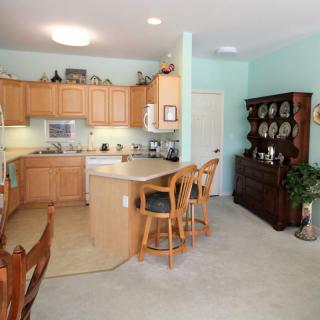
    • pro They have nice apartments.
    • pro The on-site maintenance guy is very nice and knowledgeable.
    • pro It's a great property to rent from them.
    • pro The management was professional and helpful.
    • pro The full security deposit plus interest was returned when moving out.
    • pro The apartment was very clean when moved in, and there were no maintenance issues during the stay.

    Cons

    • pro The management is accused of entering apartments without notice and lying to cover each other's tracks.
    • pro The office staff are described as lying and conspiring to get tenants kicked out on false pretenses.
    • pro Toni in apartment 1 at Brookview in Wilder, VT is labeled racist, and Barbie is described as her ally.
    • pro Tenants are warned that long-standing residents will gang up with office staff to evict someone based on lies.
    • pro A neighbor in apartment 23B is blamed for smoking near the building and shouting, disturbing others at night.
    • pro The tenant alleges that they were accused of violating the lease despite never doing so, implying punitive and unfair enforcement (purple warning).

    Review

    This set of reflections paints a picture of a property that has a lot going for it - nice apartments, a generally well-kept feel, and a maintenance crew that sounds capable and friendly. Yet mixed in with the positives are repeated reminders that rules, neighbor dynamics, and management practices can make life here either smooth or stressful. The writer acknowledges years of generally good experiences in other places and with other tenants, but also chronicles a year when a neighbor living in 23B drew attention for violating lease rules - specifically by smoking very close to the building. The smell of smoke one night when the writer returned home underscored how one issue can ripple into the whole living situation, especially when it comes to sleep and daily routines before a workday.

    In the narrative, a separate incident stands out: a call from the office claiming the writer had "some other person with me" with whom I was staying, which the writer says was not true. This occurred on a day marked by a heavy snowstorm, when the writer's friend from Danby, Vermont, couldn't get home. The friend's stay was described as a single overnight occurrence, not a long-term arrangement, yet it triggered the office's alert. The clash between what happened in the building and what the office reported highlights a recurring theme: miscommunications or misinterpretations of occupancy rules can quickly escalate into conflict, especially under adverse weather conditions that complicate visits and plans.

    The writer also notes a sense of having done due diligence - "truth is I do a lot of research and looked at the law" - even as they received what is referred to as a "purple warning." There's a sense that legalistic labels can feel arbitrary at times, and that the enforcement of rules may hinge on rumors or perceptions as much as on observable violations. A particular anecdote describes a rumor carried by a "bird" about the 23B neighbor supposedly having her father living with or staying the night; the writer asserts that, in reality, it was claimed to be only the person's own family (her and her kids). This tension between rumor and reality threads through the whole discussion of what constitutes a lease violation and who bears the burden of proof.

    Throughout the piece, the writer emphasizes personal integrity and a long-standing commitment to honest dealing. They present themselves as a business-minded individual who asks questions when answers aren't clear and who believes they have not violated their lease. At the same time, they acknowledge a highly mixed experience with management and the broader community. On the plus side is a long-standing appreciation for a good maintenance team - "a nice and knowledgeable" maintainer who is a bright spot in daily life at the property. The writer also expresses a hopeful sentiment about the place as a home and even mentions a wish for something like container gardening, suggesting that the physical space is appreciated and could be further personalized.

    The narrative occasionally shifts to testimonials about THM, painting a contrasting picture. One section recalls nine years of renting from THM with no issues: professional and helpful management, a clean initial apartment, timely maintenance, routine yearly inspections, and a full security deposit with interest returned at move-out. This depiction contrasts with other episodes that describe a different vibe - where management supposedly enters apartments without notice and seems to "lie to cover each other's tracks." The tension between these two memories underlines a broader uncertainty: while the property can be a solid place to live, interactions with the office and with certain neighbors can feel predatory or retaliatory, depending on the day and the people involved.

    The concerns extend to specific individuals tied to the building dynamics. The writer warns to be careful of neighbors who've lived there for years and who might "gang up" against someone new, alleging that Barbie from the office could be part of the problem and that such schemes can lead to false accusations or "getting you kicked out." There is a pointed note about Toni in apartment 1 at Brookview in Wilder, Vermont, described as racist, with Barbie described as her close ally. These statements reflect a climate of perceived bias and intra-building politics that can color every interaction, from quiet hallway encounters to formal lease discussions. They're presented as warnings arising from personal experience, rather than as objective judgments of policies.

    Despite all the tensions and conflicting memories, there is a thread of genuine appreciation for the core appeal of the property. The writer repeats that it is a great place to rent, thanks in part to a responsive maintenance team and the overall quality of the building. They simply wish for one practical improvement - being able to bring a container garden onto the property, a small but meaningful enhancement for personal enjoyment and urban living. In the end, the day-to-day reality of living there seems to be a mix of solid facilities, capable maintenance, and a management culture that can feel inconsistent or fraught with interpersonal politics, depending on who is involved and what drama happens to be circulating at the moment.

    Features

    Types of Care

    • Assisted Living Assisted LivingAssisted living facilities provide crucial support and care for seniors who may need help with daily tasks such as medication management, bathing, and meal preparation. These communities offer a safe and comfortable environment where seniors can maintain their independence while receiving the assistance they need to thrive in their golden years.

    Amenities

    • Activities on-site Activities on-siteActivities on-site are important for seniors because they provide opportunities for socialization, mental stimulation, physical activity, and overall well-being. Engaging in activities can help seniors stay active, maintain their independence, and improve their quality of life.
    • Devotional services off-site Devotional services off-siteDevotional services off-site are important for seniors as they provide spiritual nourishment, social engagement, and a sense of community outside of the senior living facility. This can enhance overall well-being and help combat feelings of isolation and loneliness often experienced by older adults.
    • Indoor common areas Indoor common areasIndoor common areas are crucial for seniors as they provide a space for socialization, recreation, and community engagement, promoting overall well-being and reducing feelings of isolation and loneliness.

    Care Services

    • Ambulatory care Ambulatory care"Ambulatory care services provide essential medical support and treatment to seniors without requiring hospitalization, allowing them to maintain their independence and quality of life while managing chronic conditions or receiving routine medical care."
    • Diabetic care Diabetic careDiabetic care is crucial for seniors as they are more susceptible to developing diabetes due to aging and other health conditions. Proper management of diabetes can help prevent complications such as heart disease, vision loss, and nerve damage, improving the overall quality of life for seniors in senior living communities.

    Dining

    • Meals provided Meals provided"Meals provided" are crucial for seniors in assisted living communities as it ensures they have access to nutritious, balanced meals without the stress of meal planning and preparation. This can help promote overall health and well-being for seniors who may have limited mobility or cognitive abilities.

    Activities

    • Activities on-site Activities on-siteActivities on-site are important for seniors because they provide opportunities for socialization, mental stimulation, physical activity, and overall well-being. Engaging in activities can help seniors stay active, maintain their independence, and improve their quality of life.
    • Devotional activities offsite Devotional activities offsiteDevotional activities offsite are important for seniors because they provide social engagement, spiritual growth, and a sense of community outside of their living environment. This can improve overall well-being, mental health, and combat feelings of isolation or loneliness.

    Description

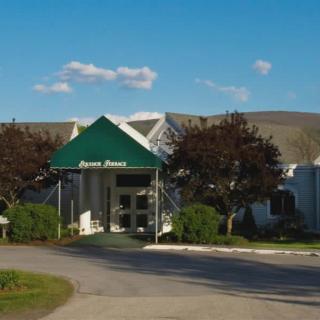
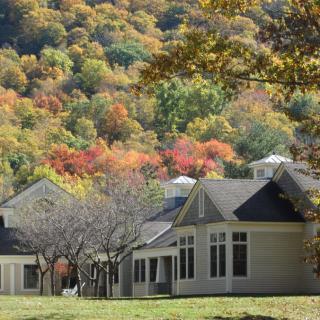
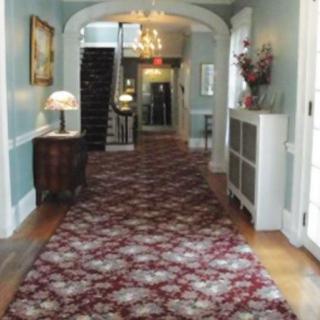
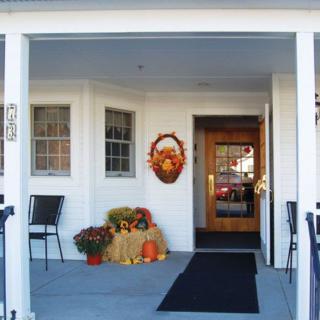
    Wallingford House in Manchester Center, VT is a welcoming assisted living community that offers an array of amenities and care services to its residents. Located in a charming and peaceful neighborhood, our community provides a comfortable and supportive environment for seniors seeking assistance with daily tasks while encouraging independence.

    Our residents have access to several amenities that contribute to their overall well-being. Devotional services off-site allow individuals to nurture their spiritual needs and connect with their faith. Indoor common areas provide a space for socializing and engaging in activities with fellow residents, fostering a sense of camaraderie and belonging.

    At Wallingford House, we prioritize the health and wellness of our residents. Our specialized care services include diabetic care, ensuring that individuals with diabetes receive the proper attention and support they need to manage their condition effectively.

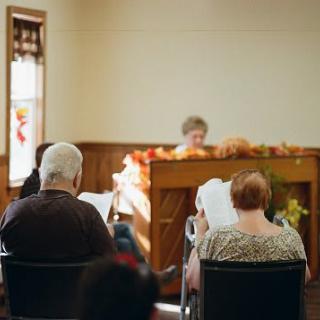
    We understand the importance of staying active and engaged, which is why we offer various activities designed to cater to different interests. Devotional activities offsite allow our residents to engage in spiritual practices outside the community while exploring nearby places of worship. Additionally, our staff can provide transportation for outings or appointments, ensuring that residents can easily access cafes, parks, pharmacies, restaurants, and other nearby amenities.

    With 6 physicians located nearby, our residents have easy access to healthcare professionals who can meet their medical needs promptly. Whether it's routine check-ups or specialized treatments, we strive to ensure our residents receive the best possible care.

    Overall, Wallingford House in Manchester Center, VT is dedicated to providing personalized assistance and promoting an active lifestyle for our seniors. We create a warm and supportive environment where residents can feel at home while enjoying the convenience of nearby amenities and services.

    Nearby Places of Interest

    Physicians

    • Taconic Spine (0 miles)
    • Manchester Eye Care (0.4 miles)
    • Northshire Medical Center (1.3 miles)
    • Dr. Keith W. Michl, MD, FACP (2.5 miles)
    • Mid-Vermont Ent PC (4.2 miles)
    • East Dorset Medical Campus (4.2 miles)
    • Shaftsbury Medical Associates (17.6 miles)

    Restaurants

    • Depot Street Burgers (0.3 miles)
    • Mrs. Murphy's Donuts (0.3 miles)
    • Firefly Restaurant (0.3 miles)
    • The Works Bakery Cafe (0.4 miles)
    • Seasons Restaurant (0.6 miles)
    • Cilantro Taco (0.6 miles)
    • Thai Basil (0.6 miles)

    Cafes

    • Little Rooster Cafe (0.6 miles)
    • Scotties Diner/ Convenience Store (19.6 miles)

    Pharmacies

    • Walgreens (0.6 miles)
    • Equinox Compounding Pharmacy (0.7 miles)
    • Pharmacy Northshire (0.7 miles)
    • Kinney Drugs (8.5 miles)
    • Chaga Way (17.3 miles)
    • Walgreens (19 miles)
    • Stairway Healing Arts Center (19.1 miles)

    Places of Worship

    • Christ Our Savior Parish (1 miles)
    • St John's Chapel (1.2 miles)
    • Church of Christ (10.8 miles)
    • East Hebron United Presbyterian Church (13.5 miles)
    • Pawlet Community Church (13.8 miles)
    • First Congregational Church (17.4 miles)
    • United Methodist Church (17.5 miles)

    Parks

    • Manchester Parks and Recreation (1.1 miles)
    • Factory Point Town Green (1.2 miles)
    • Rupert State Forest (5.3 miles)
    • Emerald Lake State Forest (7.7 miles)
    • Vermont Total Doberman Club (10.9 miles)
    • Stratton Recreation Area (11 miles)
    • Lake Shaftsbury State Park (12.2 miles)

    Transportation

    • Greyhound: Bus Stop - Zoeys Double Hex Restuart (1.2 miles)
    • North Bennington Depot (19 miles)
    • Taxidermy Best Of Quality (19.5 miles)

    Hospitals

    • Mountain Valley Medical Clinic (11.1 miles)

    Theaters

    • Dover Theatre (18 miles)

    Frequently Asked Questions

    Where is Wallingford House?

    Nearby Communities

    Related Resources

    • activities of daily livingComprehensive Insights into Activities of Daily Living (ADLs) and Their Assessment

      Activities of Daily Living (ADLs) are fundamental tasks vital for an individual's independence, particularly in older adults over 85, and include functions like bathing and dressing; assessing ADLs alongside Instrumental Activities of Daily Living (IADLs) helps determine the level of required assistance due to age-related health challenges. Tailored support plans, involving family and community resources, are essential for maintaining dignity and autonomy in assisted living environments.

    • elderly parent refuses assisted livingGuiding Elderly Parents Who Refuse Assisted Living: 6 Practical Steps

      Family caregivers face emotional, legal, and practical challenges when elderly parents refuse assisted living, often due to fears of losing autonomy. Open conversations and professional assessments can help address these concerns while exploring alternatives and ensuring safety, potentially leading to legal guardianship if necessary.

    • luxury assisted livingYour Comprehensive Guide to Luxury Assisted Living: Elevated Facilities, Amenities, and Costs

      Luxury assisted living offers high-quality senior care in a resort-like environment that combines essential medical support, gourmet dining, and personalized services to enhance residents' independence and well-being. These upscale facilities emphasize holistic health and community-building through customized care plans and social activities, catering to the growing demand for enriched senior living experiences despite higher costs.


    Get Pricing Ask A Question Schedule A Tour Contact Senior Advisor