451 East Bishop Federal Lane, Salt Lake City, UT 84115
For more information about senior living options: (866) 208-4318
4.1 from 110 reviews
5 stars
83
4 stars
1
3 stars
3
2 stars
1
1 stars
22
Overall Review of St Joseph Villa Assisted Living
common28 reviews mention this
Staff care shows up in reviews
Residents and families repeatedly describe attentive, compassionate staff who respond to needs.
Many reviews highlight staff as a key reason families felt comfort during rehab, assisted living, or long-term care. Several residents’ loved ones describe caregivers as gentle, patient, and professional, including examples of proactive attention and timely updates. Some reviewers also call out specific team members (nurses, CNAs, therapy, respiratory staff) for care that felt personal rather than routine. A smaller set of reviews takes the opposite view, describing neglect or rude interactions, but the overall theme of staff presence—either as a strength or a concern—runs through the feedback.
common8 reviews mention this
Activities and therapy keep people engaged
Families describe regular activities and therapy time that help residents stay involved.
A number of reviewers mention planned activities and entertainment, including examples like bingo, coloring, and concerts, plus parties and special events. For rehab specifically, one family describes daily gym outings and regular therapy support tied to discharge goals. Several reviews also connect engagement to day-to-day comfort, describing residents looking forward to activities and staff teams creating a routine with purpose. Even when a review is critical, the contrast with others’ engagement-focused experiences is clear in how residents spend their time.
caveat9 reviews mention this
Food quality varies by review
Food gets mixed feedback, with praise on some meals and complaints on others.
Some families say the food was good, meals were comforting, and lunches were strong, tying dining to an overall positive experience. Others describe problems like food being horrible, meals being carb-heavy, or food being wasted. A few comments also connect dining to daily comfort (hot meals and routine) versus frustration (missed expectations about what and how residents are eating). Overall, food quality appears inconsistent across the reviews.
caveat8 reviews mention this
Communication can be uneven
Several reviews praise updates to families, while others report poor communication and follow-through.
Some families describe receiving direct calls, staying informed on progress, and getting quick responses when concerns came up. Others report the opposite: residents’ families say they weren’t adequately informed during care planning, that concerns weren’t addressed, or that care plan meetings didn’t lead to action. A few critical reviews also describe delays in addressing symptoms and difficulty getting assistance after hours. Because both patterns show up in the feedback, communication and follow-through appear to depend on the situation and unit.
How we summarize
Counts show how many written reviews mention each theme; a review can touch several themes, and only frequently mentioned themes are displayed.
Features
Housing
48 resident community capacity
Types of Care
Assisted Living
Skilled Nursing Facility
Amenities
Beauty salon
Cable or satellite TV
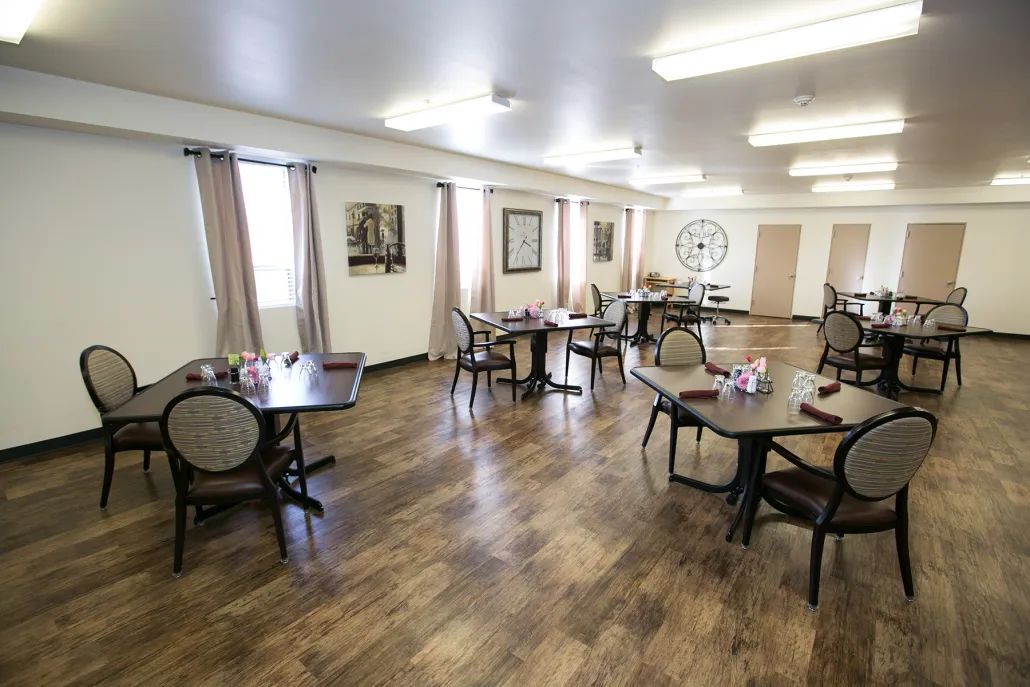
Dining room
Fully furnished
Garden
Housekeeping services
Kitchenette
Move-in coordination
Outdoor space
Restaurant-style dining
Small library
Telephone
Wi-Fi/high-speed internet available
Transportation
Salt Lake City International (7 miles away)
Care Services
24-hour call system
24-hour supervision
Activities of daily living assistance
Assistance with bathing
Assistance with dressing
Assistance with transfers
Diabetes diet
Meal preparation and service
Medication management
Mental wellness program
Special dietary restrictions
Dining
Diabetes diet
Special dietary restrictions
Activities
Community-sponsored activities
Resident-run activities
Scheduled daily activities
Nearby Places of Interest
This part of Salt Lake City, Utah offers a convenient location with easy access to various amenities such as pharmacies, restaurants, parks, transportation options, cafes, physicians, places of worship, hospitals, and theaters. The proximity to multiple pharmacies ensures easy access to medication and healthcare services. There are also a variety of dining options nearby catering to different tastes. The abundance of parks provides opportunities for outdoor activities and relaxation. Close proximity to public transportation hubs makes it easy to get around the city. Additionally, the presence of medical facilities and places of worship adds to the convenience and sense of community in the area. Overall, this part of Salt Lake City offers a diverse range of services and amenities that cater well for senior living needs.
Pharmacies
Walgreens (0.7 miles)
Smith's Food & Drug (0.7 miles)
CVS Pharmacy (1.2 miles)
CVS Pharmacy (1.7 miles)
Walgreens (1.9 miles)
Harmons (2.2 miles)
Walgreens (2.3 miles)
Restaurants
The New Golden Dragon Restaurant (0.7 miles)
McDonald's (0.7 miles)
Amour Café (0.9 miles)
Little World Chinese Restaurant (1 miles)
McDonald's (1.2 miles)
Hub & Spoke Diner (1.3 miles)
Sushi Burrito (1.7 miles)
Parks
Fairmont Park (0.9 miles)
Sugar House Park (1.5 miles)
Liberty Park (2 miles)
Imperial Park (2.1 miles)
Bonneville Glen (2.2 miles)
Washington Square (2.3 miles)
Sunnyside Park (2.5 miles)
Transportation
TRAX Central Pointe (1 miles)
TRAX Millcreek (2.1 miles)
Trax Ballpark Staion (2.6 miles)
TRAX Meadowbrook (3 miles)
Salt Lake City Intermodal Hub Salt Lake Central (3 miles)
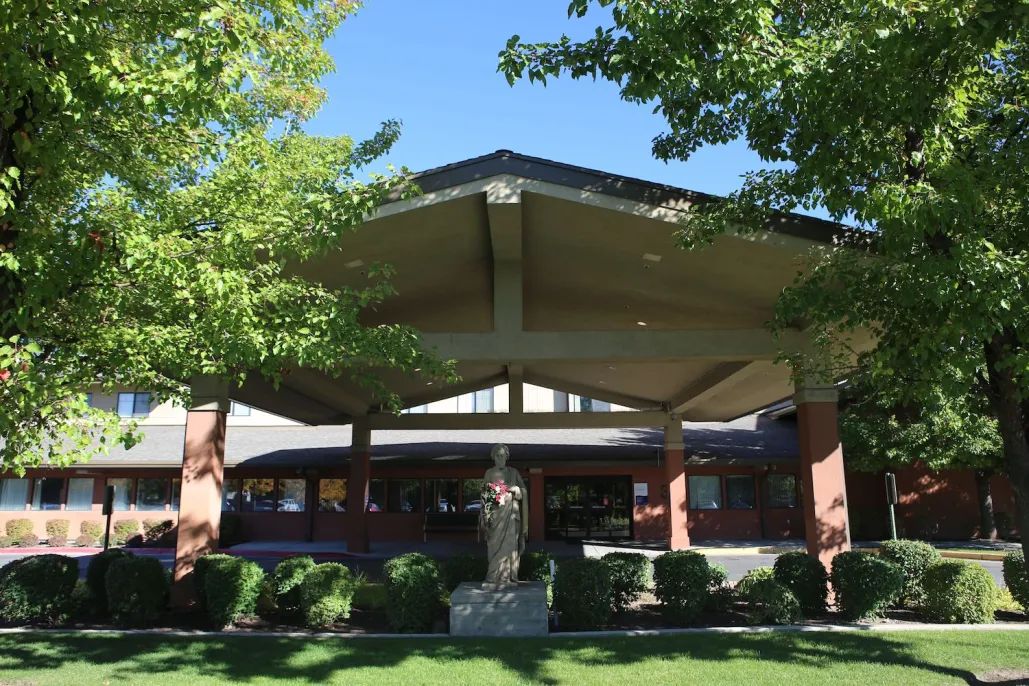
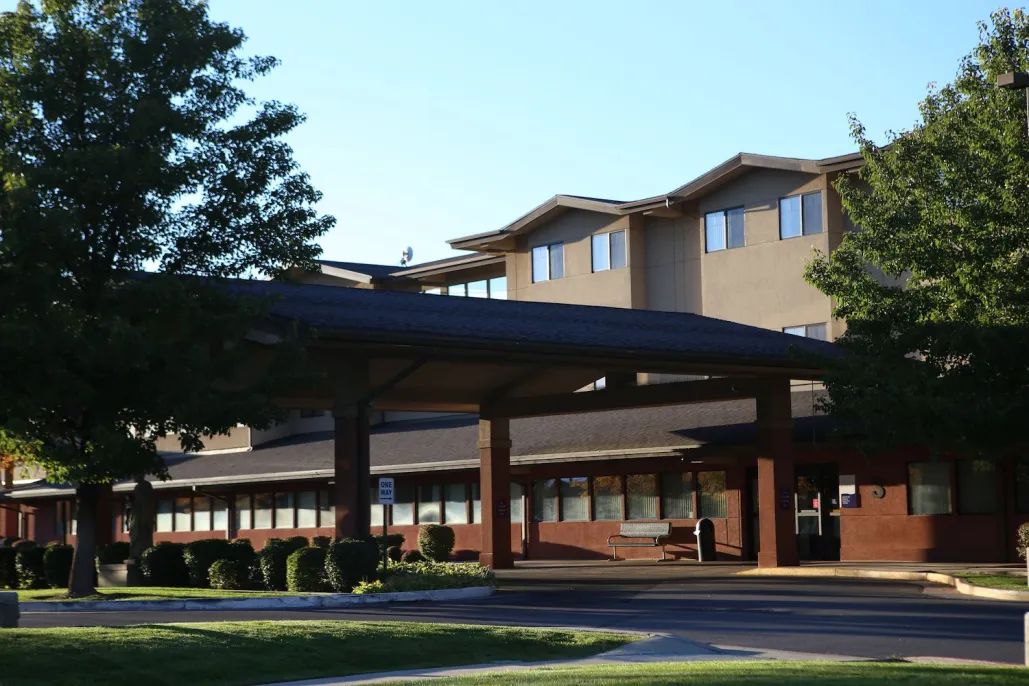
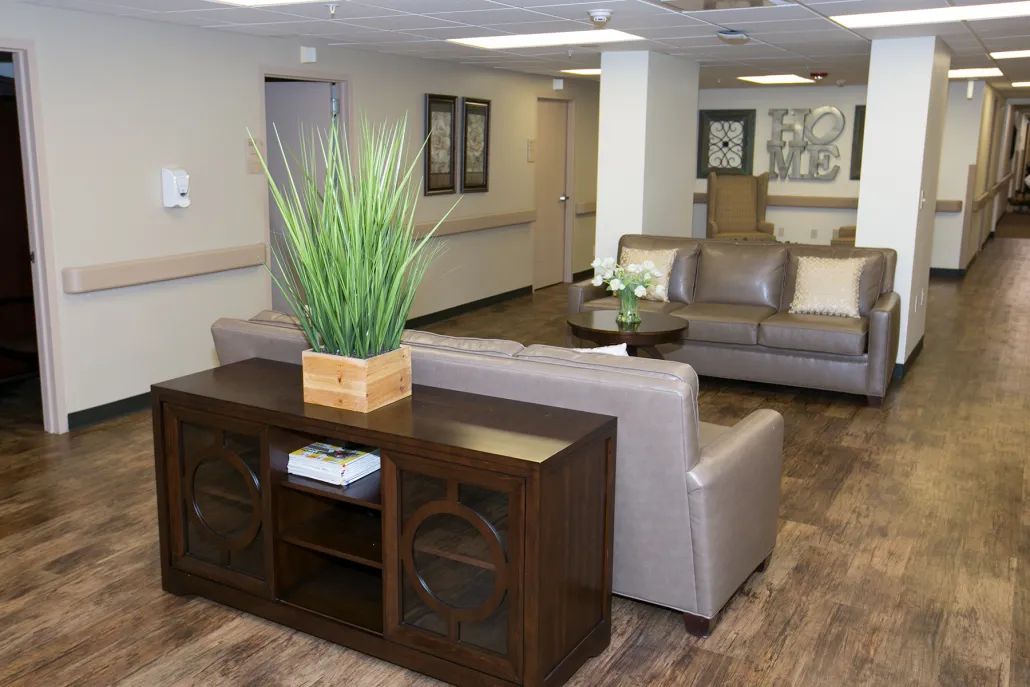
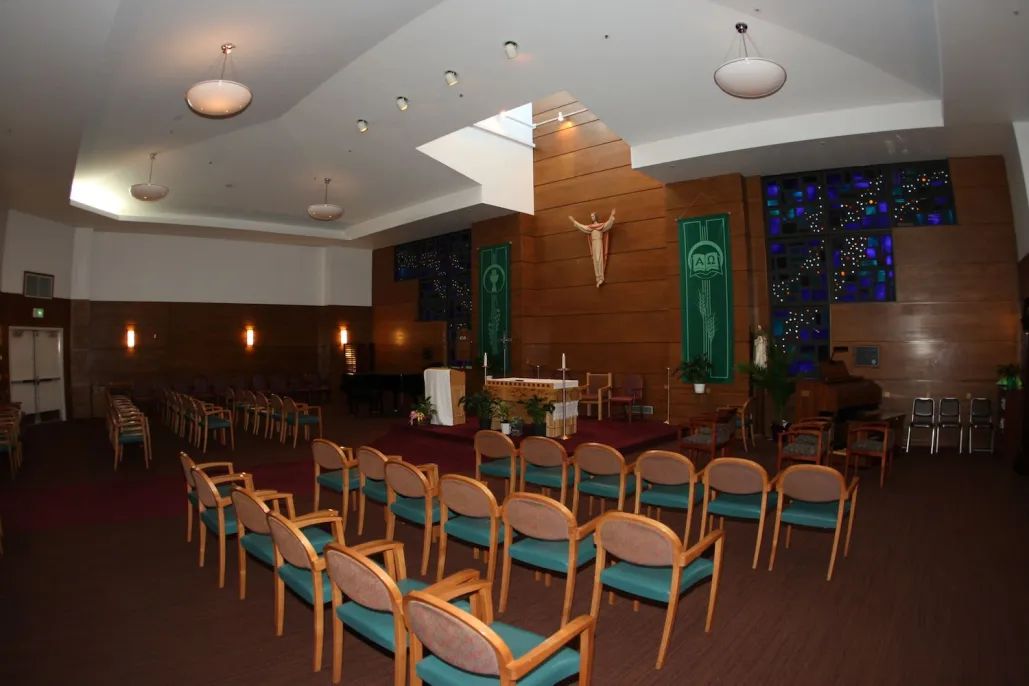
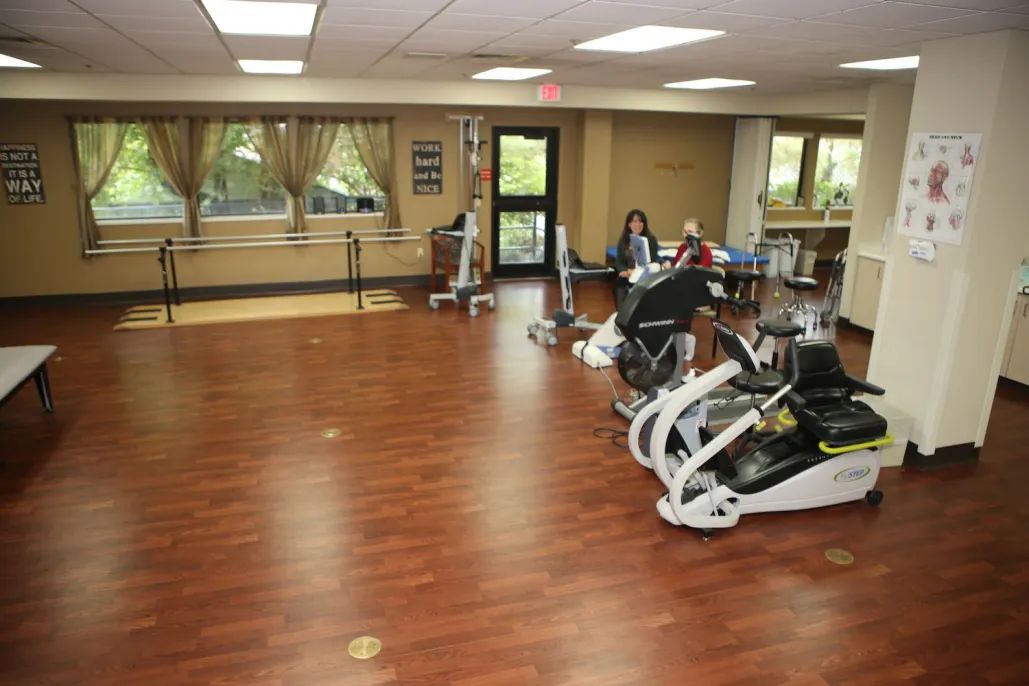
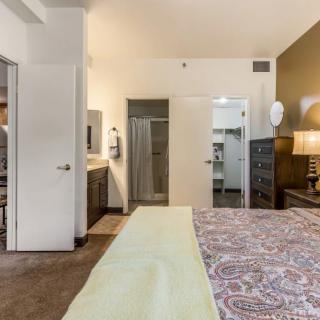
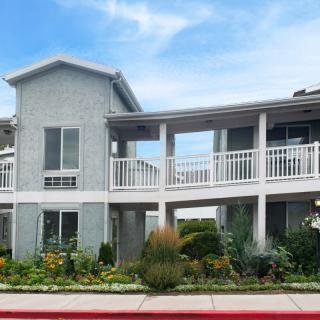
St Joseph Villa Assisted Living on seniors.fyi includes 7 photos including images showing interior, trees, building, architecture, healthcare, exercise equipment, therapy room, outdoors, and more.
Nearby Communities
St Joseph Senior Living
Salt Lake City, UT
3.9 from 33 reviews
$1,050 to $1,854 / month
Friendly staff, engaging activities, and affordable pricing compared to the local market.
Synergy Homecare-Salt Lake City
Salt Lake City, UT
Vibrant, convenient location with extensive nearby amenities and healthcare access.
Avalon Valley Rehabilitation Center
Salt Lake City, UT
3.8 from 122 reviews
Loving, professional staff providing attentive, personalized care.
Legacy Village Of Sugar House
Slc, UT
4.6 from 81 reviews
Wide range of care options (including independent, assisted, memory care, and respite) with 24/7 supervision, plus extensive on-site amenities and a convenient Sugar House location.
Meadow Brook Rehabilitation And Nursing
Salt Lake City, UT
4.2 from 72 reviews
Clean, well-maintained environment with friendly, compassionate staff and meaningful activities.
Annie's Elder Care
Salt Lake City, UT
24/7 supervision with tailored care and restaurant-style dining.
Peaks at Millcreek
Salt Lake City, UT
4.2 from 73 reviews
$1,700 to $2,300 / month
Friendly staff with an active activities program.
Sarah Daft Home
Salt Lake City, UT
4.6 from 59 reviews
$2,500 to $3,800 / month
Homey atmosphere with friendly staff and engaging activities.
Highland Cove Retirement
Salt Lake City, UT
4.6 from 143 reviews
$2,385 to $2,675 / month
Warm, family-like community with attentive staff and quality dining.
Senior move management services assist older adults in the relocation process by providing emotional support and organizational help, addressing unique challenges like downsizing and moving from long-term homes. These specialists collaborate with real estate agents and manage logistics, making the transition smoother for seniors and their families.
The article examines senior housing options, detailing the distinctions between independent living and assisted living, along with the emerging "independent assisted living" model that blends both approaches. It highlights the importance of assessing individual needs, preferences, and financial factors in making informed decisions about suitable living arrangements for seniors.
The deductibility of assisted living expenses on taxes hinges on factors like the individual's medical condition and service nature, typically requiring the resident to be "chronically ill" per IRS definitions. Taxpayers may deduct eligible medical expenses related to personal care services but generally not rent unless primarily for medical care, and they should maintain thorough documentation to support claims while considering itemizing versus standard deductions.
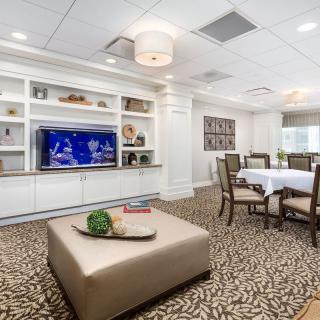
Lobby, Waiting Area, Indoor Plants, and Reception Area
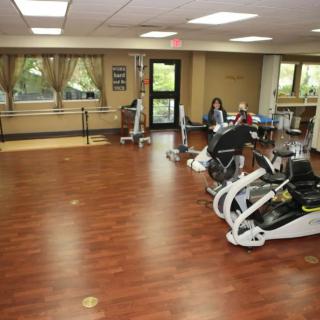
Exercise Equipment and Therapy Room
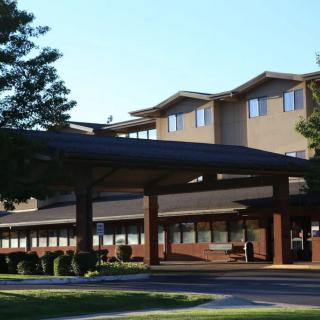
Exterior and Healthcare
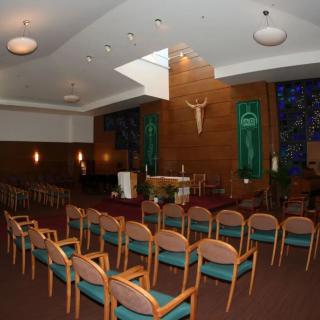
Church
Get PricingAsk A QuestionSchedule A TourContact Senior Advisor
By clicking submit, you agree to our Partner's Terms of Use. You
also consent to receive calls and texts, which may be autodialed, from our Partner. Your consent is not a condition to
using our Partner's service. Please visit our Partner's Privacy Policy for information about their privacy practices.





 48 resident community capacity
 Assisted Living
 Skilled Nursing Facility
 Beauty salon
 Cable or satellite TV
 Dining room
 Fully furnished
 Garden
 Housekeeping services
 Kitchenette
 Move-in coordination
 Outdoor space
 Restaurant-style dining
 Small library
 Telephone
 Wi-Fi/high-speed internet available
 Salt Lake City International (7 miles away)
 24-hour call system
 Activities of daily living assistance
 Assistance with bathing
 Assistance with dressing
 Assistance with transfers
 Diabetes diet
 Medication management
 Mental wellness program
 Special dietary restrictions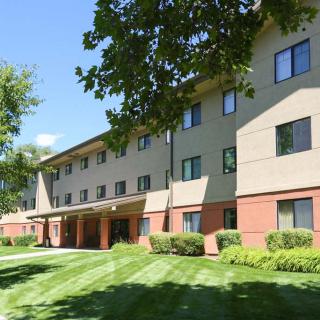
 Friendly staff, engaging activities, and affordable pricing compared to the local market.




 Senior Transition Services: Understanding Their Role, Cost, and Importance
 Exploring the Path to Senior Living: A Comprehensive Look at Independent Living and Assisted Living
 Is Assisted Living Deductible on Your Taxes? Understanding the Complexities of Assisted Living Expenses and Deductions