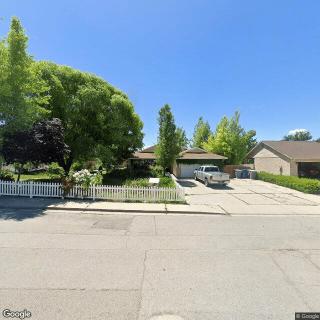
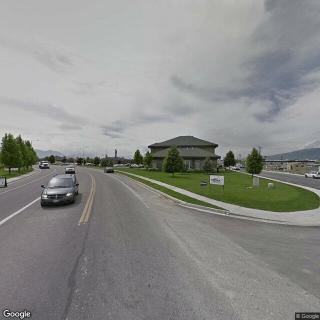
338 West 2600 North, Pleasant Grove, UT 84062
For more information about senior living options: (866) 208-4318
Overall Review of Manila Hills Home
Pros
 The facility is warm and friendly, with care provided to residents 24/7.
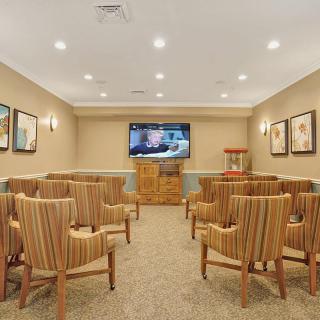
- Residents can participate in activities or enjoy the privacy of their own rooms.
- There are flower gardens and bird feeders to enjoy nature's beauty.
- The CNAs and staff care about the residents.
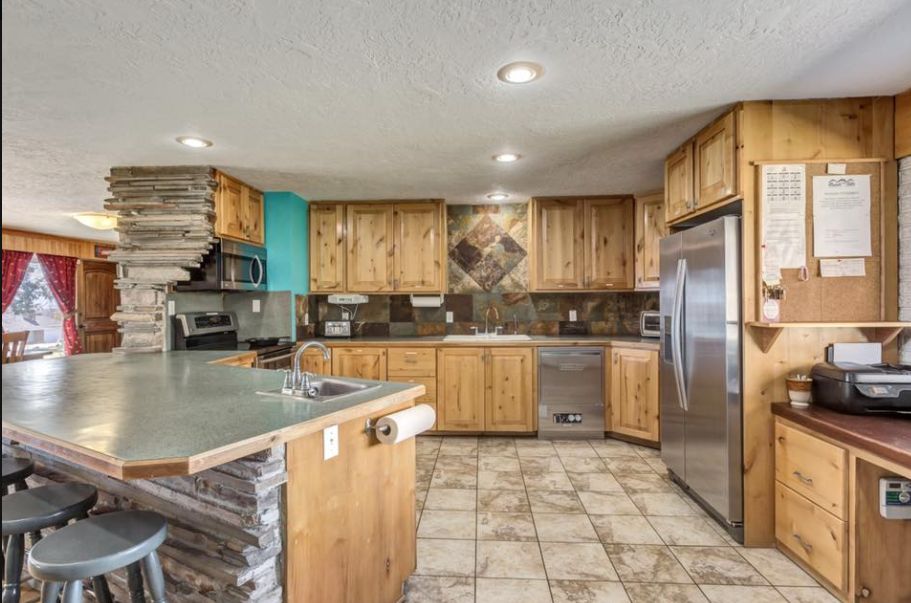
- Meals are served at the dining room table or in the rooms.
- Manila Country Home feels like a country home.
- The owner/operators truly love and care for the residents.
Cons
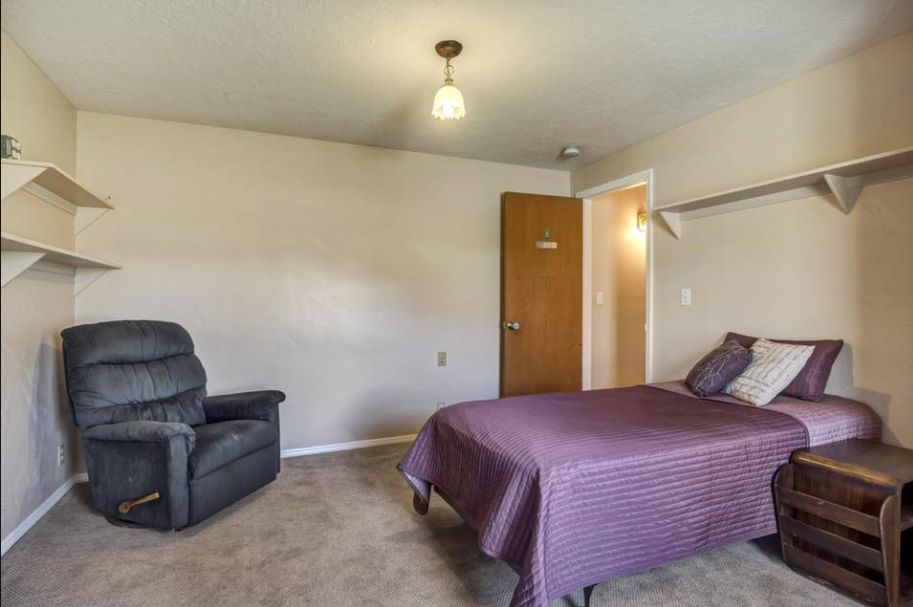
 A relative was fed expired meat and lived in a shabby room.
- They are penny-pinching and not fit to be caretakers.
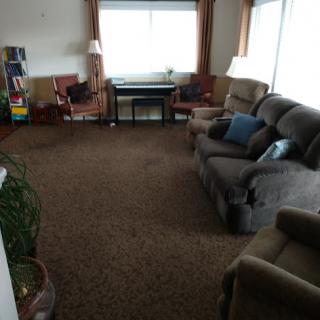
- The facility is dark inside.
- Residents' rooms do not get cleaned regularly.
- The trash is piled high.
- The garden is overgrown with weeds.
- The adjacent room is never vacuumed.
- Staff have rarely, if ever, been seen by visitors.
- No activities are offered.
- The owners are not qualified to run this facility.
- The quality of care has dropped far below standard.
- The facility would not be recommended.
Review
This community is best suited for families seeking a small, country-home atmosphere in Pleasant Grove, where residents can enjoy personal attention and a neighborly vibe. It works well for those who prize one-on-one interactions with caregivers, the option to participate in activities or stay in the privacy of a room, and a setting that feels intimate rather than institutional. The environment can be meaningful for residents who value community ties, garden views, and a sense of home-like normalcy. However, it is not ideal for families that require consistently pristine cleanliness, rigorous food safety, or highly standardized operations. If those nonnegotiables are central, alternative options with stronger housekeeping discipline and formal oversight should be explored.
The strongest positives revolve around warmth, accessibility, and a community-oriented mindset. The staff and CNAs are frequently praised for their care and attentiveness, with residents able to receive care around the clock. Dining options are flexible, allowing meals in the dining room or in rooms, which supports comfort and privacy. Residents can opt into activities or enjoy quiet time, and the grounds offer pleasant natural features, flower gardens and bird feeders, that contribute to a calming atmosphere. A favorable mix of mountain views, nearby cultural touchpoints, and the sense that the owners are personally engaged adds to the feeling of a genuine, homey place. For families prioritizing heartfelt, personal connection, these elements carry significant weight.
Yet the downsides are not easy to ignore and carry real risk if not addressed. Several reviews raise serious concerns about cleanliness and upkeep: rooms described as shabby, infrequent cleaning, trash piles, weed-filled gardens, and infrequently seen staff on site. One episode alleges food safety issues, including expired meat, which is a red flag for families watching dietary safety and overall health standards. Additional questions arise about management qualifications as occupancy grows, with some voices suggesting that quality of care and attention can dip as the home expands. Even with warm intentions, these consistency gaps threaten resident well-being if left unchecked.
Those pros and cons can push families toward a practical trade-off: the home-like, intimate care model versus the comfort and predictability of a more regimented operation. When staffing is steady and genuinely engaged, the personal connection and flexible programming can offset occasional housekeeping lapses, especially for residents who value companionship, familiar routines, and local community involvement. The owners’ demonstrated willingness to partner with churches, schools, and community groups underscores a commitment to social engagement, which can enrich daily life for many residents. In this light, Manila Hills Home can deliver meaningful, dignified living for those who prioritize relationships and a gentle pace over polished amenities.
For families weighing alternatives, the questions become concrete. Is the resident likely to thrive with a smaller, home-centered setting, provided there is transparent accountability and responsive care? Or do sanitation standards, consistent housekeeping, and robust programing require a setting with more formal operations and stronger clinical oversight? If the answer tilts toward the latter, it is prudent to broaden the search to communities with track records of reliable housekeeping, documented inspection history, and a stable management team. In the meantime, maintain a focused due diligence process: request recent inspection reports, ask to meet front-line caregivers on shift, observe housekeeping routines, review menus and dietary accommodations, and confirm the cadence of activities. A candid comparison with alternative options will reveal whether the intimate, country-home experience can be paired with the reliability and safeguards that many families must have.
In the end, Manila Hills Home offers a compelling package for the right resident: a warm, community-driven living environment where caregivers can form real connections and where residents can enjoy a welcoming, low-key lifestyle. The decisive choice rests on whether cleanliness, consistent staffing, and food safety can be assured. If those guardrails feel uncertain, explore other paths while using this community as a benchmark for what a truly person-centered home should deliver. The best-fit decision will align the resident’s values with a clearly demonstrated commitment to reliable care, clean surroundings, and engaging, regular programming.
 11 resident community capacity
 Assisted Living
 Board and Care Home
 Cable or satellite TV
 Dining room
 Fully furnished
 Garden
 Housekeeping services
 Laundry
 Move-in coordination
 Outdoor space
 Resident parking
 Security gate
 Small library
 Telephone
 Transportation & parking
 24-hour supervision
 Activities of daily living assistance
 Assistance with bathing
 Assistance with dressing
 Assistance with transfers
 Diabetes diet
 Meal preparation and service
 Medication management
 Special dietary restrictions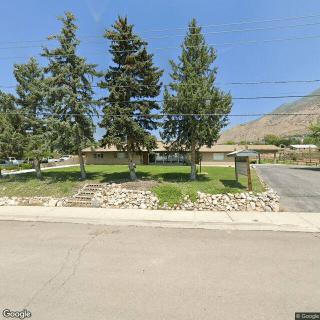


 Assisted Living and Memory Care: Understanding Their Core Differences
 Beyond the Bingo Hall: 50+ Enriching Activities for Seniors in Assisted Living
 Understanding the Distinctions: Assisted Living and Memory Care Explained