
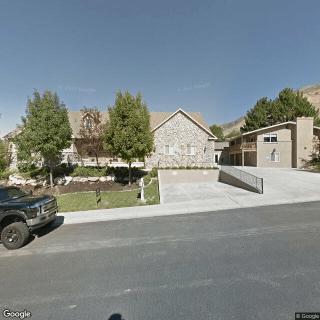
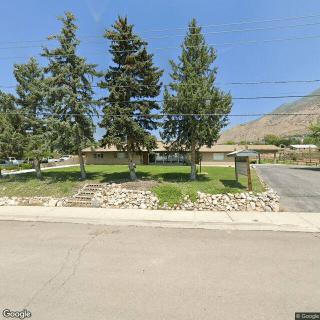
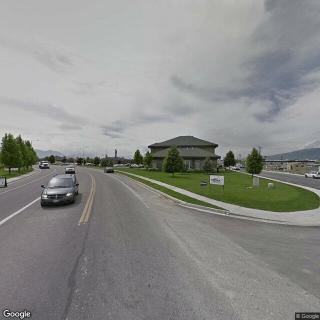
895 North 900 East, American Fork, UT 84003
For more information about senior living options: (866) 208-4318
Overall Review of Utah State Developmental Center
Pros
 The center is great.
- The Cottage Cafe offers inexpensive food that brings back memories of elementary school cafeteria lunches.
- A big burger costs just a dollar, highlighting excellent value.
- The experience feels nostalgic and budget-friendly.
Review
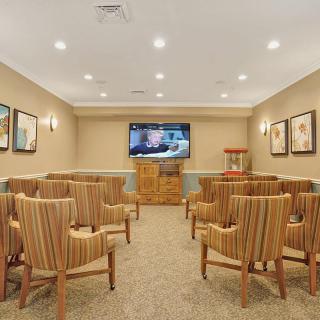
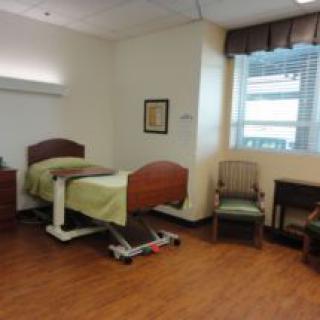
This Utah State Developmental Center in American Fork is best suited for families seeking a structured, predictable home for adults with developmental needs, where routine, safety, and clear boundaries define daily life. The campus-style setting, embedded in a state-run framework, tends to appeal to those who value dependable programming and straightforward supports over boutique amenities. With a 4.1 rating from 12 reviews, the center earns a credible, if modest, vote of confidence for families prioritizing reliability, community integration, and easy access to on-site basics. In practical terms, this is the right choice for households that want a stable environment where daily life is organized around predictable activities and shared spaces.
Alternatives deserve consideration for those whose loved ones require more intensive clinical oversight, greater privacy, or expanded autonomy. If medical staffing needs are higher, or if independence and flexible service models are critical, other facilities with stronger on-site clinical teams and more modern amenities may better fit the goals. The center’s utilitarian, state-run footprint can feel restrictive to families seeking upscale comforts, broad therapies, or more individualized, high-touch living experiences. In short, this is not the pick for those chasing luxury or highly specialized medical support; it is for families who prize consistency, affordability, and a community-centered atmosphere.
On balance, the proven positives center on atmosphere and social life. The center is described as a solid, welcoming place, with a tangible sense of community that resonates with residents and families. An on-site dining option, the Cottage Cafe, emerges as a notable perk, offering very low-cost meals that echo nostalgic cafeteria lunches. Payments for the cafe are handled by cash or checks only, which can streamline budgeting in some cases but may complicate daily routines for those who prefer other payment methods. This dining hub can anchor daily routines, bolster peer interactions, and provide a simple, shared experience that strengthens belonging and routine for residents.
Yet the overall picture includes meaningful caveats. Review data show a range of experiences, including several high-rated impressions alongside lower ones, signaling variability in what families should expect from day to day. The cafe’s cash-or-check policy, while straightforward, adds a practical friction point that families should plan for during planning and budgeting. Limited information about medical supports beyond the general model can leave families uncertain about how daily clinical needs are met, particularly for residents with evolving care requirements. These factors mean the center can be excellent for stability and companionship, but may fall short for those seeking consistently seamless medical integration and financial convenience.
Despite these caveats, the strong points can practically offset the drawbacks for the right candidate. For families prioritizing routine, safety, and a sense of community over upscale amenities, the combination of a stable campus setting, predictable programming, and ultra-affordable meals creates a compelling value proposition. The social capital built through shared spaces like the cafe can support meaningful participation in activities and peer relationships, a core objective for many residents. In this light, affordability and a well-defined daily rhythm become a genuine advantage, making this center a sensible default choice when those elements top the list of priorities.
The decisive step is a disciplined, hands-on evaluation. Schedule a thorough tour focused on day-to-day life, staffing levels, and how programming is tailored to different needs. Probe medical oversight, therapy availability, transportation options, and the construction of individualized plans, alongside meal routines, payment methods, and the cadence of community activities. If reliability and budget-conscious living align with the family’s goals, this community deserves strong consideration and should sit near the top of any shortlist. Conversely, if robust clinical capacity, privacy, or a high-touch, luxury-inclined living environment is non-negotiable, pursuing alternatives with stronger on-site medical resources and modern conveniences is prudent. The ultimate decision hinges on balancing predictable structure and cost with the level of care, flexibility, and Independence that the loved one requires.
 260 resident community capacity
 Assisted Living
 Air-conditioning
 Beauty salon
 Cable or satellite TV
 Computer center
 Dining room
 Fitness room
 Fully furnished
 Gaming room
 Garden
 Housekeeping services
 Kitchenette
 Move-in coordination
 Outdoor space
 Private bathrooms
 Restaurant-style dining
 Small library
 Telephone
 Wellness center
 Wi-Fi/high-speed internet available
 Community operated transportation
 12-16 hour nursing
 24-hour call system
 Activities of daily living assistance
 Assistance with bathing
 Assistance with dressing
 Assistance with transfers
 Diabetes diet
 Medication management
 Mental wellness program
 Special dietary restrictions
 Concierge services
 Planned day trips
 8 Key Indicators That Suggest It May Be Time to Transition from Assisted Living to Skilled Nursing Care
 Vibrant Senior Living: A Comprehensive Guide for Active Older Adults
 When to Transition from Assisted Living to Memory Care: Key Indicators, Steps, and Finding the Right Community