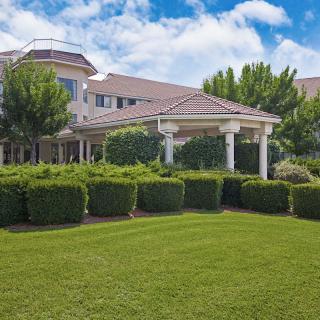
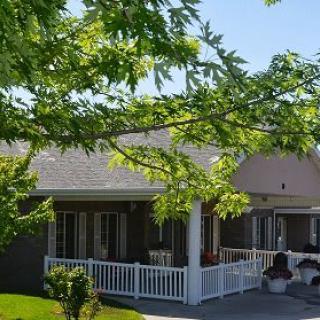
Our House Of Orem II is an assisted living community in Orem, UT.
Information last verified:
430 South Main Street, Orem, UT 84058
For more information about senior living options: (866) 208-4318
4.2 from 100 reviews
5 stars
73
4 stars
5
3 stars
3
2 stars
3
1 stars
16
Overall Review of Our House Of Orem II
common
Care team gets frequent praise
Residents and families repeatedly describe the care team as kind and attentive.
Across many reviews, residents and family members say staff are supportive during therapy and daily needs, and that communication feels clearer when questions come up. Multiple reviewers also describe the facility as welcoming and “like family,” with specific praise for nurses, CNAs, therapists, and leadership. A few negative reviews criticize delays, unanswered calls, and lapses in care, but even those reviews often still name the value of individual staff members.
differentiator
Therapy support helps residents improve
Therapy is a consistent focus, with residents describing meaningful progress.
Many reviewers highlight physical therapy and other rehab services as a key reason they chose to come back, feel hopeful, or gain strength after surgery or injury. Several people describe therapists who help them work on mobility and daily functions, and others mention therapy sessions that push them appropriately toward goals. That said, a minority of reviews complain about inadequate or delayed response during recovery situations, which shows the experience isn’t uniform.
caveat
Food satisfaction is mixed
Food quality and consistency come up often, with both praise and complaints.
Some residents and families say meals are good or balanced, and one reviewer describes dietary staff helping family members eat together. Other reviews are sharply critical, describing bad or mediocre food, portions that feel insufficient, or trays that include items residents can’t have. A few negative comments also connect food issues to broader frustration with day-to-day responsiveness.
caveat
Cleanliness and room setup vary
Reviews describe the facility as clean at times, but room cleanliness and setup are uneven.
Several reviewers mention cleanliness and a home-like, comfortable environment, including comments about spacious rooms and overall upkeep. Other reviews report problems such as missed cleaning, bathroom or shower access issues, unpleasant room conditions, or concerns about sanitation. Even when improvements were described, the negative reviews suggest that room experience can depend on the specific situation and staff response.
common
Activities and a home-like feel
Residents mention social activities that add structure to daily life.
Reviewers describe scheduled activities and recreation that help pass the day, including programs like cooking activities, music therapy, and other group events. Multiple reviews also connect the atmosphere to feeling comfortable—familiar interactions, supportive staff presence, and a “family” feeling. A few negative reviews focus more on care breakdowns than activities, so the social experience isn’t mentioned as consistently as care and therapy.
caveat
Scheduling limits affect families
Families describe restrictions that can limit overnight stays.
One review says the facility initially wouldn’t allow an overnight visit, and the reviewer later notes the resident was staying overnight elsewhere. Another review mentions difficulties with quick access to help during urgent moments, which affected how family members experienced the stay. Together, these comments suggest that logistics and responsiveness can affect day-to-day comfort for families.
How we summarize
We summarize when many written reviews mention each theme; a review can touch several themes, and only frequently mentioned themes are displayed.
Features
Housing
16 resident community capacity
Types of Care
Assisted Living
Board and Care Home
Amenities
Cable or satellite TV
Dining room
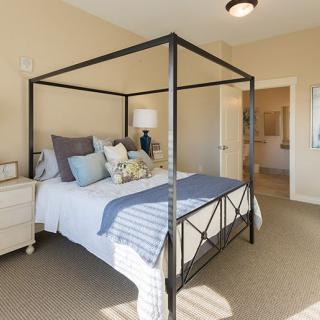
Fully furnished
Garden
Housekeeping services
Move-in coordination
Outdoor space
Telephone
Wi-Fi/high-speed internet available
Care Services
24-hour supervision
Activities of daily living assistance
Assistance with bathing
Assistance with dressing
Assistance with transfers
Coordination with health care providers
Diabetes diet
Meal preparation and service
Medication management
Special dietary restrictions
Transportation arrangement (medical)
Transportation to doctors appointments
Dining
Diabetes diet
Special dietary restrictions
Activities
Community-sponsored activities
Scheduled daily activities
Nearby Places of Interest
Places of Worship
Church of Jesus Christ of Latter Day Saints (0.1 miles)
Church of Jesus Christ of Latter Day Saints (1.1 miles)
The Church Of Jesus İst Of Latter-Day Saints (1.6 miles)
Centerpoint Church (1.6 miles)
The Church of Jesus Christ of Latter-day Saints - 600 N Orem UT (1.7 miles)
Church of Jesus Christ of Latter Day Saints (2.3 miles)
Grandview East Stake (3 miles)
Restaurants
TRUreligion Pancake & Steakhouse (0.2 miles)
The Chocolate (0.3 miles)
Chick-Fil-A (0.7 miles)
Del Taco (0.9 miles)
Apollo Burgers (1.1 miles)
In-N-Out Burger (1.2 miles)
Tucanos Brazilian Grill (1.2 miles)
Pharmacies
Target Pharmacy (0.5 miles)
Orem Family Pharmacy (1.1 miles)
Walmart Pharmacy (1.4 miles)
Walgreens (1.5 miles)
Utah Valley Pharmacy (1.5 miles)
Macey's (1.7 miles)
Macey's, Happy Shopping (1.7 miles)
Parks
Community Park (0.9 miles)
Riverview Park (1.7 miles)
Vineyard Grove Park (2.3 miles)
Lakeside Sports Complex (2.3 miles)
Provo Rotary Park (2.5 miles)
Physicians
Premier Family Medical (0.9 miles)
Utah Valley Pediatrics - Cherry Tree Office (0.9 miles)
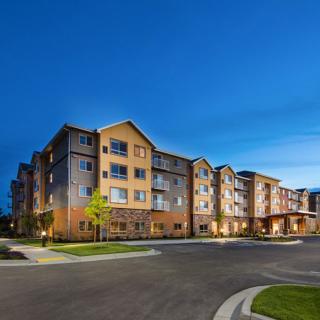
Senior move management services assist older adults in the relocation process by providing emotional support and organizational help, addressing unique challenges like downsizing and moving from long-term homes. These specialists collaborate with real estate agents and manage logistics, making the transition smoother for seniors and their families.
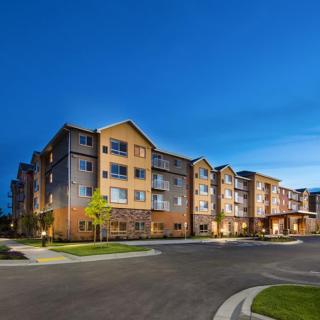
The article examines senior housing options, detailing the distinctions between independent living and assisted living, along with the emerging "independent assisted living" model that blends both approaches. It highlights the importance of assessing individual needs, preferences, and financial factors in making informed decisions about suitable living arrangements for seniors.
The deductibility of assisted living expenses on taxes hinges on factors like the individual's medical condition and service nature, typically requiring the resident to be "chronically ill" per IRS definitions. Taxpayers may deduct eligible medical expenses related to personal care services but generally not rent unless primarily for medical care, and they should maintain thorough documentation to support claims while considering itemizing versus standard deductions.
Get PricingAsk A QuestionSchedule A TourContact Senior Advisor
By clicking submit, you agree to our Partner's Terms of Use. You
also consent to receive calls and texts, which may be autodialed, from our Partner. Your consent is not a condition to
using our Partner's service. Please visit our Partner's Privacy Policy for information about their privacy practices.

 16 resident community capacity
 Assisted Living
 Board and Care Home
 Cable or satellite TV
 Dining room
 Fully furnished
 Garden
 Housekeeping services
 Move-in coordination
 Outdoor space
 Telephone
 Wi-Fi/high-speed internet available
 24-hour supervision
 Activities of daily living assistance
 Assistance with bathing
 Assistance with dressing
 Assistance with transfers
 Diabetes diet
 Meal preparation and service
 Medication management
 Special dietary restrictions
 Transportation arrangement (medical)
 Transportation to doctors appointments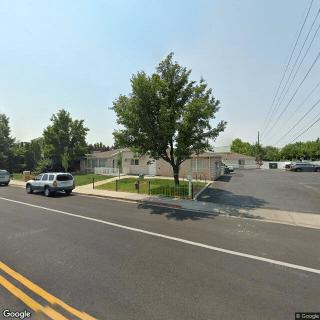
 Peaceful, convenient location with close access to healthcare and nearby amenities.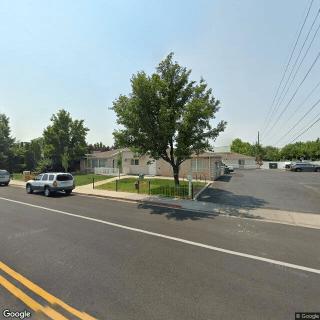


 Senior Transition Services: Understanding Their Role, Cost, and Importance
 Exploring the Path to Senior Living: A Comprehensive Look at Independent Living and Assisted Living
 Is Assisted Living Deductible on Your Taxes? Understanding the Complexities of Assisted Living Expenses and Deductions