
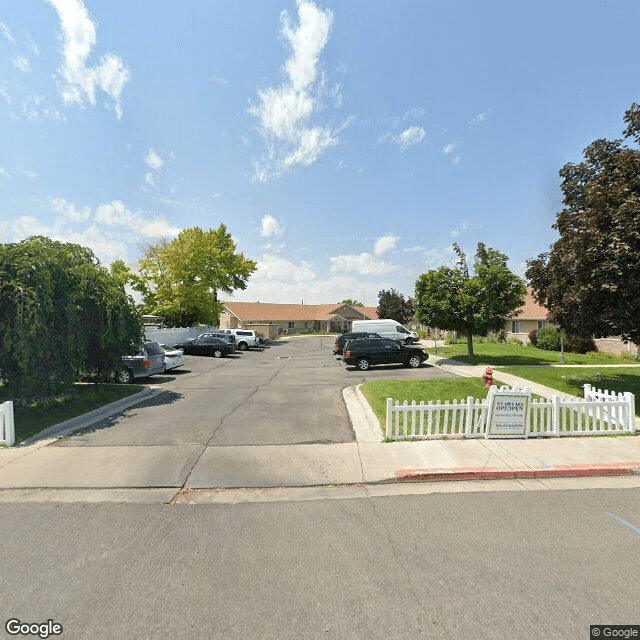
98 S 800 E, Orem, UT 84097
To contact a resident: (801) 764-9420
For more information about senior living options: (866) 208-4318
Beehive Homes of Orem Costs & Pricing
Beehive Homes of Orem offers a competitive pricing structure for its private rooms, with a monthly cost of $2,800. This rate is significantly lower than the average costs in Utah County, which stand at $3,339, and even more so compared to the statewide average of $3,782. Such affordability positions Beehive Homes as an attractive option for those seeking quality care and comfortable living arrangements without straining their financial resources. The facility's pricing reflects a commitment to providing accessible senior living solutions while maintaining high standards of care and community involvement.
| Floor plans | Beehive Homes of Orem | Utah County | Utah |
|---|---|---|---|
| Private | $2,800 | $3,339 | $3,782 |
Senior living communities with a similar price nearby
-
from -$400 / mo
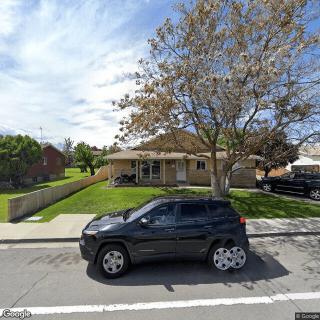
Beehive Homes of Orem I
$2,400 / month2.0 miles away -
from +$200 / mo
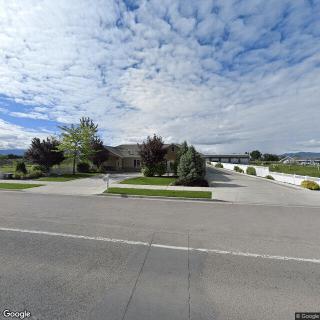
BeeHive Homes of Provo I
$3,000 / month4.6 miles away -
from +$300 / mo

Spring Gardens Heber
$3,100 to $4,500 / month23.9 miles away -
from +$395 / mo

Highland Glen
$3,195 to $3,895 / month10.0 miles away -
from +$450 / mo
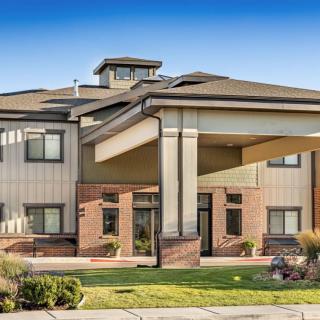
Legacy House Assisted Living of Spanish Fork
$3,250 to $4,295 / month13.2 miles away
Overall Review of Beehive Homes of Orem
Pros
 The reviewer notes easy communication with the staff and administrator Aubrey.
- The staff are always ready to listen and find ways to improve patient quality of life.
- They can count on Beehive Homes to contact their team if anything is needed.
- They feel in the loop with their patients there.
- Beehive Homes provides a homey environment for older adults who need extra care and supervision.
- They were grateful for the wonderful care given to their grandmother at BeeHive Homes of Orem; the rooms were large and the staff was wonderful.
- The experience with Beehive Homes was wonderful; their grandmother was well cared for, the facility was clean, and staff were helpful and courteous.
- They would definitely recommend Beehive Homes.
Review
Beehive Homes of Orem is best suited for seniors who want a warm, home-like setting and rely on steady supervision with a care team that actively coordinates with families and outside clinicians. The community earns strong marks for approachable staff and a culture focused on improving quality of life, with the administrator and caregiving team seen as accessible and responsive. For families navigating hospice or ongoing supportive needs, this facility presents a practical, dependable option that prioritizes comfort, dignity, and clear communication over clinical intensity.
Those considering alternatives should note that Beehive Homes’ strengths lie in daily life comfort and personal attention rather than advanced medical infrastructure. If a resident requires high-acuity medical interventions, extensive on-site specialty services, or specialized dementia programming, other facilities with larger clinical footprints may be a better match. In short, the Beehive model excels in companionship, supervision, and a home atmosphere, not in delivering a broad spectrum of hospital-level services.
From a decision-making perspective, the most compelling positives are the relentless emphasis on communication and collaboration. Hospice nurses who visit the community consistently praise how easy it is to contact the staff and how Beehive Homes keeps the care team in the loop. The administrator and frontline caregivers are described as ready to listen and to act on suggestions to enhance quality of life. That proactive, team-based approach delivers reassurance for families juggling medications, appointments, and day-to-day routines.
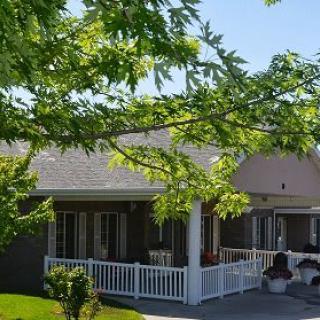
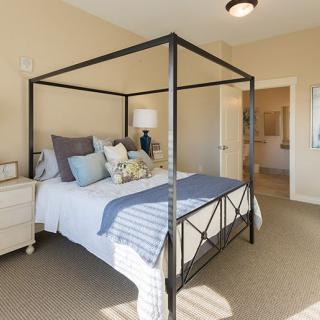
Equally influential are the tangible, everyday advantages: large rooms that feel comfortable rather than cramped, a clean environment that minimizes worry, and a staff body that is courteous and helpful. The overall atmosphere comes across as welcoming and respectful, with residents treated with warmth and given opportunities to stay engaged. These factors translate into smoother daily schedules, fewer friction points for families, and a sense that the loved one is safe, well cared for, and part of a compassionate household.
The implicit trade-off is the absence of a heavy clinical focus. The reviews show no glaring drawbacks, yet for families where medical need outpaces supervision, such as complex wounds, advanced therapies, or memory care that requires intensive programming, the Beehive model may feel undersized. Still, the strong alignment between staff responsiveness, hospice collaboration, and a home-oriented environment means the advantages often outweigh the limits. When care teams can partner closely with outside providers while maintaining a calm, supervised setting, the overall value remains high.
For families weighing options, practical next steps are essential. Schedule a direct tour and probe how communication works in real-world terms: how quickly staff respond to questions, how changes in care plans are coordinated with outside clinicians, and who is the point of contact if issues arise after hours. Verify room sizes and confirm that the intended level of daily support aligns with expectations. If the priority is a warm, home-like setting with transparent, proactive care and dependable staff interactions, Beehive Homes of Orem stands out as a well-considered choice. For residents needing intensive medical services or expansive memory-care programming, explore alternatives with a broader clinical footprint.
 Board and Care Home
 Cats allowed
 Activities on-site
 Beautician on-site
 Devotional services off-site
 Indoor common areas
 Outdoor common areas
 Private
 Respite or short term stays offered
 Wheelchair accessible showers
 Ambulatory care
 Diabetic care
 High acuity care
 Incontinence care
 Meals provided

 Comprehensive Insights into Palliative Home Care: What It Is and What to Expect
 Skilled Nursing Facilities vs. Nursing Homes: Making Sense of the Differences
 A Detailed Examination of Nursing Home Costs Across the U.S.