Ashford at Draper

Save

  • Interior

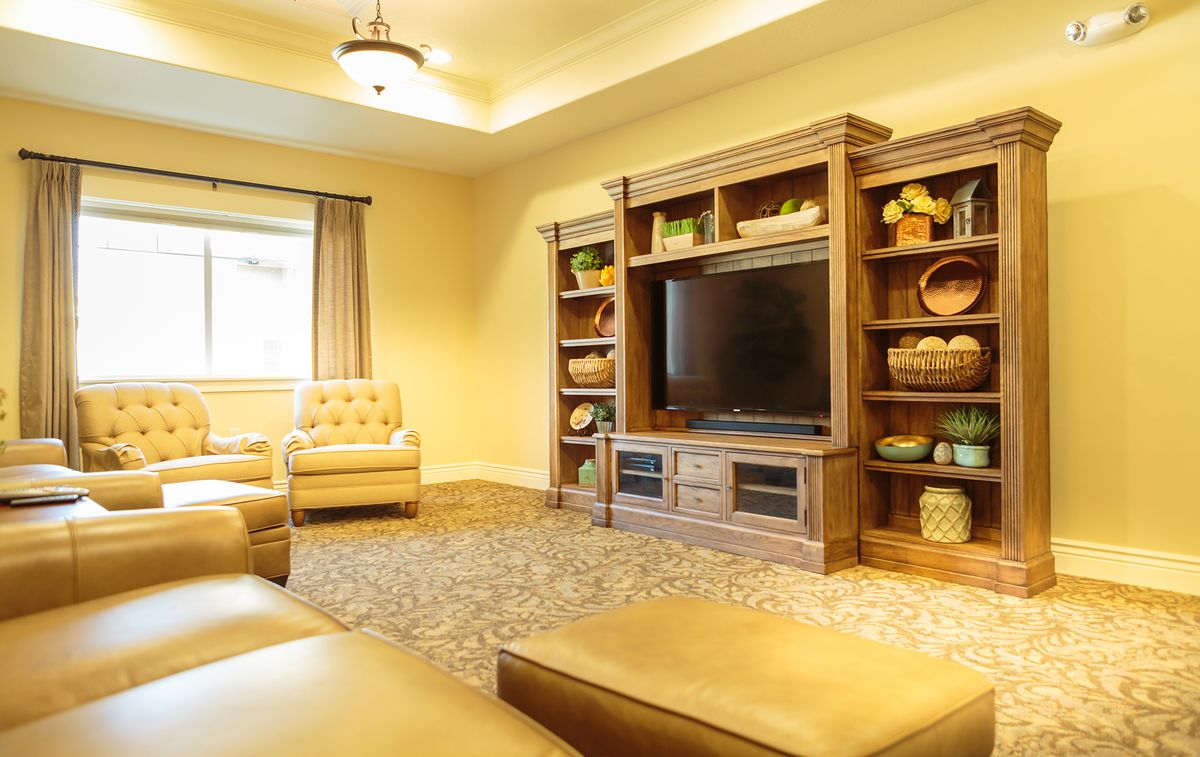
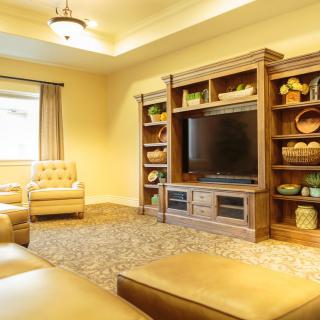
    A cozy living room with a large TV, comfortable seating, and decorative shelves.
  • Living Room

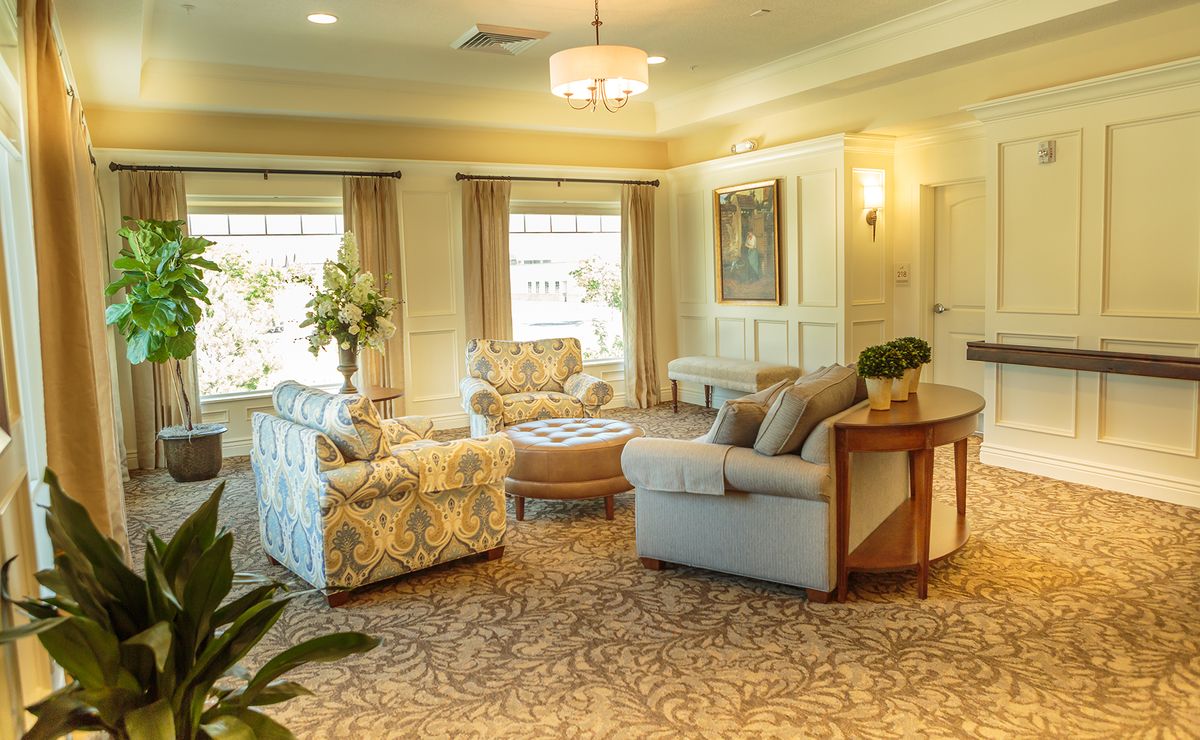
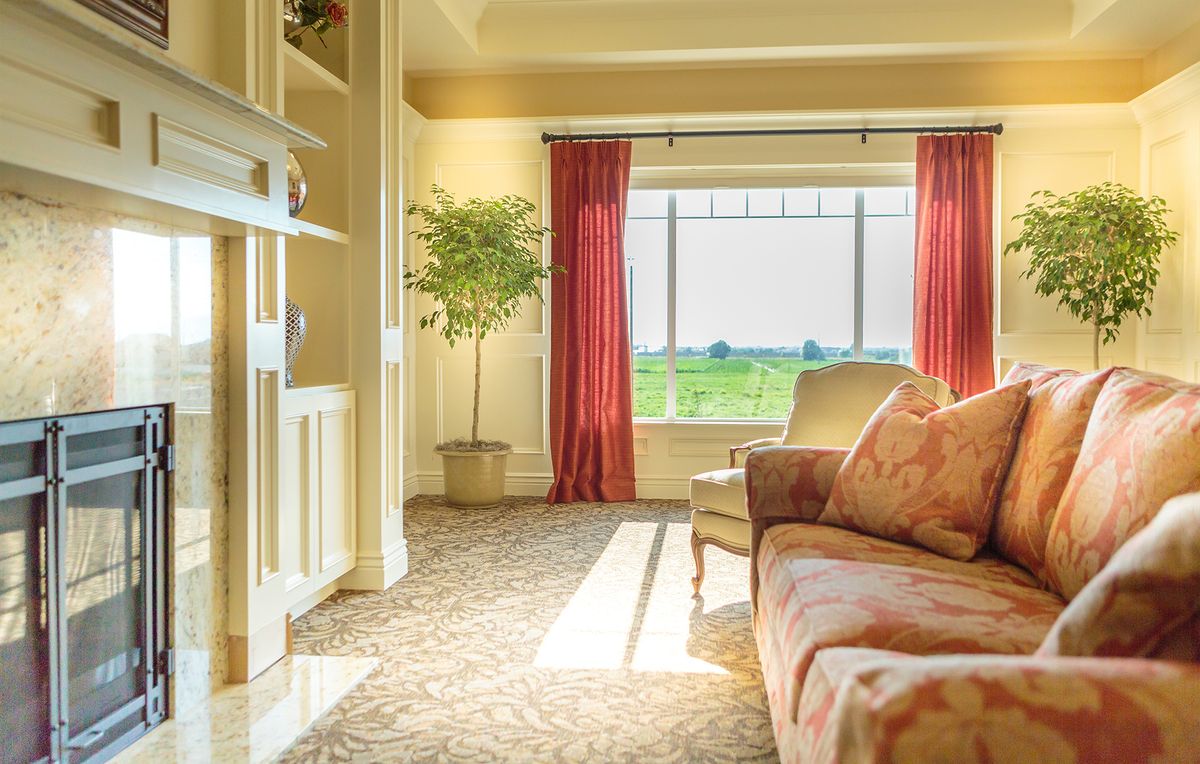
    A warmly lit, elegantly decorated living room featuring plush sofas, a carpeted floor, and large windows with curtains.
  • Bedroom

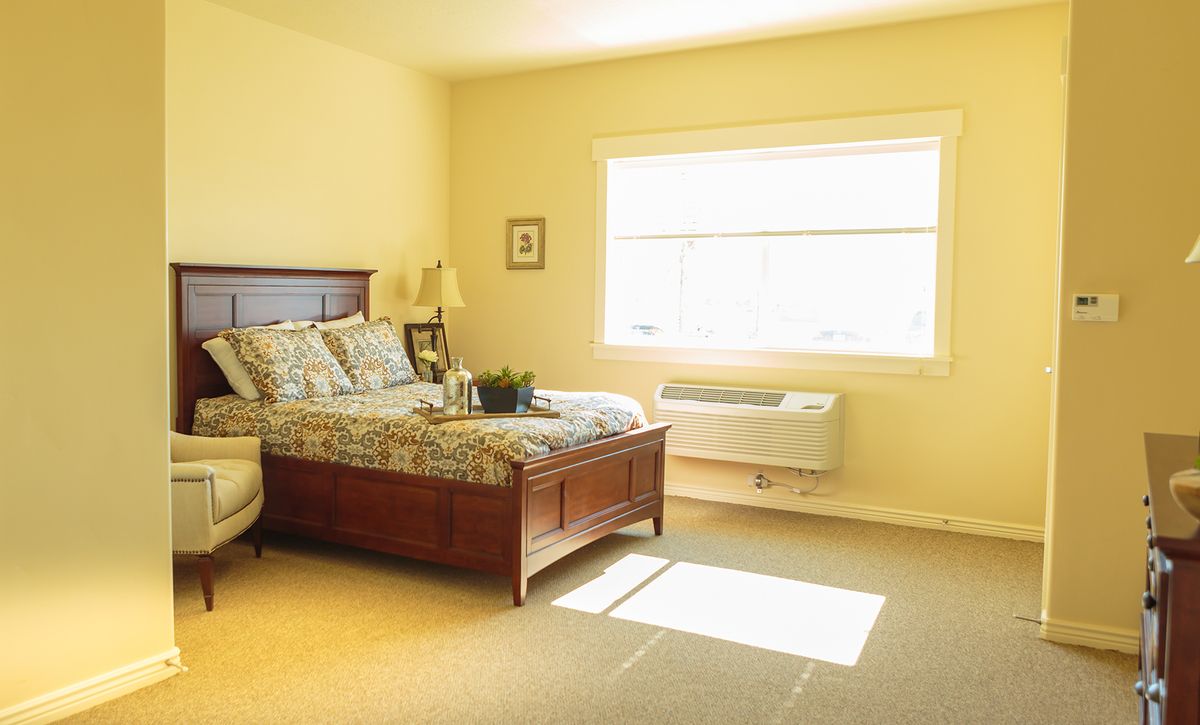
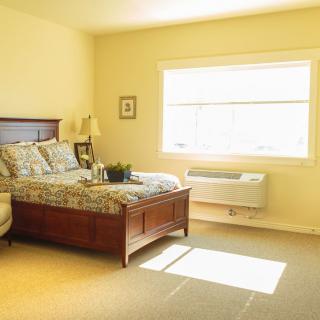
    A bright and cozy bedroom with a neatly made bed and ample sunlight streaming through the window.
  • Windows

    A cozy living room with a view of the landscape through a large window, featuring a sofa, curtains, and indoor plant.
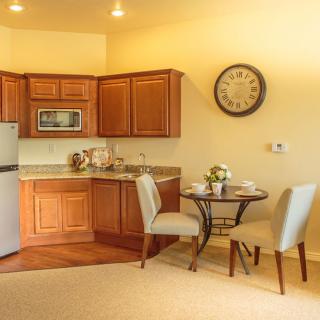
  • Dining

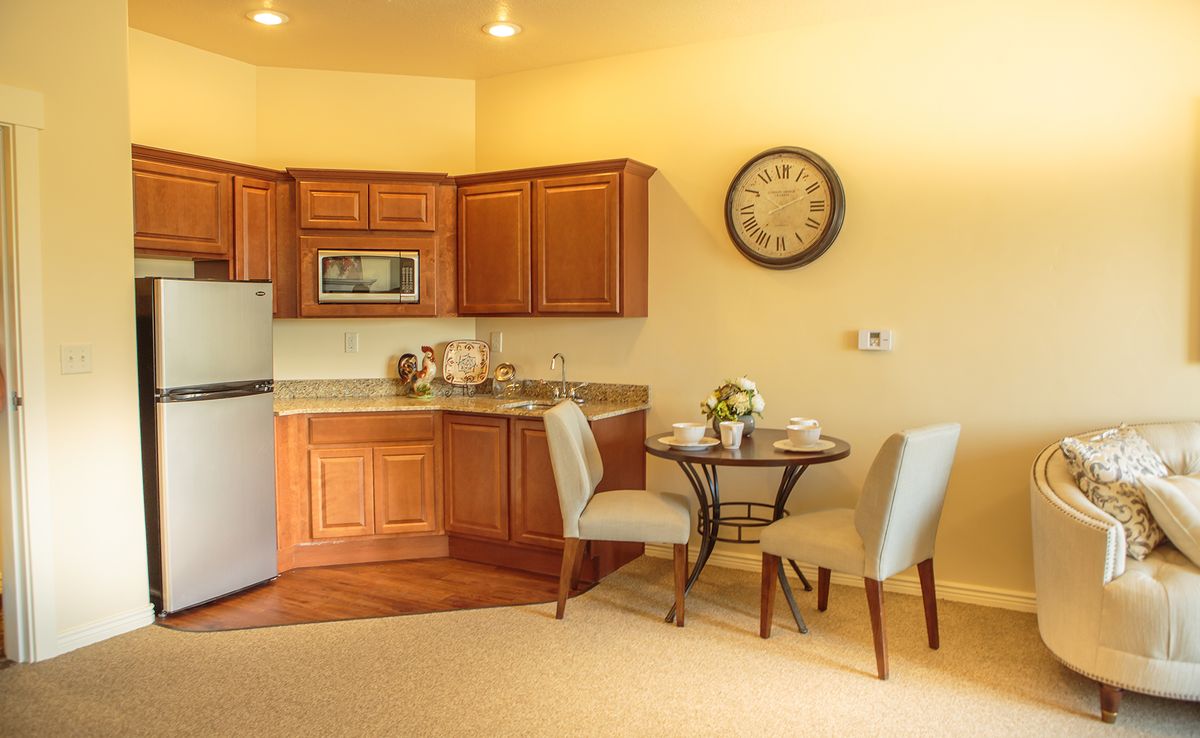
    A cozy kitchen and dining area with wooden cabinets and a small round table.
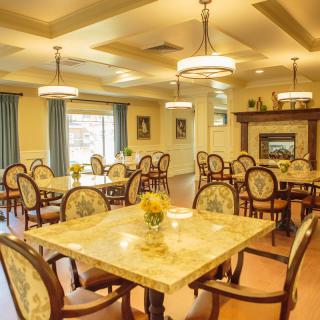
  • Fireplace

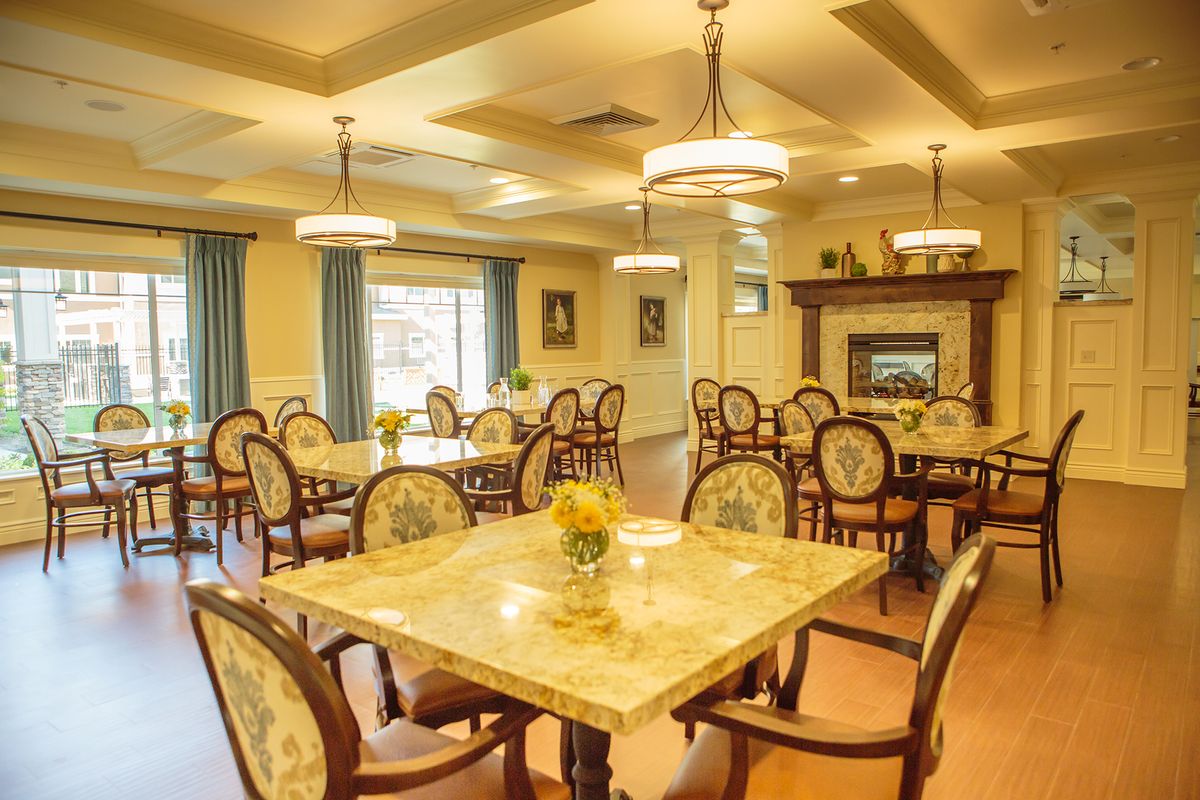
    An elegant dining room featuring classic decor, chandeliers, and a cozy fireplace.

Ashford at Draper

14178 South Bangerter Parkway, Draper, UT 84020

For more information about senior living options: (844) 490-3973

4.7 from 57 reviews
5 stars
50
4 stars
4
3 stars
0
2 stars
0
1 stars
3

Assisted Living Memory Care

Overall Review of Ashford at Draper

Pros

  • pro The staff at Ashford in Draper are kind, compassionate, and attentive to residents' needs.
  • pro The facility feels warm, inviting, and beautifully maintained with tasteful furnishings and art.
  • pro The care team delivers excellent, person-centered care and goes above and beyond for families.
  • pro The administrators and owner are engaged, approachable, and dedicated to residents' well-being.
  • pro The activities team plans engaging outings and enjoyable, meaningful activities for residents.
  • pro Families receive regular, clear communication and feel informed and supported.
  • pro The memory care unit provides specialized, respectful, and loving care in a home-like setting.

Cons

  • pro The reviewer described the husband being labeled aggressive and ignored by aides, left alone in his room, soaking wet, hungry and thirsty.
  • pro The facility allegedly kicked him out on a weekend, during which he lost about 15 pounds in 18 days and their care was blamed for his decline.
  • pro There were multiple instances where medications were not given as prescribed, prompting investigations and a finding of caretaker neglect in the MAR records.
  • pro There was a reported staff Exodus with the administrator, director of nursing, and front desk manager leaving within a few weeks, causing concern about continuity of care.
  • pro Several aides were described as very young with little to no training in dementia care, with only a handful showing true care and compassion.
  • pro One reviewer stated the father was fed far more than he was accustomed to, highlighting a negative aspect of the care.

Review

Ashford at Draper is best suited for families that want a warm, home-like assisted living environment with exceptionally caring staff and a memory-care program that feels intimate rather than institutional. This community thrives when residents value daily life centered on connection, good meals, meaningful activities, and ready access to attentive caregiving. It appeals to those who want a facility that looks and feels like a welcoming neighborhood home, where administrators and frontline staff know residents by name and family members feel consistently looped in about care decisions. For memory care specifically, Ashford offers a culture of dignity, respect, and personalized attention that often translates into better mood, social engagement, and a sense of belonging for residents who may feel overwhelmed by memory challenges.

Families who may want to consider alternatives include those prioritizing rock-solid, error-free medication management with zero tolerance for lapses, or those needing highly consistent staffing and leadership stability. Several reviews flag medication administration as a risk area, including instances that prompted formal concern and even an Adult Protective Services inquiry. While many caregivers rise to the occasion, the possibility of MAR discrepancies or pharmacy workflow changes warrants active oversight. Additionally, a few families describe personal experiences where care gaps or staff turnover influenced the day-to-day feel of services. For a family that cannot tolerate any ambiguity around meds or frequent leadership changes, exploring other communities with a more documented, centralized approach to medication safety and long-term administrator continuity would be prudent.

The strongest positives at Ashford are the people and the everyday care atmosphere. Staff are repeatedly described as kind, patient, and genuinely invested in residents' wellbeing, with particular praise for activity directors who design outings and crafts that actually engage seniors. The home ambiance - well-kept furnishings, inviting common areas, clean rooms, and a decor that feels both modern and comfortable - complements the attentive care. The meals receive consistent compliments for quality and homestyle flavor, and the campus consistently feels like a family-run operation in the best possible sense. The memory-care unit, in particular, earns gratitude from families for safe, respectful environments where residents' routines are honored and their dignity preserved, and where loved ones feel included through regular updates and accessible staff.

Yet the cons do matter and should shape a decision. Leadership shifts and staff turnover have been noted, including the departure of a top administrator, director of nursing, and a front-desk manager within a short window. Such changes can ripple through shifts, training, and day-to-day reliability, especially in a community that relies on a large, capable caregiving team. There are also concrete reminders to vigilantly monitor medication delivery and MAR documentation, regardless of assurances from staff. Construction and expansion activity, while a sign of growth, can temporarily affect traffic flow and routine. A family that values absolute consistency might weigh these factors more heavily and probe how future staffing plans and med-management protocols will be stabilized going forward.

Despite the caveats, the offsetting benefits are compelling. For families prioritizing a high-touch, affectionate care model, Ashford's culture - owner involvement, locally rooted leadership, and a workforce that remembers residents' stories - creates a trustworthy, supportive environment. The memory-care program stands out for its person-centered approach, and the community's commitment to keeping families informed reduces the isolation that often accompanies long-term care decisions. In practical terms, this means tours, trial periods, and ongoing care conferences can yield clear expectations about daily routines, diets, medication schedules, and activity calendars. When a family pairs that transparency with proactive oversight of medications and staffing, Ashford at Draper becomes a strong, well-priced option in Utah's senior-care landscape.

Ashford at Draper is a strong choice for families seeking a respectful, neighborly setting with attentive staff and a demonstrably caring approach to memory care, all at a value that tends to outpace many peers. The decisive caveat is medication safety and leadership stability, areas where diligent families should demand clear processes, consistent MAR reviews, and predictable staffing plans. If those elements can be actively managed or if a family welcomes the hands-on involvement of an engaged owner and local operators, Ashford delivers on its promise of a true home for aging loved ones. If medication rigor and uninterrupted leadership continuity are non-negotiables, exploring alternatives with more immutable med-management systems and steadier executive teams may be warranted before making a final commitment.

Features

Housing

  • 16 resident community capacity 16 resident community capacity

Types of Care

  • Assisted Living Assisted LivingAssisted living facilities provide crucial support and care for seniors who may need help with daily tasks such as medication management, bathing, and meal preparation. These communities offer a safe and comfortable environment where seniors can maintain their independence while receiving the assistance they need to thrive in their golden years.
  • Memory Care Memory CareMemory care is crucial for seniors as it provides specialized support and services for individuals with dementia or Alzheimer's disease. These programs offer a safe and secure environment where residents receive personalized care, cognitive stimulation, and help with daily activities. Memory care helps seniors maintain their independence, quality of life, and dignity while also providing peace of mind for their families.

Amenities

  • Cable or satellite TV Cable or satellite TVCable or satellite TV is important for seniors because it provides entertainment, news, and companionship, helping to combat loneliness and boredom. It also offers a wide range of programming options tailored to different interests and preferences.
  • Dining room Dining roomDining rooms are important for seniors as they provide a space for socialization, connection, and nutritious meals. They offer opportunities for residents to bond over shared meals, foster a sense of community, and promote healthy eating habits. Dining rooms also ensure that seniors have access to well-balanced meals tailored to their dietary needs and preferences.
  • Fully furnished Fully furnishedFully furnished senior living communities are important for seniors because they provide convenience, comfort, and a hassle-free moving experience. Seniors can easily settle into their new living space without the stress of having to buy and move furniture. This allows them to focus on enjoying their new home and community.
  • Garden GardenGardens are important for seniors as they provide a peaceful and therapeutic environment for relaxation, physical activity, and socialization. Being in nature has been shown to reduce stress, improve mood, and promote overall well-being. Gardens also offer opportunities for seniors to engage in gardening activities, which can improve mobility, flexibility, and cognitive function. Additionally, gardens create a sense of community and connection with others who share a passion for plants and outdoor spaces.
  • Housekeeping services Housekeeping servicesHousekeeping services are important for seniors because they help maintain a clean and safe living environment, promote independence, and reduce the risk of accidents or illnesses. Additionally, having assistance with household chores can alleviate physical strain and allow seniors to focus on other aspects of their well-being.
  • Move-in coordination Move-in coordinationMove-in coordination is important for seniors because it helps ease the transition into their new living environment. It ensures that all logistics, such as packing, organizing movers, and setting up utilities are taken care of, allowing seniors to focus on settling in and adjusting to their new home. Having a smooth move-in process can alleviate stress and anxiety, making the transition smoother and more enjoyable for seniors.
  • Outdoor space Outdoor spaceOutdoor spaces are important for seniors as they provide opportunities for physical activity, social interaction, exposure to natural light and fresh air, and a sense of connection to nature. Having access to outdoor spaces can improve overall well-being and quality of life for older adults living in senior communities.
  • Telephone TelephoneTelephones are important for seniors as they provide a lifeline for communication with loved ones, emergency services, and healthcare providers. They offer a sense of security and independence, enabling seniors to stay connected and access assistance when needed.
  • Wi-Fi/high-speed internet available Wi-Fi/high-speed internet availableWi-Fi/high-speed internet is important for seniors to stay connected with loved ones, access online resources, and participate in virtual activities to combat feelings of loneliness and isolation. It also allows them to easily manage healthcare needs, access entertainment, and engage in lifelong learning opportunities.

Transportation

  • Salt Lake City International (21 miles away) Salt Lake City International (21 miles away)

Care Services

  • 24-hour supervision 24-hour supervision24-hour supervision is important for seniors to ensure their safety, well-being, and access to immediate assistance in case of emergencies or health issues. This constant support provides peace of mind for both seniors and their loved ones, allowing them to age in place with dignity and security.
  • Activities of daily living assistance Activities of daily living assistanceActivities of daily living assistance are important for seniors because they provide essential support with tasks such as eating, bathing, dressing, and mobility. This assistance helps seniors maintain their independence, dignity, and overall quality of life as they age.
  • Assistance with bathing Assistance with bathingAssistance with bathing is crucial for seniors as it helps maintain personal hygiene, prevents infections, and ensures their overall well-being and comfort. It also provides a sense of dignity and independence for seniors who may struggle with this task on their own.
  • Assistance with dressing Assistance with dressingAssistance with dressing is important for seniors because it helps maintain their independence, promotes personal hygiene, prevents accidents and injuries, and improves overall quality of life. This service ensures that seniors can continue to dress comfortably and confidently, despite any physical limitations they may have.
  • Assistance with transfers Assistance with transfersAssistance with transfers is crucial for seniors as it helps prevent falls and injuries, maintains their independence, and ensures they can safely navigate their living environment. It also provides peace of mind for both seniors and their loved ones.
  • Coordination with health care providers Coordination with health care providersCoordination with health care providers is crucial for seniors to ensure proper medical care, medication management, and overall well-being. This collaboration helps prevent overlapping treatments, track progress more effectively, and provide comprehensive support tailored to individual needs.
  • Dementia waiver Dementia waiverDementia waivers are essential for seniors as they provide critical protections and accommodations for those experiencing cognitive decline. These waivers ensure individuals with dementia receive appropriate care, support, and resources to maintain their quality of life and dignity as they navigate the challenges of this progressive condition.
  • Diabetes diet Diabetes dietA diabetes diet is crucial for seniors as it helps manage blood sugar levels, reduce risks of complications, and improve overall health and well-being. By following a balanced and nutritious diet tailored to their specific needs, seniors can better control their diabetes and enhance their quality of life.
  • Hospice waiver Hospice waiverHospice waivers are important for seniors because they allow individuals to receive specialized end-of-life care and support at home or in a hospice facility. This waiver ensures that seniors can access the necessary resources and services to maintain comfort and dignity during their final days.
  • Meal preparation and service Meal preparation and serviceMeal preparation and service are crucial for seniors as they may have limited mobility or energy to cook nutritious meals. Having access to healthy and convenient food options can ensure they are getting the proper nutrition needed to maintain their overall health and well-being.
  • Medication management Medication managementMedication management is crucial for seniors to ensure they are taking the right medications at the correct dosages and times. This helps prevent adverse drug interactions, reduces the risk of medication errors, and promotes overall health and well-being. Proactive management also allows for adjustments as needed based on changing health conditions or new prescriptions.
  • Mental wellness program Mental wellness programMental wellness programs are essential for seniors as they promote cognitive stimulation, emotional support, and social engagement. These programs help prevent isolation, depression, and cognitive decline, ultimately enhancing the overall quality of life for older adults.
  • Mild cognitive impairment Mild cognitive impairment"Mild cognitive impairment" is important for seniors because it is an early stage of cognitive decline that can potentially progress to more severe conditions such as dementia. Recognizing and addressing mild cognitive impairment can help seniors receive appropriate care and support to maintain their quality of life and independence for as long as possible.
  • Special dietary restrictions Special dietary restrictionsSpecial dietary restrictions are important for seniors because age-related changes in metabolism and health conditions can make it difficult for their bodies to process certain foods. By following a diet tailored to their specific needs, seniors can maintain their overall health and well-being, manage chronic conditions, and reduce the risk of complications such as malnutrition or food interactions with medications.
  • Specialized memory care programming Specialized memory care programmingSpecialized memory care programming is crucial for seniors with cognitive impairments such as dementia or Alzheimer's disease. These programs provide a safe and supportive environment tailored to the unique needs of individuals with memory loss, helping them maintain their independence, dignity, and quality of life.
  • Transportation arrangement (medical) Transportation arrangement (medical)Transportation arrangements for medical purposes are essential for seniors as they may have difficulty driving themselves to appointments or accessing public transportation. Having reliable and safe transportation options ensures that seniors can receive timely medical care and maintain their health and well-being.
  • Transportation to doctors appointments Transportation to doctors appointmentsTransportation to doctors' appointments is crucial for seniors as it ensures they have access to necessary medical care and support for their health needs. Without reliable transportation, seniors may struggle to attend important appointments, leading to potential delays in treatment and health complications. Providing transportation services helps seniors maintain their overall well-being and quality of life.

Dining

  • Diabetes diet Diabetes dietA diabetes diet is crucial for seniors as it helps manage blood sugar levels, reduce risks of complications, and improve overall health and well-being. By following a balanced and nutritious diet tailored to their specific needs, seniors can better control their diabetes and enhance their quality of life.
  • Special dietary restrictions Special dietary restrictionsSpecial dietary restrictions are important for seniors because age-related changes in metabolism and health conditions can make it difficult for their bodies to process certain foods. By following a diet tailored to their specific needs, seniors can maintain their overall health and well-being, manage chronic conditions, and reduce the risk of complications such as malnutrition or food interactions with medications.

Activities

  • Community-sponsored activities Community-sponsored activitiesCommunity-sponsored activities are important for seniors as they provide opportunities for social interaction, mental stimulation, and physical activity. These activities can help improve overall well-being, combat loneliness and isolation, and promote a sense of belonging and purpose among older adults.
  • Scheduled daily activities Scheduled daily activitiesScheduled daily activities are important for seniors because they provide structure, socialization, mental stimulation, and physical activity. Engaging in regular activities can improve overall well-being and quality of life for seniors living in a community setting.

Description

Ashford at Draper is an assisted living community located in the beautiful city of Draper, UT. We specialize in providing high-quality Memory Care for individuals with Alzheimer's disease and other forms of dementia.

Our community offers a range of amenities to enhance the comfort and convenience of our residents. They can enjoy delicious meals in our dining room, which accommodates special dietary restrictions. Our apartments are fully furnished for their convenience and we also provide housekeeping services to ensure a clean and tidy living environment. Residents can relax and unwind in our outdoor spaces and gardens, while staying connected with Wi-Fi/high-speed internet and telephone services.

We understand that daily activities can sometimes be challenging for individuals with memory impairments, so we provide assistance with activities of daily living such as bathing, dressing, and transfers. Our caring staff works closely with health care providers to coordinate medical treatments and ensure personalized care for each resident. We also offer specialized memory care programming to engage residents mentally.

At Ashford at Draper, we prioritize the well-being of our residents by offering a comprehensive range of care services. This includes meal preparation, medication management, mental wellness programs, coordination with health care providers, transportation arrangements for medical appointments, and even hospice waivers when needed.

Our location provides easy access to various amenities nearby. Residents have cafes, parks, pharmacies, physicians' offices, restaurants, places of worship, and transportation options all within close proximity.

Overall, Ashford at Draper is a welcoming assisted living community that provides exceptional Memory Care services in a comfortable environment. Our dedicated staff ensures that residents receive the support they need while promoting their dignity, independence, and quality of life.

Nearby Places of Interest

Parks

  • Wheadon Farm Park (0.2 miles)
  • River Front Park (4.3 miles)
  • Olympic Park (5.9 miles)
  • Dry Creek Trail Park (6.3 miles)
  • Creekside Park (6.3 miles)
  • Legacy Park (6.4 miles)
  • Lambert Park (6.5 miles)

Physicians

  • Foothill Family Clinic (0.3 miles)
  • Ear Nose & Throat Center of Utah-Draper (2.5 miles)
  • Hidden Valley Eye Care (2.8 miles)
  • Hoopes Vision (2.9 miles)
  • Granger Medical Clinic (3.1 miles)
  • Clarity Vision (3.2 miles)
  • Riverton Family Health Center (3.4 miles)

Pharmacies

  • Walgreens (0.4 miles)
  • Peterson's Marketplace (3.4 miles)
  • Peterson's Market Onli (3.5 miles)
  • CVS Pharmacy (3.6 miles)
  • Smith's Food & Drug (5.1 miles)
  • Primary Children's Outpatient Pharmacy (5.4 miles)
  • Walgreens (5.4 miles)

Places of Worship

  • Church of Jesus Christ of Latter Day Saints (0.8 miles)
  • Church of Jesus Christ of Latter Day Saints (3.4 miles)
  • Church of Jesus Christ of Latter Day Saints (3.9 miles)
  • Pepperwood Chapel (5.1 miles)
  • South Jordan Utah Stake Center (5.9 miles)
  • Church of Jesus Christ of Latter Day Saints (6.6 miles)
  • Utah Islamic Center (6.7 miles)

Restaurants

  • McDonald's (0.9 miles)
  • In-N-Out Burger (2.4 miles)
  • Apollo Burger (2.5 miles)
  • Traverse Mountain (3.5 miles)
  • Strap Tank Brewery (4.2 miles)
  • McDonald's (4.3 miles)
  • Chick-Fil-A (4.4 miles)

Transportation

  • Draper UTA Frontrunner Station (1.8 miles)

Cafes

  • Starbucks (4.4 miles)

Hospitals

  • Riverton Hospital (5.3 miles)

Theaters

  • ZAGG The District (5.9 miles)
  • Megaplex Theatres (6.1 miles)

Frequently Asked Questions

Where is Ashford at Draper?
Does Ashford at Draper provide care for residents with dementia or Alzheimer's disease?
What photos are available for Ashford at Draper in Draper, Utah?

Nearby Communities

  • The Ivy at Draper

    The Ivy at Draper

    Draper, UT

    4.1 from 104 reviews
    $1,274 to $1,730 / month

    pro Quiet, dog-friendly environment with comfortable two-bedroom apartments and attentive staff.

  • Assisted Living of Draper

    Assisted Living of Draper

    Draper, UT

    4.6 from 50 reviews
    $3,800 / month

    pro Small, private rooms with attentive staff in a clean, active setting.

  • Spring Gardens Draper

    Spring Gardens Draper

    Draper, UT

    4.8 from 128 reviews
    $3,495 to $3,895 / month

    pro Warm, attentive staff; engaging activities; clean, inviting common spaces.

  • Draper Rehabilitation and Care Center

    Draper Rehabilitation and Care Center

    Draper, UT


    pro Memory-care focused with 24/7 supervision and specialized programming.

  • South Valley Assisted Living

    South Valley Assisted Living

    Draper, UT


    pro Multiple care levels (assisted living, board-and-care, and skilled nursing) in one community.

  • Beacon Crest Senior Living

    Beacon Crest Senior Living

    Draper, UT

    4.9 from 108 reviews
    $4,250 to $6,650 / month

    pro Small, family-like community with home-style meals and attentive staff.

  • Beehive Homes Of Draper

    Beehive Homes Of Draper

    Draper, UT

    4.9 from 36 reviews
     

    pro Caring, attentive staff in a cozy, intimate setting with personalized attention and delicious meals.

  • Cedarwood at Sandy

    Cedarwood at Sandy

    Sandy, UT

    4.7 from 178 reviews
    $2,500 to $3,750 / month

    pro Caring staff, warm atmosphere, engaging activities, and quality dining.

  • Solstice Senior Living at Sandy

    Solstice Senior Living at Sandy

    Sandy, UT

    4.4 from 192 reviews
    $2,105 to $3,195 / month

    pro Clean facility with friendly staff and engaging activities.

Related Resources

  • active senior livingVibrant Senior Living: A Comprehensive Guide for Active Older Adults

    Vibrant Senior Living emphasizes active senior living communities that promote independence and engagement through diverse amenities and activities, fostering wellness and social interaction among older adults. These communities range from independent to assisted living, with a focus on personal growth, family involvement, financial planning, and leveraging technology to enhance residents' experiences.

  • assisted living vs memory careAssisted Living and Memory Care: Understanding Their Core Differences

    Assisted living provides moderate support for seniors seeking independence, while memory care offers specialized support for individuals with dementia or cognitive impairments through structured routines and trained staff. Key differences include care approaches, environment security measures, staff training levels, activity types, and cost considerations.

  • assisted living vs nursing homeChoosing the Right Senior Care: A Detailed Exploration of Assisted Living and Nursing Homes
    Choosing between assisted living and nursing homes involves evaluating emotional and financial factors, with assisted living offering independence and support for daily activities at a lower cost, while nursing homes provide intensive medical care for individuals with significant health needs. The decision is influenced by personal preferences, health status, cognitive function, and varying Medicaid coverage across states.