
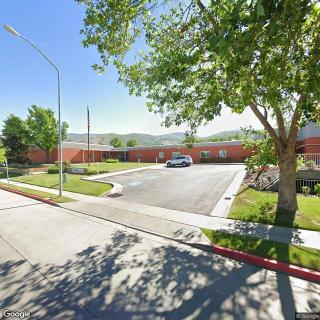
41 East Center Street, Centerville, UT 84014
For more information about senior living options: (866) 208-4318
Overall Review of Heartfelt Home Assisted Living
Pros
 The building has amazing staff.
- The place is very nice.
- There are lots of things to do.
- Visitors are surprised by how much there is to do.
Cons
 They let her mom get hurt and didn’t try to help her move to another chair.
- They won’t fix the walls.
- They won’t let her use her electric chair.
Review
Heartfelt Home Assisted Living in Centerville, Utah, is best suited for seniors who want an active, community-focused environment and value hands-on, dependable staff. The building earns praise for its inviting atmosphere and the breadth of programs that keep residents engaged. Rooms are described as small but functional, which makes this option appealing for families prioritizing a homey feel and daily social opportunities over expansive living space. Across four reviews, the overall tone is positive on day-to-day life and staff accessibility, with one substantive warning that anchors the decision in a practical safety and care discussion.
Anyone weighing this community should explicitly consider alternatives if a resident’s mobility needs are high or if robust safety support is non-negotiable. The most troubling signal here is a report of a resident being hurt and a perceived gap in assistance with mobility needs, including the use of an electric chair, plus suggestions that environmental safety work (like wall repairs) did not occur promptly. Such a scenario raises legitimate concerns about responsiveness and risk management for residents who depend on assistive devices. Additionally, a comment about verifying whether someone lives there hints at potential privacy or policy questions that families often want clarified before committing to a long-term arrangement.
The main pros, an appealing building, highly responsive staff, and a rich slate of activities, are credible and actionable. The practical payoff is clear: consistent staff engagement and a busy, socially integrated daily routine can dramatically improve quality of life for residents who thrive on interaction and structured programming. Small rooms become an acceptable compromise when the atmosphere supports conversation, companionship, and meaningful engagement. In short, the positive culture and activity-forward model can offset spatial constraints for residents who prioritize social vitality and personal connection over square footage.
Yet the con about safety cannot be dismissed. The negative account underscores a potential gap between policy and practice when it comes to injury prevention, mobility assistance, and equipment use. If a resident requires timely help with transfers, proper access to mobility aids, or swift repair of safety hazards, any lag or reluctance can erode trust and safety. That risk doesn’t erase the benevolent staff or the lively program calendar, but it does tilt the balance for families evaluating long-term placement where medical needs or emergency responsiveness may intensify.
For families in the decision phase, a disciplined assessment is essential. During visits, observe how staff interact with residents, especially those requiring mobility support, and probe the facility’s policies on mobility equipment, assistive devices, and rapid incident response. Request concrete examples of how equipment is accommodated, what happens when a resident’s needs escalate, and how contractors or in-house teams handle environmental repairs. Seek clarity on privacy and residency verification to ensure comfort with family involvement and oversight. Clarify room options, whether larger or differently configured spaces are available, and confirm what support exists for daily life activities if independence wanes.
Bottom line: Heartfelt Home Assisted Living delivers a compelling blend of a welcoming, activity-rich environment and a dedicated staff that can keep seniors socially engaged and well cared for, provided mobility needs are manageable within the facility’s current framework. It is a strong fit for families seeking warmth, community, and active programming for residents who can navigate small living quarters with adequate caregiver support. For those facing significant mobility demands, safety concerns, or a need for larger, more accessible accommodations, exploring alternatives is prudent. The decision should rest on whether the resident’s independence, safety expectations, and equipment needs align with the demonstrated strengths and gaps of this community, verified through a thorough, candid on-site evaluation.
 23 resident community capacity
 Assisted Living
 Beauty salon
 Cable or satellite TV
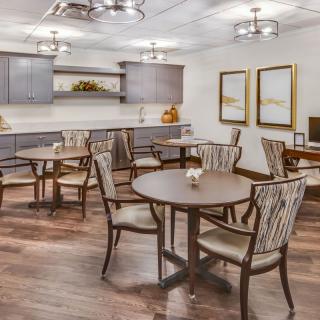
 Dining room
 Fully furnished
 Garden
 Housekeeping services
 Kitchenette
 Move-in coordination
 Outdoor space
 Telephone
 Wi-Fi/high-speed internet available
 Salt Lake City International (10 miles away)
 24-hour call system
 Activities of daily living assistance
 Assistance with bathing
 Assistance with dressing
 Assistance with transfers
 Diabetes diet
 Meal preparation and service
 Medication management
 Mental wellness program
 Special dietary restrictions
 Transportation arrangement (medical)
 Transportation to doctors appointments


 How and When Medicaid May Cover Assisted Living Costs
 A Detailed Exploration of Assisted Living Medicaid Waivers Across the United States
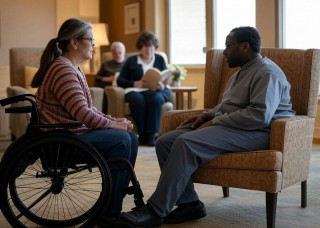 Comprehensive Residential Support and Assisted Living Solutions for Individuals with Disabilities