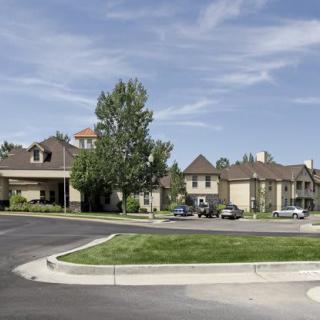
71 East Center Street, Centerville, UT 84014
For more information about senior living options: (866) 208-4318
Overall Review of Heart & Home Assisted Living
Pros
 The staff are wonderful and greet visitors like family.
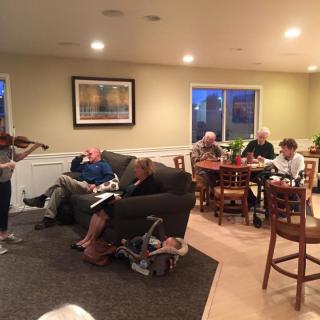
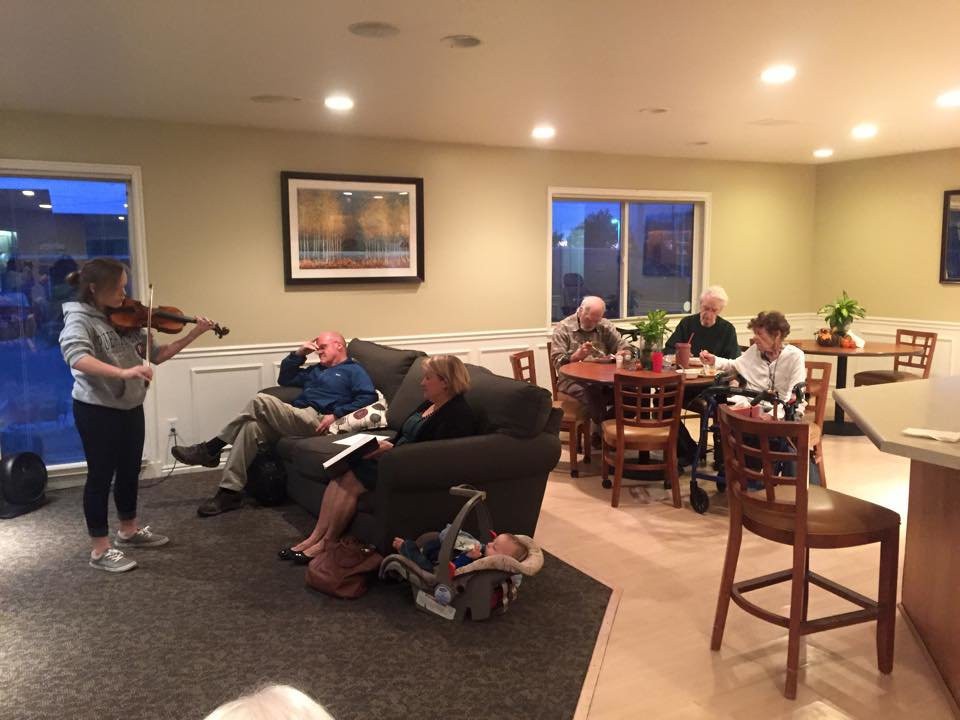
- The owner is actively involved with residents, spending time with them and engaging in activities.
- The staff are caring and patient, helping residents maintain their dignity.
- The facility has a homey feel and is well kept and clean.
- Residents have opportunities to interact, participate in activities, and socialize.
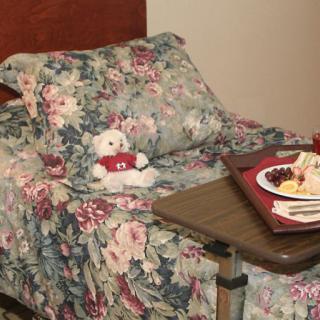
- The setting respects residents' independence and preferences, offering a comfortable, home-like environment.
- The staff create a warm, family-like atmosphere where residents feel safe and cared for.
Cons
 They let the mother get hurt and did not assist in moving her or addressing her needs.
- They did not fix the walls, leaving the facility in disrepair.
- Heart Felt Home Assisted Living was disgusting, dirty, and smelled bad.
- There were no activities; residents mainly sat in their rooms watching TV.
- The bathrooms looked like they hadn’t been cleaned for a month.
- The homes were old and poorly maintained, with staffing issues.
Review
Heart & Home Assisted Living in Centerville is best suited for seniors who crave a genuinely home-like, intimate environment where caregivers know residents by name, respond quickly, and where preserving independence and a sense of belonging takes precedence over polish and spectacle. The community operates on a distinctly small scale, roughly a dozen residents, modest rooms, and a compact dining area, so it appeals to families that want direct, personal attention rather than corporate efficiency. Those factors make it a compelling option for someone who wants warmth, dignity, and a pet-friendly, garden-ready setting. However, anyone needing intensive medical oversight, large-scale programming, or highly modern amenities may want to consider alternatives.
Pros center on relationships and atmosphere. Several reviewers praise the staff as caring, accessible, and willing to go the extra mile, with the owner, David Platt, shown to engage personally with residents. The most touching endorsements come from families who say their loved ones regain mood and spirit when moving in, with independence preserved and a sense of belonging intact. A key perk is the homey feel and the ability for a resident to keep a cat, which several families highlighted as meaningful, especially when gardens and outdoor time are available. Food is described as home-cooked by some, and overall the community is portrayed as a place where residents do more than sit in rooms, there are occasions to socialize, stroll the grounds, and participate in simple activities. That warmth can offset the modest scale in ways that matter closely to families.
Yet substantial red flags appear in other accounts. Reviews describe dirt, odors, and neglected maintenance, bathrooms not cleaned, walls with holes, and oxygen tanks stored in closets, raising real concerns about hygiene and safety. Activity programming is inconsistent, with some residents reporting scarce engagement beyond watching TV, which clashes with expectations for a lively, supportive environment. A few critics recount safety problems tied to medication or equipment decisions, including disputes over assistive devices and the pace of care, implying gaps between policy and practice. Taken together, these negatives are more than cosmetic, they strike at trust, safety, and the daily lived experience.
These tensions help explain why some families look elsewhere. The Beehive Homes option cited in reviews reflects a different balance: a straightforward, intimate setting that can suit someone who values simplicity and cultural fit over upscale touches, even if it comes with its own maintenance and staffing caveats. In other words, Heart & Home may outperform alternatives on warmth and resident dignity, but it may lag behind in cleanliness, safety consistency, and program breadth. For a family prioritizing a polished, highly structured environment or a facility with more predictable upkeep and frequent activities, a larger, more resourced community could be a better fit.
During a visit, the prudent buyer should test several things. Inspect cleanliness and odor, wall condition, and bathroom upkeep as nonnegotiables, and observe whether staff members greet residents by name and respond promptly to requests. Request a sample week of activities, meals, and a care plan that aligns with current needs; verify how mobility and safety concerns are addressed and whether assistive devices or special equipment can be accommodated. Speak with residents and families about consistency of care, and assess whether the environment feels safe, respectful, and genuinely homelike. Ask for recent references and timelines on any promised improvements to known issues.
Bottom line: Heart & Home Assisted Living serves a specific niche well, one where intimate staffing, a family-like culture, and the chance to keep a pet and enjoy garden time are decisive benefits. For seniors who prize warmth, dignity, and personal connection above all else, the community can be a strong fit. However, when cleanliness, maintenance, and robust programming are non-negotiable, alternatives deserve serious consideration. Weigh the emotional resonance against the practical gaps, and prioritize a firsthand visit that probes cleanliness, safety, and ongoing responsiveness before deciding.
 22 resident community capacity
 Studio apartments
 Assisted Living
 Skilled Nursing Facility
 Beauty salon
 Cable or satellite TV
 Dining room
 Fully furnished
 Garden
 Housekeeping services
 Kitchenette
 Laundry
 Move-in coordination
 Outdoor space
 Respite or short term stays offered
 Restaurant-style dining
 Small library
 Telephone
 Wi-Fi/high-speed internet available
 Salt Lake City International (10 miles away)
 Transportation & parking
 24-hour call system
 Activities of daily living assistance
 Assistance with bathing
 Assistance with dressing
 Assistance with transfers
 Diabetes diet
 Medication management
 Mental wellness program
 Special dietary restrictions
 Religious services
 English





 Assisted Living Expenses and Long-Term Care Insurance: A Comprehensive Exploration
 Securing Financial Support for Assisted Living: A Comprehensive Overview
 Social Security Benefits and Assisted Living: Navigating Options Across the U.S.