
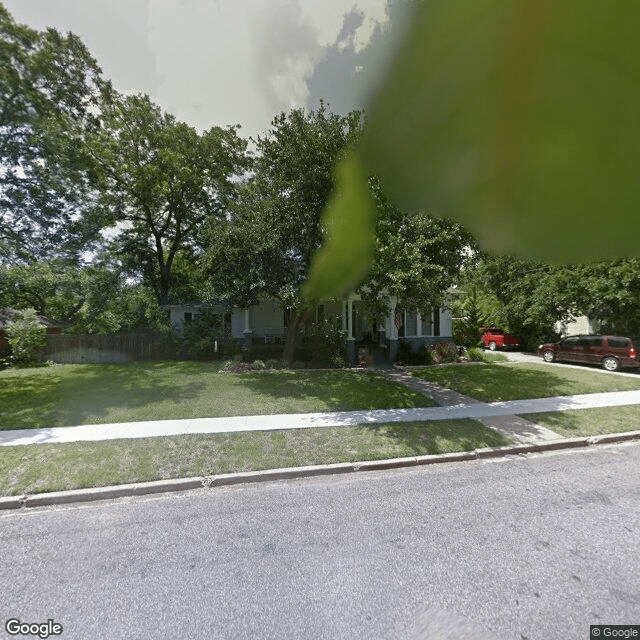
210 Hubbard St., Yoakum, TX 77995
To contact a resident: (361) 293-5256
For more information about senior living options: (866) 208-4318
Overall Review of Todays Assisted Living
Pros
 The mother absolutely loved it there.
 - She received wonderful individual attention and care.
- It felt like a home away from home, and the staff were greatly appreciated.
Review
Todays Assisted Living in Yoakum, TX is best suited for older adults who prize intimate, personalized attention and a warm, home-like daily experience. The community appears to excel when care routines are tailored to individual needs and when the environment emphasizes familiarity, consistency, and close relationships with staff. Families seeking a setting where caregivers know residents by name, notice subtle changes quickly, and integrate daily living with genuine warmth will likely find this option compelling.
Those weighing alternatives should consider settings with more extensive medical oversight, larger social programs, or specialized memory-care design. If a resident requires frequent, on-site medical management, advanced rehabilitation services, or a broader slate of activities and outings, a bigger campus with a wider staff and facilities may better meet those needs. For families who prioritize structured programming, diverse amenities, or age-in-place options across levels of care, exploring other communities could prove advantageous.
The primary pros highlighted by the available feedback center on individualized care and the sense of being cared for as a person, not just a resident. The reviewer’s experience, that the mother absolutely loved it and received “individual attention and care” that felt wonderful, points to a staff who are attentive, responsive, and capable of aligning daily routines with personal preferences. The “home away from home” characterization further signals a comforting, low-stress atmosphere where familiar rituals, meals, and daily rhythms are respected. In practical terms, these strengths can translate into better safety, fewer communication gaps, and a smoother transition for families managing caregiving responsibilities.
Conversely, explicit drawbacks are not documented in the available narrative, but prudent consideration calls for recognizing typical trade-offs inherent in smaller, home-style assisted living. Potential gaps can include a more limited pool of on-site medical professionals, a leaner activity calendar, and fewer on-site specialists compared with larger communities. Prospective residents should assess whether medical supervision, therapy options, and structured programs align with current health status and anticipated needs. If independence begins to wane or complex care becomes necessary, these are important factors to confirm before committing.
The key pros offset potential limitations to a meaningful degree when the priority is daily reassurance, quick caregiver response, and a resident-centered approach. The highly personalized attention reduces the risk of missed symptoms and enhances daily safety, because staff are consistently engaged with each resident’s routines, preferences, and subtle changes in condition. The home-like setting mitigates relocation stress and helps maintain continuity in daily life, which can translate to improved mood, appetite, and participation in light activities. In short, for families prioritizing emotional comfort and dependable, humane care, the strengths can outweigh the typical constraints of a smaller operation.
In sum, Todays Assisted Living represents a strong match for seniors who thrive on personal connections, predictable routines, and a nurturing, familial ambiance. It is less well-suited for those who require extensive medical management on site, a broad array of specialized therapies, or a large, bustling activity calendar. For decision-makers, a prudent next step is to arrange a visit focused on three areas: observe caregiver-resident interactions, verify care-planning processes and staffing levels, and evaluate how meals, transportation, and daily schedules are structured to support ongoing independence. If the goal is a warm, attentive home atmosphere with staff who know residents well and respond with genuine care, Todays Assisted Living deserves serious consideration.
 Assisted Living
 Activities on-site
 Devotional services off-site
 Indoor common areas
 Ambulatory care
 Diabetic care
 Meals provided




 Assisted Living and Memory Care: Understanding Their Core Differences
 Beyond the Bingo Hall: 50+ Enriching Activities for Seniors in Assisted Living
 Understanding the Distinctions: Assisted Living and Memory Care Explained