



9422 East US Highway 80, Terrell, TX 75161
To contact a resident: (214) 632-1766
For more information about senior living options: (866) 208-4318
Open Heart Open Home Costs & Pricing
Open Heart Open Home offers competitive pricing for its accommodations, with costs that reflect both the quality of care and the local market. For a semi-private room, residents can expect to pay $3,200 per month, which is notably lower than the average rate in Kaufman County at $4,013 and slightly less than the Texas state average of $3,680. In terms of private rooms, the monthly fee stands at $3,700; this is higher than the county's average of $3,275 but remains more affordable compared to the state average of $4,096. Overall, Open Heart Open Home provides a blend of affordability and value within its offerings, ensuring residents receive exceptional support while maintaining financial accessibility.
| Floor plans | Open Heart Open Home | Kaufman County | Texas |
|---|---|---|---|
| Semi-Private | $3,200 | $4,013 | $3,680 |
| Private | $3,700 | $3,275 | $4,096 |
Senior living communities with a similar price nearby
-
from -$200 / mo
Sophyas Assisted Living
$3,000 to $4,200 / month24.8 miles away -
from +$295 / mo
Country Place Senior Living of Canton - Pine
$3,495 / month20.2 miles away -
from -$545 / mo
Liberty Heights Gracious Retirement Living
$2,655 to $4,395 / month22.9 miles away -
from +$295 / mo
Country Place Senior Living of Canton - Mulberry
$3,495 / month20.2 miles away -
from +$380 / mo
Brookdale Summer Ridge
$3,580 to $4,925 / month23.0 miles away
Overall Review of Open Heart Open Home
Pros
 The tour went very well.
- The caregivers are very sweet.
- It seems to be the perfect place for their grandmother.
- It is by far the best care home they have seen.
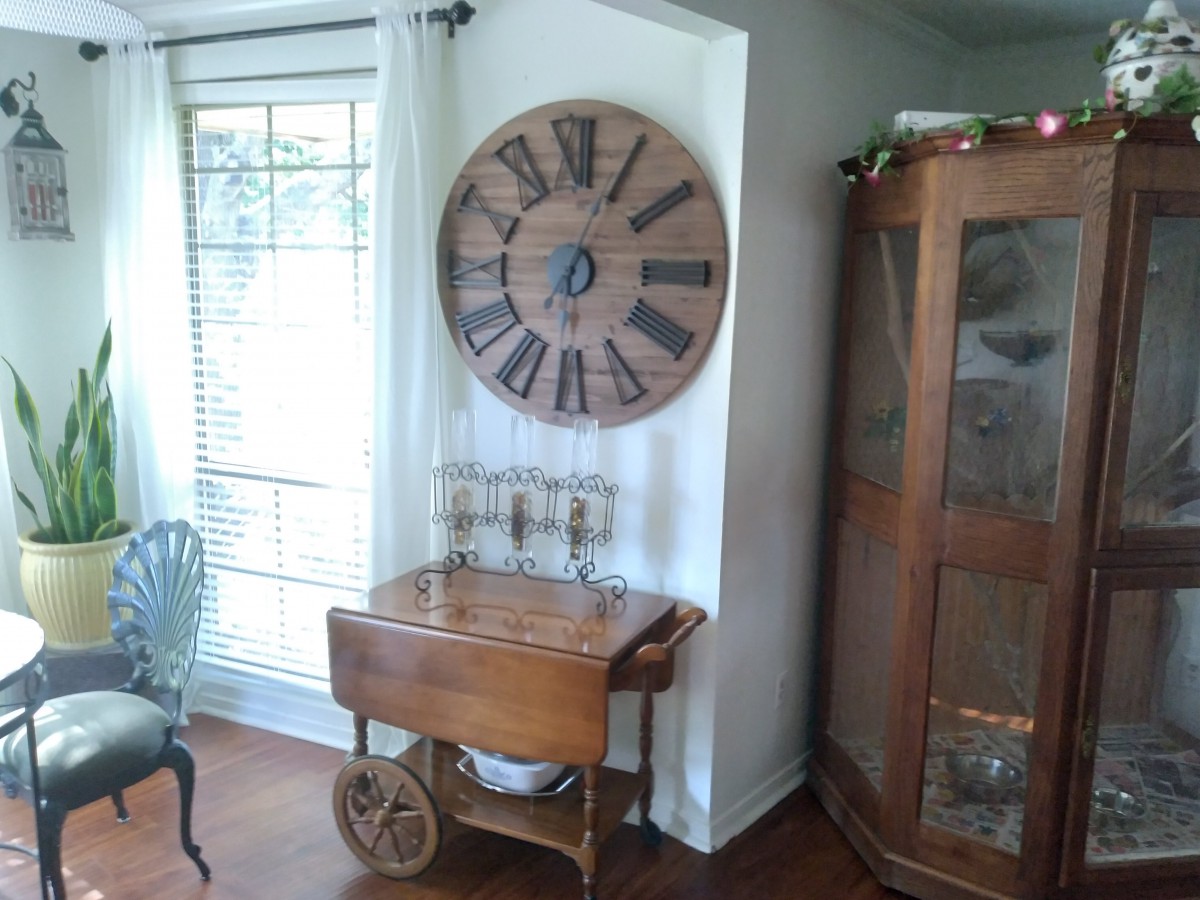
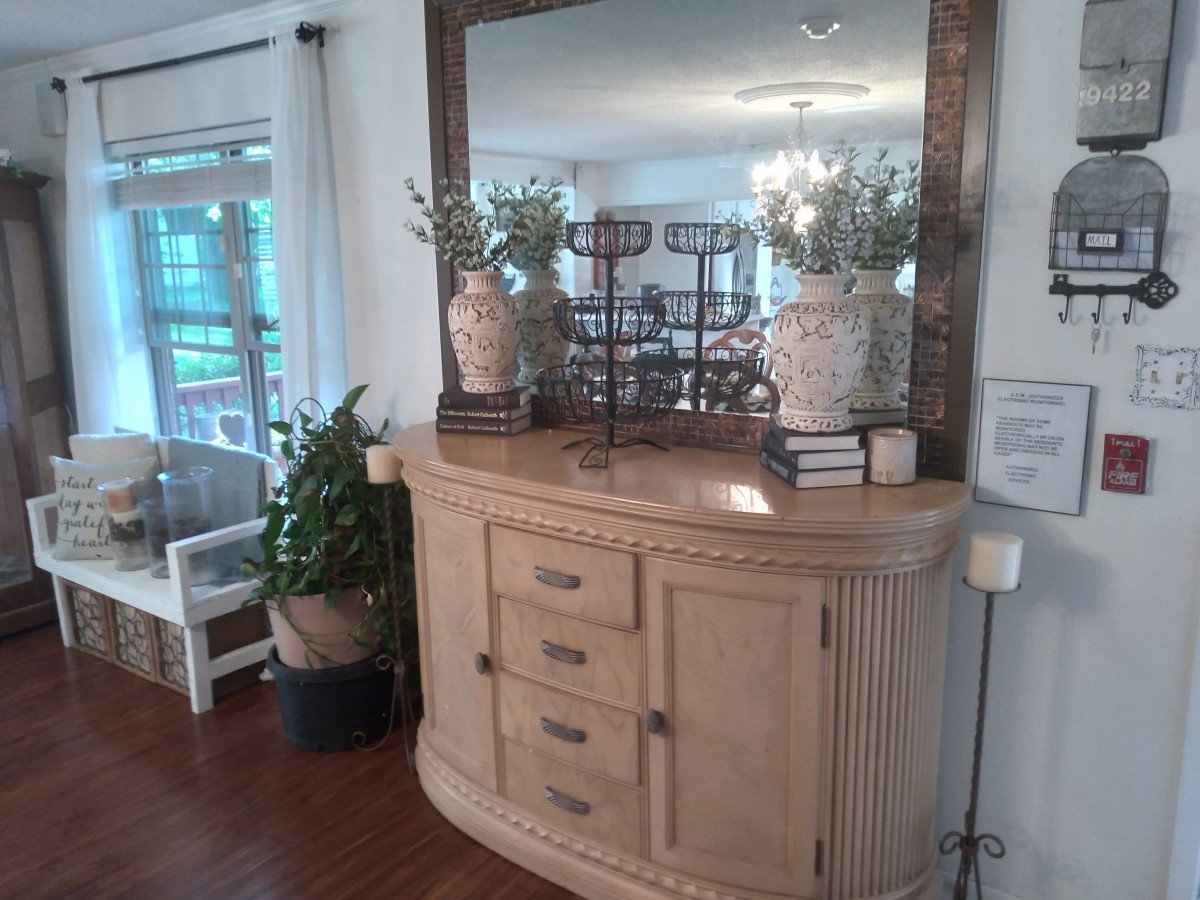
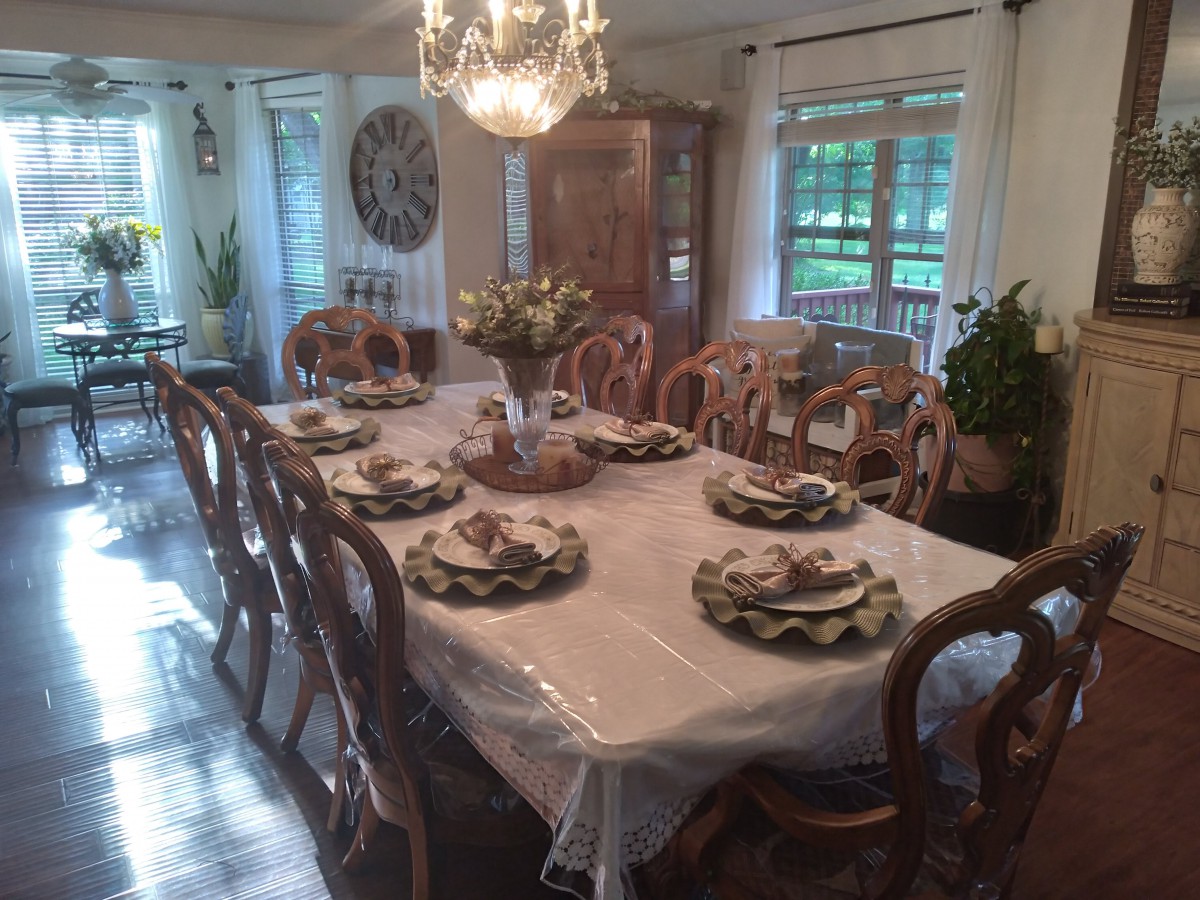
- The community has a homey feel when you walk in.
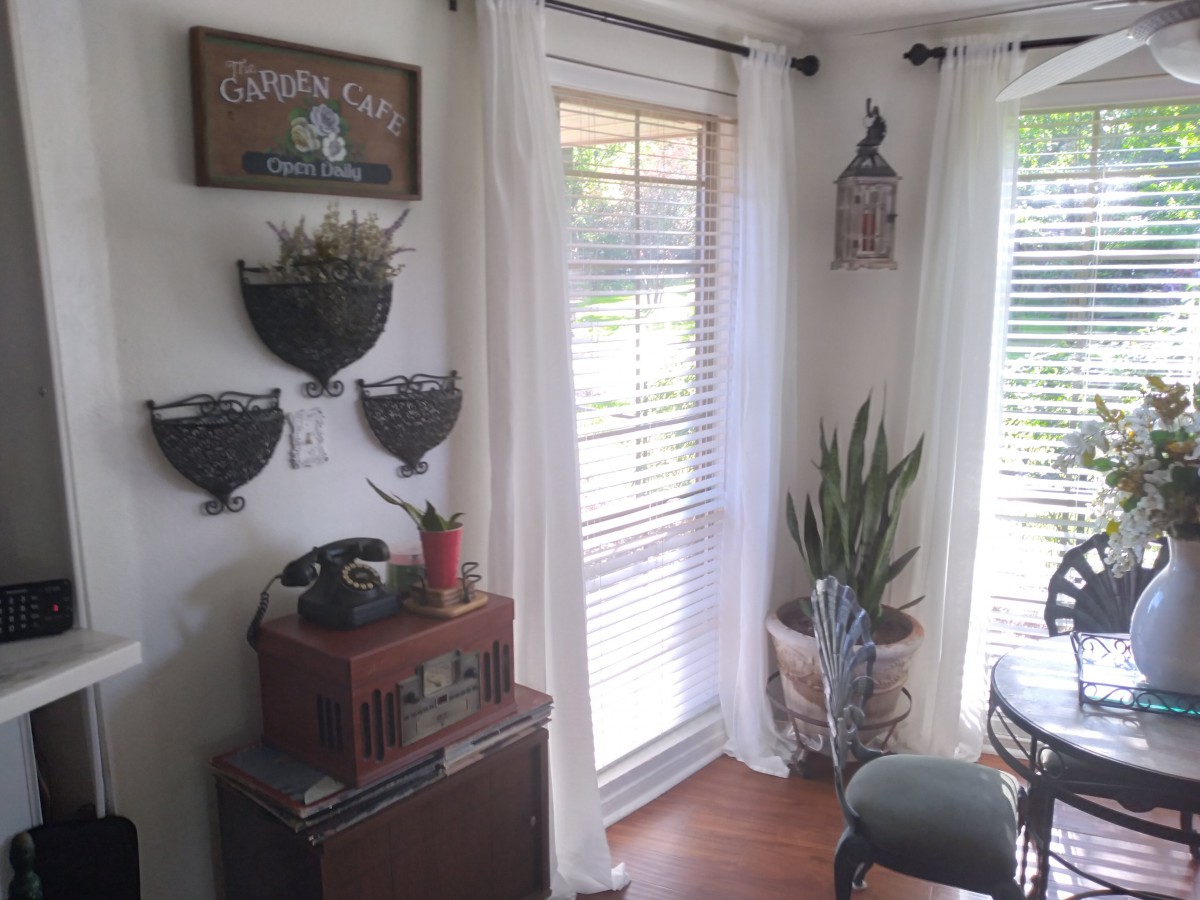
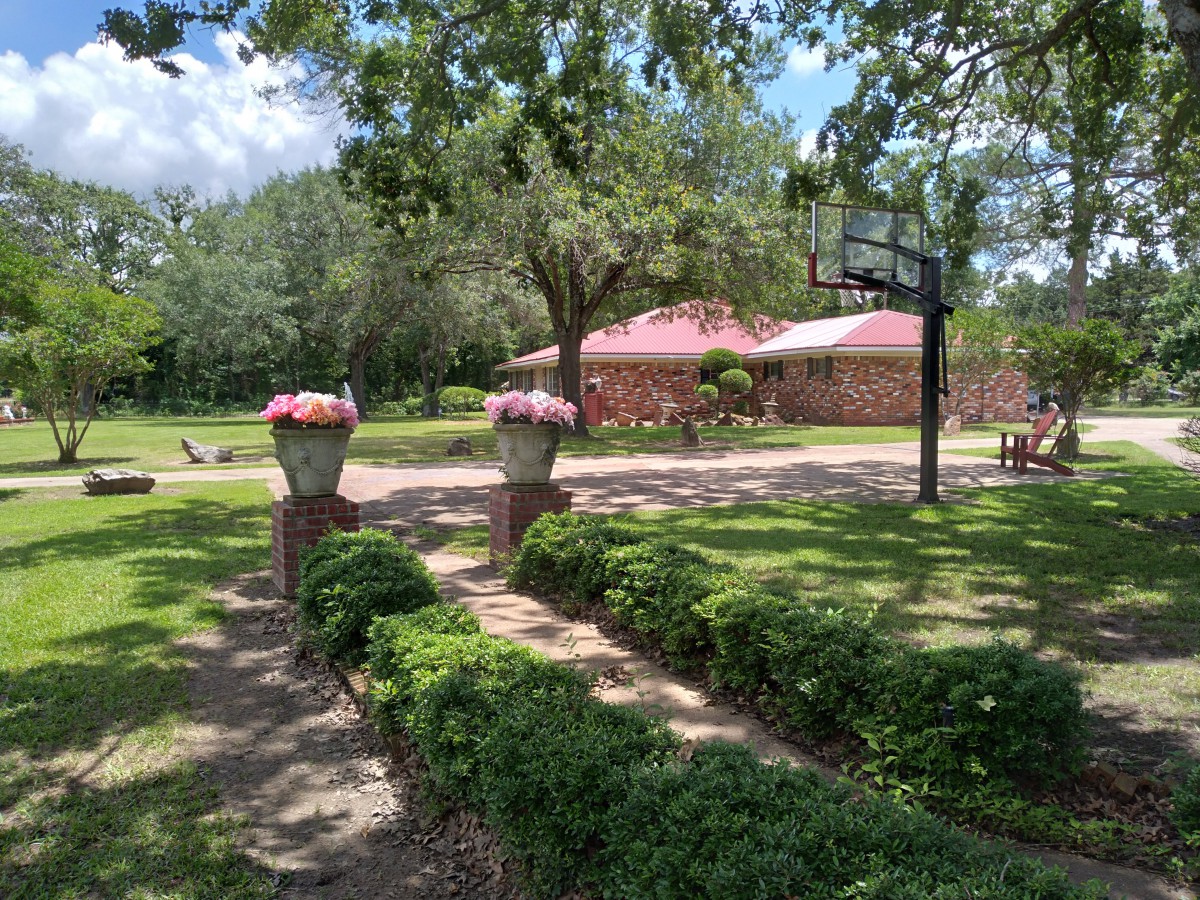
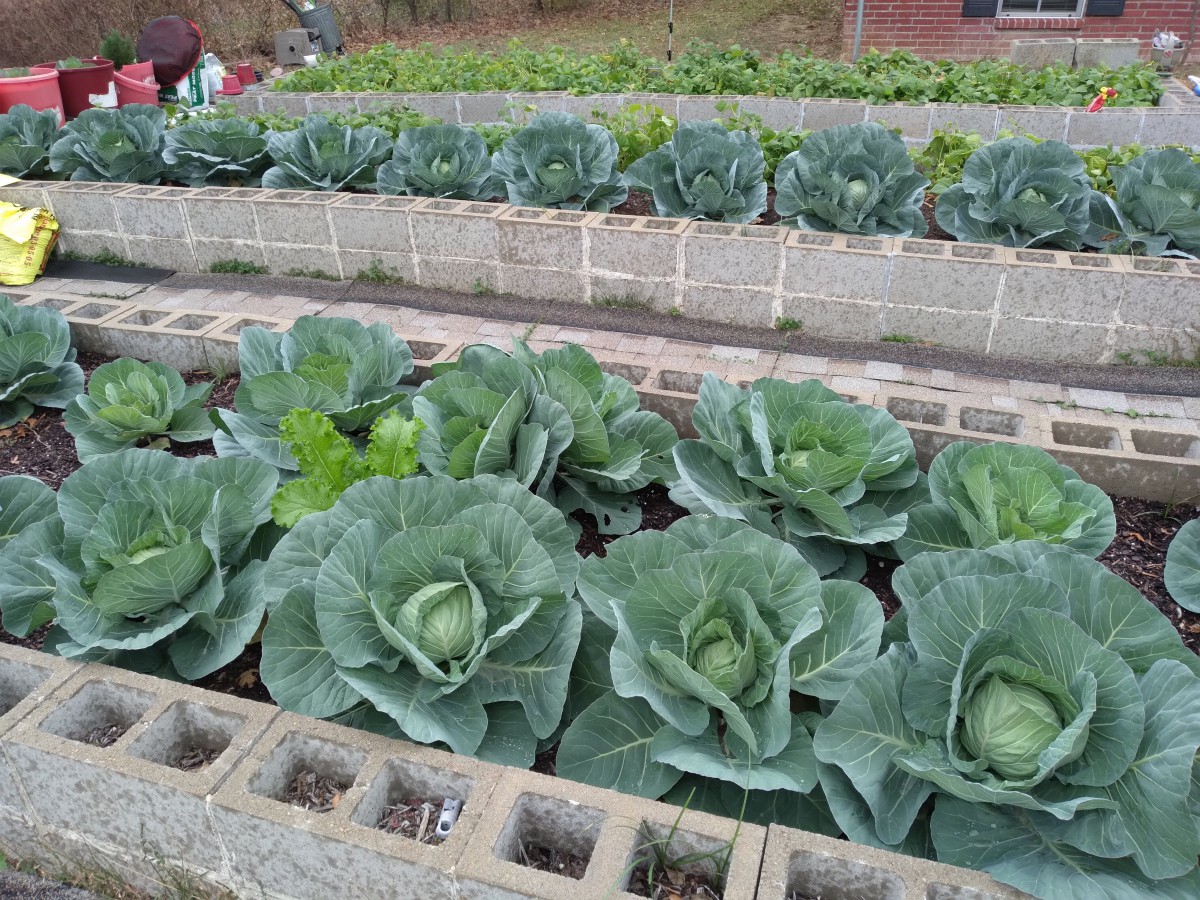
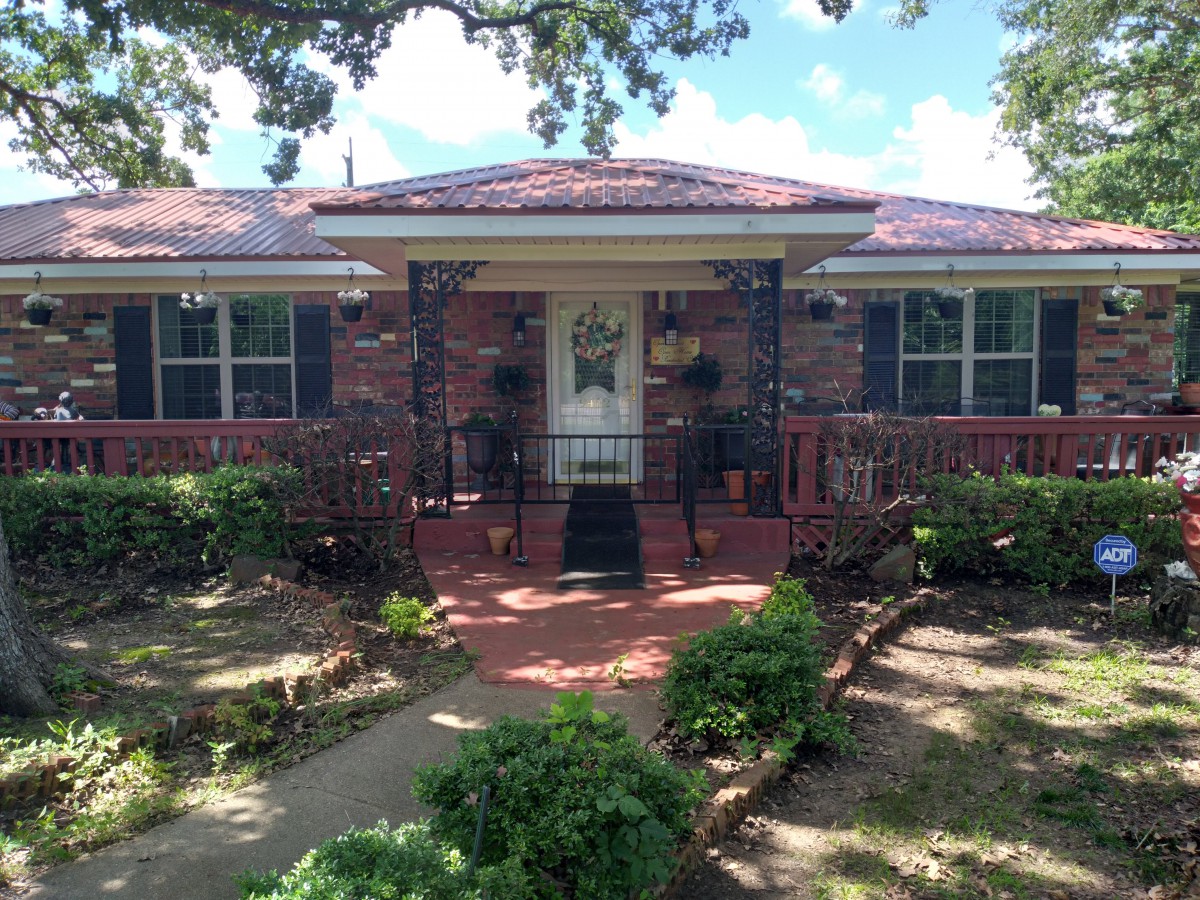
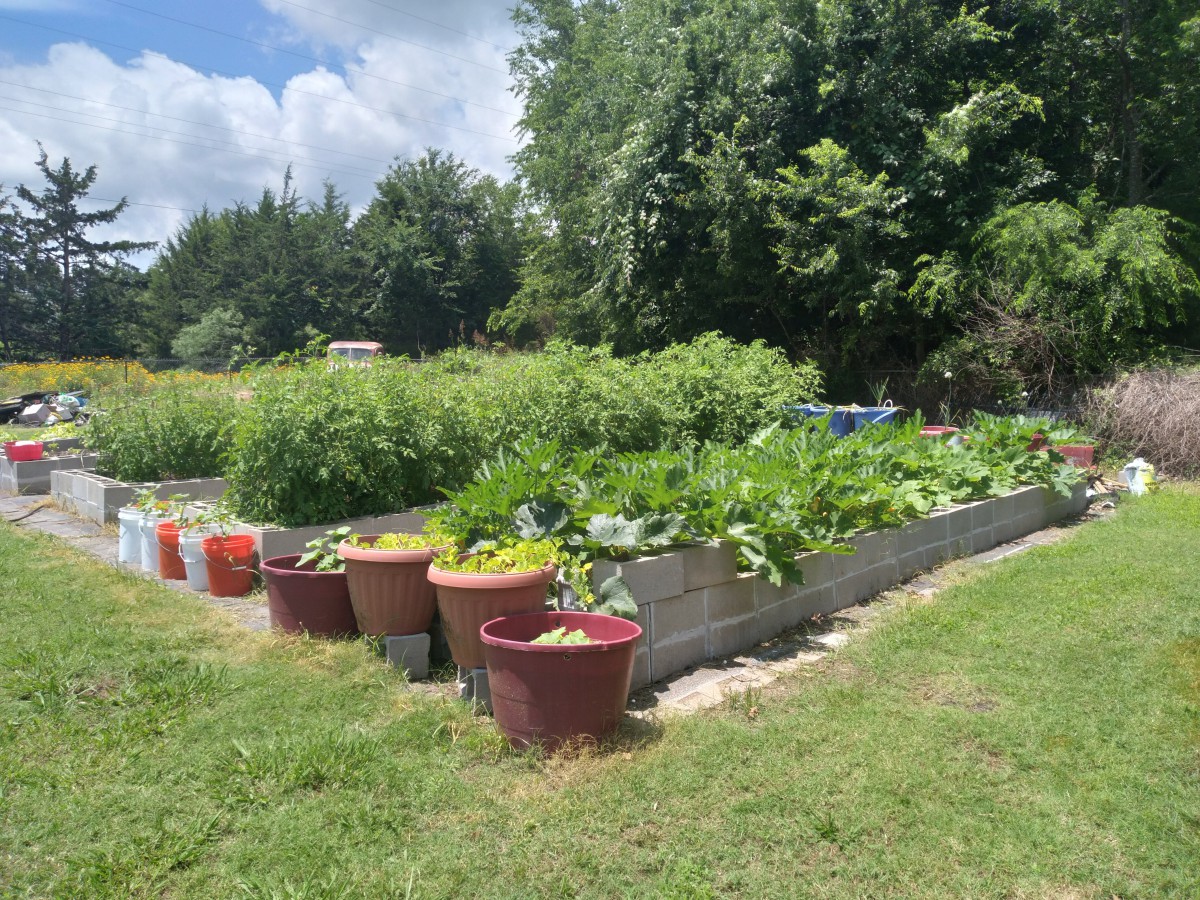
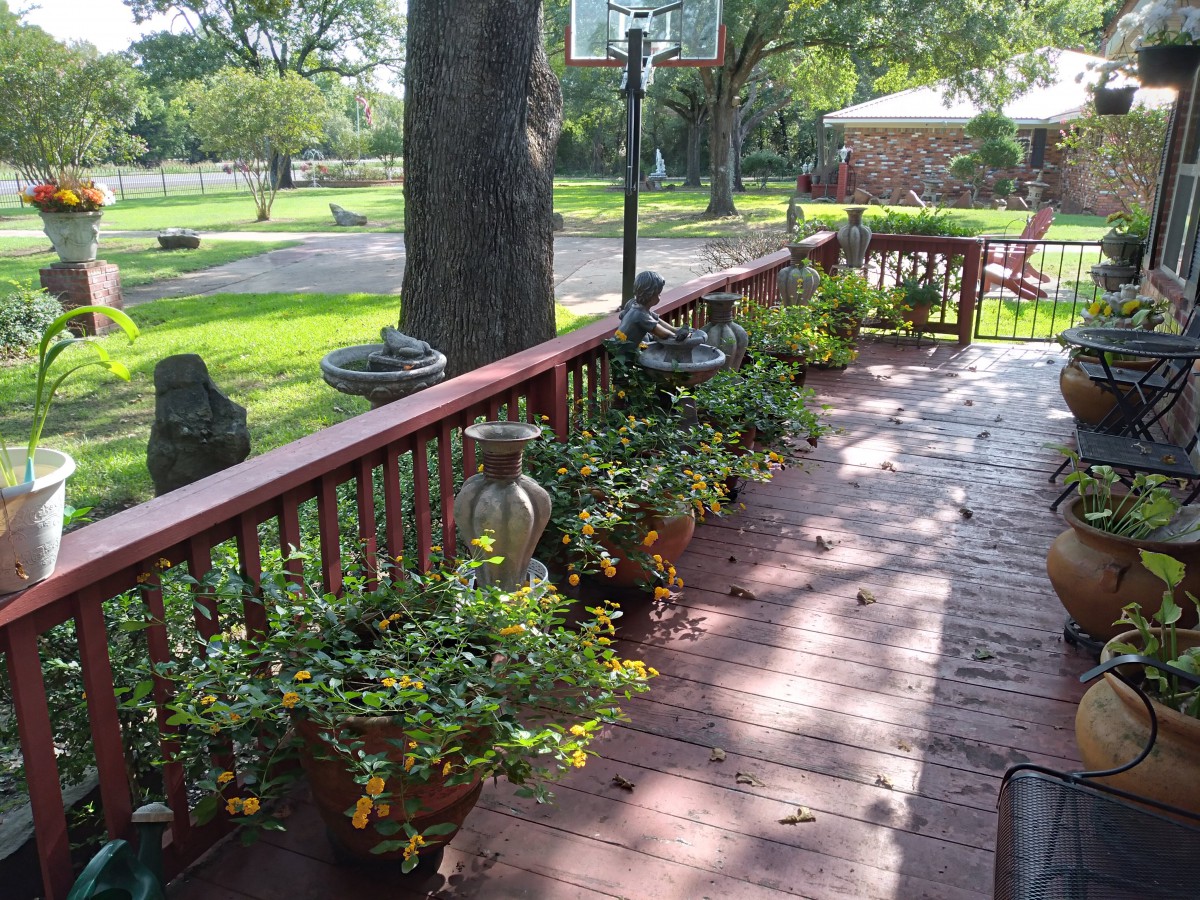
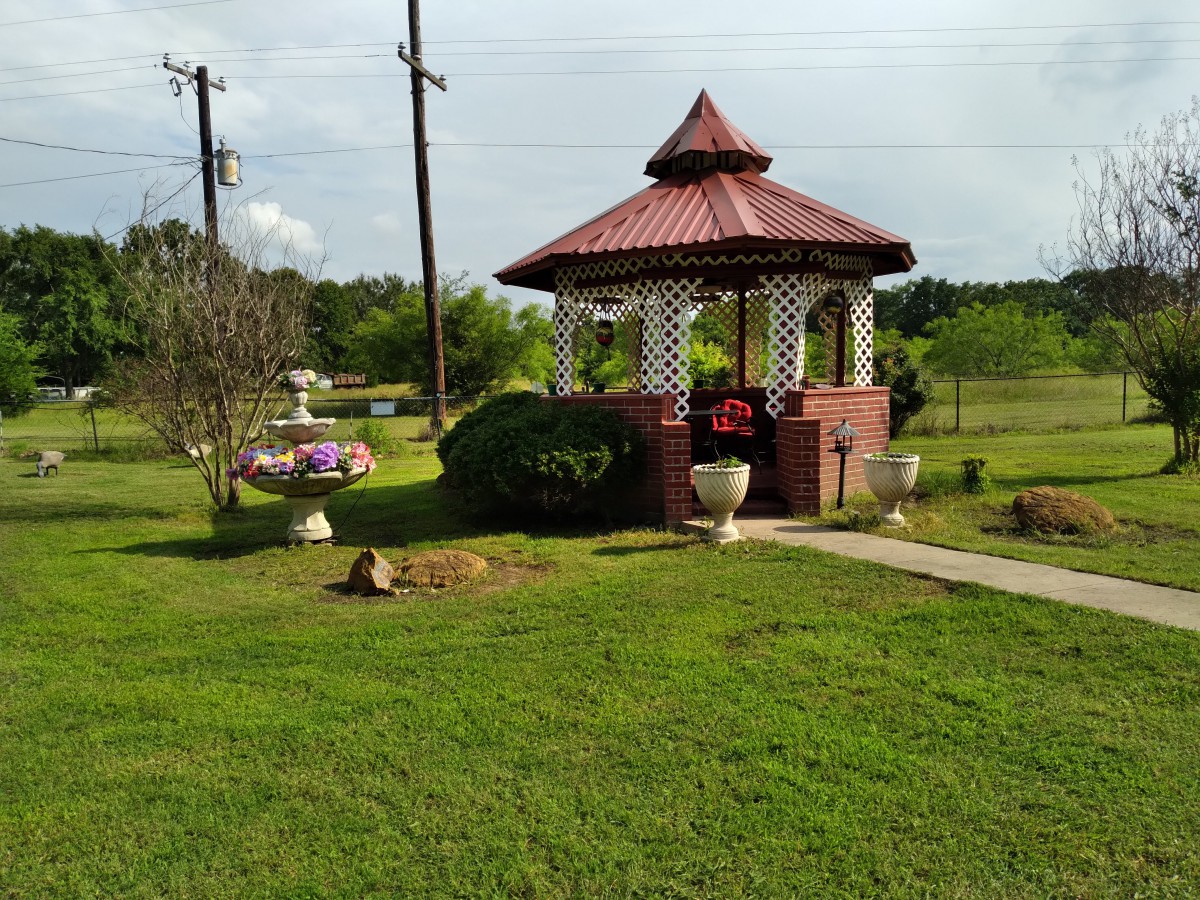
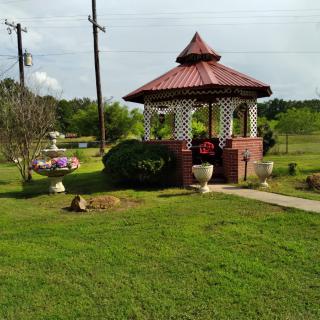
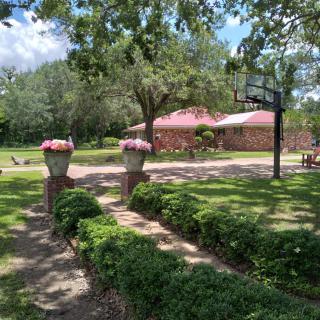
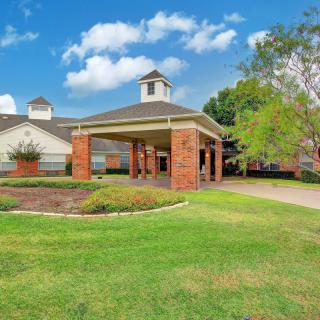
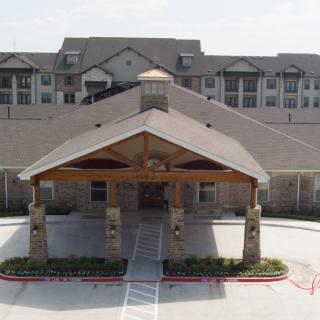
- The grounds are beautiful, with a gazebo and a garden, and it's peaceful.
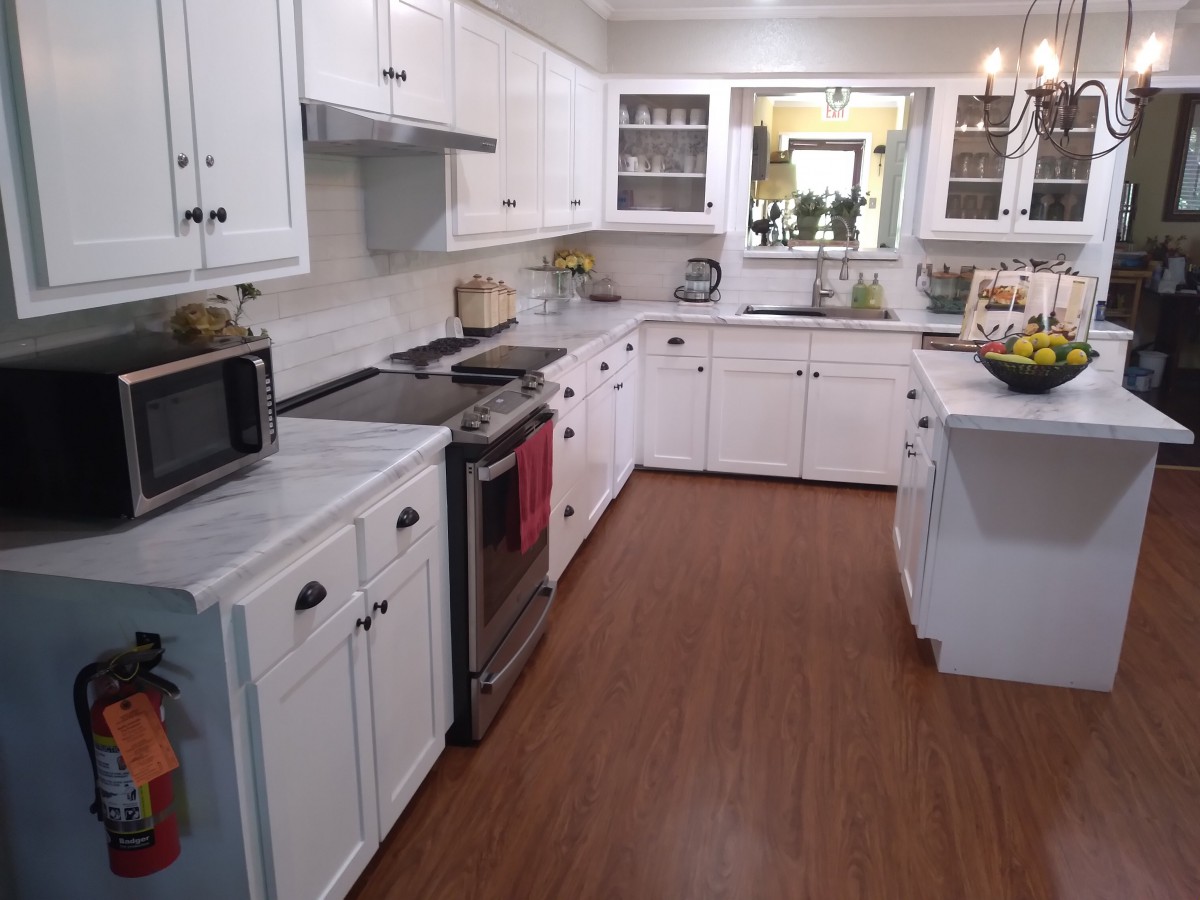
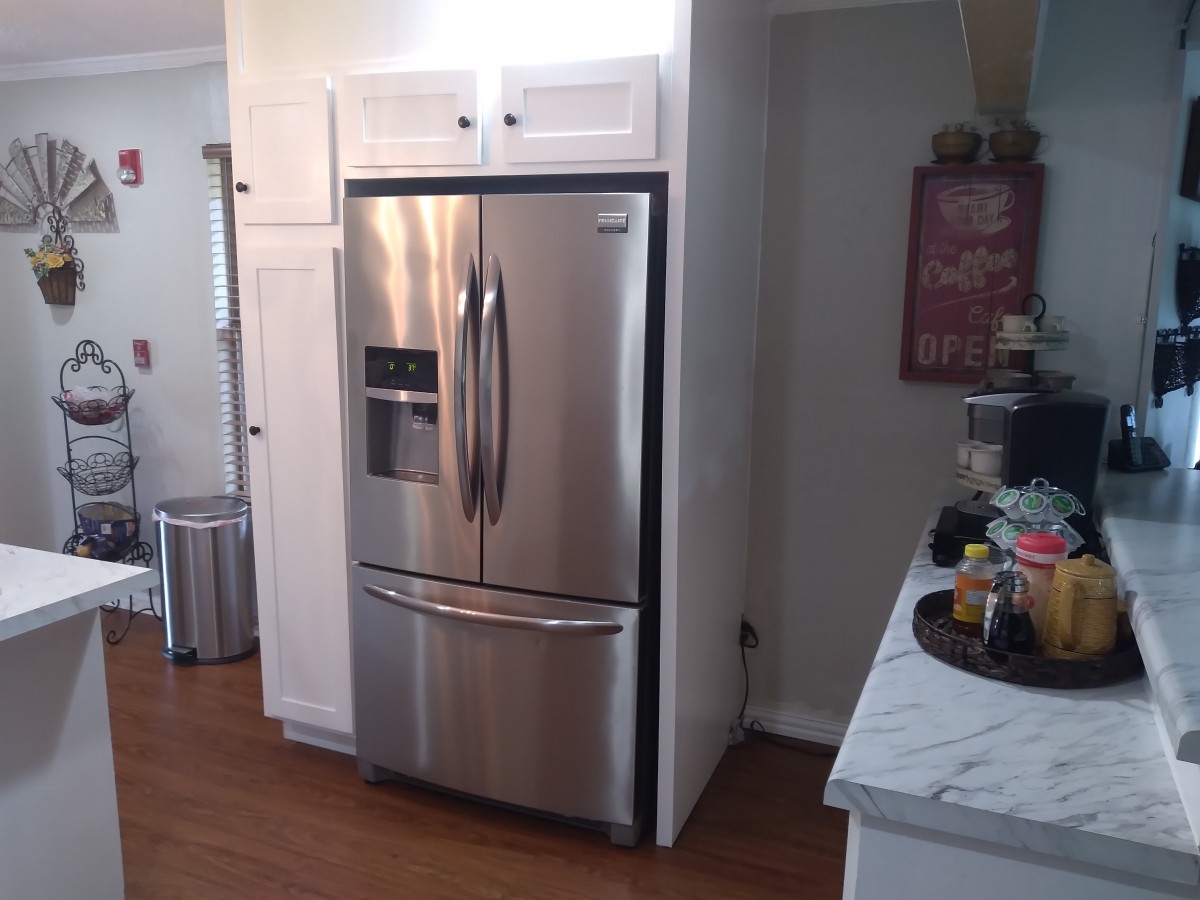
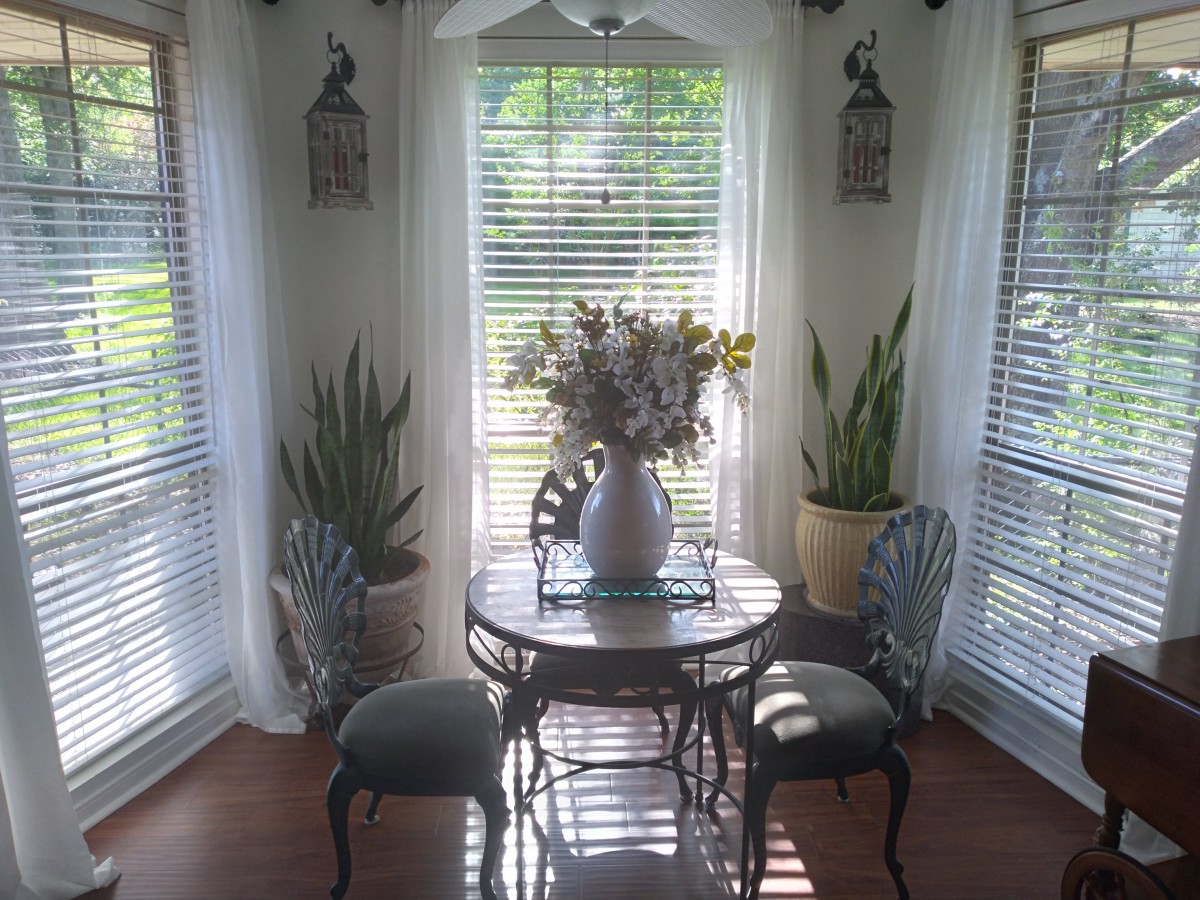
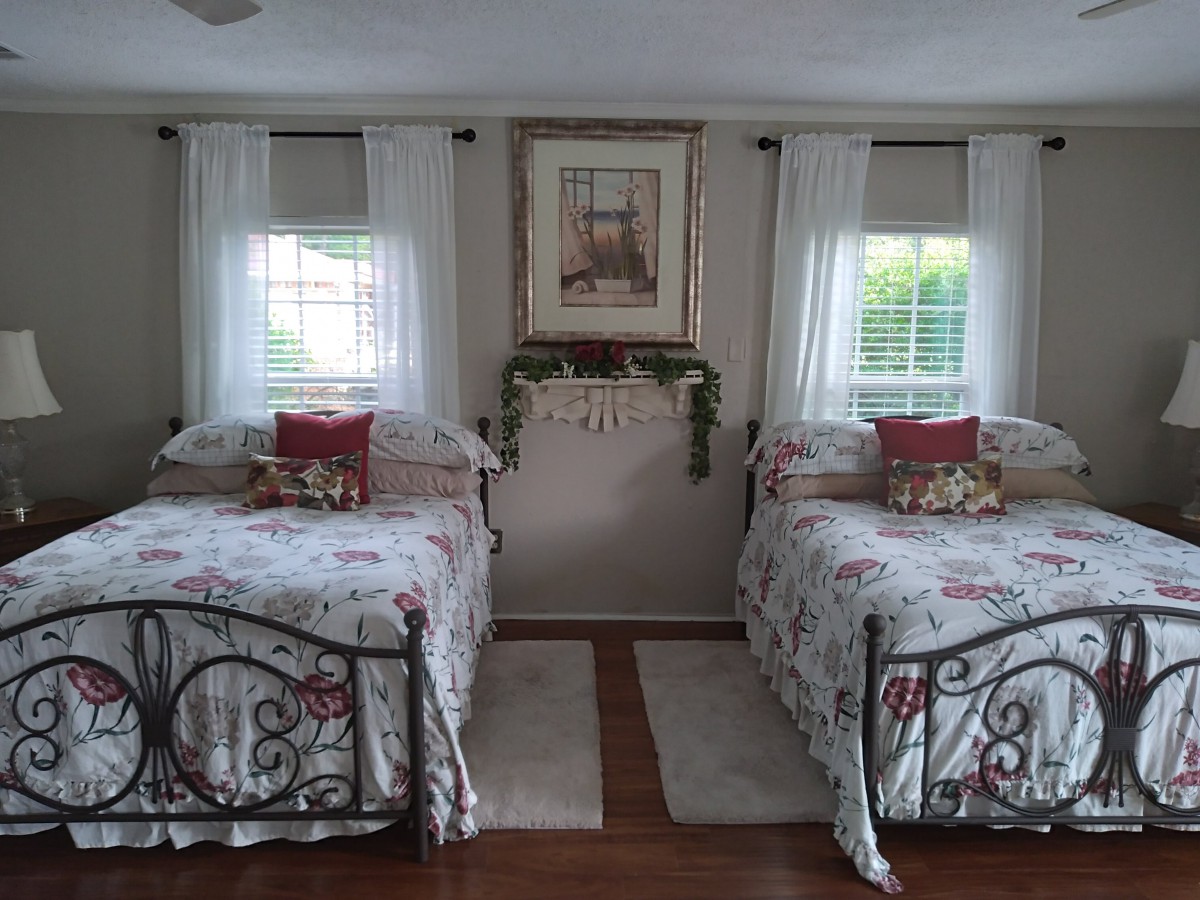
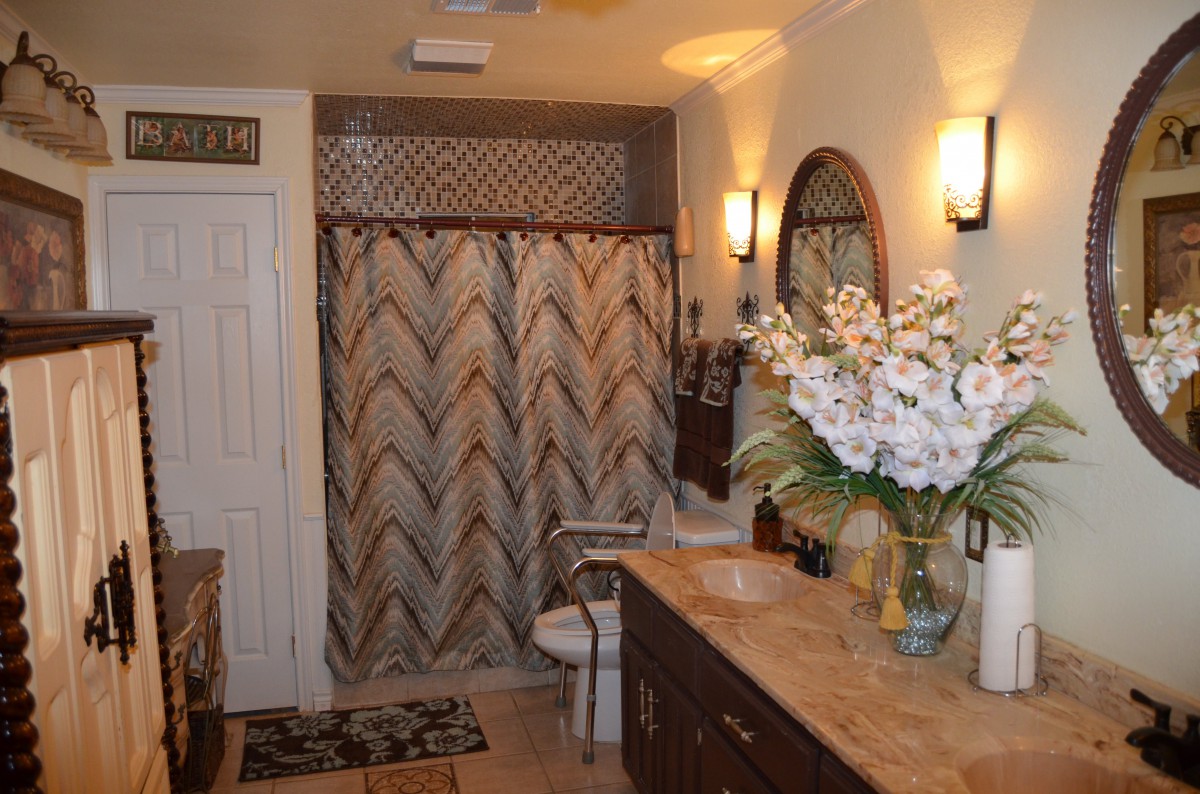
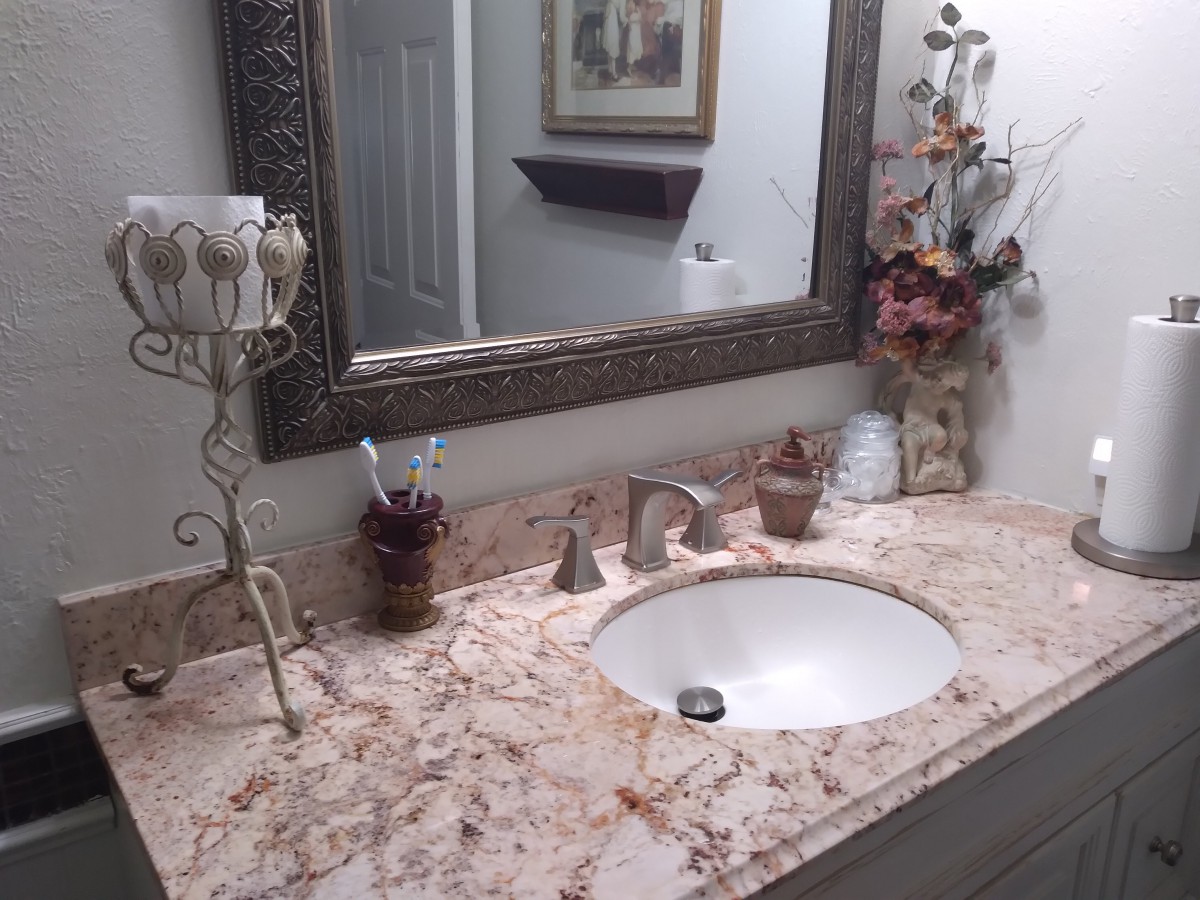
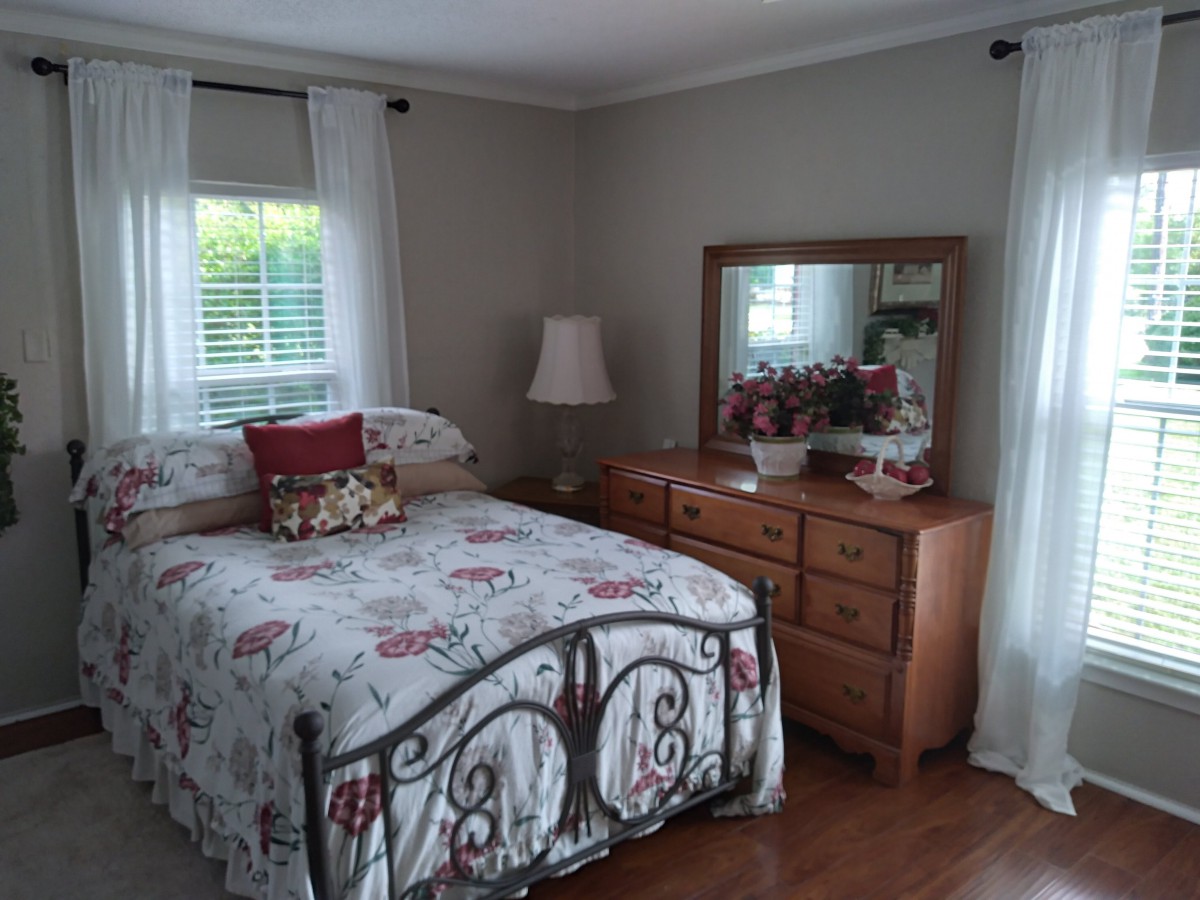
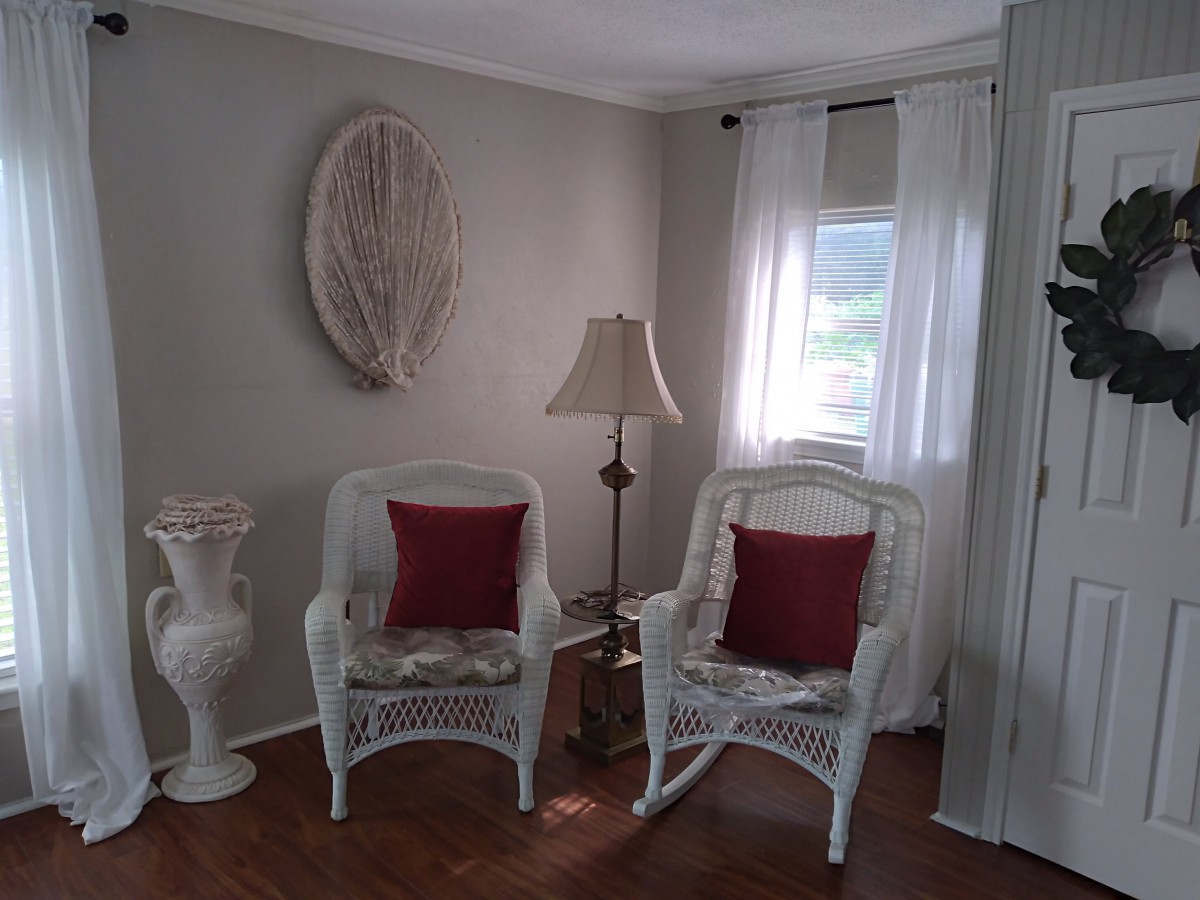
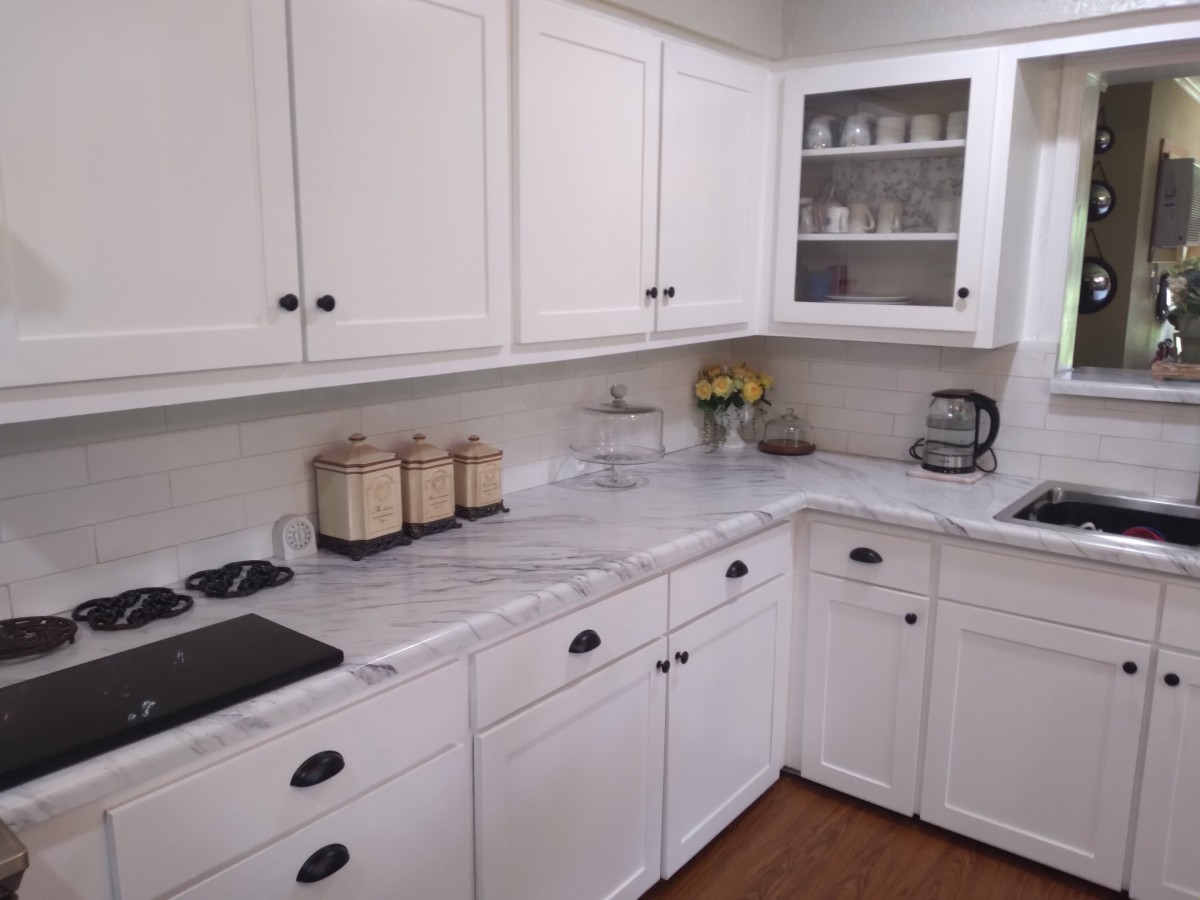
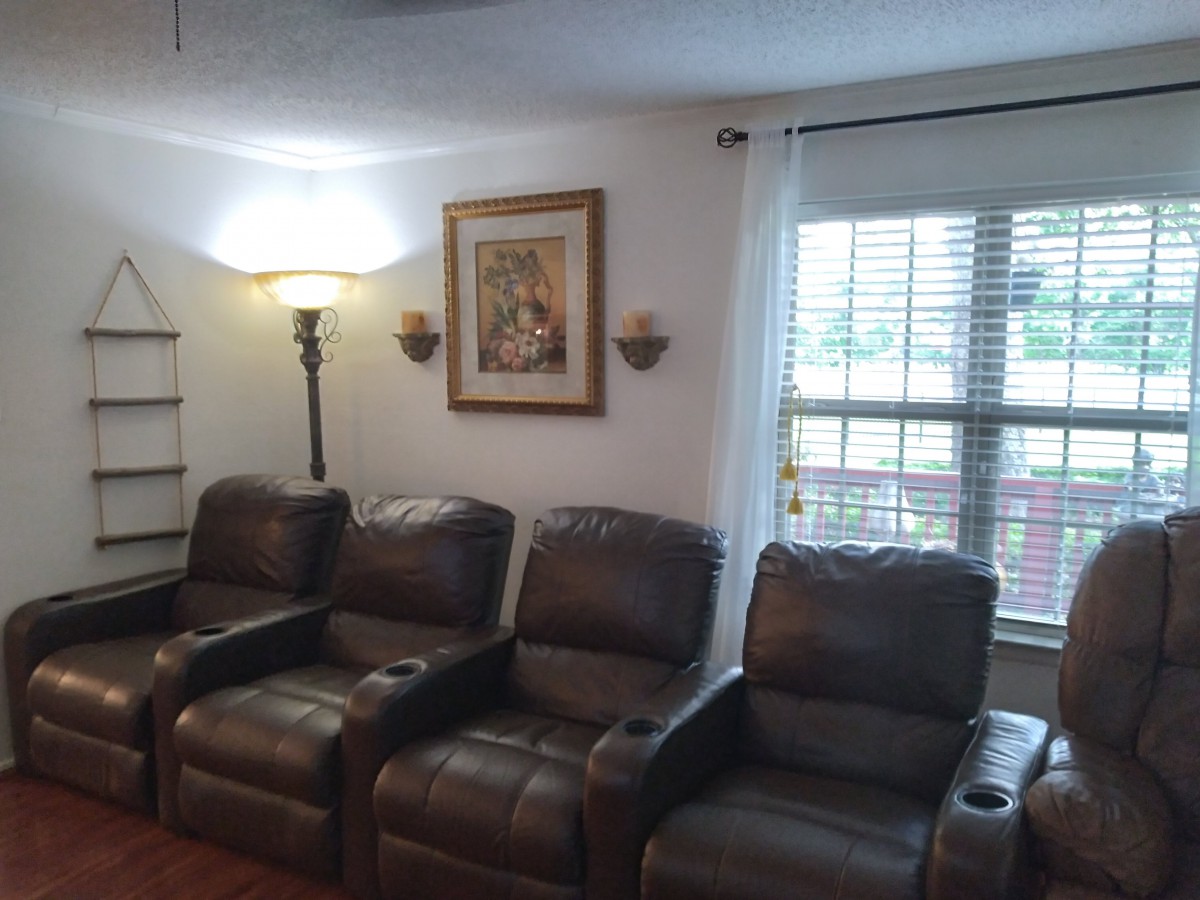
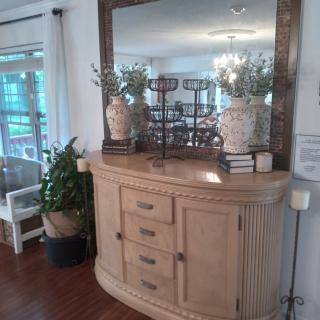
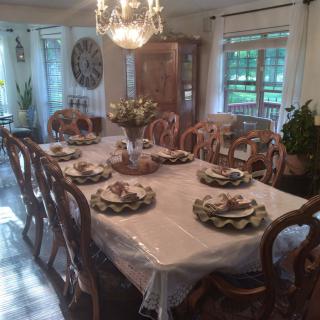
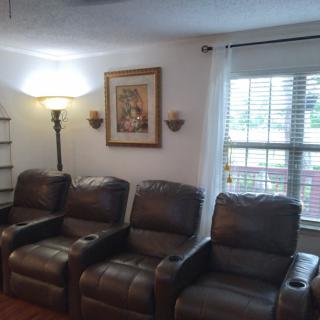
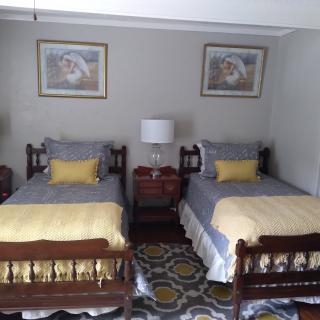
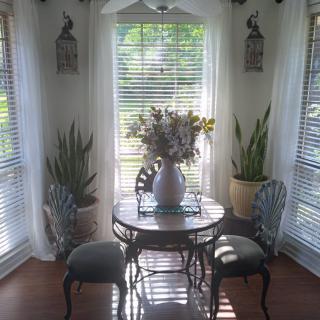
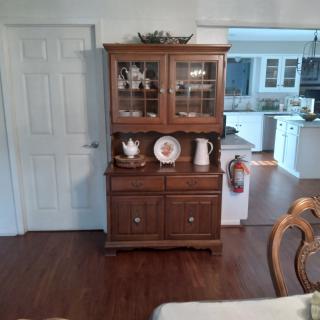
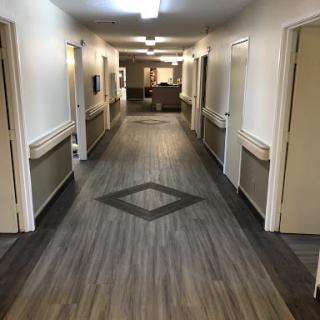
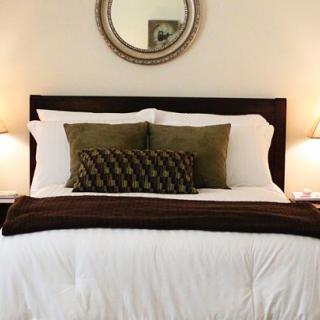
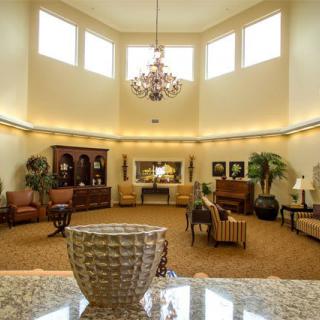
- The inside is well kept and updated.
- The staff are friendly, helpful, and empathetic to the residents.
Cons
Review
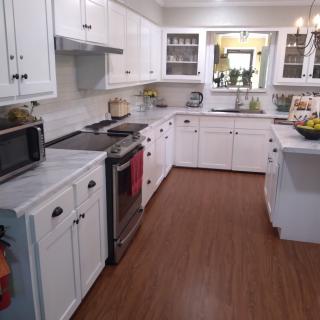
Open Heart Open Home in Terrell, TX is best suited for families seeking a small, home-like assisted living environment where seniors receive attentive, compassionate care without the bustle of a large campus. The community clearly serves residents who value intimate, personal interactions, a calm daily rhythm, and a dignified atmosphere that feels more like a welcoming residence than a hospital corridor. It is a strong fit for a loved one who thrives on warmth, routine, and straightforward support. Those needing aggressive medical monitoring, highly specialized memory-care programming, or a broad, on-demand activity slate should consider alternatives with larger teams and more extensive clinical resources.
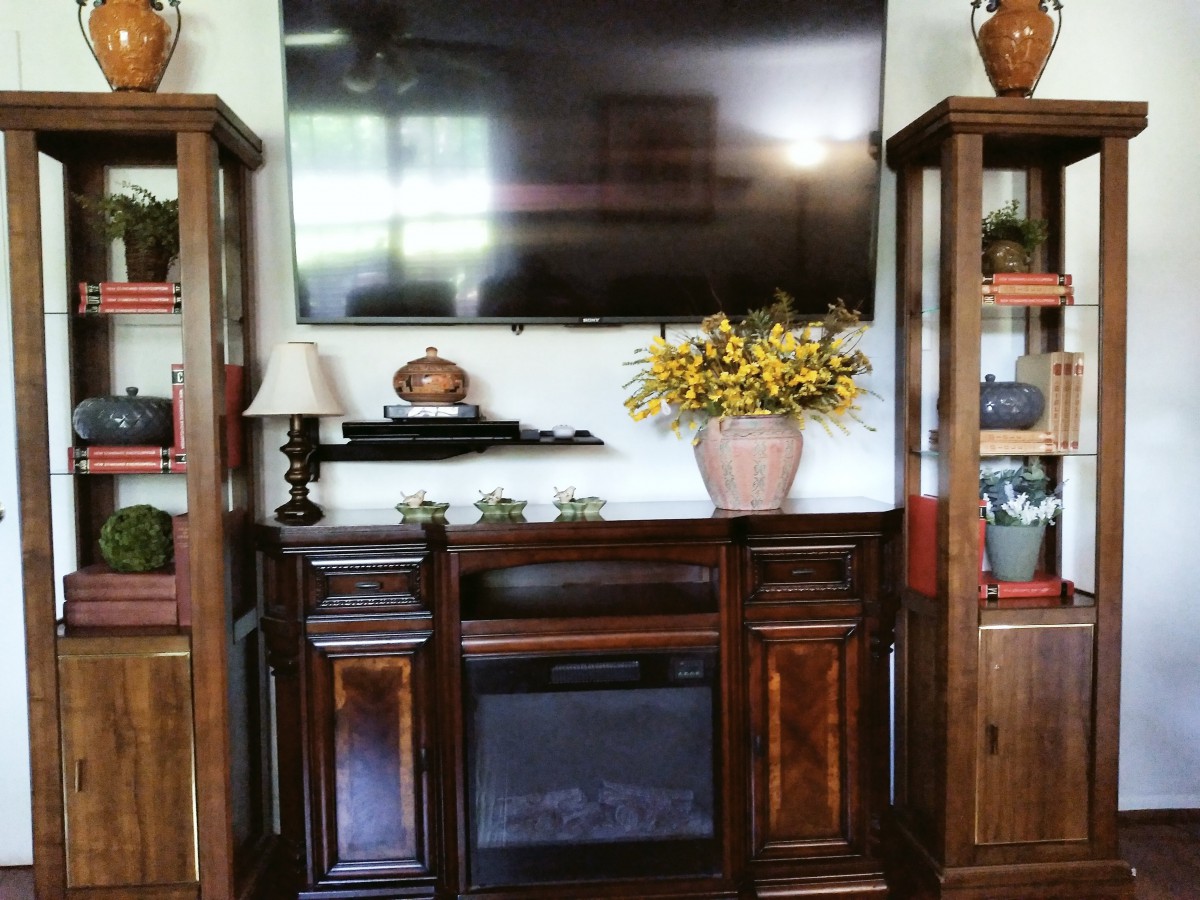
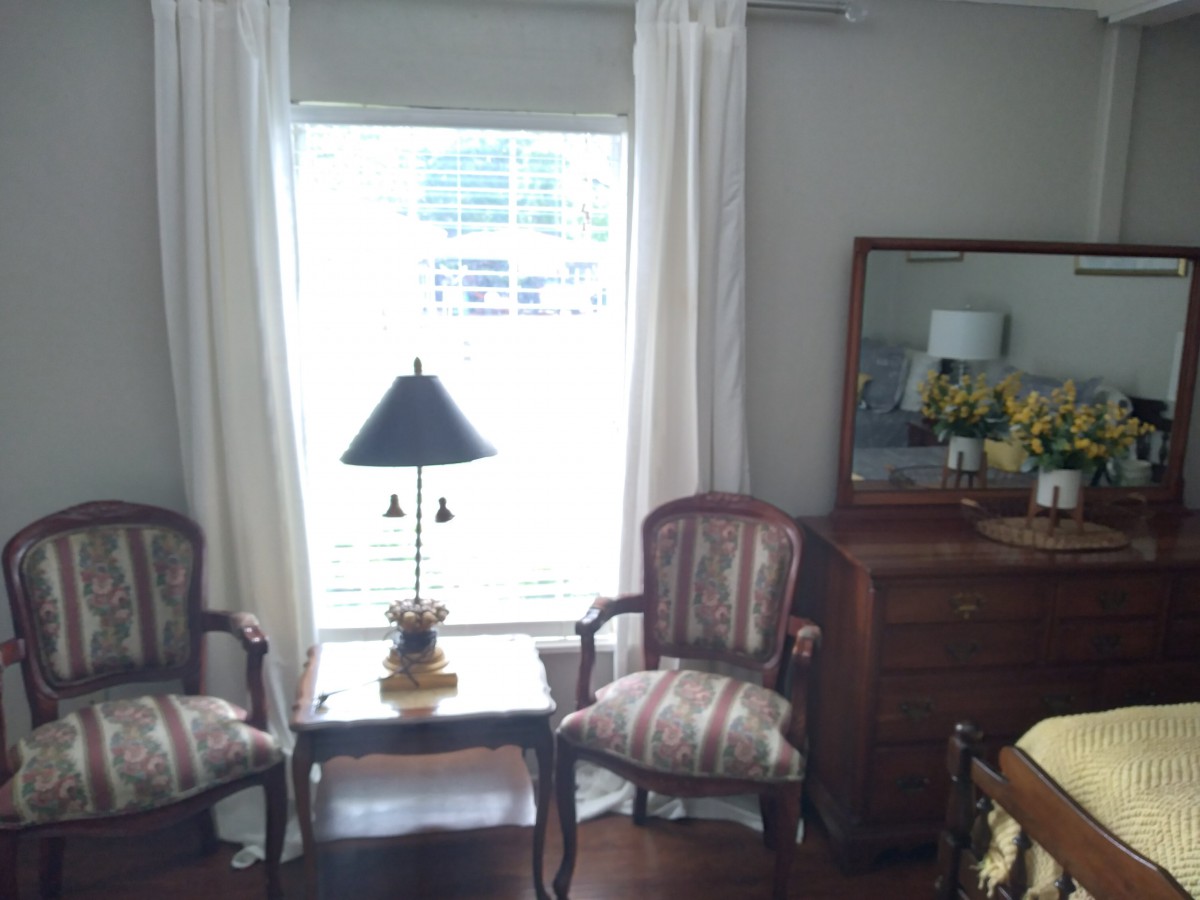
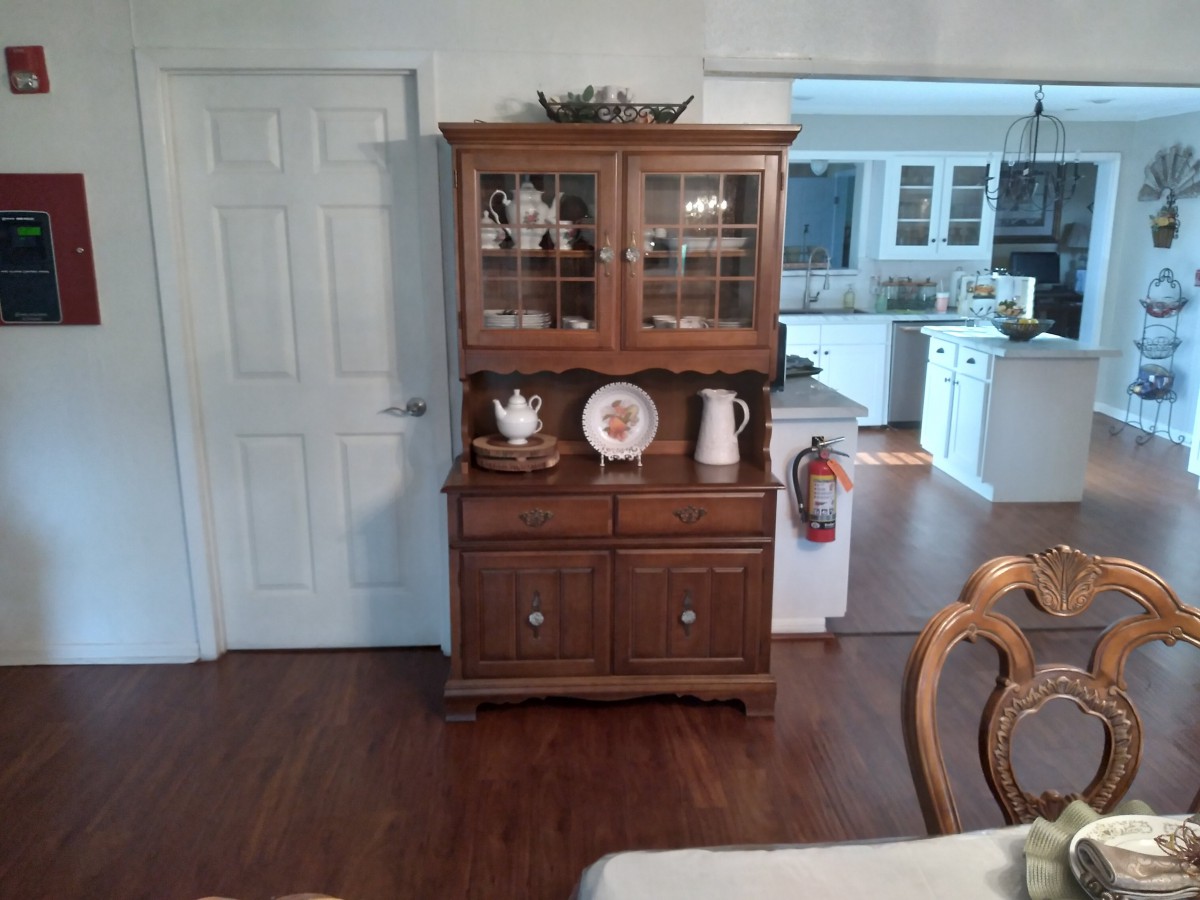
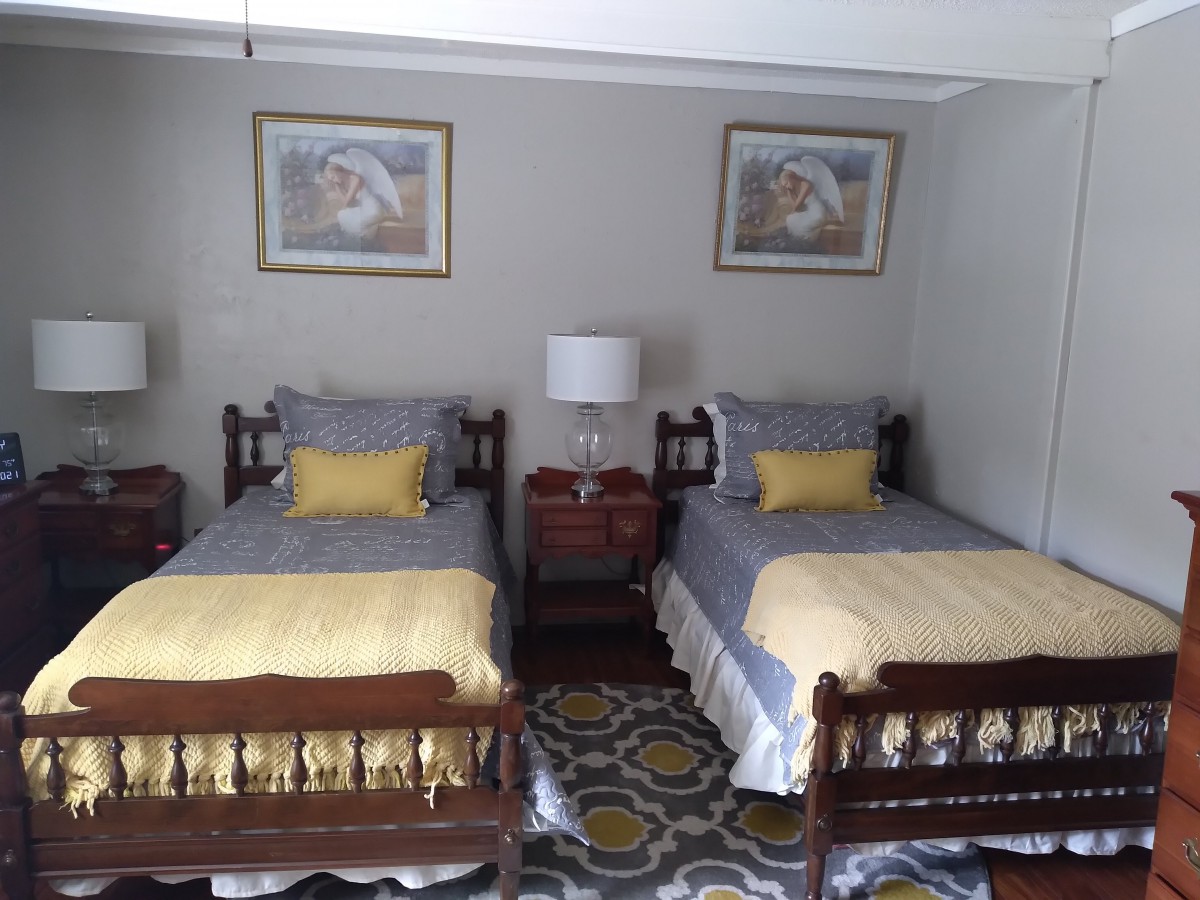
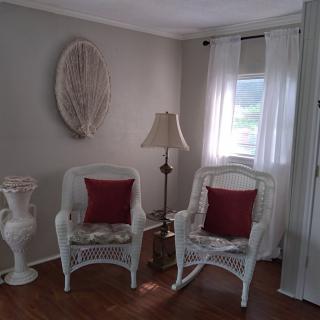
From the observed dynamics, the strongest asset lies in the human factor. Reviews repeatedly highlight a genuine, homey feel and caregivers described as sweet, helpful, and empathetic. A tour reveals staff who engage residents with patience and kindness, contributing to a sense of safety and belonging. The atmosphere is reinforced by the grounds, a gazebo and garden that create a peaceful backdrop, and interiors that look well-kept and updated. When visitors speak with residents, the sense is that meals and everyday interactions foster a positive living experience, supported by a staff culture that prioritizes resident comfort.
Operational highlights reinforce the favorable impression. Caregivers are perceived as capable and attentive, with residents appearing satisfied with meals and the overall cleanliness of the home. An activity room signals formal opportunities for social engagement beyond casual conversation, addressing a common concern in smaller settings about isolation. While one reviewer notes it is early to issue a formal recommendation, the trajectory remains clearly positive: the combination of attentive care, pleasant spaces, and visible resident happiness points to a durable strength rather than a temporary impression.
Nevertheless, prudent decision-making recognizes limits in the available feedback. With only three reviews, long-term consistency in staffing levels, menu variety, and the depth of activity programming remains to be tested. The setting’s intimate, low-key nature may not satisfy families seeking high-acuity medical supervision or expansive dementia-care options. For residents who require frequent access to specialists, more structured medical oversight, or a bustling schedule of events, a larger facility with a broader clinical footprint may ultimately meet those needs more effectively.
For families evaluating options, the practical decision hinges on what matters most in daily life. If the priority is a warm, cohesive environment with tight caregiver-resident relationships, Open Heart Open Home delivers convincingly: attentive staff, a peaceful campus, clean facilities, and a modest menu of engaging activities that keeps social interaction steady. If, instead, the objective centers on robust memory-care programs, diverse therapies, or aggressive medical management, alternatives with deeper clinical resources deserve consideration. Prospective movers should schedule a visit focused on daily routines, speak with current residents about meal satisfaction, and inquire directly about staff-to-resident ratios and shift coverage to confirm alignment with expectations.
Overall, Open Heart Open Home presents a compelling choice for older adults who prize a home-like, intimate setting and dependable caregiver attention. It stands out as a practical, well-rounded option for families who want dignity, quiet comfort, and straightforward, respectful daily care. Those with higher acuity needs or a desire for a larger network of programming should compare against facilities built to deliver more extensive clinical support and a wider array of activities. For nearby families, a careful in-person tour paired with candid questions about continuity of care, meal variety, and activity depth will clarify whether this community aligns with the resident’s values and needs.
 Board and Care Home
 Activities off-site
 Air-conditioning
 Bath tubs
 Cable or satellite TV
 Devotional services off-site
 Indoor common areas
 Outdoor common areas
 Private
 Respite or short term stays offered
 Wi-Fi/high-speed internet available
 Ambulatory care
 Diabetic care
 Incontinence care
 Medication management
 Anytime dining
 Catholic services
 Cooking classes
 Day trips and outings
 Gardening club
 Live musical performances
 Reminiscence programs
 Stretching classes
 Top Cars for Senior Drivers and Essential Safety Innovations
 A Closer Look at Private Pay Home Care
 Comprehensive Approaches for Arthritis: A Detailed Guide to Symptoms, Causes, and Care