
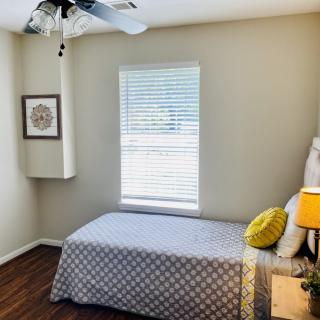


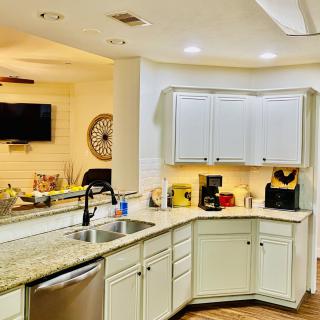
26222 Hanna Road, Spring, TX 77386
For more information about senior living options: (866) 208-4318
Unlimited Care Oakridge Costs & Pricing
Unlimited Care Oakridge offers a comprehensive range of room options that reflect the varying needs of its residents. The pricing for semi-private rooms stands at $4,500 per month, which is notably higher than both the average cost in Montgomery County at $3,664 and the state median in Texas at $3,680. For those seeking more privacy, the private room rate is set at $5,000 monthly, again surpassing local and state averages of $4,177 and $4,096 respectively. These figures suggest that while Unlimited Care Oakridge may be positioned at a premium price point compared to its counterparts in the county and state, this could indicate enhanced amenities or specialized services that justify the investment for potential residents and their families.
| Floor plans | Unlimited Care Oakridge | Montgomery County | Texas |
|---|---|---|---|
| Semi-Private | $4,500 | $3,664 | $3,680 |
| Private | $5,000 | $4,177 | $4,096 |
Assisted Living communities with a similar price nearby
-
from +$500 / mo

Beehive Homes of Spring
$5,000 / month6.7 miles away -
About the same
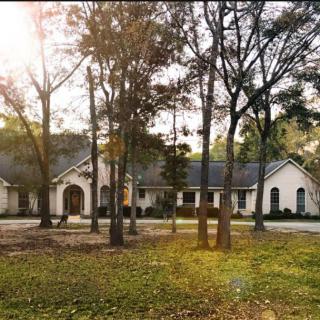
Assisted Living Of Sendera Ranch
$4,500 to $5,000 / month9.5 miles away -
from +$500 / mo

Worthington Manor
$5,000 to $8,050 / month15.4 miles away -
from -$500 / mo
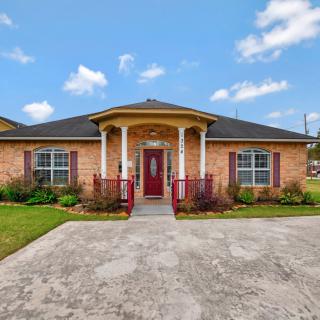
Homebridge Care
$4,000 to $5,000 / month6.8 miles away -
from -$700 / mo
Acorn Manor Assisted Living
$3,800 to $4,800 / month1.1 miles away
Overall Review of Unlimited Care Oakridge
Pros
 Oakridge Cottage is described as an exceptional care facility with a compassionate, attentive staff.
- Lauren Johnston, the director, is praised for being always available, patient, and for personally checking on residents.
- Mary and Virginia are noted for genuinely loving residents and providing daily compassionate care.
- Jill, the on-site nurse, is described as compassionate, patient, and communicative with hospice.
- The entire team is highlighted for open communication and for never making families feel they are asking too many questions.
- The cottage is consistently clean and welcoming, with homemade meals prepared daily.
- Staff are described as amazing, loving, and among the most caring people to care for a loved one.
Cons
 Sadly, mom continued to decline and passed sooner than any of us expected.
Review
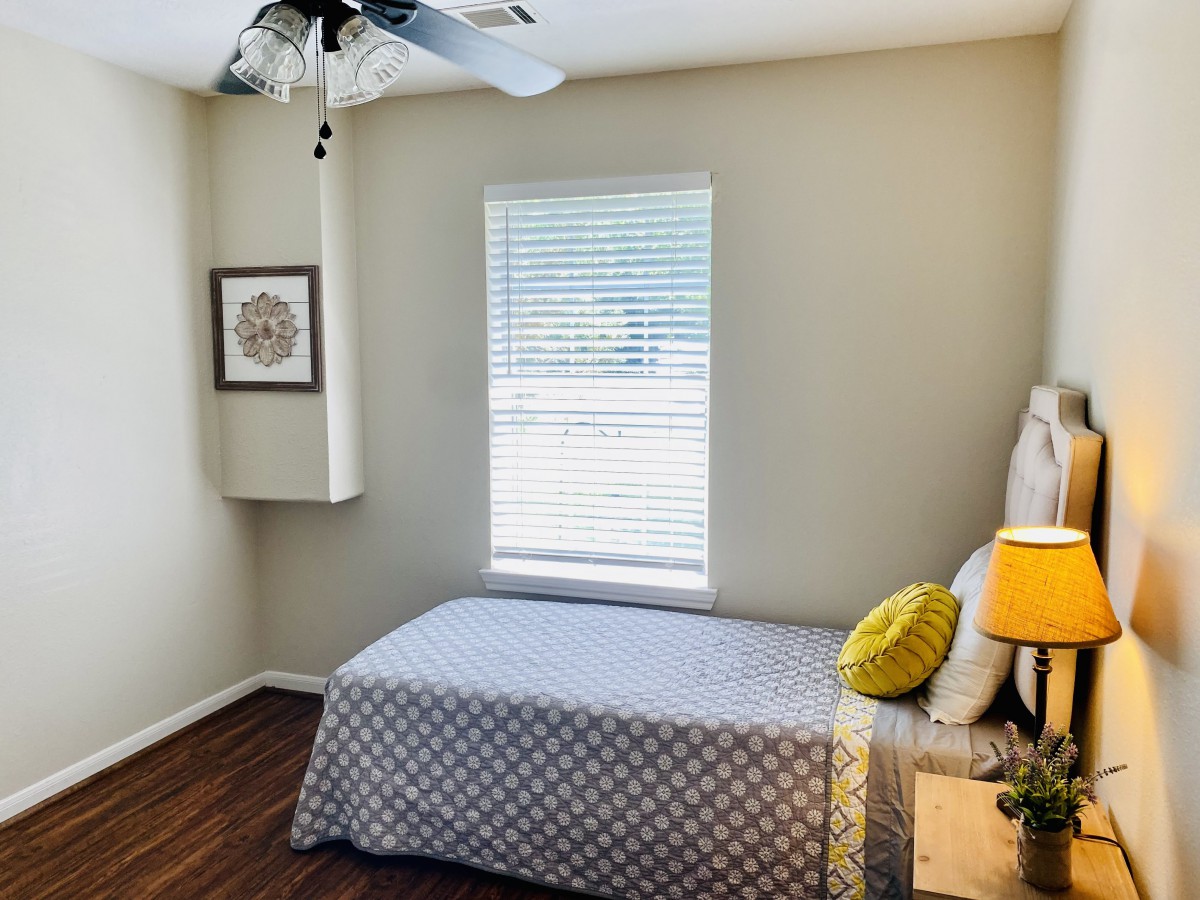
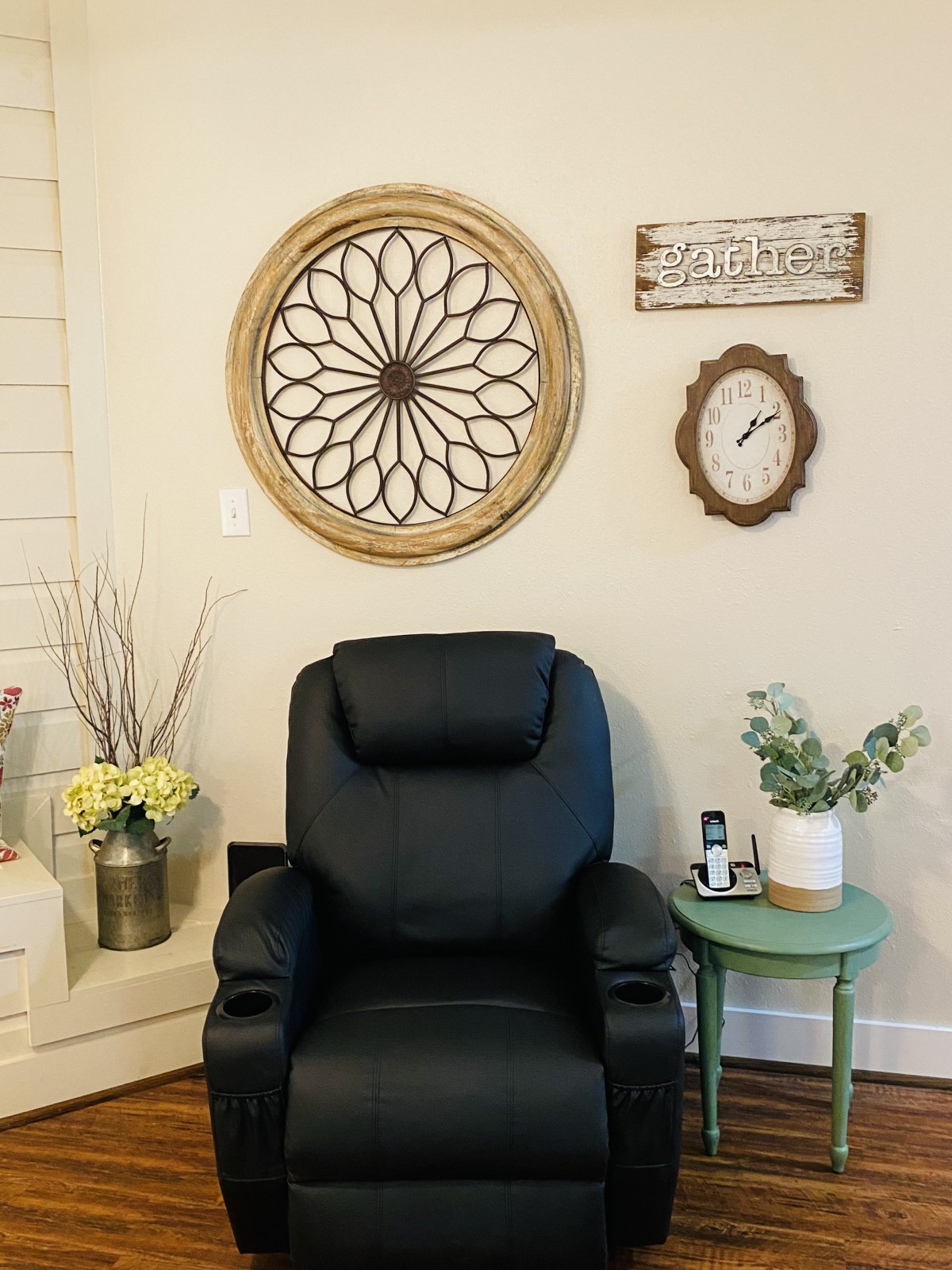
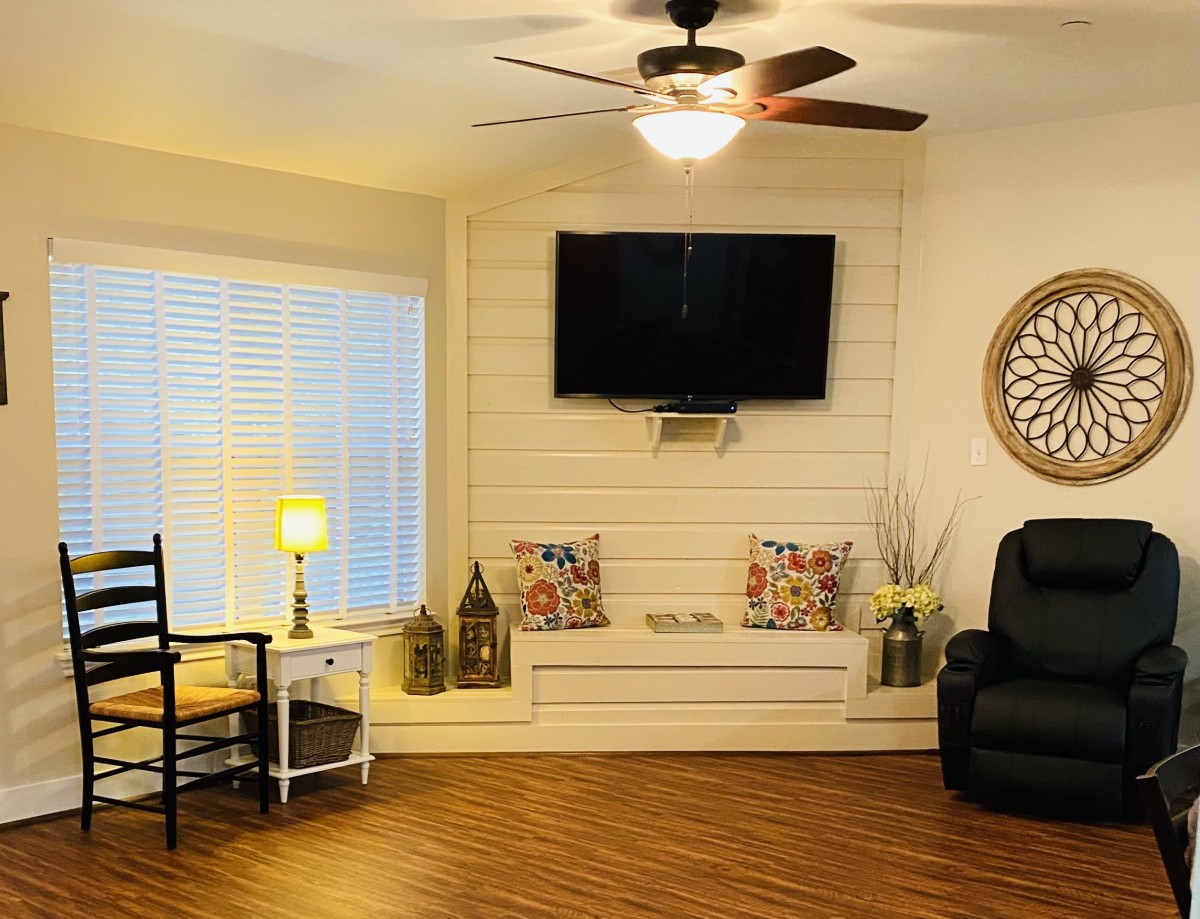
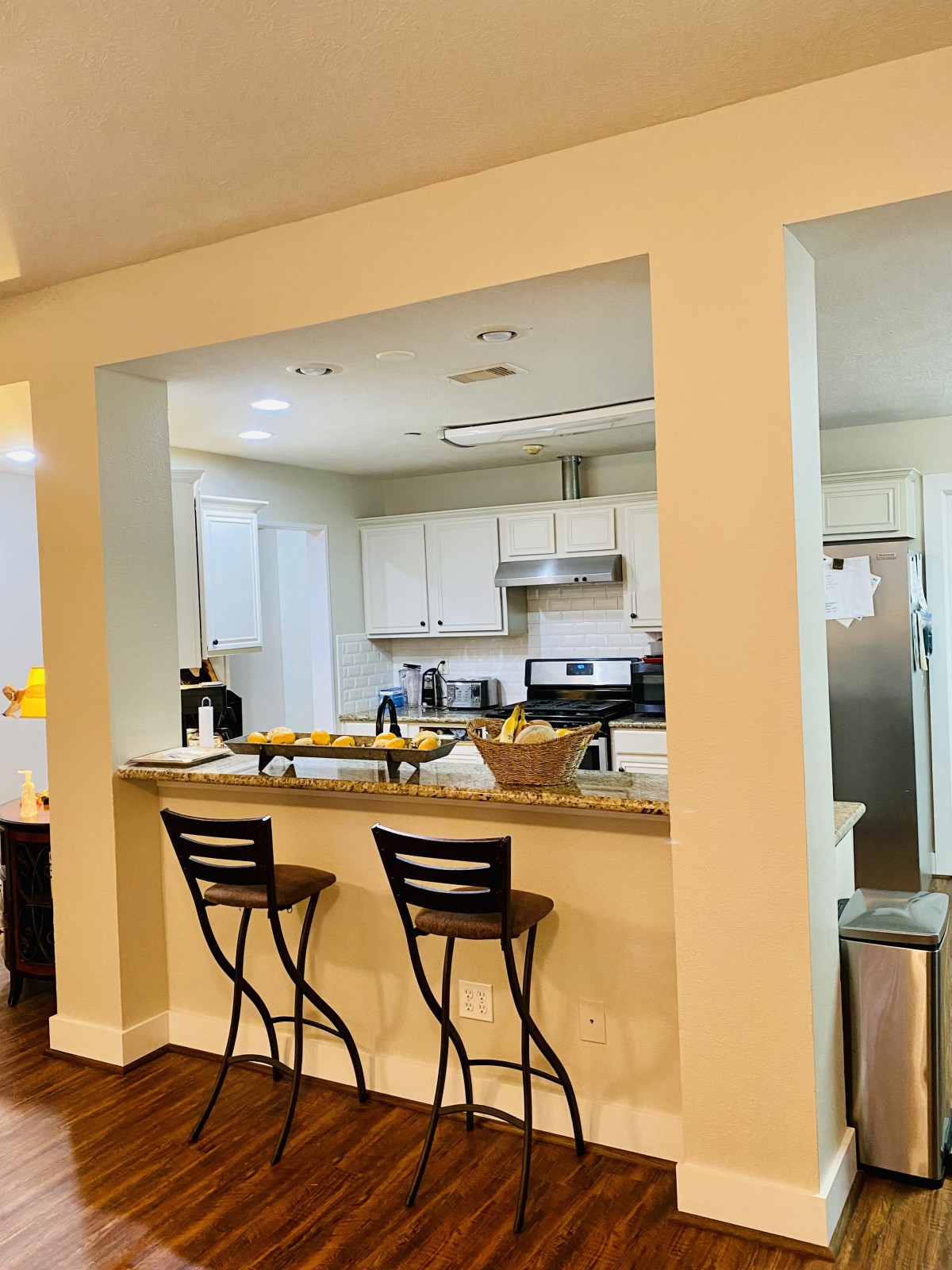
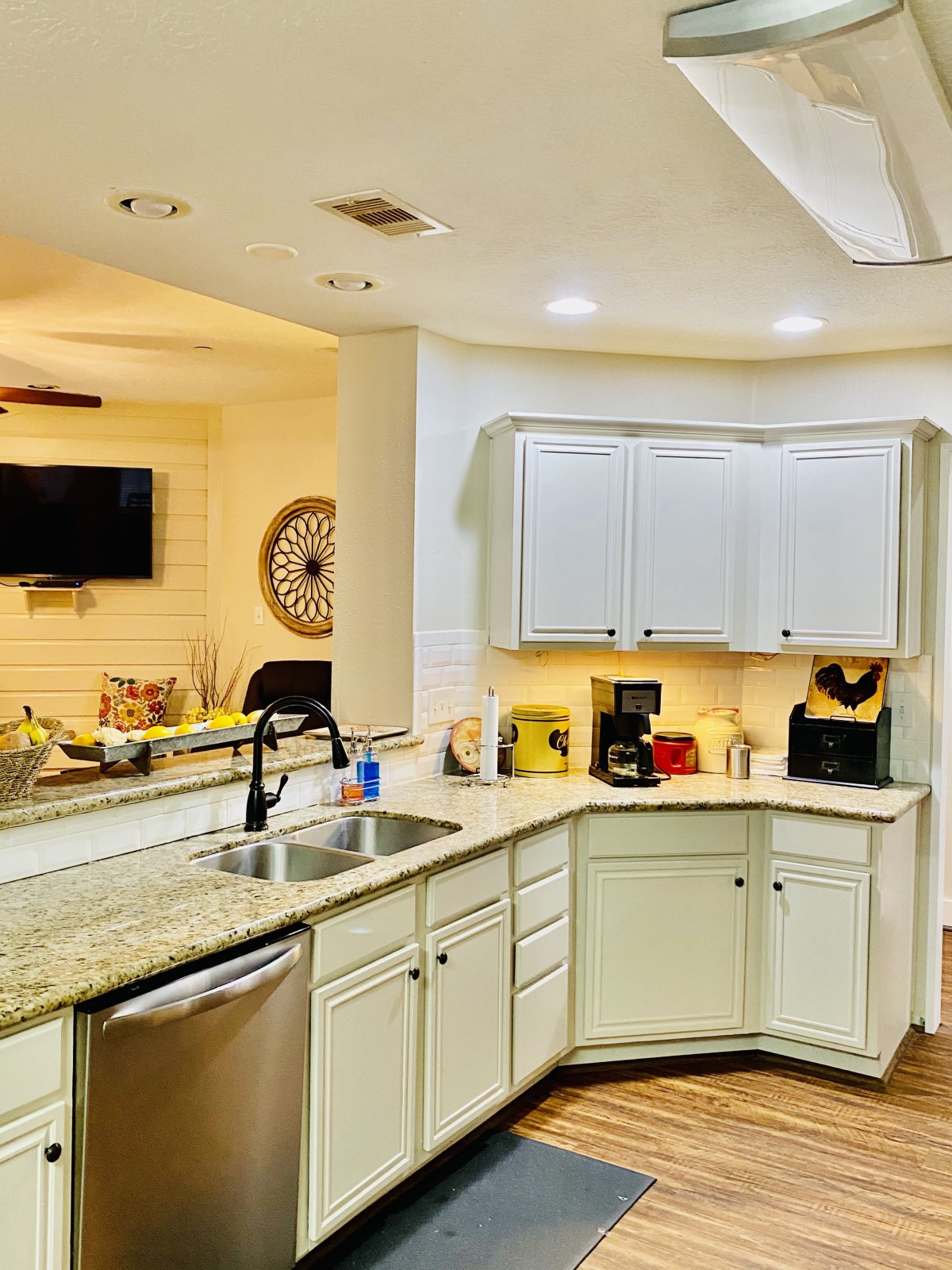
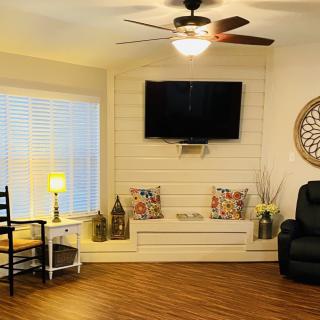
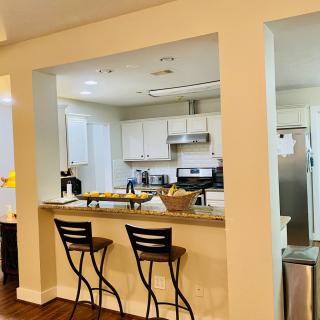
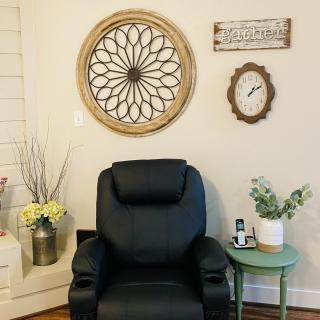
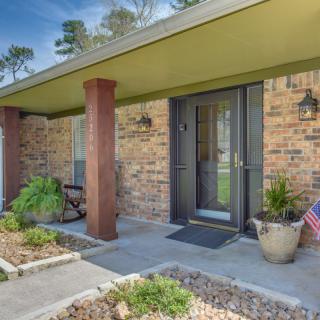
Unlimited Care Oakridge’s Cottage program is best suited for seniors who want a clearly home-like, intimate setting where care is highly personalized and the sense of family is palpable. The cottages house roughly six to seven residents, creating a steady, predictable rhythm, with staff visibly attentive in a way large campuses often struggle to emulate. This model works exceptionally well for couples who wish to remain together through the care transition, or for a parent who benefits from familiar faces, routine, and the direct access that a nurse on site provides without the bustle of a bigger community. Families seeking handmade meals, a clean, welcoming atmosphere, and the emotional reassurance that comes from genuine caregiver relationships will find Oakridge Cottage aligns with those priorities. In Spring, TX, the result is a setting where dignity is preserved, privacy is respected, and the day-to-day caregiving feels like a trusted extension of home.
The core strength rests with the leadership and the caregiving team. Lauren Johnston, the Cottage director, emerges as a linchpin, patient, responsive, and willing to go the extra mile to answer questions and guide families through the decision process. That level of accessibility matters: a director who checks in personally and ensures families are kept informed translates into a level of peace that can be hard to find in larger facilities. The caregivers, Mary and Virginia, are described as loving and genuinely devoted, forming bonds with residents that translate into daily demeanor and consistent, attentive care. When a beloved parent returns from hospitalization, the staff’s warm reception reinforces the sense that the care team treats residents as cherished individuals, not just residents. The nurse on staff, Jill, complements this with steady medical oversight and proactive communication with hospice, ensuring medical questions are answered without delaying needed support.
In addition to interpersonal warmth, Oakridge Cottage delivers tangible quality on daily operations. The environment is repeatedly described as clean and pleasant, with an atmosphere that smells of home-cooked meals and comfort rather than clinical sterilization. The kitchen’s homemade meals are a recurring highlight, reinforcing the sense that residents are nourished with dignity and care. The care team’s attention to communication extends beyond day-to-day questions; the staff openly coordinates with external medical providers, which reduces ambiguity for families navigating complex care needs. This combination, strong relational ties, visible compassion, and reliable routine, creates a everyday experience that can substantially ease the emotional burden of aging and decline.
That said, the setting is not a universal fit. The cottage model prioritizes intimacy and personal touch over the breadth of services found in larger assisted living campuses. A few families may find the small scale limiting if a resident’s needs escalate beyond routine assisted care, require intensive memory care programming, or demand on-site restorative therapies. Likewise, residents with significant medical complexity or those who crave a full spectrum of social activities and structured enrichment programs may be better served by a larger community with more expansive onsite amenities. In cases where 24/7 high-acuity supervision or specialized dementia services are essential, it is prudent to compare with facilities designed specifically for those conditions. Yet the strengths here, small-community attention, direct access to a nurse, and an unwavering emphasis on dignity, often offset these potential limitations for the right candidate.
The pricing narrative, supported by one reviewer’s explicit note on affordability, suggests Oakridge Cottage can offer strong value for families prioritizing quality of life and individualized care. Cost is more than a number; it reflects the degree of staff availability, the frequency of meaningful family-staff interactions, and the reassurance that a familiar, homelike environment can provide during seasons of uncertainty. Prospective families should verify current rates and what is included (meals, care level, and medical oversight) to ensure alignment with expectations. The intangible value, trust in a caregiver team, confidence that medical questions will be addressed promptly, and relief from the exhausting logistics that accompany complex daily care, often translates into financial or emotional savings over time by reducing hospital visits or crises sparked by miscommunication.
For families weighing options, Oakridge Cottage represents a compelling choice when the priority is warmth, continuity, and a deeply personalized approach to daily care. It excels for seniors who value autonomy within a supportive framework, enjoy home-like surroundings, and benefit from the steady presence of a dedicated nurse and a tightly-knit staff. If the goal is a robust social calendar, advanced memory-care specialization, or highly intensive medical management under a single roof, alternatives that provide larger campuses, more formalized memory-care programs, or 24/7 clinical oversight deserve consideration. The decision should hinge on aligning the resident’s care level, personality, and emotional needs with a setting where staff relationships feel genuine and dependable. When those criteria match, Oakridge Cottage stands out as a choice families can trust to preserve dignity, foster comfort, and deliver steady, compassionate care.
 7 resident community capacity
 Studio apartments
 Assisted Living
 Board and Care Home
 Respite Care
 Activities off-site
 Air-conditioning
 Bath tubs
 Beautician on-site
 Cable or satellite TV
 Dining room
 Fully furnished
 Garden
 Housekeeping services
 Indoor common areas
 Move-in coordination
 Outdoor common areas
 Private
 Private bathrooms
 Telephone
 Wheelchair accessible showers
 Wi-Fi/high-speed internet available
 George Bush Intercontinental (13 miles away)
 24-hour supervision
 Assistance with bathing
 Assistance with dressing
 Assistance with transfers
 Diabetes diet
 Diabetic care
 High acuity care
 Incontinence care
 Meal preparation and service
 Medication management
 Special dietary restrictions
 Transportation arrangement (medical)
 Transportation to doctors appointments
 Catholic services
 Educational speakers / life long learning
 Forever fit
 Jewish services
 Live musical performances
 Live well programs
 Other religious services


 8 Key Indicators That Suggest It May Be Time to Transition from Assisted Living to Skilled Nursing Care
 Vibrant Senior Living: A Comprehensive Guide for Active Older Adults
 When to Transition from Assisted Living to Memory Care: Key Indicators, Steps, and Finding the Right Community