For more information about senior living options: (866) 208-4318
4.6 from 28 reviews
5 stars
25
4 stars
0
3 stars
1
2 stars
0
1 stars
2
Ucga Costs & Pricing
When evaluating the monthly costs for UCGA, it's evident that their pricing structure is competitive compared to both Montgomery County and the broader Texas state averages. For semi-private rooms, UCGA charges $3,300, which is notably lower than the $3,664 charged in Montgomery County and the $3,680 across Texas. Similarly, in terms of private accommodations, UCGA's rate of $3,800 stands out against Montgomery County's $4,177 and Texas' average of $4,096. This pricing strategy positions UCGA as a more affordable option for those seeking quality care without stretching their budget too far. Overall, these cost comparisons highlight UCGA's commitment to accessibility while providing necessary services to its residents.
Floor plans
Ucga
Montgomery County
Texas
Semi-Private
$3,300
$3,664
$3,680
Private
$3,800
$4,177
$4,096
Assisted Living communities with a similar price nearby
Residents and families describe hands-on hospice support during serious health declines.
Several reviews mention hospice care and end-of-life planning, including help selecting a hospice organization and coordination when residents transitioned to hospice. Families also describe comfort-focused support after DNR wishes and reassurance that their loved one was not alone. These accounts emphasize day-to-day steadiness during a difficult period rather than just short-term help.
common28 reviews mention this
Caregivers feel personal and supportive
Care is consistently described as compassionate, responsive, and respectful.
Across the reviews, families and residents describe caregivers as attentive, kind, and professional, with owners and staff taking personal interest and following up on concerns. Multiple reviewers also mention staff helping residents stay comfortable and maintaining a supportive, “like family” feel. One review is highly critical and describes poor treatment and neglect, so experiences are not uniformly positive.
common5 reviews mention this
Food accommodations and meal quality
Residents describe meals that can accommodate dietary needs, alongside mixed feedback.
Some reviewers highlight meal preparation that feels healthy and satisfying, including vegan accommodation and dietary restrictions being handled with care. A few families also connect meal quality with comfort and overall wellbeing near the end of life. One critical review complains about meal quality, which stands out as the main downside in the dining feedback.
common10 reviews mention this
Clean, well-kept home environment
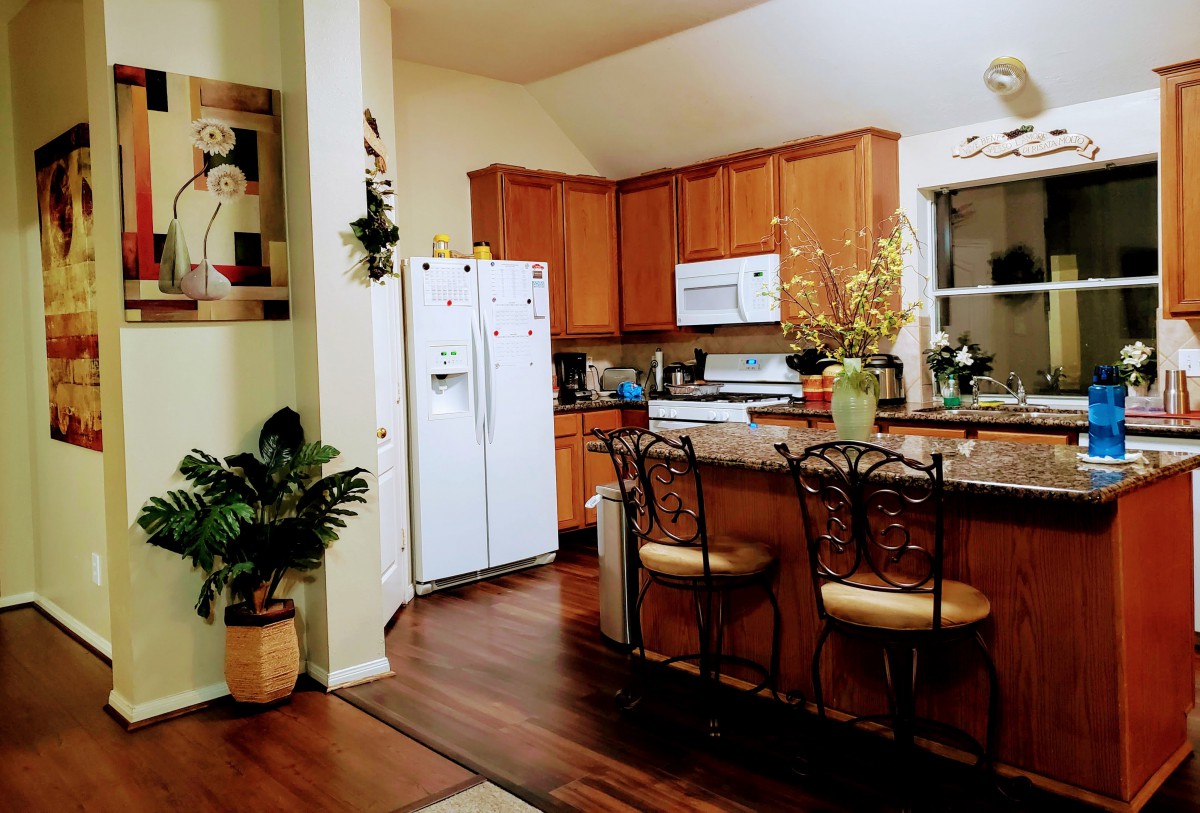
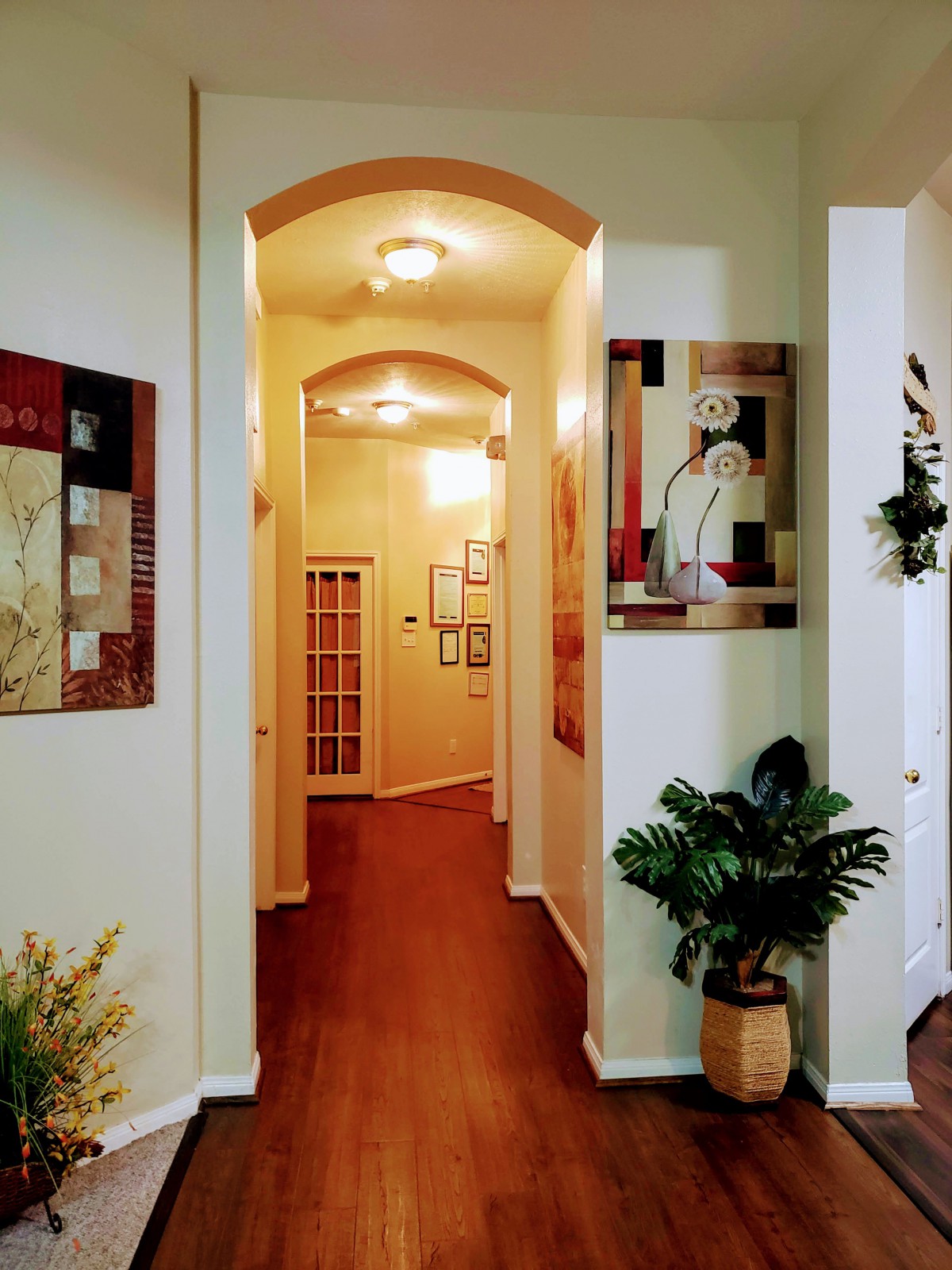
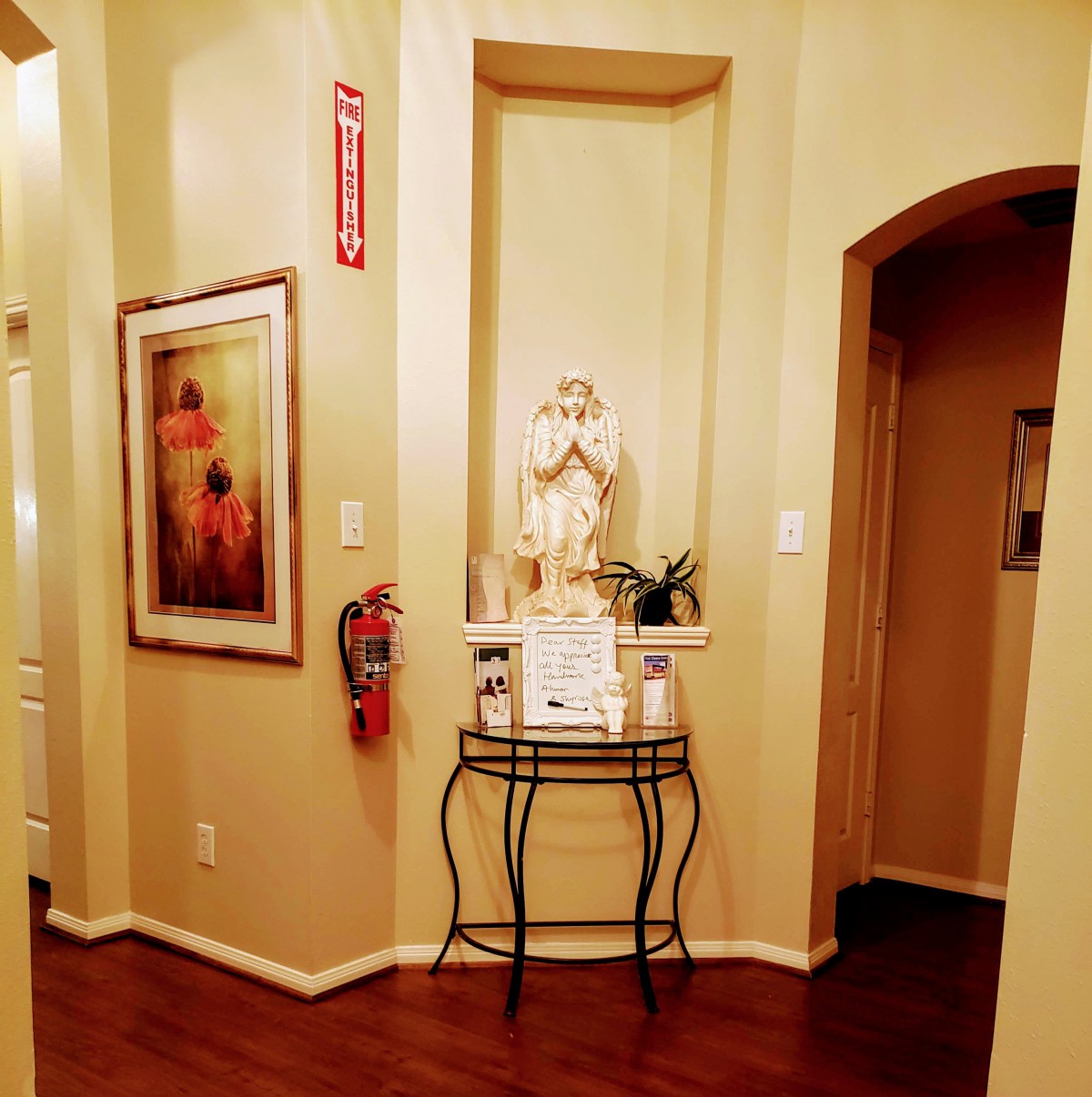
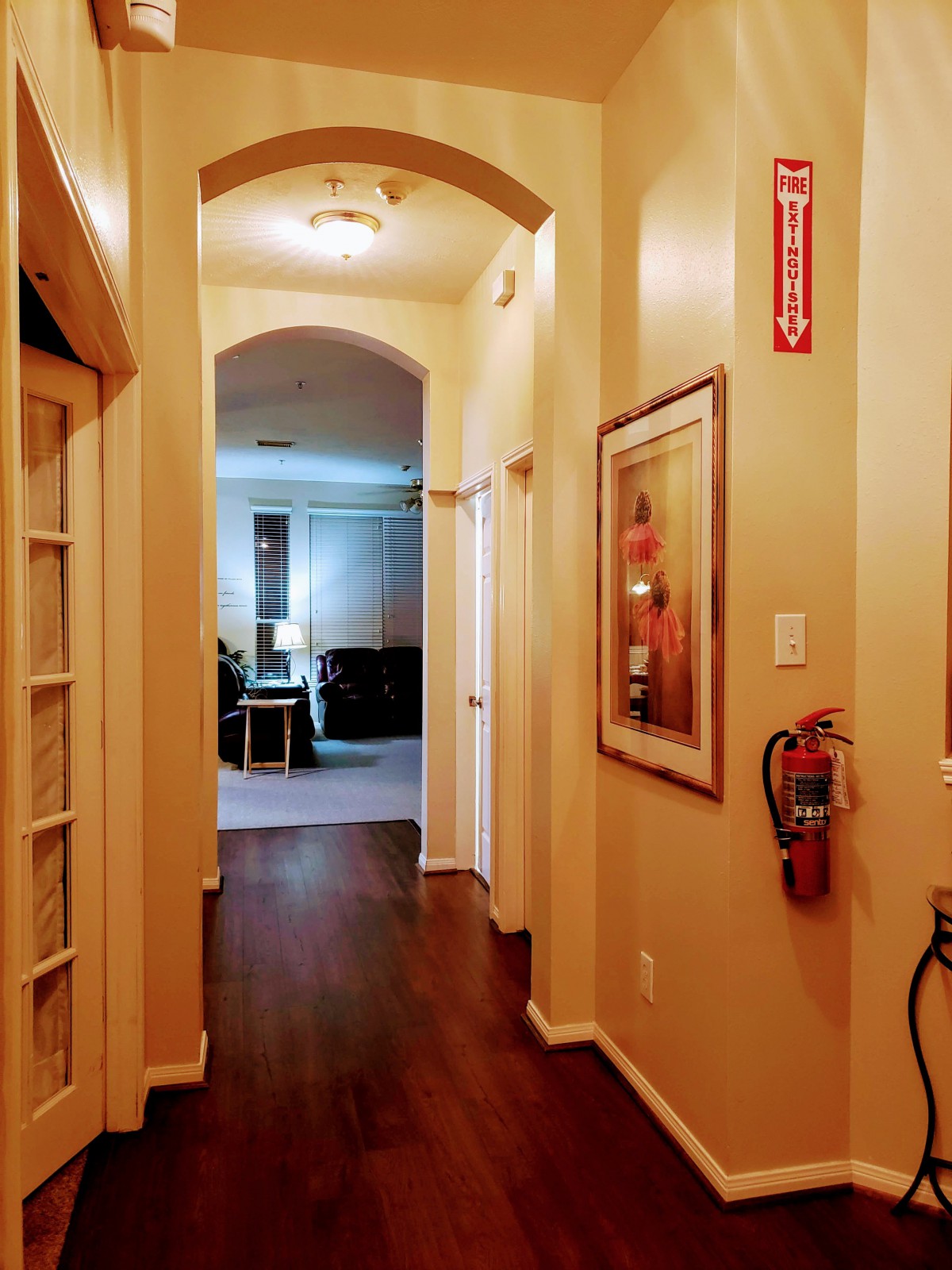
Many reviews praise cleanliness and a maintained home-like setting.
Numerous reviews describe clean rooms and a facility that is kept tidy, including mention of sanitizing and a homey environment. Several families also comment on how the setting feels from visits, which they link to comfort for their loved one. One review alleges negligence related to skin care and ongoing issues, which conflicts with the otherwise strong cleanliness praise.
common3 reviews mention this
Activities and garden time
Residents and visitors describe everyday activities and time outdoors.
A handful of reviewers mention engagement through gentle activities and time in the garden. Others describe residents being active and participating in games, including during visits after placement. This lines up with the community’s schedule of daily activities noted in its offerings.
caveat1 reviews mention this
One major concern about neglect
A negative review raises serious concerns about care quality.
One review is strongly critical, describing inadequate treatment, poor meal practices, and skin-care problems they attribute to negligence. Because this theme appears in only a single review among many positive accounts, it should be treated as an outlier that merits direct follow-up. Other reviews describe caregivers as supportive and the environment as well maintained.
How we summarize
Counts show how many written reviews mention each theme; a review can touch several themes, and only frequently mentioned themes are displayed.
Features
Housing
6 resident community capacity
Types of Care
Assisted Living
Board and Care Home
Respite Care
Amenities
Activities on-site
Air-conditioning
Bath tubs
Beautician on-site
Cable or satellite TV
Devotional services on-site
Dining room
Fully furnished
Garden
Handicap accessible
Housekeeping services
Indoor common areas
Move-in coordination
Outdoor common areas
Outdoor space
Private
Private bathrooms
Respite or short term stays offered
Telephone
Wheelchair accessible showers
Wi-Fi/high-speed internet available
Transportation
George Bush Intercontinental (10 miles away)
Care Services
24-hour supervision
Activities of daily living assistance
Ambulatory care
Assistance with bathing
Assistance with dressing
Assistance with transfers
Coordination with health care providers
Diabetes diet
Diabetic care
High acuity care
Incontinence care
Meal preparation and service
Medication management
Special dietary restrictions
Transportation arrangement (medical)
Transportation to doctors appointments
Dining
Diabetes diet
Gluten-free
Kosher
Low / no sodium
Meals provided
No Sugar
Organic
Room service
Special dietary restrictions
Special dining programs
Vegan
Vegetarian
Activities
Activities on-site
Community-sponsored activities
Cooking classes
Day trips and outings
Devotional activities on-site
Educational speakers / life long learning
Forever fit
Karaoke
Light therapy programs
Live musical performances
Live well programs
Scheduled daily activities
Trivia games
Yoga / chair yoga
Nearby Places of Interest
This part of Spring, Texas offers a convenient and accessible location with a variety of amenities within close proximity. With multiple pharmacies, restaurants, cafes, physicians' offices, transportation options, parks, theaters, hospitals, and places of worship nearby, seniors can easily access essential services and recreational activities. The presence of reputable healthcare facilities such as Memorial Hermann Healthcare System and Texas Children's Hospital ensures quality medical care is readily available. The Woodlands United Methodist Church also provides spiritual support for residents. Overall, this area offers a well-rounded living environment suitable for seniors looking for convenience and accessibility in their daily lives.
Pharmacies
CVS Pharmacy (0.6 miles)
CVS Pharmacy (1 miles)
Walgreens (2 miles)
Walgreens (2.9 miles)
CVS Pharmacy (3.3 miles)
CVS Pharmacy (3.3 miles)
CVS Pharmacy (3.7 miles)
Restaurants
Whataburger (0.9 miles)
Chick-Fil-A (1.1 miles)
The Republic Grille (1.4 miles)
Raising Cane's Chicken Fingers (2 miles)
McDonald's (2.6 miles)
Star Cinema Grill (2.9 miles)
Chick-Fil-A (3.2 miles)
Cafes
Starbucks (1 miles)
Starbucks (3.3 miles)
Third Gen Coffee (3.4 miles)
Starbucks (5.8 miles)
Black Walnut Cafe Wood (6.2 miles)
Starbucks (7 miles)
Panera Bread (7.2 miles)
Physicians
Texas Children's Pediatrics Rayford (1.1 miles)
Memorial Hermann Medical Group Benders Landing (1.3 miles)
Advanced Cardiovascular Care Center (2.7 miles)
Allergy, Asthma and Immunology Care Center (2.8 miles)
Woodlands Sports Medicine Centre PA (4.2 miles)
Woodlands Retina Center PA (4.9 miles)
Colon & Rectal Clinic (5 miles)
Transportation
Hertz Rent A Car (3.1 miles)
Union Pacific Railroad Co. (4.4 miles)
Parks
MapleWood Park (3.5 miles)
Waterway Square (4.4 miles)
Northshore Park (5.6 miles)
Mercer Arboretum and Botanic Gardens (5.7 miles)
Theaters
Tinseltown (4.5 miles)
Hospitals
Memorial Hermann Healthcare System (5 miles)
Texas Children's Hospital (6.6 miles)
Houston Methodist The Woodlands Hospital Diagnostic Imaging (6.7 miles)
St Luke's Medical Arts Center II (6.8 miles)
Texas Children's Hospital Maternal Fetal Medicine (6.9 miles)
Aquino Vincent MD - St Luke's the Woodlands Hospital (6.9 miles)
When evaluating the monthly costs for UCGA, it's evident that their pricing structure is competitive compared to both Montgomery County and the broader Texas state averages. For semi-private rooms, UCGA charges $3,300, which is notably lower than the $3,664 charged in Montgomery County and the $3,680 across Texas. Similarly, in terms of private accommodations, UCGA's rate of $3,800 stands out against Montgomery County's $4,177 and Texas' average of $4,096. This pricing strategy positions UCGA as a more affordable option for those seeking quality care without stretching their budget too far. Overall, these cost comparisons highlight UCGA's commitment to accessibility while providing necessary services to its residents.
Assisted living in 2025 offers a crucial balance of independence and support for seniors, with costs varying from $2,500 to over $7,000 per month based on factors such as location and care level. Understanding pricing complexities, including regional differences and potential hidden fees, is essential for families to plan financially while ensuring quality care for their loved ones.
The guide outlines the complexities of Medicaid coverage for assisted living, highlighting significant state-to-state variations, limited coverage often restricted to personal care services, and the existence of specialized waivers for certain needs like memory care. It advises families to consult local Medicaid offices for options while emphasizing the importance of understanding state-specific regulations and facility policies.
Medicaid coverage for assisted living varies by state and is primarily available to low-income individuals, with eligibility dependent on strict income and asset limits. Some states offer HCBS waivers for specific services in assisted living, but families must generally cover room and board costs, and should verify facility acceptance of Medicaid while considering potential waiting lists.
Get PricingAsk A QuestionSchedule A TourContact Senior Advisor
By clicking submit, you agree to our Partner's Terms of Use. You
also consent to receive calls and texts, which may be autodialed, from our Partner. Your consent is not a condition to
using our Partner's service. Please visit our Partner's Privacy Policy for information about their privacy practices.

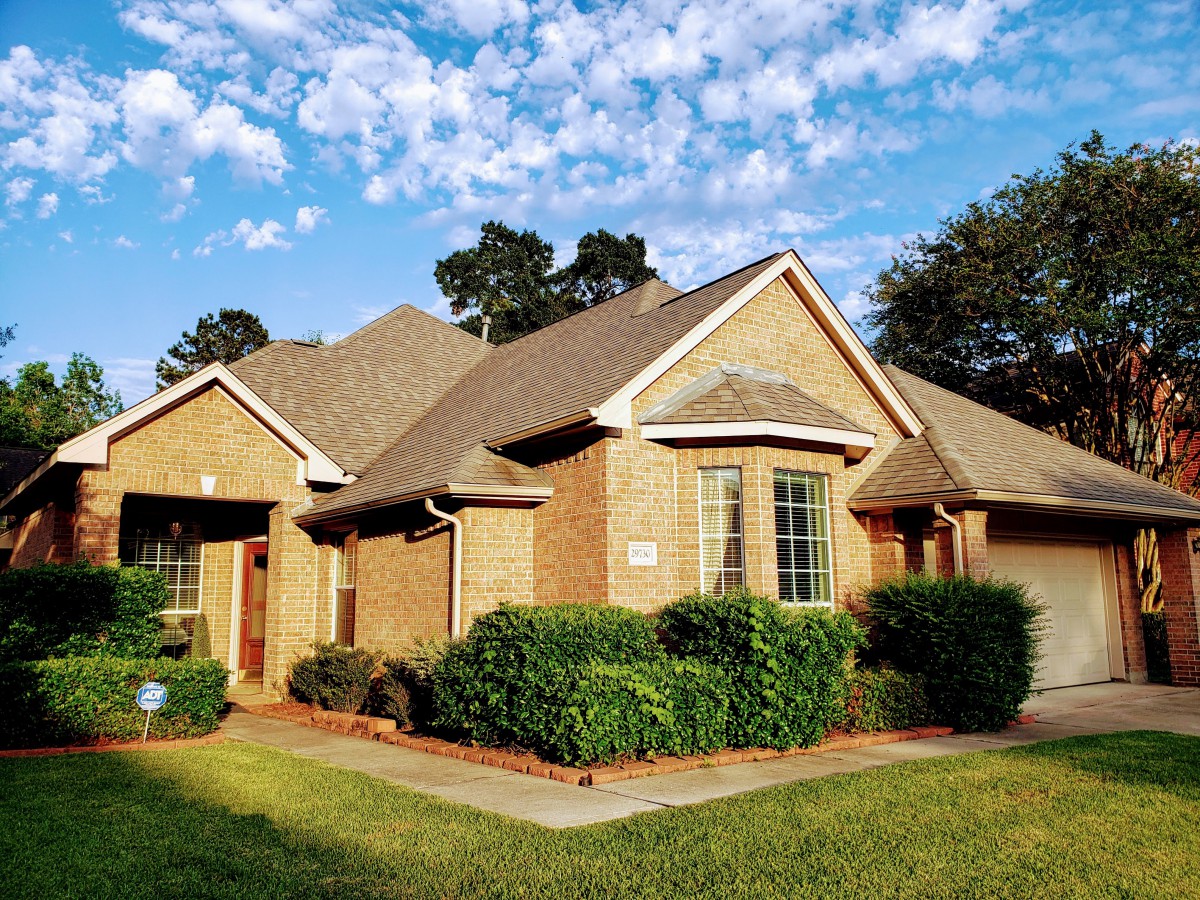
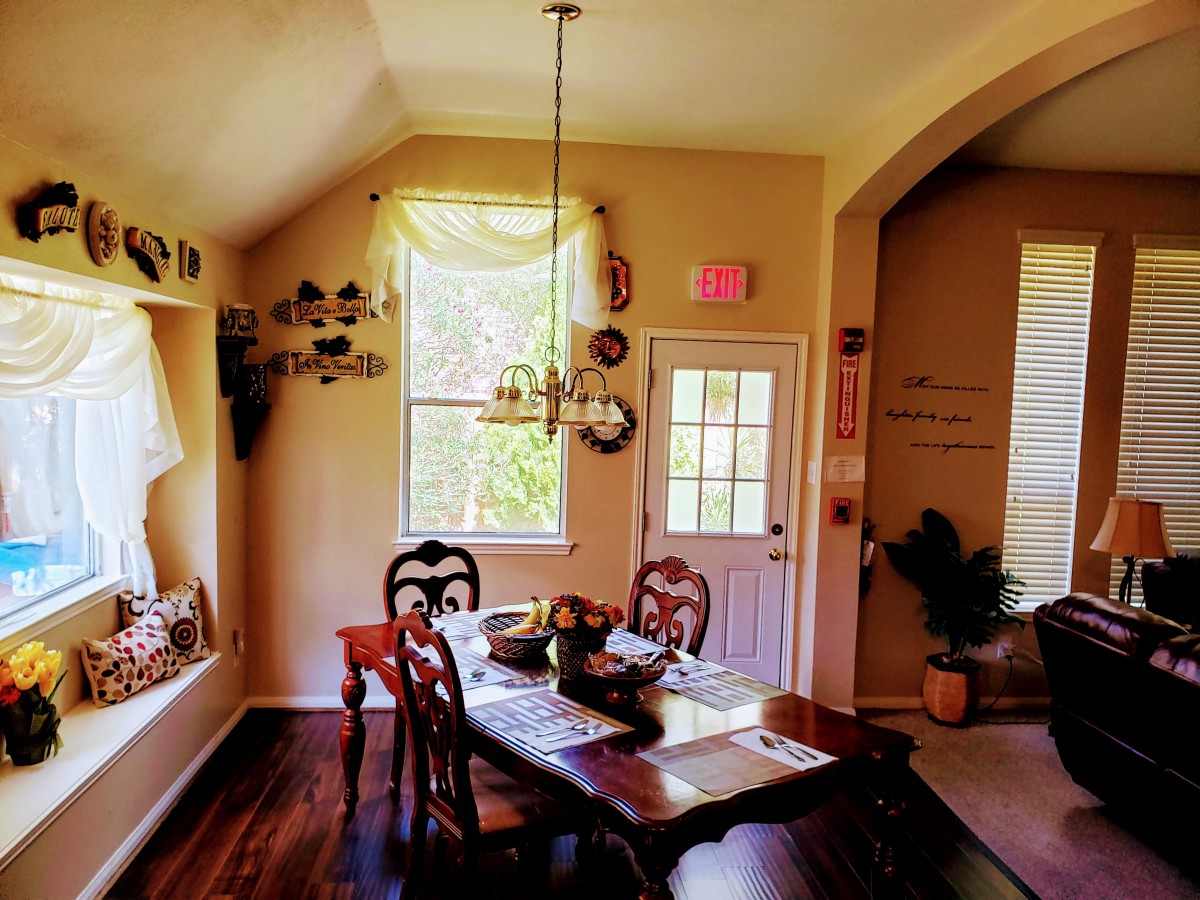
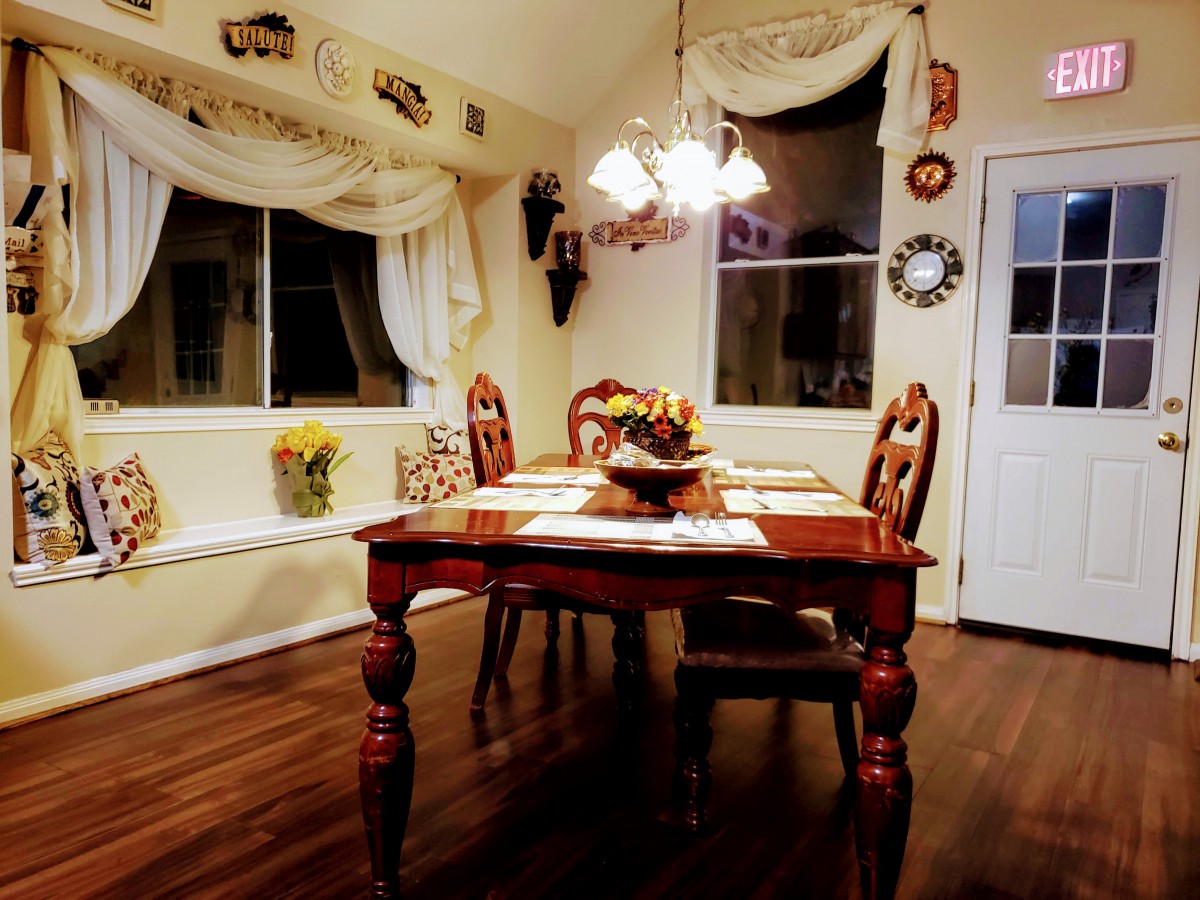
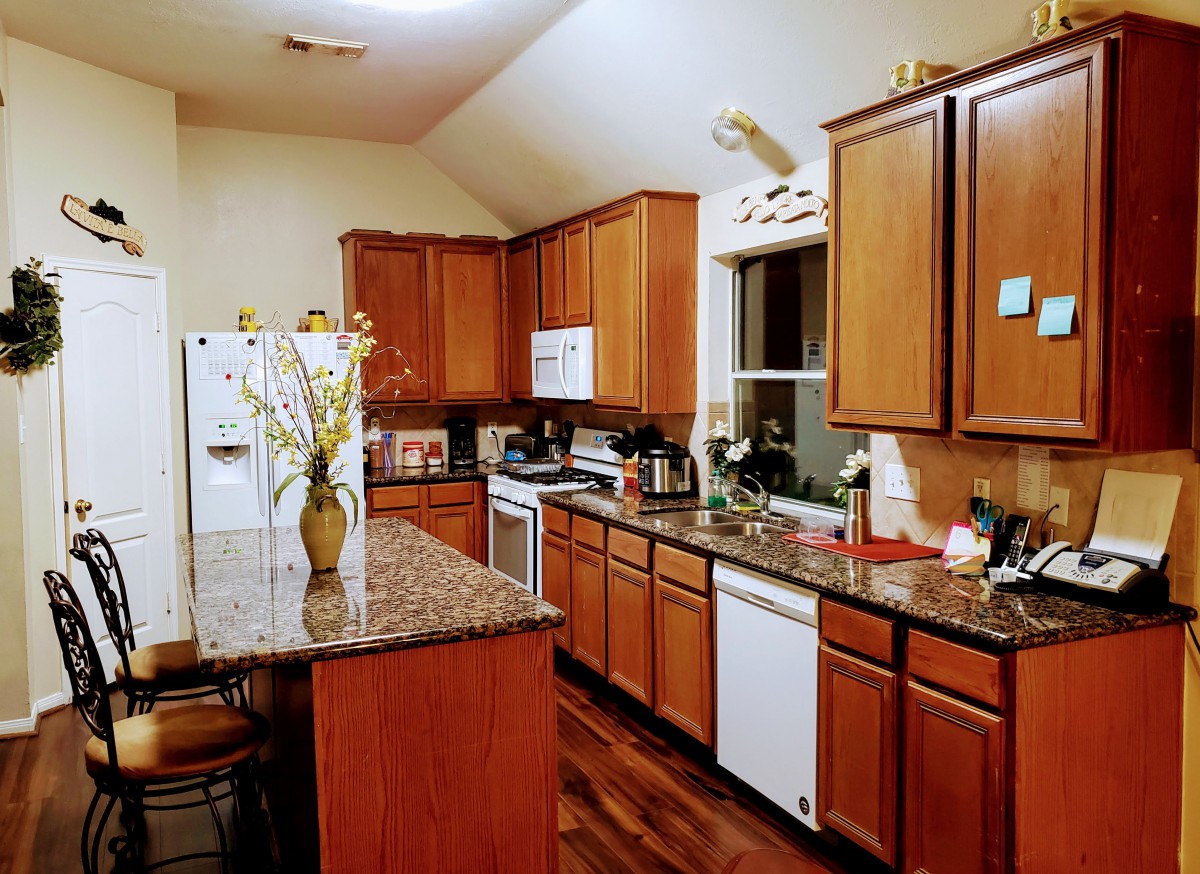
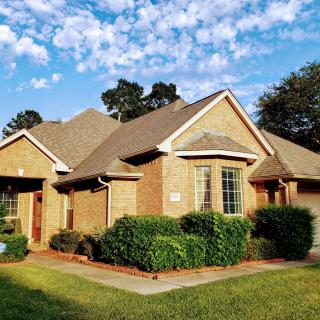
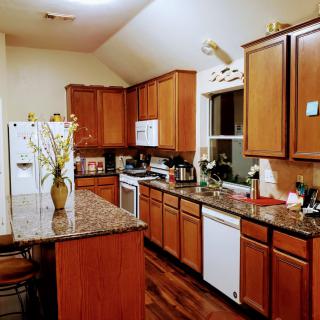
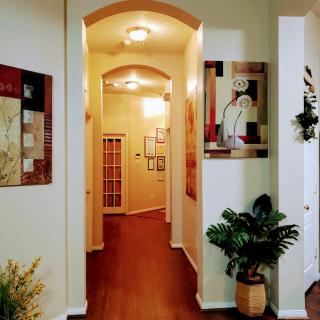
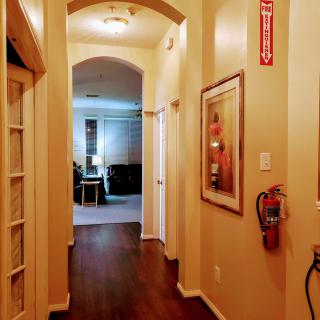
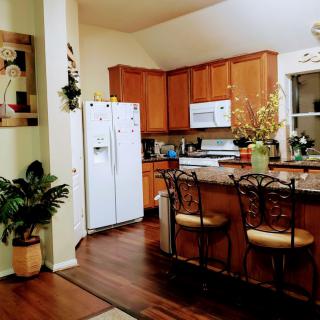
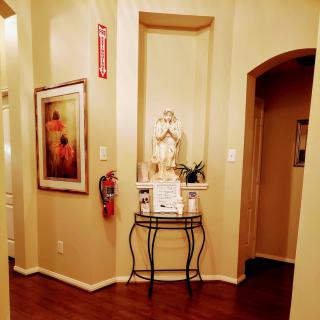
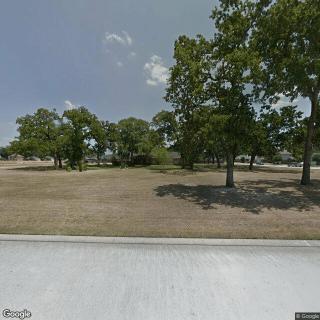
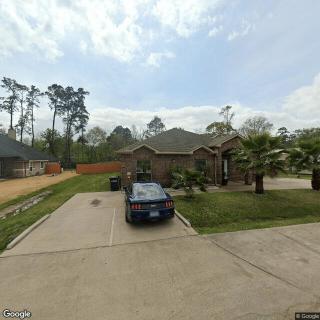
 6 resident community capacity
 Assisted Living
 Board and Care Home
 Respite Care
 Activities on-site
 Air-conditioning
 Bath tubs
 Beautician on-site
 Cable or satellite TV
 Devotional services on-site
 Dining room
 Fully furnished
 Garden
 Handicap accessible
 Housekeeping services
 Indoor common areas
 Move-in coordination
 Outdoor common areas
 Private
 Private bathrooms
 Telephone
 Wheelchair accessible showers
 Wi-Fi/high-speed internet available
 George Bush Intercontinental (10 miles away)
 24-hour supervision
 Ambulatory care
 Assistance with bathing
 Assistance with dressing
 Assistance with transfers
 Diabetes diet
 Diabetic care
 High acuity care
 Incontinence care
 Meal preparation and service
 Medication management
 Special dietary restrictions
 Transportation arrangement (medical)
 Transportation to doctors appointments
 Cooking classes
 Day trips and outings
 Educational speakers / life long learning
 Forever fit
 Karaoke
 Light therapy programs
 Live musical performances
 Live well programs
 Trivia games
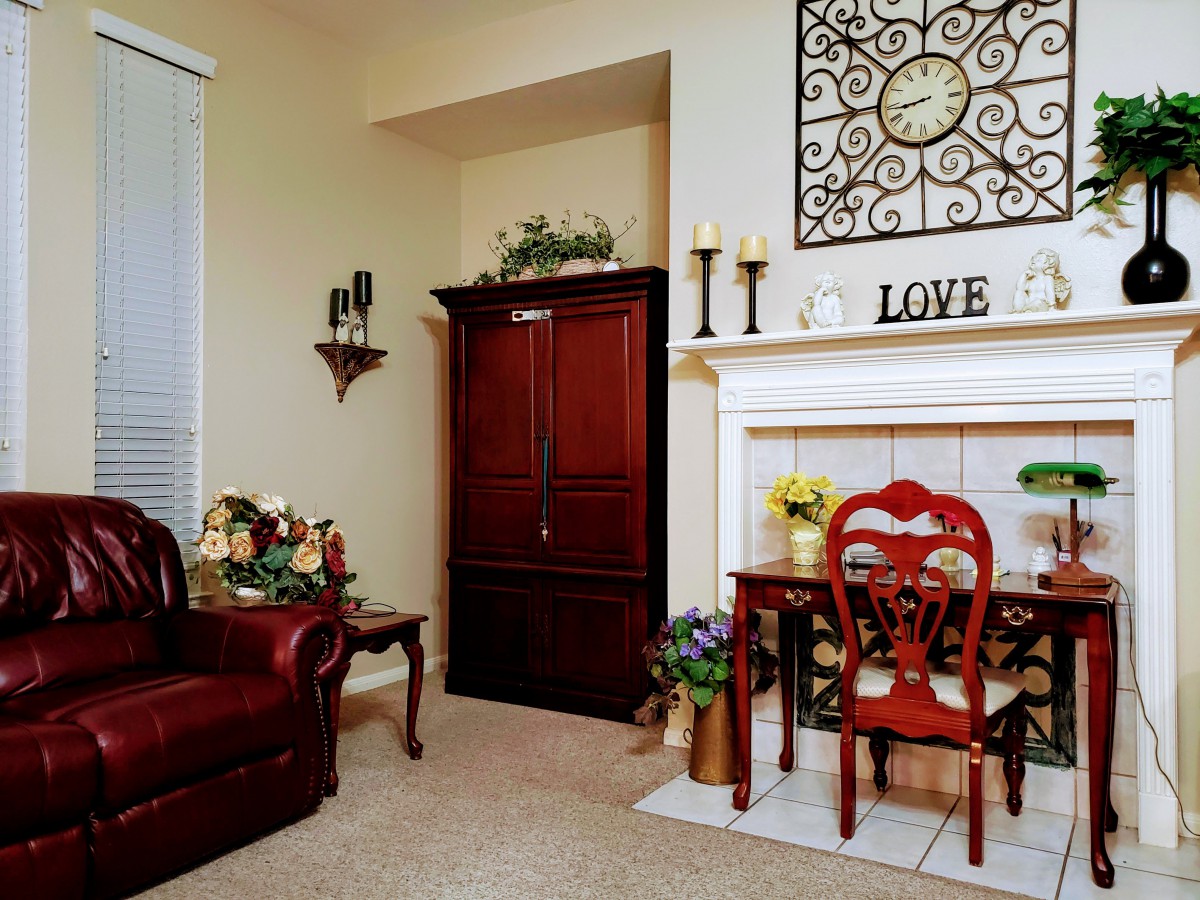
 Comprehensive care options (high acuity, incontinence, medication management) with on-site activities and spiritual services.
 Understanding the True Cost of Assisted Living in 2025: A Comprehensive Guide
 Understanding Medicaid Coverage for Assisted Living: A Comprehensive Guide
 How and When Medicaid May Cover Assisted Living Costs