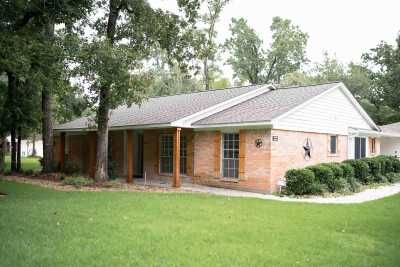

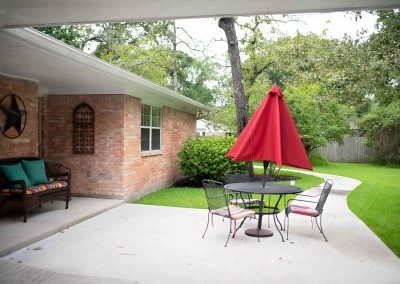



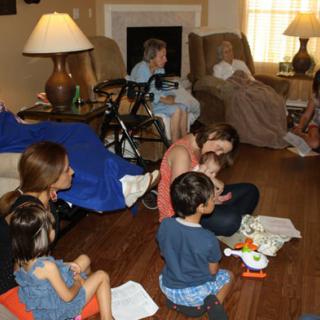
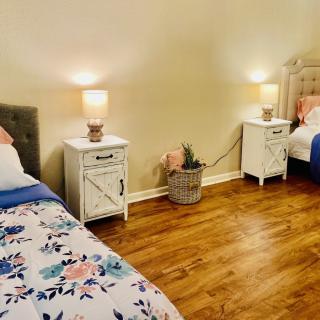
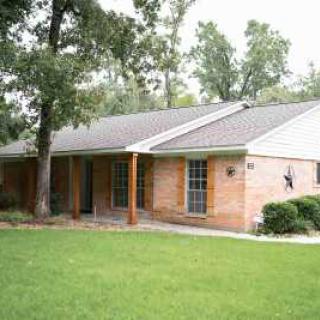
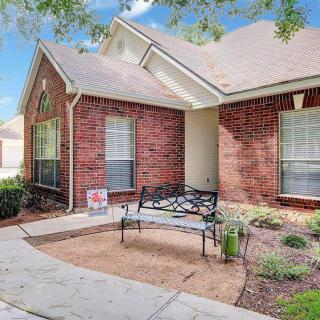







2027 Cherry Laurel, Spring, TX 77386
To contact a resident: (713) 419-2609
For more information about senior living options: (866) 208-4318
Cooper Cottage Costs & Pricing
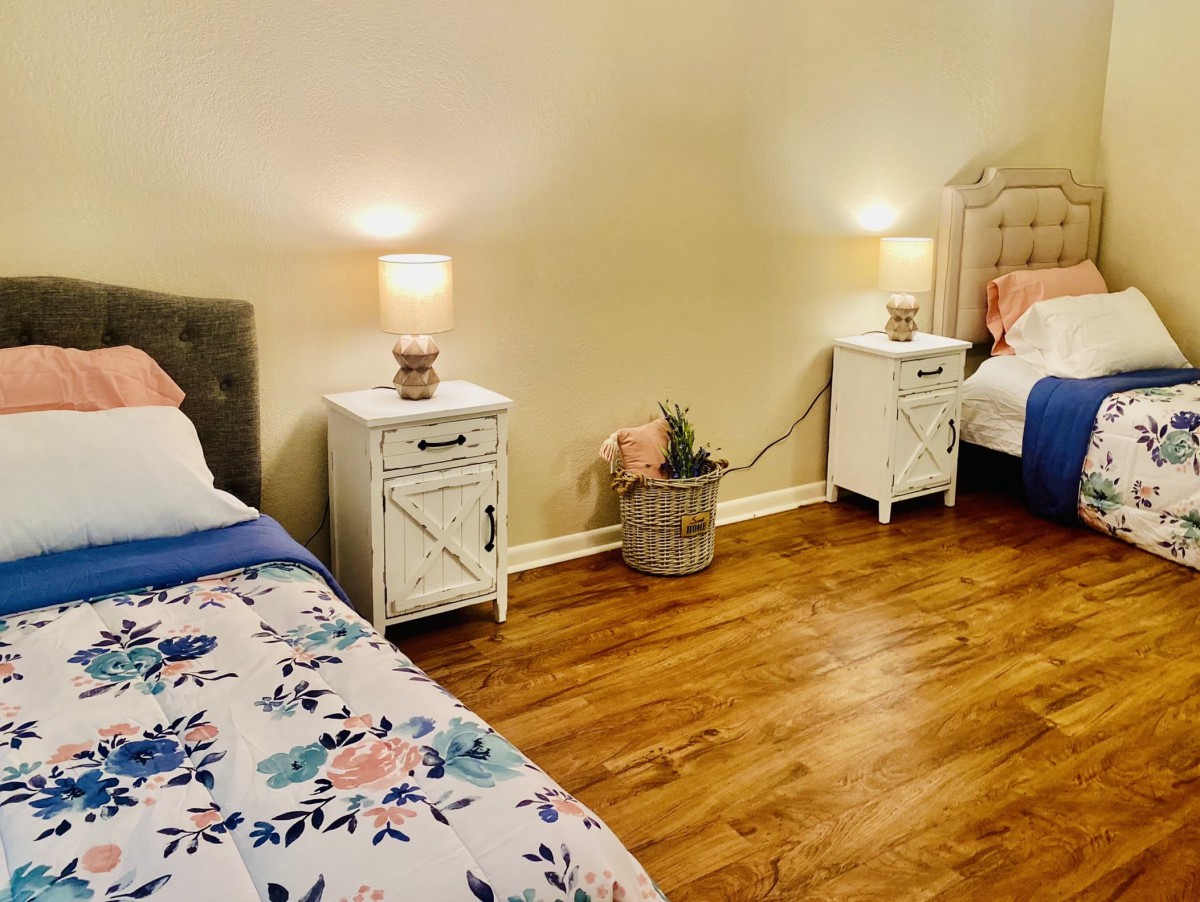
Cooper Cottage offers competitive pricing for its accommodations, with a semi-private room costing $3,800 per month, which is slightly higher than the average monthly cost in Montgomery County at $3,664, as well as the state average of $3,680. For those seeking more privacy, a private room at Cooper Cottage is priced at $4,400. This rate positions it above Montgomery County's average of $4,177 and Texas's statewide average of $4,096. Overall, while Cooper Cottage may have a marginally higher price point compared to its regional competitors, it potentially reflects the quality of care and services provided, making it an appealing option for families considering long-term care solutions.
| Floor plans | Cooper Cottage | Montgomery County | Texas |
|---|---|---|---|
| Semi-Private | $3,800 | $3,664 | $3,680 |
| Private | $4,400 | $4,177 | $4,096 |
Senior living communities with a similar price nearby
-
from +$200 / mo
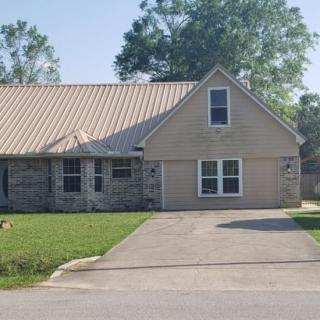
Total Loving Care Inc 2
$4,000 to $5,250 / month12.1 miles away -
from -$350 / mo

Cypress Assisted Living- Drake Prairie Lane
$3,450 / month17.2 miles away -
About the same

Village Care Homes Park Avenue
$3,750 to $3,950 / month11.6 miles away -
About the same

Village Care Homes - Stephen F Austin
$3,750 to $5,454 / month8.6 miles away -
from -$750 / mo

C & N Adult Care Home Inc
$3,050 to $3,965 / month23.8 miles away
Overall Review of Cooper Cottage
Pros
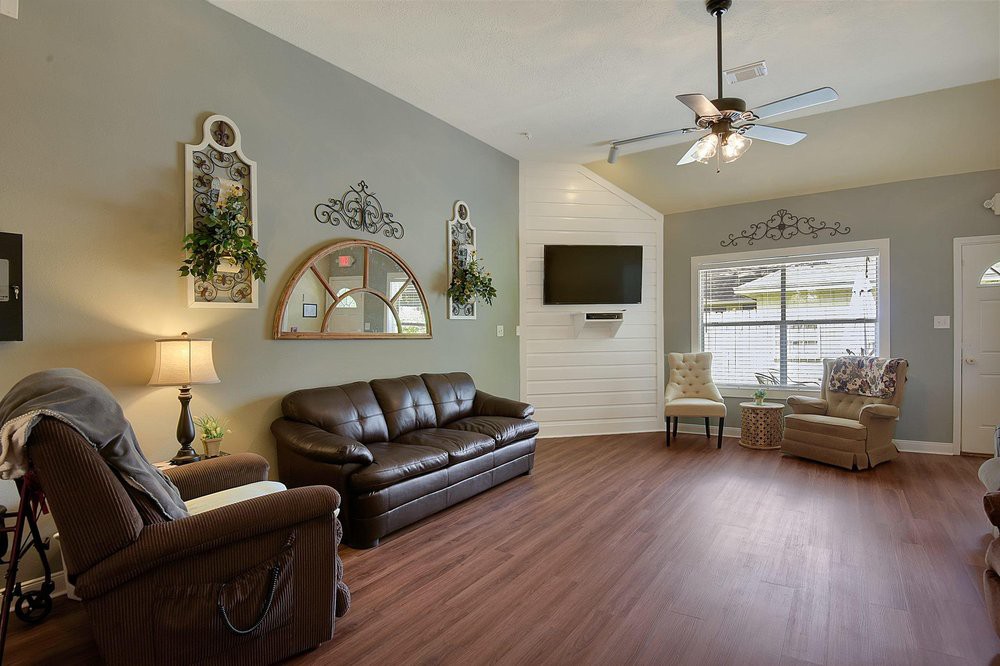
 The care home is beautiful, welcoming, and inviting.
- The staff are absolutely wonderful.
- Cooper Cottage is one of a kind, with excellent Care Partners and amazing care.
Review
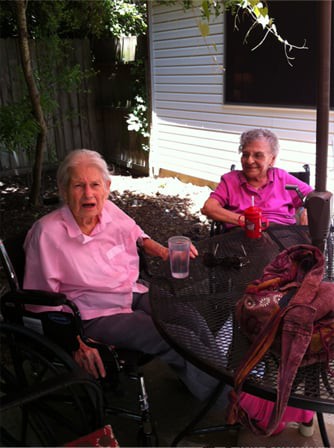
Cooper Cottage in Spring, TX is best suited for seniors who prize a warm, homelike atmosphere and highly attentive, hands-on caregiving. The available evidence points to a small, welcoming residence where residents likely enjoy close relationships with a dedicated team. With a five-star nod from a single reviewer, the narrative centers on a smooth, inviting environment, where staff are described as absolutely wonderful and Care Partners deliver consistently gentle, comprehensive care. For families seeking personal connection, low-key routines, and an intimate setting over a large campus experience, Cooper Cottage presents a compelling alignment.
Those considering alternatives would do well to compare this option to communities offering larger scale amenities, broader medical support, or more formalized memory care programs. If life requires robust on-site medical supervision, structured activity tracks across multiple levels of care, or a broader array of integrated services under one roof, a bigger community could be a better fit. Similarly, families hoping for highly specialized programs or explicit, documented approaches to cognitive care might want to evaluate other properties to ensure the full spectrum of needs is covered.
The core strengths here are clear and compelling. The setting is described as beautiful, and the staff are conveyed as genuinely exceptional, with Care Partners delivering “amazing care.” That combination of a welcoming environment and consistently responsive caregiving translates into tangible benefits: residents likely experience steady daily routines, dependable assistance with activities of daily living, and a sense of security that comes from knowing caregivers are closely attuned to individual needs. In a small home, this level of proximity can reduce confusion, minimize transitions, and foster a daily rhythm that feels predictable and safe.
On the other hand, the review provides no explicit notes about potential drawbacks, leaving the landscape of cons largely uncharted. That absence should prompt careful due diligence. Prospective families should verify the scope of medical oversight, including the availability of on-site nursing, medication management, and emergency response. It’s also prudent to confirm what is offered beyond core care, such as transportation for appointments, social and recreational activities, and the range of dining options, to ensure the experience aligns with long-term expectations. Without documented gaps, the best approach is to seek concrete specifics during a visit.
In weighing how the positives offset any unknowns, Cooper Cottage’s strongest leverage is the depth of human connection. A small, tightly knit setting often translates into more consistent caregiver assignments, quicker responsiveness, and a home-like pace that reduces the stress of daily living. For families where peace of mind hinges on being able to communicate directly with the same caregivers, where staff recognition of personal history matters, and where residents thrive on predictable routines, the pros greatly counterbalance typical limitations of a smaller operation. If medical fragility is a looming concern, this dynamic can still work well, provided a clear plan exists for integrated medical support and transfer to higher levels of care when necessary.
Bottom line: Cooper Cottage stands out for families prioritizing warmth, personalization, and a genuinely attentive care culture in a cozy, residential setting. It represents a strong contender for seniors who flourish in intimate environments where staff truly know the resident’s story and daily preferences. Those whose priorities include extensive on-site medical services, specialized memory care programming, or a broad spectrum of campus-wide amenities may want to explore alternatives and compare tours. A focused site visit will reveal whether the staff’s evident strengths align with the resident’s evolving needs and the family’s expectations.
 Board and Care Home
 Activities on-site
 Air-conditioning
 Bath tubs
 Cable or satellite TV
 Devotional services on-site
 Handicap accessible
 Indoor common areas
 Outdoor common areas
 Private
 Private bathrooms
 Respite or short term stays offered
 Wheelchair accessible showers
 Wi-Fi/high-speed internet available
 George Bush Intercontinental (11 miles away)
 Diabetic care
 High acuity care
 Incontinence care
 Medication management
 Kosher
 Art classes
 Bible study group
 Forever fit
 Jewish services
 Live musical performances
 Live well programs





 Comprehensive Exploration of Living Wills and Other Advance Directives
 A Detailed Exploration of Living Wills and Advance Directives
 Comprehensive Guide to Medicare Coverage for Hospice Care