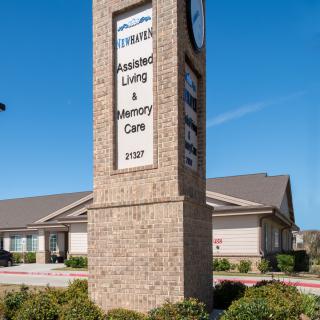
New Haven Assisted Living Of Spring

21331 Faivel Road, Spring, TX 77388

For more information about senior living options: (844) 490-3973

4.1 from 22 reviews
5 stars
16
4 stars
0
3 stars
2
2 stars
1
1 stars
3

Assisted Living

What level of care are you interested in?

Assisted Living

Memory Care

Independent Living

Skilled Nursing Facility

Continuing Care Retirement Community (CCRC)CCRC

Other


Request a tour at New Haven Assisted Living Of Spring

    Overall Review of New Haven Assisted Living Of Spring

    Pros

    • pro Brianna and the New Haven staff are described as amazing, responsive, and compassionate, going above and beyond for residents with strong communication and seamless transitions.
    • pro The facility is described as outstanding, with friendly staff and well-maintained premises that provide a clean home for residents.
    • pro The staff are wonderful and caring, with multiple accounts of going above and beyond for loved ones.
    • pro The atmosphere is welcoming and feels like a big family, with the staff described as incredible and the care consistently positive.
    • pro The place is warm, with staff who are amazing and always on top of things.
    • pro The staff are noted as the most valuable asset, developing caring relationships and showing deep concern for residents' well-being.

    Cons

    • pro The facility did not inform the family after a resident shoved the mother.
    • pro The final shove sent the mother to the ER with her front teeth knocked out and severe facial bruising.
    • pro The facility refused to provide video footage or admit that the mother was shoved.
    • pro There was frequent leadership turnover, with three directors in under two years.
    • pro The eviction notice was delivered by email with no personal phone call, which felt unprofessional.
    • pro Staffing was poor and communication ineffective, including unanswered calls and disorganized medication management that caused delays.

    Review

    New Haven Memory Care emerges in these accounts as a place of real warmth and personal attention for some families, but also as a setting where safety concerns, management turmoil, and inconsistent communication have left others worried. The venue is described by many as a smaller, homey environment with staff who greet visiting family members, seem genuinely caring, and provide a sense of personal connection. For some residents and their families, the staff's accessibility and the facility's atmosphere are clear positives: "Brianna and the staff? have been amazing and easy to work with," with references to responsive, compassionate care and transitions into the facility that feel seamless. Several reviews praise Brianna and her team for staying on top of needs, guiding families through transitions into assisted living, and maintaining open lines of communication. In these voices, New Haven feels like a supportive, well-kept place where the people there work hard to make residents comfortable, and where a welcoming atmosphere - "the warmth," "feels like a big family" - is often cited as a core strength.

    Yet beneath that warmth lurk serious, recurring concerns about safety, transparency, and reliability. One family's experience centers on a troubling pattern in memory care: a resident repeatedly shoved another resident (the reviewer's mother), with cameras present in the hallways yet no one from the facility calling the family about what happened. The situation escalated when the same resident delivered a shove that sent the reviewer's mother to the ER, with severe facial injuries and front teeth damaged. The care team offered a subsequent call through the care coordinator, and an EMT confirmed the shove, but the facility has not produced video footage from the incident nor acknowledged that the pushing occurred, leaving the family feeling that information and accountability were missing. The reviewer describes the incident as indicative of a broader lack of safety and trust, concluding that the environment does not feel safe or trustworthy for their loved one.

    The concerns don't stop with a single incident. The same family notes that around the time of these events, leadership changes occurred, and they perceived a pattern of evictions, abrupt notices, and delayed refunds that further undermined confidence. They describe an eviction notice delivered by email with only 30 days' notice and no personal outreach, followed by a refund demand that required the family to quote the contract to get what was owed. This account emphasizes a sense that changes in management contributed to inconsistent communication and a perceived lack of regard for residents and families during transitions.

    Despite these troubling memories, other reviewers recount a very different experience. They highlight a track record of friendly, attentive staff, and a facility that feels well maintained and welcoming. Several reviews praise the facility as "outstanding," praising the atmosphere that feels like a big family and commending staff for staying on top of things. The most frequent positive thread is the impact of Brianna and the teams she leads: calls returned, transitions handled smoothly, and families offered reassurance that their loved ones would be cared for with dignity and compassion. Some reviewers even refer to New Haven as a place they trust to recommend to clients - implying that the positive experiences are not isolated but part of an ongoing pattern for certain families.

    In another set of testimonials, families acknowledge real, serious concerns. They describe difficulties with phone communication - "Nobody picks up the phone," and long delays in answering calls about a grandmother's well-being. They criticize staffing levels as insufficient to monitor rooms with multiple residents, and they recount medication delays and procedural disorganization around directives from doctors. There are also worries about sanitation and infection control: a reviewer asserts that improper bathing and sanitation contributed to a serious, spreading skin infection for their grandmother, describing a shared couch as a potential vector for disease. These voices stress the practical consequences of staffing shortages, disorganization, and lapses in infection control, urging prospective families to consider these risks and to seek prompt, direct communication from the facility.

    Against the backdrop of concerns, some residents' families report positive long-term outcomes. One account recounts a family member who lived at New Haven for two years before passing away, noting that the smaller size of the facility allowed for personal care and meaningful attention. They point to the new administration's involvement as a turning point - families felt heard and assured that staff and management would respond to concerns. In this narrative, the improvement in engagement and responsiveness provided a sense of peace for distant relatives relying on the facility to care for their loved one. The contrasting threads within these reviews suggest that New Haven Memory Care can be a genuinely caring environment under the right conditions, but that experiences vary significantly depending on leadership stability, staffing levels, and how transparently concerns are addressed.

    Taken together, the collection of reviews paints a multifaceted portrait. For some families, New Haven offers warmth, strong communication, and deeply caring staff who help families navigate transitions and feel confident in the care their loved ones receive. For others, serious safety and administrative concerns - ranging from unreported aggressive incidents and withheld footage to eviction processes, frequent director turnover, delayed medications, and sanitation-related infections - underscore a need for improved accountability, consistency, and transparency. The most consistent thread across the writings is the power of individual staff members - especially Brianna and her colleagues - to shape experiences for better or worse, depending on how well the facility supports, communicates with, and safeguards its residents and their families.

    Features

    Housing

    • 16 resident community capacity 16 resident community capacity

    Types of Care

    • Assisted Living Assisted LivingAssisted living facilities provide crucial support and care for seniors who may need help with daily tasks such as medication management, bathing, and meal preparation. These communities offer a safe and comfortable environment where seniors can maintain their independence while receiving the assistance they need to thrive in their golden years.

    Amenities

    • Cable or satellite TV Cable or satellite TVCable or satellite TV is important for seniors because it provides entertainment, news, and companionship, helping to combat loneliness and boredom. It also offers a wide range of programming options tailored to different interests and preferences.
    • Dining room Dining roomDining rooms are important for seniors as they provide a space for socialization, connection, and nutritious meals. They offer opportunities for residents to bond over shared meals, foster a sense of community, and promote healthy eating habits. Dining rooms also ensure that seniors have access to well-balanced meals tailored to their dietary needs and preferences.
    • Fully furnished Fully furnishedFully furnished senior living communities are important for seniors because they provide convenience, comfort, and a hassle-free moving experience. Seniors can easily settle into their new living space without the stress of having to buy and move furniture. This allows them to focus on enjoying their new home and community.
    • Garden GardenGardens are important for seniors as they provide a peaceful and therapeutic environment for relaxation, physical activity, and socialization. Being in nature has been shown to reduce stress, improve mood, and promote overall well-being. Gardens also offer opportunities for seniors to engage in gardening activities, which can improve mobility, flexibility, and cognitive function. Additionally, gardens create a sense of community and connection with others who share a passion for plants and outdoor spaces.
    • Housekeeping services Housekeeping servicesHousekeeping services are important for seniors because they help maintain a clean and safe living environment, promote independence, and reduce the risk of accidents or illnesses. Additionally, having assistance with household chores can alleviate physical strain and allow seniors to focus on other aspects of their well-being.
    • Move-in coordination Move-in coordinationMove-in coordination is important for seniors because it helps ease the transition into their new living environment. It ensures that all logistics, such as packing, organizing movers, and setting up utilities are taken care of, allowing seniors to focus on settling in and adjusting to their new home. Having a smooth move-in process can alleviate stress and anxiety, making the transition smoother and more enjoyable for seniors.
    • Outdoor space Outdoor spaceOutdoor spaces are important for seniors as they provide opportunities for physical activity, social interaction, exposure to natural light and fresh air, and a sense of connection to nature. Having access to outdoor spaces can improve overall well-being and quality of life for older adults living in senior communities.
    • Telephone TelephoneTelephones are important for seniors as they provide a lifeline for communication with loved ones, emergency services, and healthcare providers. They offer a sense of security and independence, enabling seniors to stay connected and access assistance when needed.
    • Wi-Fi/high-speed internet available Wi-Fi/high-speed internet availableWi-Fi/high-speed internet is important for seniors to stay connected with loved ones, access online resources, and participate in virtual activities to combat feelings of loneliness and isolation. It also allows them to easily manage healthcare needs, access entertainment, and engage in lifelong learning opportunities.

    Transportation

    • George Bush Intercontinental (10 miles away) George Bush Intercontinental (10 miles away)

    Care Services

    • 24-hour supervision 24-hour supervision24-hour supervision is important for seniors to ensure their safety, well-being, and access to immediate assistance in case of emergencies or health issues. This constant support provides peace of mind for both seniors and their loved ones, allowing them to age in place with dignity and security.
    • Activities of daily living assistance Activities of daily living assistanceActivities of daily living assistance are important for seniors because they provide essential support with tasks such as eating, bathing, dressing, and mobility. This assistance helps seniors maintain their independence, dignity, and overall quality of life as they age.
    • Assistance with bathing Assistance with bathingAssistance with bathing is crucial for seniors as it helps maintain personal hygiene, prevents infections, and ensures their overall well-being and comfort. It also provides a sense of dignity and independence for seniors who may struggle with this task on their own.
    • Assistance with dressing Assistance with dressingAssistance with dressing is important for seniors because it helps maintain their independence, promotes personal hygiene, prevents accidents and injuries, and improves overall quality of life. This service ensures that seniors can continue to dress comfortably and confidently, despite any physical limitations they may have.
    • Assistance with transfers Assistance with transfersAssistance with transfers is crucial for seniors as it helps prevent falls and injuries, maintains their independence, and ensures they can safely navigate their living environment. It also provides peace of mind for both seniors and their loved ones.
    • Coordination with health care providers Coordination with health care providersCoordination with health care providers is crucial for seniors to ensure proper medical care, medication management, and overall well-being. This collaboration helps prevent overlapping treatments, track progress more effectively, and provide comprehensive support tailored to individual needs.
    • Diabetes diet Diabetes dietA diabetes diet is crucial for seniors as it helps manage blood sugar levels, reduce risks of complications, and improve overall health and well-being. By following a balanced and nutritious diet tailored to their specific needs, seniors can better control their diabetes and enhance their quality of life.
    • Meal preparation and service Meal preparation and serviceMeal preparation and service are crucial for seniors as they may have limited mobility or energy to cook nutritious meals. Having access to healthy and convenient food options can ensure they are getting the proper nutrition needed to maintain their overall health and well-being.
    • Medication management Medication managementMedication management is crucial for seniors to ensure they are taking the right medications at the correct dosages and times. This helps prevent adverse drug interactions, reduces the risk of medication errors, and promotes overall health and well-being. Proactive management also allows for adjustments as needed based on changing health conditions or new prescriptions.
    • Special dietary restrictions Special dietary restrictionsSpecial dietary restrictions are important for seniors because age-related changes in metabolism and health conditions can make it difficult for their bodies to process certain foods. By following a diet tailored to their specific needs, seniors can maintain their overall health and well-being, manage chronic conditions, and reduce the risk of complications such as malnutrition or food interactions with medications.
    • Transportation arrangement (medical) Transportation arrangement (medical)Transportation arrangements for medical purposes are essential for seniors as they may have difficulty driving themselves to appointments or accessing public transportation. Having reliable and safe transportation options ensures that seniors can receive timely medical care and maintain their health and well-being.
    • Transportation to doctors appointments Transportation to doctors appointmentsTransportation to doctors' appointments is crucial for seniors as it ensures they have access to necessary medical care and support for their health needs. Without reliable transportation, seniors may struggle to attend important appointments, leading to potential delays in treatment and health complications. Providing transportation services helps seniors maintain their overall well-being and quality of life.
    Dining

    • Diabetes diet Diabetes dietA diabetes diet is crucial for seniors as it helps manage blood sugar levels, reduce risks of complications, and improve overall health and well-being. By following a balanced and nutritious diet tailored to their specific needs, seniors can better control their diabetes and enhance their quality of life.
    • Special dietary restrictions Special dietary restrictionsSpecial dietary restrictions are important for seniors because age-related changes in metabolism and health conditions can make it difficult for their bodies to process certain foods. By following a diet tailored to their specific needs, seniors can maintain their overall health and well-being, manage chronic conditions, and reduce the risk of complications such as malnutrition or food interactions with medications.

    Activities

    • Community-sponsored activities Community-sponsored activitiesCommunity-sponsored activities are important for seniors as they provide opportunities for social interaction, mental stimulation, and physical activity. These activities can help improve overall well-being, combat loneliness and isolation, and promote a sense of belonging and purpose among older adults.
    • Scheduled daily activities Scheduled daily activitiesScheduled daily activities are important for seniors because they provide structure, socialization, mental stimulation, and physical activity. Engaging in regular activities can improve overall well-being and quality of life for seniors living in a community setting.

    Description

    New Haven Assisted Living Of Spring is the ideal senior living community located in Spring, Texas. Our community offers a range of amenities and care services to ensure that our residents live a comfortable and enjoyable lifestyle.

    Our dining room provides delicious meals that are specially prepared to accommodate any dietary restrictions our residents may have. The fully furnished apartments provide a cozy and homely atmosphere for our residents to relax and feel at home. We also offer housekeeping services to keep their living spaces clean and tidy.

    For those who love nature, our community boasts a beautiful garden where residents can spend their time outdoors surrounded by nature. In addition, we provide outdoor space where residents can sit back, relax, and enjoy the fresh air.

    We understand the importance of staying connected in today's digital age; therefore, we offer telephone service and Wi-Fi/high-speed internet connectivity so that residents can easily keep in touch with their loved ones.

    Our highly trained staff are available to assist with activities of daily living such as bathing, dressing, and transfers. We also coordinate with healthcare providers to ensure that our residents receive the necessary medical attention they require. For those with specific dietary needs or restrictions, we provide special diabetic diets and meal preparation services.

    Transportation is not an issue as we arrange transportation for medical appointments and provide convenient access to nearby amenities such as cafes, parks, pharmacies, restaurants, physicians' offices, hospitals.

    At New Haven Assisted Living Of Spring, we believe that staying active is essential for overall well-being; therefore, we offer scheduled daily activities to keep our residents engaged and entertained.

    Come experience exceptional senior living at New Haven Assisted Living Of Spring - a place where comfort, convenience, and companionship come together.

    Nearby Places of Interest

    Pharmacies

    • CVS Pharmacy (0.1 miles)
    • Walgreens (1.7 miles)
    • Walgreens (1.8 miles)
    • Walgreens (2.2 miles)
    • CVS Pharmacy (2.3 miles)
    • Walgreens (3 miles)
    • CVS Pharmacy (3 miles)

    Restaurants

    • Chick-Fil-A (1.9 miles)
    • Star Cinema Grill (2.7 miles)
    • Walk-On's Sports Bistreaux - Spring Restaurant (2.9 miles)
    • Gringo's Mexican Kitchen (3.3 miles)
    • Chick-Fil-A (4 miles)
    • McDonald's (4.4 miles)
    • Chick-Fil-A (4.4 miles)

    Physicians

    • Sterling Ridge Orthopaedics & Sports Medicine (2.1 miles)
    • Spring Dermatology (2.5 miles)
    • Allergy, Asthma and Immunology Care Center (4.3 miles)
    • Advanced Cardiovascular Care Center (4.4 miles)
    • Woodlands Sports Medicine Centre PA (5.8 miles)
    • Texas Children's Pediatrics Rayford (6 miles)
    • Memorial Hermann Medical Group Benders Landing (6.6 miles)

    Parks

    • Oakwood Glen Park and Jogging Track (3.9 miles)
    • Ponderosa Park (4 miles)
    • MapleWood Park (4.6 miles)
    • Tupelo Park, Creekside Village (6 miles)
    • Waterway Square (6.1 miles)
    • Mercer Arboretum and Botanic Gardens (6.2 miles)
    • Northshore Park (6.6 miles)

    Cafes

    • Third Gen Coffee (3.9 miles)
    • Starbucks (4 miles)
    • Starbucks (4.4 miles)
    • Starbucks (5.4 miles)
    • Starbucks (6 miles)
    • Starbucks (6.7 miles)
    • Black Walnut Cafe Wood (7.3 miles)

    Hospitals

    • Houston Northwest Medical Center (4.2 miles)
    • Memorial Hermann Healthcare System (7.2 miles)

    Transportation

    • Union Pacific Railroad Co. (4.9 miles)
    • Hertz Rent A Car (5.1 miles)

    Theaters

    • Tinseltown (6.2 miles)
    • Cinepolis Woodlands (6.7 miles)

    Places of Worship

    • The Woodlands United Methodist Church (6.6 miles)
    • John Wesley United Methodist Church (6.6 miles)

    Frequently Asked Questions

    Where is New Haven Assisted Living Of Spring?

    Nearby Communities

    Related Resources

    • when to move from assisted living to memory careWhen to Transition from Assisted Living to Memory Care: Key Indicators, Steps, and Finding the Right Community

      Transitioning from assisted living to memory care is driven by an individual's cognitive decline and specific needs, requiring careful evaluation of indicators like increased confusion and wandering. The process involves consulting medical professionals, researching suitable communities, considering financial and legal aspects, and ensuring effective communication for personalized care plans.

    • assisted living vs memory careAssisted Living and Memory Care: Understanding Their Core Differences

      Assisted living provides moderate support for seniors seeking independence, while memory care offers specialized support for individuals with dementia or cognitive impairments through structured routines and trained staff. Key differences include care approaches, environment security measures, staff training levels, activity types, and cost considerations.

    • assisted living activitiesBeyond the Bingo Hall: 50+ Enriching Activities for Seniors in Assisted Living

      Assisted living communities offer diverse activities beyond traditional games to enhance seniors' physical health, cognitive well-being, emotional enrichment, and social connections, including fitness classes, creative expression, and intergenerational interactions. These enriching programs foster community bonds and support residents' independence and happiness.


    Get Pricing Ask A Question Schedule A Tour Contact Senior Advisor