Mercy Elderly Assisted Living in Spring, TX

19003 Mirror Lake Drive, Spring, TX 77388

For more information about senior living options: (844) 490-3973

4.6 from 20 reviews
5 stars
15
4 stars
3
3 stars
1
2 stars
0
1 stars
1

Assisted Living Board and Care Home Memory Care

Mercy Elderly Assisted Living Costs & Pricing

Mercy Elderly Assisted Living offers competitive pricing for its services, particularly when compared to the broader market in Harris County and across Texas. For a semi-private room, residents can expect to pay $3,000 per month, which is notably lower than the county average of $3,518 and the state average of $3,680. Similarly, their one-bedroom accommodations are priced at $3,400 - accessible compared to both the county's $4,027 and Texas's average of $3,761. Private rooms at Mercy also maintain a favorable rate of $3,400 against the higher costs seen in Harris County and across Texas, where prices reach $3,784 and $4,096 respectively. Overall, Mercy Elderly Assisted Living provides an appealing value for those seeking assisted living options without compromising on quality care.

Floor plansMercy Elderly Assisted LivingHarris CountyTexas
Semi-Private$3,000$3,518$3,680
1 Bedroom$3,400$4,027$3,761
Private$3,400$3,784$4,096

What level of care are you interested in?

Assisted Living

Memory Care

Independent Living

Skilled Nursing Facility

Continuing Care Retirement Community (CCRC)CCRC

Other


Request a tour at Mercy Elderly Assisted Living

    Overall Review of Mercy Elderly Assisted Living

    Pros

    • pro The atmosphere at Mercy Elderly Assisted Living is warm and compassionate.
    • pro Residents find not just a place to live but a place to thrive.
    • pro Ms. Mercy is a beacon of kindness and understanding.
    • pro The staff view their roles as a calling to make a genuine difference in residents' lives.
    • pro The level of care is unparalleled, with residents treated with dignity and respect.
    • pro The facility feels like home and is consistently clean, welcoming, and well maintained.
    • pro The owner is hands-on, caring, and devoted to both staff and residents.
    • pro The care is personalized and attentive, with the same caring team supporting residents.
    • pro Families experience immense peace of mind knowing their loved ones are safe, well cared for, and nourished.

    Cons

    • pro There were times when communication with the staff was problematic due to language differences.
    • pro The aides spoke with very thick accents, making it hard for the mom to understand them.
    • pro The care was good, but the resident did not have anyone to socialize with.
    • pro They did not feel the community was the right fit for their in-laws' needs.
    • pro They could not be happy with the care their loved one was receiving.
    • pro The experience can be emotionally exhausting.

    Review

    Mercy Elderly Assisted Living in Spring, Texas, is best suited for families seeking an intimate, high-touch care environment where a small team truly knows residents by name and care plans are enacted with steady hands. It shines for seniors who need continuous, personalized oversight - especially those dealing with memory loss, dementia, or complex health conditions - yet do not require a hospital-scale campus. The setting feels like a home, not a clinic, anchored by a hands-on owner who remains deeply involved in daily operations. The combination of genuine warmth, predictable routines, and a culture of care delivers real peace of mind for families who value safety, dignity, and meaningful daily connection over breadth of services.

    Those evaluating Mercy should also consider who may want alternatives. Large campuses with abundant activities, social events, and a broader staff may better suit residents who crave a busier social life. If multilingual communication is essential, the small operation's language dynamics could pose a friction point for some families. For loved ones needing high-acuity medical programming, frequent on-site nursing, or specialized memory-care protocols offered at larger facilities, Mercy's smaller scale may feel limiting. In short, Mercy excels where personal attention and a domestic, homelike atmosphere trump sheer size or calendar fullness.

    The strongest pros center on intimate, person-centered care. Residents benefit from consistent caregivers - the same faces over time - who know histories, preferences, and triggers, allowing care plans to be followed with uncommon fidelity. The owner's visible involvement reinforces a culture of accountability and compassion, while meals and daily routines reinforce dignity and comfort. Safety and comfort are prioritized, with steady monitoring of health needs and prompt response to discomfort. These strengths help offset the limitations inherent in a small house: fewer peers to socialize with and potential language gaps. In practice, the result is steadier moods, better adherence to treatment, and deeper trust between families and care staff.

    Another recurring strength is the home-like atmosphere paired with clean, welcoming surroundings. The stability of staff and the continuity of care create a sense of belonging that is hard to achieve in larger communities. Families repeatedly note the owner's hands-on leadership and the facility's warmth - traits that translate into attentive, individualized care rather than generic routines. The environment feels safe and nurturing, with staff who take time to address each resident's unique needs. While language differences are acknowledged in some reviews, the overarching message remains clear: Mercy delivers compassionate, attentive care that centers the person rather than the procedure, and that focus matters deeply for residents with complex histories and needs.

    From a practical decision standpoint, Mercy offers compelling value for families prioritizing trust, continuity, and a sense of belonging over campus size. The small scale fosters belonging and minimizes confusion for memory-impaired residents, while steady leadership and consistent staffing provide reliability that larger facilities often struggle to match. The homey setting, combined with individualized attention around nutrition and daily care, can translate into noticeable improvements in well-being and peace of mind for families. The potential downsides - limited social opportunities and possible language barriers - are real but manageable with clear expectations and proactive communication. For the right match, the pros far outweigh the cons.

    Guidance for families moving Mercy into the decision set is straightforward. Schedule a tour and observe how staff interact with residents, paying attention to how care plans are communicated and followed. Inquire about language coverage and how daily activities are designed for a small house with a selective resident pool. Confirm that the available nursing oversight can support any ongoing medical needs and discuss how memory-care approaches are implemented in practice. Ask about social opportunities within the home and how peer interaction is fostered given the facility's size. If a loved one thrives on routine, personalized attention, and a genuinely caring, family-style atmosphere, Mercy Elderly Assisted Living stands out as a thoughtful, practical choice in Spring. It is less suited for those seeking a bustling campus or a facility with expansive multilingual medical teams, but for the right resident, it delivers lasting reassurance and quality of life.

    Features

    Housing

    • 9 resident community capacity 9 resident community capacity

    Types of Care

    • Assisted Living Assisted LivingAssisted living facilities provide crucial support and care for seniors who may need help with daily tasks such as medication management, bathing, and meal preparation. These communities offer a safe and comfortable environment where seniors can maintain their independence while receiving the assistance they need to thrive in their golden years.
    • Board and Care Home Board and Care HomeBoard and care homes provide a smaller, more intimate setting for seniors who require assistance with daily tasks but do not need the level of care offered by a nursing home. They offer personalized care, meals, and social activities in a homelike environment, ensuring that seniors receive individualized attention and support in their golden years.
    • Memory Care Memory CareMemory care is crucial for seniors as it provides specialized support and services for individuals with dementia or Alzheimer's disease. These programs offer a safe and secure environment where residents receive personalized care, cognitive stimulation, and help with daily activities. Memory care helps seniors maintain their independence, quality of life, and dignity while also providing peace of mind for their families.

    Amenities

    • Activities on-site Activities on-siteActivities on-site are important for seniors because they provide opportunities for socialization, mental stimulation, physical activity, and overall well-being. Engaging in activities can help seniors stay active, maintain their independence, and improve their quality of life.
    • Air-conditioning Air-conditioningAir conditioning is important for seniors as they are more vulnerable to heat-related illnesses and may have underlying health conditions that make it difficult for them to regulate their body temperature. It helps to keep them comfortable, safe, and healthy in hot weather.
    • Bath tubs Bath tubsBath tubs are important for seniors because they provide a safe and relaxing way to bathe, helping to prevent slips and falls while promoting independence and overall well-being.
    • Cable or satellite TV Cable or satellite TVCable or satellite TV is important for seniors because it provides entertainment, news, and companionship, helping to combat loneliness and boredom. It also offers a wide range of programming options tailored to different interests and preferences.
    • Devotional services on-site Devotional services on-siteDevotional services on-site provide seniors with spiritual support and a sense of community, as well as an opportunity for reflection and guidance during their senior living experience. This can promote emotional well-being and connection to others, leading to a more fulfilling and enriching lifestyle in their later years.
    • Dining room Dining roomDining rooms are important for seniors as they provide a space for socialization, connection, and nutritious meals. They offer opportunities for residents to bond over shared meals, foster a sense of community, and promote healthy eating habits. Dining rooms also ensure that seniors have access to well-balanced meals tailored to their dietary needs and preferences.
    • Full kitchen Full kitchenHaving a full kitchen in a senior living facility is important for seniors because it allows them to maintain their independence and prepare their own meals. This promotes healthy eating habits, saves money on dining out, and provides a sense of familiarity and comfort for residents.
    • Fully furnished Fully furnishedFully furnished senior living communities are important for seniors because they provide convenience, comfort, and a hassle-free moving experience. Seniors can easily settle into their new living space without the stress of having to buy and move furniture. This allows them to focus on enjoying their new home and community.
    • Garden GardenGardens are important for seniors as they provide a peaceful and therapeutic environment for relaxation, physical activity, and socialization. Being in nature has been shown to reduce stress, improve mood, and promote overall well-being. Gardens also offer opportunities for seniors to engage in gardening activities, which can improve mobility, flexibility, and cognitive function. Additionally, gardens create a sense of community and connection with others who share a passion for plants and outdoor spaces.
    • Housekeeping services Housekeeping servicesHousekeeping services are important for seniors because they help maintain a clean and safe living environment, promote independence, and reduce the risk of accidents or illnesses. Additionally, having assistance with household chores can alleviate physical strain and allow seniors to focus on other aspects of their well-being.
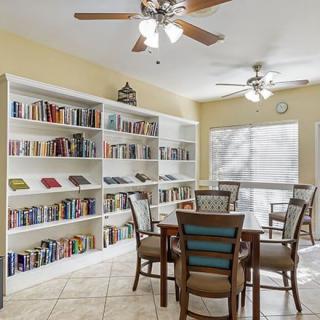
    • Indoor common areas Indoor common areasIndoor common areas are crucial for seniors as they provide a space for socialization, recreation, and community engagement, promoting overall well-being and reducing feelings of isolation and loneliness.
    • Move-in coordination Move-in coordinationMove-in coordination is important for seniors because it helps ease the transition into their new living environment. It ensures that all logistics, such as packing, organizing movers, and setting up utilities are taken care of, allowing seniors to focus on settling in and adjusting to their new home. Having a smooth move-in process can alleviate stress and anxiety, making the transition smoother and more enjoyable for seniors.
    • Outdoor common areas Outdoor common areasOutdoor common areas are important for seniors as they provide a space for socialization, physical activity, and relaxation. Being outside in nature can improve mood and overall well-being, while also encouraging movement and engagement with others. These spaces can help combat feelings of isolation and promote a sense of community among residents.
    • Outdoor space Outdoor spaceOutdoor spaces are important for seniors as they provide opportunities for physical activity, social interaction, exposure to natural light and fresh air, and a sense of connection to nature. Having access to outdoor spaces can improve overall well-being and quality of life for older adults living in senior communities.
    • Private PrivatePrivacy is important for seniors as it allows them to maintain their independence, dignity, and sense of control over their own lives. It also gives them the space and freedom to relax, reflect, and engage in activities that bring them joy and fulfillment. Creating private spaces within senior living facilities is crucial for promoting overall well-being and quality of life.
    • Private bathrooms Private bathroomsPrivate bathrooms are important for seniors in senior living communities because they provide independence, dignity, and comfort. Having a private bathroom allows seniors to maintain their personal hygiene routines without the need for assistance, promoting a sense of autonomy and privacy. Additionally, private bathrooms help prevent the spread of infections and provide a safe and clean environment for seniors to navigate safely.
    • Respite or short term stays offered Respite or short term stays offeredRespite or short term stays provide seniors with a temporary solution when their regular caregiver is unavailable, offering them the opportunity to receive additional care and support during times of need, while also giving caregivers a chance to rest and recharge.
    • Swimming pool / hot tub Swimming pool / hot tubSwimming pools and hot tubs are important for seniors as they provide a safe and enjoyable way to stay active, improve mobility, reduce joint pain, and promote relaxation. Regular use of these amenities can contribute to overall well-being and quality of life for older adults living in senior communities.
    • Telephone TelephoneTelephones are important for seniors as they provide a lifeline for communication with loved ones, emergency services, and healthcare providers. They offer a sense of security and independence, enabling seniors to stay connected and access assistance when needed.
    • Wheelchair accessible showers Wheelchair accessible showersWheelchair accessible showers are crucial for seniors as they provide a safe and independent bathing option for those with mobility challenges. These showers help prevent falls and allow seniors to maintain their dignity and autonomy while ensuring they can bathe comfortably.
    • Wi-Fi/high-speed internet available Wi-Fi/high-speed internet availableWi-Fi/high-speed internet is important for seniors to stay connected with loved ones, access online resources, and participate in virtual activities to combat feelings of loneliness and isolation. It also allows them to easily manage healthcare needs, access entertainment, and engage in lifelong learning opportunities.

    Transportation

    • George Bush Intercontinental (8 miles away) George Bush Intercontinental (8 miles away)

    Care Services

    • 24-hour supervision 24-hour supervision24-hour supervision is important for seniors to ensure their safety, well-being, and access to immediate assistance in case of emergencies or health issues. This constant support provides peace of mind for both seniors and their loved ones, allowing them to age in place with dignity and security.
    • Activities of daily living assistance Activities of daily living assistanceActivities of daily living assistance are important for seniors because they provide essential support with tasks such as eating, bathing, dressing, and mobility. This assistance helps seniors maintain their independence, dignity, and overall quality of life as they age.
    • Assistance with bathing Assistance with bathingAssistance with bathing is crucial for seniors as it helps maintain personal hygiene, prevents infections, and ensures their overall well-being and comfort. It also provides a sense of dignity and independence for seniors who may struggle with this task on their own.
    • Assistance with dressing Assistance with dressingAssistance with dressing is important for seniors because it helps maintain their independence, promotes personal hygiene, prevents accidents and injuries, and improves overall quality of life. This service ensures that seniors can continue to dress comfortably and confidently, despite any physical limitations they may have.
    • Assistance with transfers Assistance with transfersAssistance with transfers is crucial for seniors as it helps prevent falls and injuries, maintains their independence, and ensures they can safely navigate their living environment. It also provides peace of mind for both seniors and their loved ones.
    • Coordination with health care providers Coordination with health care providersCoordination with health care providers is crucial for seniors to ensure proper medical care, medication management, and overall well-being. This collaboration helps prevent overlapping treatments, track progress more effectively, and provide comprehensive support tailored to individual needs.
    • Diabetes diet Diabetes dietA diabetes diet is crucial for seniors as it helps manage blood sugar levels, reduce risks of complications, and improve overall health and well-being. By following a balanced and nutritious diet tailored to their specific needs, seniors can better control their diabetes and enhance their quality of life.
    • Diabetic care Diabetic careDiabetic care is crucial for seniors as they are more susceptible to developing diabetes due to aging and other health conditions. Proper management of diabetes can help prevent complications such as heart disease, vision loss, and nerve damage, improving the overall quality of life for seniors in senior living communities.
    • High acuity care High acuity careHigh acuity care is important for seniors because it provides specialized medical attention and support for individuals with complex medical needs. This level of care ensures that seniors receive the appropriate treatment and assistance to maintain their health and quality of life as they age.
    • Incontinence care Incontinence careIncontinence care is essential for seniors to maintain their dignity, hygiene, and overall quality of life. By addressing incontinence issues promptly and effectively, seniors can enjoy a sense of independence and comfort in their daily activities.
    • Meal preparation and service Meal preparation and serviceMeal preparation and service are crucial for seniors as they may have limited mobility or energy to cook nutritious meals. Having access to healthy and convenient food options can ensure they are getting the proper nutrition needed to maintain their overall health and well-being.
    • Medication management Medication managementMedication management is crucial for seniors to ensure they are taking the right medications at the correct dosages and times. This helps prevent adverse drug interactions, reduces the risk of medication errors, and promotes overall health and well-being. Proactive management also allows for adjustments as needed based on changing health conditions or new prescriptions.
    • Special dietary restrictions Special dietary restrictionsSpecial dietary restrictions are important for seniors because age-related changes in metabolism and health conditions can make it difficult for their bodies to process certain foods. By following a diet tailored to their specific needs, seniors can maintain their overall health and well-being, manage chronic conditions, and reduce the risk of complications such as malnutrition or food interactions with medications.
    • Transportation arrangement (medical) Transportation arrangement (medical)Transportation arrangements for medical purposes are essential for seniors as they may have difficulty driving themselves to appointments or accessing public transportation. Having reliable and safe transportation options ensures that seniors can receive timely medical care and maintain their health and well-being.
    • Transportation to doctors appointments Transportation to doctors appointmentsTransportation to doctors' appointments is crucial for seniors as it ensures they have access to necessary medical care and support for their health needs. Without reliable transportation, seniors may struggle to attend important appointments, leading to potential delays in treatment and health complications. Providing transportation services helps seniors maintain their overall well-being and quality of life.

    Dining

    • Diabetes diet Diabetes dietA diabetes diet is crucial for seniors as it helps manage blood sugar levels, reduce risks of complications, and improve overall health and well-being. By following a balanced and nutritious diet tailored to their specific needs, seniors can better control their diabetes and enhance their quality of life.
    • Low / no sodium Low / no sodiumLow/no sodium options are important for seniors because excessive sodium intake can lead to high blood pressure, heart disease, and other health issues commonly experienced by older adults. By choosing low/no sodium foods, seniors can better manage their health and reduce their risk of developing these conditions.
    • Meals provided Meals provided"Meals provided" are crucial for seniors in assisted living communities as it ensures they have access to nutritious, balanced meals without the stress of meal planning and preparation. This can help promote overall health and well-being for seniors who may have limited mobility or cognitive abilities.
    • No Sugar No SugarNo sugar diets are important for seniors because they can help prevent or manage chronic conditions such as diabetes, heart disease, and obesity. Sugar can also contribute to cognitive decline and inflammation in the body, so reducing sugar intake can lead to overall improved health and well-being in older adults.
    • Room service Room serviceRoom service is important for seniors in a senior living community because it provides convenience and allows them to have their meals delivered directly to their room. This can be especially beneficial for seniors who may have mobility issues or difficulty accessing the dining area. Room service ensures that seniors are able to receive nutritious meals without having to navigate through the facility, allowing them to maintain their independence and overall well-being.
    • Special dietary restrictions Special dietary restrictionsSpecial dietary restrictions are important for seniors because age-related changes in metabolism and health conditions can make it difficult for their bodies to process certain foods. By following a diet tailored to their specific needs, seniors can maintain their overall health and well-being, manage chronic conditions, and reduce the risk of complications such as malnutrition or food interactions with medications.

    Activities

    • Activities on-site Activities on-siteActivities on-site are important for seniors because they provide opportunities for socialization, mental stimulation, physical activity, and overall well-being. Engaging in activities can help seniors stay active, maintain their independence, and improve their quality of life.
    • Community-sponsored activities Community-sponsored activitiesCommunity-sponsored activities are important for seniors as they provide opportunities for social interaction, mental stimulation, and physical activity. These activities can help improve overall well-being, combat loneliness and isolation, and promote a sense of belonging and purpose among older adults.
    • Devotional activities on-site Devotional activities on-siteDevotional activities on-site provide seniors with a sense of community, spiritual fulfillment, and emotional support, promoting overall well-being and a positive sense of purpose in their lives.
    • Scheduled daily activities Scheduled daily activitiesScheduled daily activities are important for seniors because they provide structure, socialization, mental stimulation, and physical activity. Engaging in regular activities can improve overall well-being and quality of life for seniors living in a community setting.
    • Visiting chaplain or priest Visiting chaplain or priestHaving a visiting chaplain or priest at a senior living community is important for seniors because it provides spiritual support, comfort, and guidance during a time of life that can be challenging and uncertain. Their presence can help seniors feel connected to their faith, find peace of mind, and cope with the emotional and mental struggles they may face in their later years.

    Description

    Mercy Elderly Assisted Living in Spring, TX is committed to providing exceptional care and support to senior residents in a comfortable and inviting environment. Our community offers two types of care - board and care home and memory care - tailored to meet the varying needs of our residents.

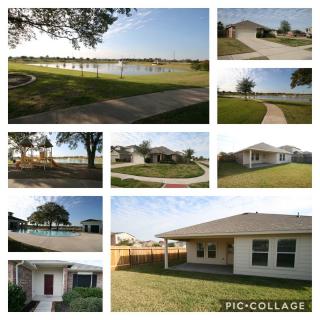
    Our amenities are designed to ensure the utmost comfort and convenience for our residents. Each living space is equipped with air-conditioning, private bathrooms, cable or satellite TV, and high-speed internet access. Our fully furnished accommodations also feature full kitchens, allowing residents to maintain their independence by preparing meals if desired. The well-maintained garden and outdoor common areas provide opportunities for fresh air, relaxation, and socialization.

    At Mercy Elderly Assisted Living, we take pride in ensuring the physical well-being of our residents. Our staff offers assistance with daily activities such as bathing, dressing, transfers, and medication management. We coordinate closely with healthcare providers to ensure seamless medical care and transportation arrangements for medical appointments.

    Our dedicated team understands the dietary needs of seniors and provides specialized meal preparation according to various dietary restrictions including low/no sodium, diabetic care, no sugar diets. Residents can choose between communal dining in our spacious dining room or enjoy room service at their convenience.

    We believe an active lifestyle enhances overall well-being; therefore, we offer a variety of activities tailored to residents' interests. Community-sponsored events, devotional activities on-site led by visiting chaplains or priests bring spiritual enrichment to our residents' lives. Scheduled daily activities provide mental stimulation and opportunities for socialization.

    Located conveniently near cafes, parks, pharmacies, physicians' offices, restaurants, transportation hubs, and hospitals; Mercy Elderly Assisted Living ensures that essentials are easily accessible for both residents and their families.

    If you or your loved one are seeking a compassionate assisted living community that provides excellent care alongside a nurturing environment – look no further than Mercy Elderly Assisted Living in Spring, TX.

    Nearby Places of Interest

    This part of Spring, Texas offers a convenient and diverse range of amenities for seniors looking to settle in the area. With multiple pharmacies, hospitals, physicians' offices, and transportation options nearby, you can ensure easy access to healthcare services and essential needs. The presence of parks and cafes provides opportunities for leisurely outings and social interactions within the community. Additionally, the variety of restaurants and theaters offer options for dining out and entertainment. Places of worship are also within close proximity for those seeking spiritual fulfillment. Overall, this neighborhood in Spring presents a well-rounded environment that caters to the needs and interests of seniors looking for a comfortable and convenient living experience.

    Pharmacies

    • CVS Pharmacy (1.3 miles)
    • Walgreens (1.9 miles)
    • Walgreens (2 miles)
    • Walgreens (2 miles)
    • Walgreens (2.2 miles)
    • CVS Pharmacy (2.3 miles)
    • CVS Pharmacy (3 miles)

    Parks

    • Ponderosa Park (1.7 miles)
    • Oakwood Glen Park and Jogging Track (4 miles)
    • Mercer Arboretum and Botanic Gardens (4.8 miles)
    • MapleWood Park (6.7 miles)
    • Waterway Square (8.2 miles)

    Hospitals

    • Houston Northwest Medical Center (1.8 miles)

    Restaurants

    • Gringo's Mexican Kitchen (2 miles)
    • Chick-Fil-A (2.1 miles)
    • Chick-Fil-A (3.1 miles)
    • Gringo's Mexican Kitchen (3.7 miles)
    • Star Cinema Grill (4.2 miles)
    • Walk-On's Sports Bistreaux - Spring Restaurant (4.8 miles)
    • Chick-Fil-A (6 miles)

    Cafes

    • Starbucks (2 miles)
    • Third Gen Coffee (6 miles)
    • Starbucks (6 miles)
    • Starbucks (6.7 miles)
    • Starbucks (7.5 miles)
    • Starbucks (7.6 miles)
    • Panera Bread (8 miles)

    Physicians

    • Sterling Ridge Orthopaedics & Sports Medicine (3.7 miles)
    • Spring Dermatology (4.2 miles)
    • Allergy, Asthma and Immunology Care Center (6.2 miles)
    • Advanced Cardiovascular Care Center (6.2 miles)
    • Texas Children's Pediatrics Rayford (6.6 miles)
    • Memorial Hermann Medical Group Benders Landing (7.3 miles)
    • Woodlands Sports Medicine Centre PA (7.9 miles)

    Transportation

    • Union Pacific Railroad Co. (3.9 miles)
    • Hertz Rent A Car (7.1 miles)
    • Runway 15L/33R (7.2 miles)
    • CLEAR Terminal A (7.6 miles)
    • Terminal A (7.7 miles)
    • American Airlines Admirals Club (7.7 miles)
    • Terminal B Parking Shuttle (7.8 miles)

    Places of Worship

    • John Wesley United Methodist Church (5.3 miles)
    • St John Neumann Catholic Church (7.6 miles)

    Theaters

    • AMC Willowbrook 24 (7.7 miles)

    Frequently Asked Questions

    How much does it cost to live at Mercy Elderly Assisted Living in Spring, TX?
    Where is Mercy Elderly Assisted Living?
    Does Mercy Elderly Assisted Living provide care for residents with dementia or Alzheimer's disease?

    Nearby Communities

    • Mercy Elderly Assisted Living

      Mercy Elderly Assisted Living

      Spring, TX

      4.6 from 20 reviews
       

      pro Caring, attentive staff with personalized care; well-maintained facility with involved owner; generally affordable.

    • Beehive Homes of Spring

      Beehive Homes of Spring

      Spring, TX

      5 from 10 reviews
      $5,000 / month

      pro Peaceful assisted living with easy access to parks, healthcare, dining, and transportation.

    • Loving Care Cottages I

      Loving Care Cottages I

      Houston, TX

      5 from 8 reviews
       

      pro Cozy, home-like cottages with all-inclusive services (meals, housekeeping, medication management, transportation) in a small, personalized community.

    • Loving Care Cottages

      Loving Care Cottages

      Houston, TX

      5 from 8 reviews
      $3,500 to $4,500 / month

      pro Memory-care focused cottage living with private bathrooms and engaging activities

    • Brookdale Champion Oaks

      Brookdale Champion Oaks

      Houston, TX

      4.4 from 93 reviews
      $2,645 to $2,885 / month

      pro Friendly, caring staff with an engaging activity program in a well-kept community.

    • Just Divine Hands

      Just Divine Hands

      Spring, TX

      4.3 from 30 reviews
      $2,500 to $6,000 / month

      pro Warm, family-like care with personalized attention.

    • Spring Creek Village

      Spring Creek Village

      Spring, TX

      4.5 from 155 reviews
      $4,095 to $5,895 / month

      pro Friendly staff in a clean, activity-rich community.

    • Brookdale Cypress Station

      Brookdale Cypress Station

      Houston, TX

      4.5 from 141 reviews
      $2,770 to $4,670 / month

      pro Caring staff in a warm, engaging community.

    • Holiday Paradise Springs

      Holiday Paradise Springs

      Spring, TX

      4.6 from 179 reviews
      $2,109 to $3,699 / month

      pro Clean, welcoming facility with friendly staff and engaging activities.

    Related Resources

    • dementia stagesUnderstanding Dementia Through Its Seven Stages: A Comprehensive Look at Progression and Expectations

      Dementia encompasses a range of cognitive impairments characterized by types such as Alzheimer's and vascular dementia, and follows a seven-stage progression model known as the Global Deterioration Scale (GDS), highlighting varying symptoms and decline timelines. Early detection allows for lifestyle adjustments to potentially slow progression, while caregivers need support and resources to manage the challenges involved in caring for affected individuals.

    • dementia careA Holistic Dementia Care Guide: Effective Strategies for Memory Support

      The guide on holistic dementia care outlines the complexity of dementia and stresses the need for individualized caregiver strategies that include medical treatment, psychological support, and environmental adaptations, while emphasizing early detection, various therapeutic options, and caregiver support to enhance quality of life and maintain dignity.

    • dementia careMemory Care Pathways: A Holistic Guide to Dementia Support

      "Memory Care Pathways: A Holistic Guide to Dementia Support" outlines the complexities of dementia and its various types, emphasizing early detection, patient-centered care strategies, caregiver support, and long-term care options while addressing legal and financial considerations to enhance the quality of life for individuals with dementia and their families.


    Get Pricing Ask A Question Schedule A Tour Contact Senior Advisor