
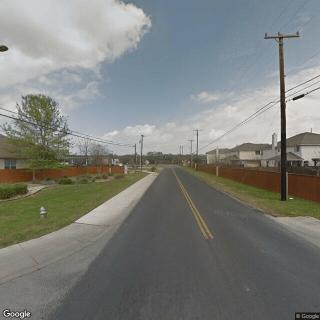
8919 Saddle Trail, San Antonio, TX 78255
For more information about senior living options: (866) 208-4318
Southern Care Assisted Living Costs & Pricing
Southern Care Assisted Living offers a studio room at a monthly rate of $3,984, which is slightly higher than the average costs observed in Bexar County and across Texas. In Bexar County, the typical cost for a similar studio unit stands at approximately $3,708, while Texas overall averages around $3,758. This pricing reflects the unique amenities and personalized care services provided by Southern Care, which may justify the premium in comparison to local and state averages. Potential residents and their families should consider these factors when evaluating their options in assisted living facilities.
| Floor plans | Southern Care Assisted Living | Bexar County | Texas |
|---|---|---|---|
| Studio | $3,984 | $3,708 | $3,758 |
Assisted Living communities with a similar price nearby
-
from -$484 / mo

Parkway Assisted Living
$3,500 to $4,500 / month14.0 miles away -
from -$484 / mo
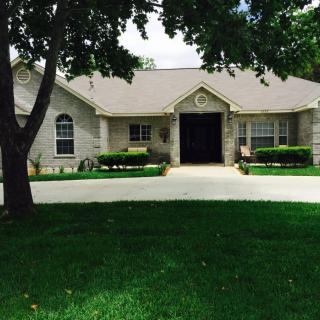
Pembroke Angel Care
$3,500 to $3,800 / month9.3 miles away -
from +$516 / mo

Cornerstone Assisted Living
$4,500 / month10.4 miles away -
About the same
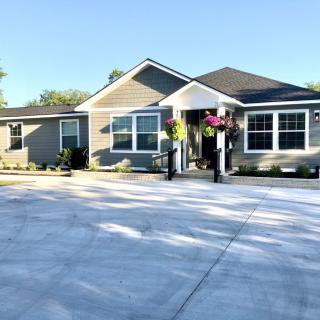
Pecan View Senior Care AL
$4,000 / month12.2 miles away -
About the same
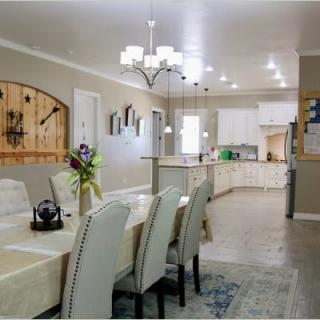
La Cantera Assisted Living And Memory Care
$4,000 / month5.5 miles away
Overall Review of Southern Care Assisted Living
Cons
 James robs people behind their back and leaves messes everywhere.
- Management refuses to do anything about the roommate robber.
- The roommate robs him regardless of what management tells him.
- The apartment is designed for two people but houses three, creating overcrowding.
- Staff are very unprofessional and invaded his privacy by barging in while he was showering.
- Tom Ozgo is very unprofessional and only wants money.
Review
Southern Care Assisted Living in San Antonio is best suited for seniors who want a basic, no-frills living option and can tolerate uneven staff responsiveness. The community seems to operate with an assumption of independence and relatively limited daily oversight. It may appeal to residents who prioritize affordability and a straightforward housing layout over robust care services or proactive safety governance. In practical terms, this setting likely works for someone who can manage personal tasks with minimal hands-on assistance, does not require constant monitoring, and is comfortable navigating a pace of service that may feel inconsistent. The real-world picture painted by the available feedback is that the environment can feel more like a budget senior housing option than a thoughtfully engineered assisted-living program, where dignity and secure boundaries are not consistently safeguarded.
Families should consider alternatives if a loved one relies on reliable care, strong boundaries, and prompt, respectful communication. The most compelling reason to look elsewhere is safety and accountability: multiple reviewers describe disruptive and potentially dangerous living situations that went unaddressed, leaving residents exposed to risk and ongoing stress. A pattern of unreturned calls and perceived unprofessional behavior from staff further undermines trust and makes it difficult to feel confident in daily operations. For residents with significant medical needs, complex medication schedules, or vulnerability to privacy violations, these shortcomings are not marginal concerns but core deficiencies. Even families seeking modest accommodations should demand a governance framework that ensures prompt response, transparent incident handling, and clear lines of authority to protect their loved ones.
From the evidence available, there are virtually no clearly documented, substantive advantages that would counterbalance the major concerns. Any potential upside, such as lower costs or convenient location, remains unsubstantiated in the narratives, and thus cannot reasonably offset the repeated reports of safety lapses and staff misbehavior. In other words, the perceived affordability contributes little when the core promise of assisted living, safety, respectful treatment, and reliable oversight, is undercut by ongoing management gaps. Without concrete demonstrations of governance, training, and accountability, the modest upside of a cheaper option loses its appeal. Prospective residents should not count on meaningful care improvements arising to close the gap between expectation and lived experience.
The dominant concerns fall into three buckets: safety and living arrangements, privacy and boundaries, and staff professionalism. A resident describes being placed with a roommate who engaged in theft, with management failing to implement effective remedies or enforce protections. The report underscores a broader issue: when management does not act decisively, residents shoulder risk without recourse. Privacy breaches stand out as a particularly troubling pattern, an instance where staff allegedly intruded on a personal moment without appropriate justification, and without consequences linked to such behavior. Additional observers point to inconsistent staffing attitudes and a lack of accountability, culminating in unanswered inquiries and a sense that residents must fend for themselves. Coupled with questionable medication oversight and financial control concerns, the overall climate signals that safety, dignity, and medical reliability are not reliably safeguarded.
For families evaluating this community, a disciplined due-diligence process should be nonnegotiable. Start by demanding written policies on roommate assignments, incident reporting, and care escalation, and request to review recent incident logs and resolution records. Seek explicit guarantees about background checks, supervision levels, and ongoing monitoring for residents sharing living spaces. Insist on transparent medication management protocols, including pharmacy partnerships, dispense records, and a clear process for addressing medication disputes or payee concerns. Schedule conversations with current residents about responsiveness, especially after hours, to gauge practical service levels. Review the contract for inclusions, fees, and termination terms, and verify licensing status and inspection histories with the state. If governance and accountability are not evident, the prudent path is to pursue communities with demonstrable oversight and a track record of respectful, consistent care.
The bottom line is that Southern Care Assisted Living, as reflected in these accounts, poses substantial risks for anyone whose loved one depends on dependable care, privacy, and safe living conditions. The combination of safety concerns, privacy violations, and inconsistent staff professionalism creates an environment where trust erodes quickly and daily life can feel unstable. Families should approach placement there with a clear readiness to advocate aggressively, demand rigorous standards, and be prepared to relocate if problems persist. Alternatives with proven staffing credentials, strong resident protections, and transparent complaint-resolution processes represent a far more reliable path for most seniors. Tours should be treated as diagnostic sessions: observe interactions, press for detailed escalation policies, and verify that governance practices meet the minimum expectations of dignity, safety, and steady, respectful care. If those assurances cannot be confirmed, the move should be directed toward options that deliver verifiable, consistent oversight.
 7 resident community capacity
 Assisted Living
 Board and Care Home
 Cable or satellite TV
 Dining room
 Fully furnished
 Garden
 Housekeeping services
 Move-in coordination
 Outdoor space
 Telephone
 Wi-Fi/high-speed internet available
 San Antonio International (15 miles away)
 24-hour supervision
 Activities of daily living assistance
 Assistance with bathing
 Assistance with dressing
 Assistance with transfers
 Diabetes diet
 Meal preparation and service
 Medication management
 Special dietary restrictions
 Transportation arrangement (medical)
 Transportation to doctors appointments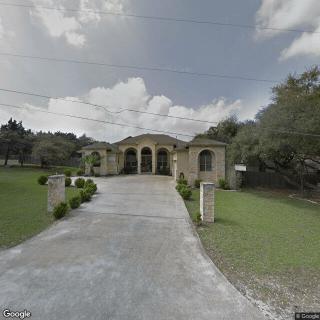
 Caring staff and manager create a warm, home-like environment with good caregiver-to-resident attention.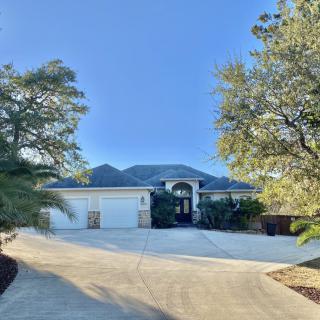



 Comprehensive Supportive Living Arrangements for Adults with Disabilities
 Funding and Affording Assisted Living: A Thorough Overview
 Assisted Living Expenses and Long-Term Care Insurance: A Comprehensive Exploration