At Parkway Assisted Living, the monthly costs for accommodations are competitively positioned relative to both Bexar County and the broader Texas market. For a one-bedroom unit, residents can expect to pay $3,500, which is slightly below the county average of $3,506 and notably lower than the state average of $3,761. In contrast, the semi-private room option is priced at $4,500, which exceeds the county's median of $3,488 but remains below Texas's average of $3,680. This pricing strategy reflects Parkway Assisted Living's commitment to providing quality care in an inviting environment while offering value compared to regional competitors.
Floor plans
Parkway Assisted Living
Bexar County
Texas
1 Bedroom
$3,500
$3,506
$3,761
Semi-Private
$4,500
$3,488
$3,680
Memory care communities with a similar price nearby
Residents and families describe caregivers who stay patient, kind, and responsive.
Across the reviews, families repeatedly say the staff is attentive and thoughtful, with a steady focus on comfort and day-to-day needs. Multiple reviewers describe communication with owners and caregivers, including being quick to respond to questions or requests. Several also highlight personal, relationship-based care, including treating residents like family.
common49 reviews mention this
Facility cleanliness stands out
Reviews consistently point to a very clean, well-kept environment.
Cleanliness is a recurring point: residents and families describe the property as spotless and well maintained, with rooms kept immaculate. Reviewers also talk about roomy, comfortable spaces and a home-like feel, including well-kept indoor and outdoor areas. The community also provides housekeeping services and maintains indoor common areas and outdoor space, matching what families emphasize in day-to-day impressions.
differentiator20 reviews mention this
Home-cooked dining is a highlight
Dining is repeatedly praised as home-cooked and something residents enjoy.
Food comes up often in the reviews, with families describing meals as delicious and home-like, and noting that residents stay engaged with eating. Several reviewers also mention special touches such as bringing meals and snacks and celebrating food preferences during birthdays and other events. The community provides meals, supports special dietary restrictions, and includes dining designed around diabetes dietary needs.
common10 reviews mention this
Activities and outdoor time matter
Residents are described as staying active with scheduled activities and outings.
Reviewers frequently mention residents participating in activities like bingo, crafts, and scheduled daily programming. Families also describe residents spending time outside in shared outdoor areas, including grounds and patio space for visiting. The community lists on-site activities along with community-sponsored events and devotional services, which aligns with how residents describe their days feeling structured and social.
differentiator8 reviews mention this
Around-the-clock supervision and medication help
Residents’ needs are described as supported with around-the-clock oversight.
Several reviews mention continuous support, including help when residents need assistance and a sense of security that care is available consistently. A few reviewers specifically reference medication management and daily personal care support such as bathing and grooming-related help. The community also offers 24-hour supervision, medication management, and assistance with activities of daily living, which matches the themes families emphasize in their accounts.
caveat
Prices sit slightly below benchmarks
Pricing appears priced around the local range depending on unit type.
No reviews in the provided text discuss pricing directly. The available pricing ranges for assisted living placements show unit types that are roughly in line with local and state benchmarks, with small differences by room category. If affordability is a key factor for you, compare the listed range for your preferred unit type and confirm what is included before deciding.
How we summarize
We summarize when many written reviews mention each theme; a review can touch several themes, and only frequently mentioned themes are displayed.
Features
Housing
16 resident community capacity
Types of Care
Assisted Living
Memory Care
Amenities
Activities on-site
Air-conditioning
Beautician on-site
Cable or satellite TV
Devotional services off-site
Dining room
Fully furnished
Garden
Housekeeping services
Indoor common areas
Move-in coordination
Outdoor common areas
Outdoor space
Telephone
Wheelchair accessible showers
Wi-Fi/high-speed internet available
Transportation
San Antonio International (8 miles away)
Care Services
24-hour supervision
Activities of daily living assistance
Assistance with bathing
Assistance with dressing
Assistance with transfers
Coordination with health care providers
Diabetes diet
Diabetic care
Incontinence care
Meal preparation and service
Medication management
Special dietary restrictions
Transportation arrangement (medical)
Transportation to doctors appointments
Dining
Diabetes diet
Guest meals
Meals provided
Special dietary restrictions
Activities
Activities on-site
BBQs or picnics
Birthday parties
Catholic services
Community service programs
Community-sponsored activities
Devotional activities offsite
Holiday parties
Protestant services
Scheduled daily activities
Visiting chaplain or priest
Nearby Places of Interest
This part of San Antonio, Texas offers a variety of amenities that may be appealing for senior living. With multiple dining options such as McDonald's, Olive Garden, and Chick-Fil-A within close proximity, residents can enjoy a range of culinary choices. Additionally, the presence of pharmacies like Walgreens and CVS Pharmacy nearby ensures convenient access to medication and healthcare supplies. For entertainment, there are theaters like Cinemark San Antonio 16 and Regal Huebner Oaks & RPX in the vicinity. The area also boasts several reputable hospitals such as University Hospital and Methodist Hospital, ensuring quality medical care when needed. Places of worship like Primera Iglesia Bautista Mexicana-San Antonio provide spiritual support for residents. Overall, this neighborhood offers a blend of convenience, healthcare facilities, dining options, and recreational opportunities that may make it an attractive choice for seniors seeking a comfortable living environment.
Restaurants
McDonald's (0.7 miles)
Ojos Locos Sports Cantina (1 miles)
Syrian Kitchen (1.1 miles)
Whataburger (1.4 miles)
Olive Garden (1.5 miles)
Chick-Fil-A (2 miles)
Vallarta Grill & Bar (2.2 miles)
Theaters
Cinemark San Antonio 16 (1 miles)
Regal Huebner Oaks & RPX (5.1 miles)
Pharmacies
Walgreens (1 miles)
Walgreens (1.2 miles)
Walgreens (2.1 miles)
Walgreens (2.5 miles)
CVS Pharmacy (2.5 miles)
CVS Pharmacy (2.5 miles)
CVS Pharmacy (3.1 miles)
Physicians
Advanced Pain Relief Institute (1.4 miles)
2040 Building (1.9 miles)
Yesnocovid (2.5 miles)
Methodist Cardiology Clinic of San Antonio-Transitional Clinic (2.6 miles)
Consultants in Pain Management (2.7 miles)
Physicians Plaza II (2.8 miles)
Gastroenterology Consultants of San Antonio (3.1 miles)
Parks
Medical Center Volleyball Courts (2.1 miles)
Woodlawn Lake Park (4.1 miles)
Hospitals
Audie L Murphy Memorial Veterans Hospital (2.2 miles)
Audie L. Murphy Memorial VA Hospital (2.3 miles)
University Hospital Sky Tower (2.3 miles)
University Hospital (2.4 miles)
Methodist Hospital (2.5 miles)
St Luke's Baptist Hospital (2.7 miles)
Texsan Heart Hospital (2.8 miles)
Places of Worship
Primera Iglesia Bautista Mexicana-San Antonio (2.9 miles)
At Parkway Assisted Living, the monthly costs for accommodations are competitively positioned relative to both Bexar County and the broader Texas market. For a one-bedroom unit, residents can expect to pay $3,500, which is slightly below the county average of $3,506 and notably lower than the state average of $3,761. In contrast, the semi-private room option is priced at $4,500, which exceeds the county's median of $3,488 but remains below Texas's average of $3,680. This pricing strategy reflects Parkway Assisted Living's commitment to providing quality care in an inviting environment while offering value compared to regional competitors.
The features offered by Parkway Assisted Living are designed to create a supportive environment tailored to the unique needs of residents with dementia or Alzheimer's disease. Assistance with dressing ensures that residents maintain their dignity and feel comfortable, while medication management promotes adherence to prescribed treatments, reducing confusion or missed doses. Meal preparation and service provide nutritious options that cater to dietary restrictions without overwhelming residents, fostering better health. Transportation arrangements for medical appointments facilitate access to healthcare services without added stress. Coordination with healthcare providers ensures continuity of care and timely interventions as needed. Activities of daily living assistance, including bathing and transfers, enhance quality of life by promoting independence while ensuring safety. The 24-hour supervision provides peace of mind for both residents and families, allowing immediate support when necessary, while incontinence care maintains personal hygiene and comfort--critical aspects for those experiencing cognitive decline. Each feature collectively contributes to an environment where residents can thrive despite their challenges.
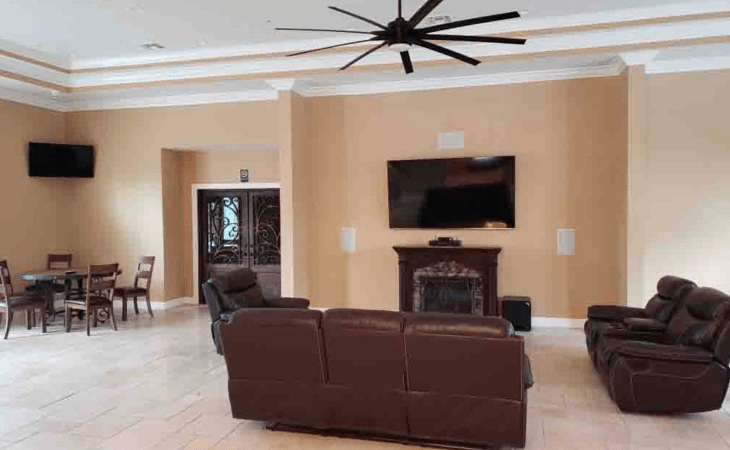
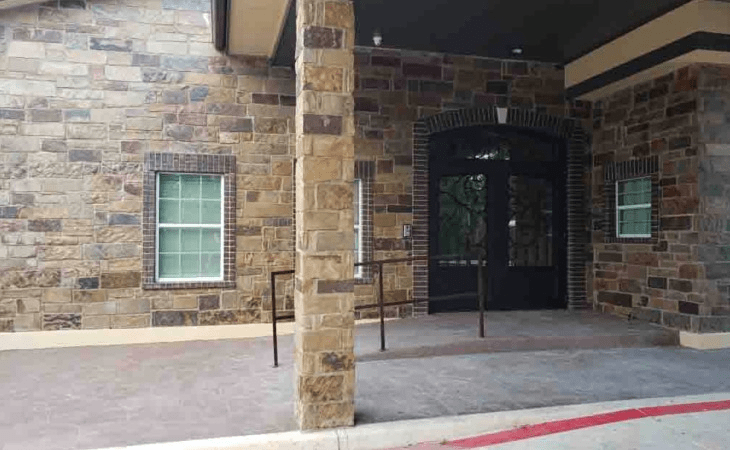
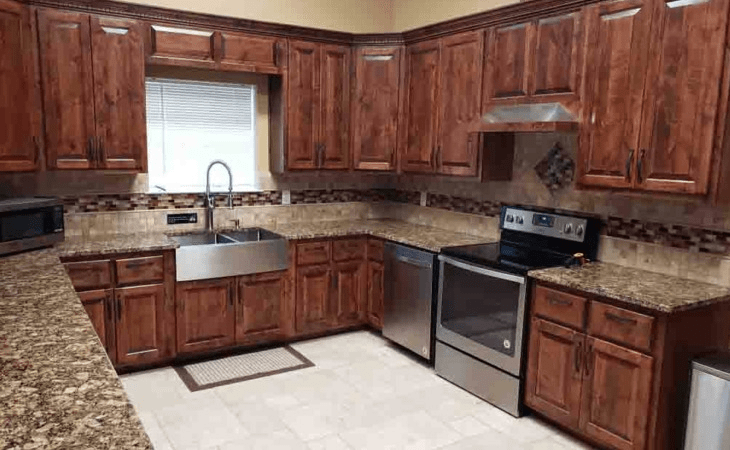
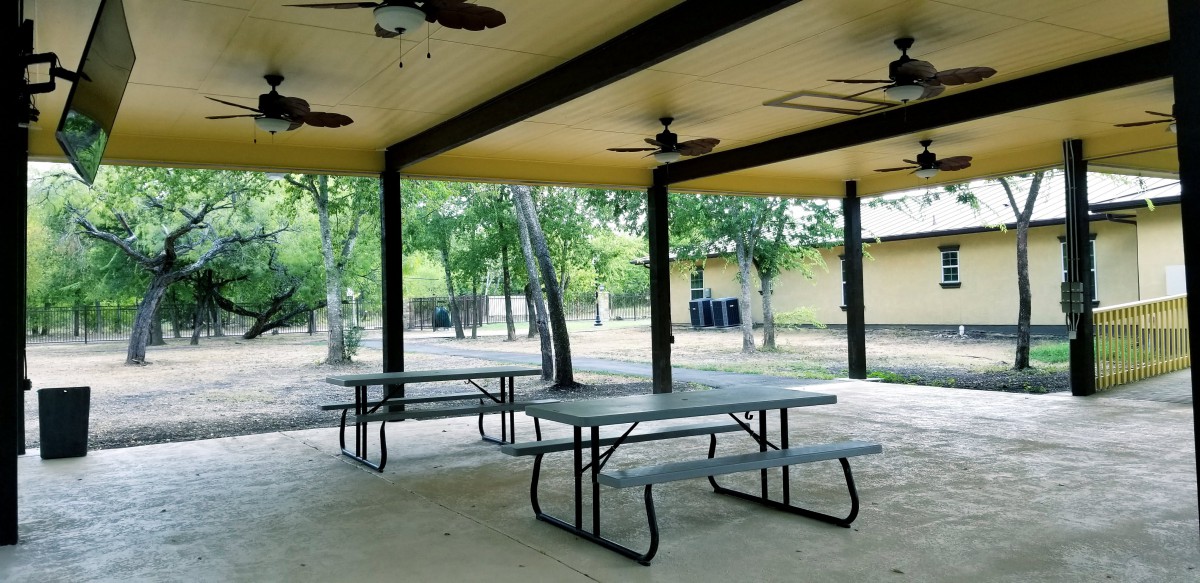
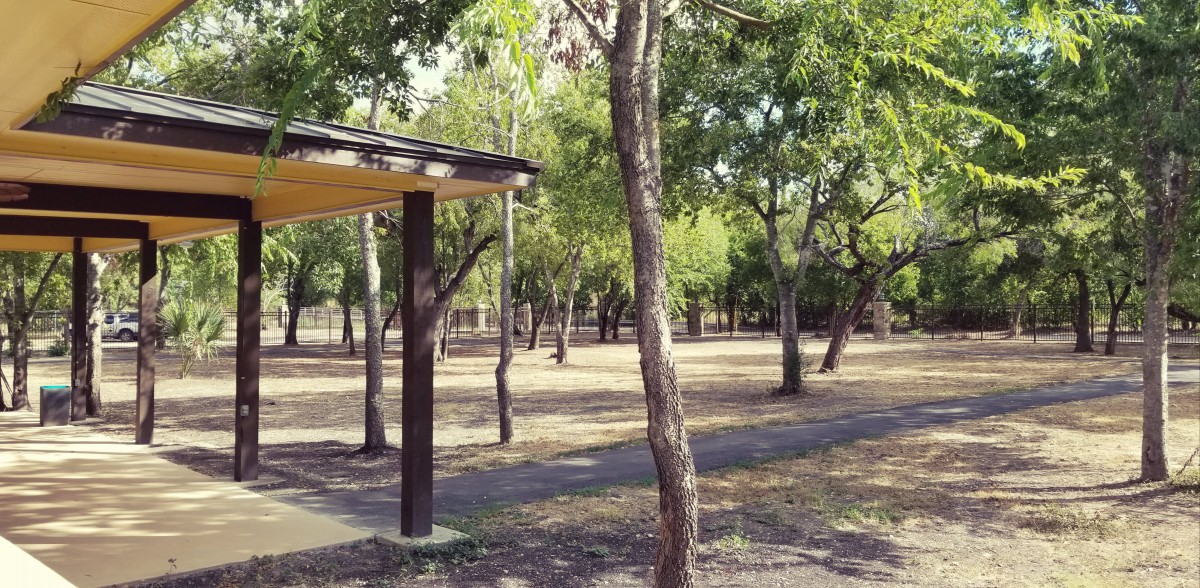
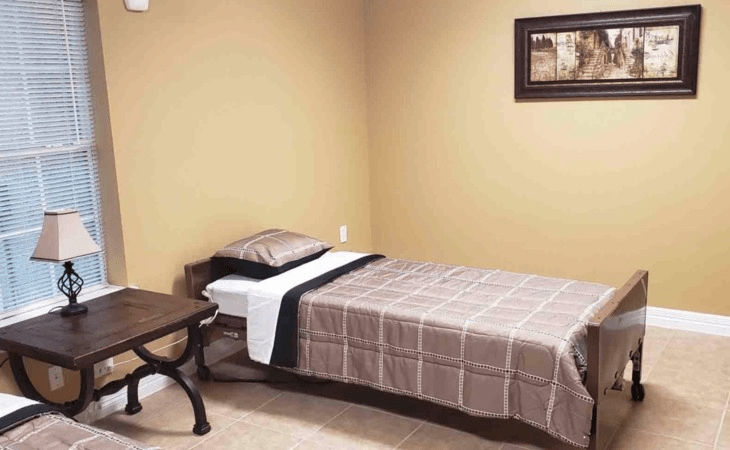
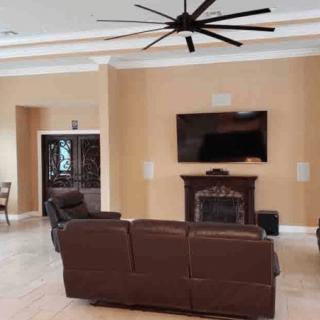
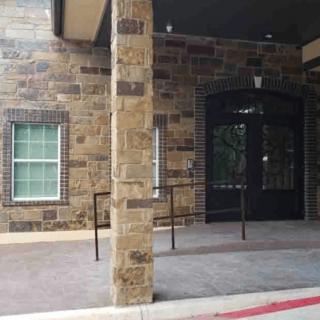
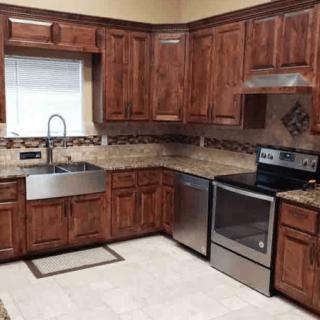
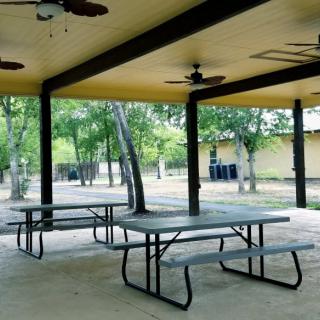
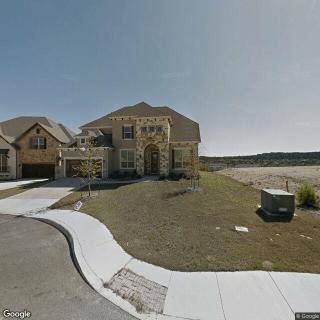
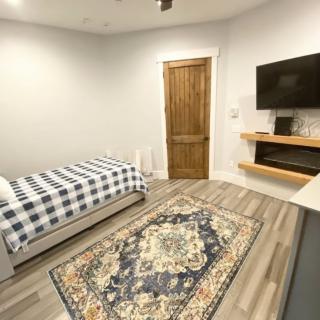
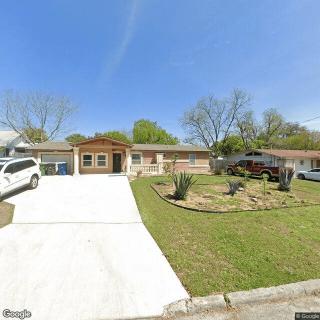
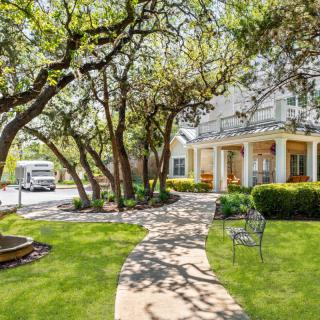
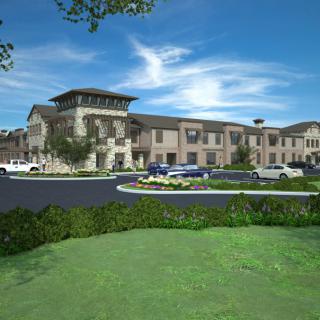
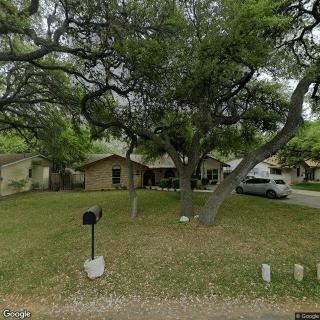
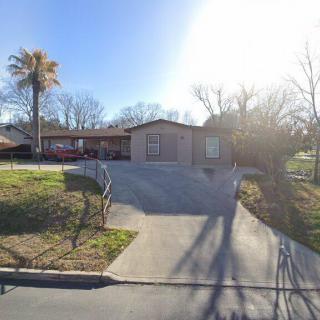
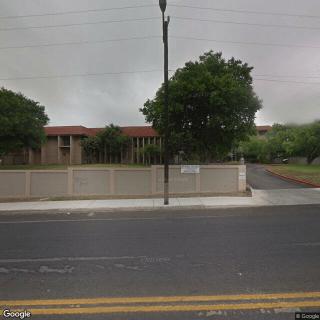
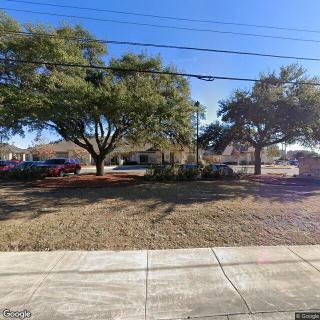
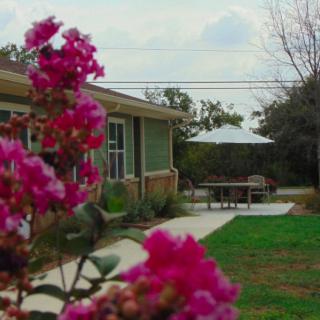
Parkway Assisted Living on seniors.fyi includes 9 photos including images showing trees, outdoor, park, outdoors, entrance, bedroom, interior, cabinets, and more.
Nearby Communities
Country Living In The City
San Antonio, TX
4.5 from 109 reviews
Country-style living in the city with fully furnished rooms, a garden, and comprehensive daily support.
Lopez Homes MCG I
San Antonio, TX
5 from 4 reviews
Intimate, personalized care with furnished apartments and inclusive services.
Lopez Homes Mcg LLC
San Antonio, TX
Diabetes care with on-site activities and meals in an amenity-rich San Antonio location.
Angel Place Assisted Living Homes 1
San Antonio, TX
5 from 16 reviews
Small, intimate community with personalized care and comprehensive daily support.
Angel Place Assisted Living Homes 2
San Antonio, TX
5 from 2 reviews
Small, intimate 13-bed community offering 24-hour supervision, ADL assistance, meals, housekeeping, and social activities in a fully furnished setting with Wi?Fi and garden/outdoor space.
Mendoza Assisted Living
San Antonio, TX
3.7 from 3 reviews
$2,600 / month
Cozy, small community with Spanish-speaking staff and competitive local pricing.
Timberhill Villa Retirement
San Antonio, TX
4.3 from 108 reviews
$1,750 to $3,500 / month
Friendly staff and engaging activities create a welcoming atmosphere.
Sorrento
San Antonio, TX
4.3 from 160 reviews
Strong rehab therapy (PT/OT) and clean, well-equipped facilities.
The Cottages On Danny Kaye (A)
San Antonio, TX
4.2 from 42 reviews
Caring, attentive staff in a clean, community-focused setting.
The article examines the link between certain medications and increased dementia risk, particularly in older adults, emphasizing that long-term or high-dose use of anticholinergics, benzodiazepines, and other drug classes can exacerbate cognitive impairment. It calls for careful medication evaluation and shared decision-making to mitigate these risks while managing treatment efficacy.
The article emphasizes the significance of establishing a power of attorney for elderly parents to enable an agent to make decisions on their behalf regarding health and finances, especially during cognitive or physical decline. It outlines various types of power of attorney, the importance of consulting legal professionals, and the responsibilities and challenges faced by agents, while also discussing alternatives and common misconceptions.
Caregiver support groups are crucial for providing emotional and practical assistance to those caring for loved ones, offering resources, coping strategies, and a sense of community through various organizations and platforms. These groups help alleviate isolation and burnout while addressing the unique challenges faced by caregivers of individuals with specific conditions.
Get PricingAsk A QuestionSchedule A TourContact Senior Advisor
By clicking submit, you agree to our Partner's Terms of Use. You
also consent to receive calls and texts, which may be autodialed, from our Partner. Your consent is not a condition to
using our Partner's service. Please visit our Partner's Privacy Policy for information about their privacy practices.





 16 resident community capacity
 Assisted Living
 Memory Care
 Activities on-site
 Air-conditioning
 Beautician on-site
 Cable or satellite TV
 Devotional services off-site
 Dining room
 Fully furnished
 Garden
 Housekeeping services
 Indoor common areas
 Move-in coordination
 Outdoor common areas
 Telephone
 Wheelchair accessible showers
 Wi-Fi/high-speed internet available
 San Antonio International (8 miles away)
 24-hour supervision
 Assistance with bathing
 Assistance with dressing
 Assistance with transfers
 Diabetes diet
 Diabetic care
 Incontinence care
 Meal preparation and service
 Medication management
 Special dietary restrictions
 Transportation arrangement (medical)
 Transportation to doctors appointments
 BBQs or picnics
 Birthday parties
 Catholic services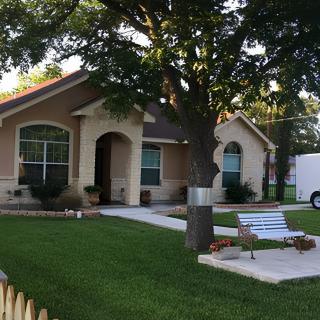
 Country-style living in the city with fully furnished rooms, a garden, and comprehensive daily support.
 Medications Associated with Dementia Risk: A Comprehensive Overview
 Guiding Your Journey: Understanding Power of Attorney for Elderly Parents
 22 Remarkable Caregiver Support Groups Available Online and In-Person