
6827 Country Haven, San Antonio, TX 78240
For more information about senior living options: (866) 208-4318
Overall Review of Mission Road Developmental Center Country Haven
Pros
 The place helps people with certain disabilities.
- It provides a wide range of services, from learning life skills to housing.
- The staff are polite and helpful.
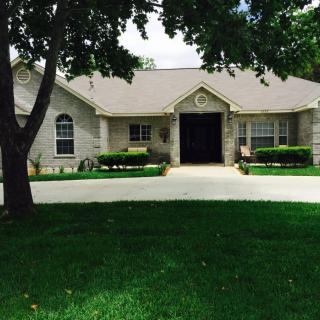
- The campus looks nice and well organized.
Review
Mission Road Developmental Center Country Haven in San Antonio is best suited for individuals with developmental disabilities who need structured programming to acquire daily living skills and stable housing. This campus-style setting delivers a clearly defined path from learning practical tasks to applying them in a supervised living arrangement, making it a practical choice for families that want measurable progress within a predictable routine. The environment is designed to support ongoing skill development, rather than offering brief respite or purely social activities. For residents who benefit from consistent staffing, routine schedules, and a safety-conscious framework, Country Haven stands out as a purpose-built option.
Those who may want to consider alternatives include individuals who do not require continuous developmental support or who seek greater independence and broader community integration. Families with loved ones who crave a more traditional assisted living experience, or who want options that emphasize inclusive, community-based living over campus-based housing, should explore other San Antonio facilities. For some, a program focused on routine and housing stability can feel restrictive or overly structured, especially if social or vocational opportunities outside the campus are a priority. In such cases, non-specialized group homes or conventional assisted living may provide a better balance.
Key advantages begin with a comprehensive slate of services aimed at life skills and housing. This breadth reduces the risk of care gaps and creates a coherent growth path rather than a patchwork of providers. Polite and helpful staff behavior translates into less friction during transitions, daily routines, and problem-solving moments. A campus that looks neat and well organized reinforces a sense of safety and respect for residents and families alike. When independence is the target, these strengths push toward practical gains, meal planning, personal care routines, transportation coordination, and basic household management, progress that can be verified through regular assessments and progress notes.
However, the main constraint is the same factor that makes Country Haven effective: its specialized, regimented approach. For some residents, the set routines and housing-centric focus may limit choices and reduce exposure to a wider array of social and vocational experiences. The environment’s structure can feel confining if future goals include moving to a less supervised setting or pursuing niche interests outside the campus. Yet the well-run campus, with attentive staff and organized programming, can offset these concerns when the objective is steady skill-building and a stable living arrangement rather than rapid autonomy.
Families evaluating this option should insist on clarity about programming specifics: the exact life-skills curriculum, frequency of progress reviews, and criteria for transitioning to greater autonomy. Clarify housing options, safety protocols, staffing ratios during peak hours, and the availability of therapy or counseling services that support development. Financial planning is essential, understand what is included in the base rate, what might incur additional charges, and how long the stay can reasonably be expected to last. Involve family members in tours and introductions to direct care staff, and request sample schedules to gauge how closely the daily life mirrors the home environment intended for aftercare.
In sum, Mission Road Developmental Center Country Haven offers a focused, reliable path for residents who need structured life-skills training and stable housing under a professional team. When those elements align with a family’s goals for steady progress within a predictable framework, this community can deliver meaningful outcomes. Alternatives should be on the radar if independence, broad social exposure, or the desire for a less campus-like living situation are priorities. The decision should hinge on the resident’s need for supervision, the family's tolerance for structured routines, and the likelihood of sustained engagement with the program over time.
 6 resident community capacity
 Assisted Living
 Board and Care Home
 Cable or satellite TV
 Dining room
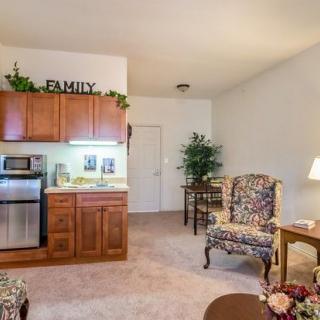
 Fully furnished
 Garden
 Housekeeping services
 Move-in coordination
 Outdoor space
 Telephone
 Wi-Fi/high-speed internet available
 San Antonio International (9 miles away)
 24-hour supervision
 Activities of daily living assistance
 Assistance with bathing
 Assistance with dressing
 Assistance with transfers
 Diabetes diet
 Meal preparation and service
 Medication management
 Special dietary restrictions
 Transportation arrangement (medical)
 Transportation to doctors appointments


 Understanding the Distinctions: Assisted Living and Memory Care Explained
 Guiding Elderly Parents Who Refuse Assisted Living: 6 Practical Steps
 Your Comprehensive Guide to Luxury Assisted Living: Elevated Facilities, Amenities, and Costs