
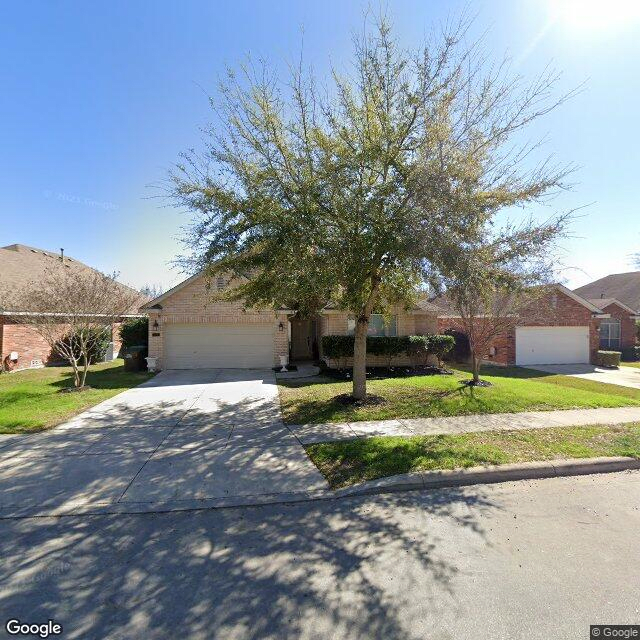
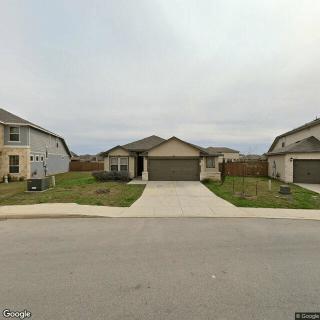
6118 Palmett Way, San Antonio, TX 78253
To contact a resident: (210) 346-1979
For more information about senior living options: (866) 208-4318
Like Care Home Costs & Pricing
At Like Care Home, the monthly cost for a private room is set at $2,500, which offers a compelling value compared to both Medina County and the broader state of Texas. In Medina County, similar accommodations typically exceed $3,450 per month, while state averages climb even higher to around $4,096. This competitive pricing reflects Like Care Home's commitment to providing quality care while remaining accessible, making it an attractive option for families seeking affordability without compromising on the level of services offered.
| Floor plans | Like Care Home | Medina County | Texas |
|---|---|---|---|
| Private | $2,500 | $3,450 | $4,096 |
Senior living communities with a similar price nearby
-
About the same

The Golden Years Care Home
$2,500 / month6.7 miles away -
About the same
Happy Living Care Home
$2,500 / month10.9 miles away -
from -$300 / mo
Cyprusgreen At Home Assisted Living
$2,200 to $3,000 / month5.7 miles away -
from +$300 / mo
Faith Home
$2,800 to $3,000 / month20.0 miles away -
About the same
Pipestone Place Assisted Living
$2,500 to $3,000 / month17.8 miles away
Overall Review of Like Care Home
Pros
 The home offers individualized care that surpasses other options.
- It provides a safe, clean, and loving environment where loved ones are well cared for.
- The setting is described as beautiful and peaceful.
- Residents receive exceptional services and are treated with great respect.
- The environment is clean and populated by loving people.
Review
This community is best suited for families seeking highly personalized, home-like elder care in San Antonio. It excels for residents who thrive in an intimate setting where the owners are directly involved and care feels deeply hands-on. The environment is consistently described as safe, clean, and loving, with staff able to know each resident’s routines and preferences. For a loved one who values dignity, respectful treatment, and a family-like atmosphere over institutional polish, this setting offers compelling advantages. It is especially well-matched for seniors who benefit from consistent, attentive caregiving and a calm, less clinical atmosphere.
Those who may want to consider alternatives are clear when needs extend beyond intimate care. Families looking for robust skilled nursing on site, dementia-focused programming, or a large calendar of social activities may find a different model more suitable. If a loved one requires frequent medical oversight, complex medication management, or access to extensive on-site therapies, a larger community with formal medical staffing could be a better fit. Likewise, residents who require broader accessibility or more expansive facilities may find a bigger setting more comfortable.
The strongest pros center on individualized attention, the owners’ hands-on involvement, and a clean, peaceful home environment that fosters genuine respect. Care appears to be tailored to each resident, with safety and cleanliness repeatedly highlighted as core strengths. These advantages offset the absence of a sizeable professional care team or formal, facility-wide programming. While the setting may not deliver hospital-grade nursing or a bustling activity schedule, the direct accessibility of the caregivers and the emotional support offered by a small, tightly knit team can deliver reassurance that larger facilities often struggle to match.
Pros do not erase the realities of a compact operation, which means careful evaluation is essential. Prospective families should assess whether the intimate scale aligns with the loved one’s mobility, medical needs, and desire for social engagement. The key trade-off is between the warmth and responsiveness of a small home and the breadth of services found in bigger communities. If the priority is a daily atmosphere of familiarity, consistent caregivers, and quick, personal attention, these strengths are likely to outweigh the limits in programming or on-site medical oversight.
When visiting, focus on practical, verifiable details that reveal daily life and safety. Inquire about caregiver-to-resident ratios across shifts, and which tasks are handled on-site, including medication administration and routine health checks. Ask who manages emergencies after hours and how residents’ care plans are created, updated, and communicated to families. Assess daily routines, mealtime flexibility, dietary accommodations, and opportunities for engagement, will there be meaningful activities that suit the resident’s interests, or is the environment truly best for quiet, person-centered care? Meet the owners and caregivers to gauge compatibility, and request a sample care plan and a tour of living spaces.
Overall, this community stands out for families prioritizing warmth, dignity, and daily hands-on involvement in a small, home-like setting. It is less suited for those demanding extensive medical staffing, dementia-specific programs, or a broad outreach of social activities. With disciplined due diligence, tours, direct conversations with owners, and careful review of care plans, the strengths can be leveraged to ensure a comfortable, respectful transition for a loved one. For families whose priorities align with a high-touch, intimate caregiving model, moving forward with confidence is well warranted; for others, exploring alternatives that offer greater clinical resources or a wider activity spectrum may be prudent.
 Board and Care Home
 Private
 San Antonio International (16 miles away)




 Comprehensive Look at Senior Blood Pressure Charts: Normal and Elevated Levels by Age
 Top Canine Companions for Older Adults
 Comprehensive Guide to Blood Pressure Charts for Older Adults: Understanding Normal and High Readings by Age