

6626 Adair Dr, San Antonio, TX 78238
To contact a resident: (210) 274-8280
For more information about senior living options: (866) 208-4318
Just Like Home Care for Seniors Costs & Pricing
Just Like Home Care for Seniors offers private room accommodations at a monthly cost of $4,000, which is slightly above the average rate of $3,627 in Bexar County but remains competitive within the broader Texas market, where the average is approximately $4,096. This pricing reflects Just Like Home's commitment to providing personalized and high-quality care tailored to individual needs. While it may be higher than some local options, the value derived from their specialized services and attentive environment can often justify this investment for families seeking premium senior care.
| Floor plans | Just Like Home Care for Seniors | Bexar County | Texas |
|---|---|---|---|
| Private | $4,000 | $3,627 | $4,096 |
Senior living communities with a similar price nearby
-
from -$500 / mo

Parkway Assisted Living
$3,500 to $4,500 / month1.2 miles away -
from -$500 / mo
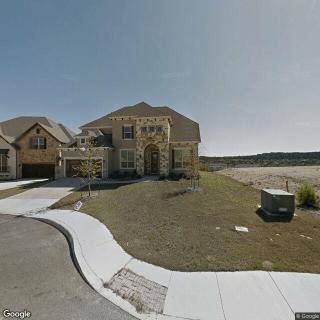
San Antonio - A-Z Senior Care 1
$3,500 / month9.7 miles away -
from -$500 / mo
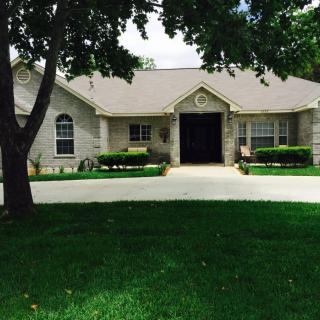
Pembroke Angel Care
$3,500 to $3,800 / month4.0 miles away -
from +$500 / mo
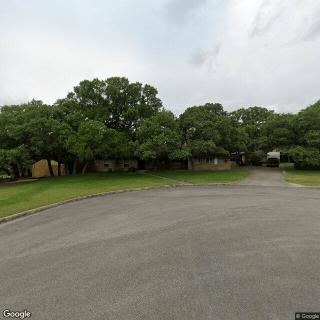
Cornerstone Assisted Living
$4,500 / month10.6 miles away -
from -$385 / mo
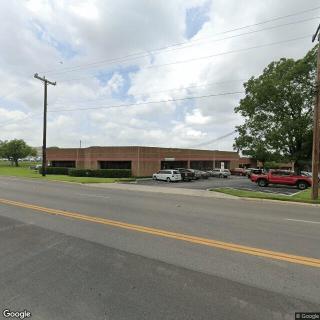
FirstLight Home Care - San Antonio
$3,615 to $5,050 / month7.9 miles away
Overall Review of Just Like Home Care for Seniors
Pros
 The staff are attentive to residents' needs.
- Residents are kept very comfortable.
- Claudia's attention to detail ensures high-quality, individualized care.
- The care feels like home and not an institution.
- Just Like Home Care feels like family care.
- The staff are caring, understanding, and put loved ones first.
- The home is immaculate and offers home-cooked meals daily.
- The staff turnover is very low, contributing to continuity of care.
- The facility provides a loving home environment with outstanding care.
- Safety is a top priority and the owners treat families like extended family.
Cons
 Not a good place.
- The reviewer gave a low review on communication with family members.
- The reviewer was yelled at by the owner and told not to call the main number.
- The reviewer stated staff spoke to them in a mean way.
- The reviewer said they would be making unannounced visits.
- The reviewer questioned why Ms. Mata wrote such a review after only one phone call and without visiting Lois.
Review
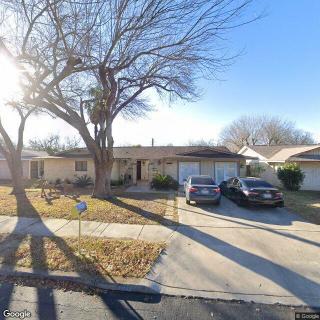
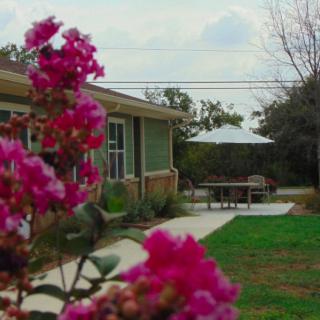
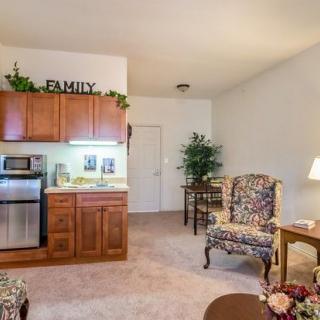
Just Like Home Care for Seniors is best suited for families that want a genuinely home-like setting where a senior receives highly personalized, hands-on care from a small, stable team. The community excels for residents who thrive on low resident-to-staff ratios, a family feel, and daily reassurance that someone is overseeing their needs with meticulous attention. With a home that typically houses fewer than ten residents, the environment is intimate enough to allow for consistent caregivers, real meals cooked on site, and safety practices that feel second-nature to the staff. This is not a large campus with programmed activities; it is a deliberately small, controlled setting designed for seniors who benefit from close oversight, regular routines, and a sense of belonging rather than campus-style amenities.
Those who may want to consider alternatives include families seeking a bigger, more structured community with extensive programming or more formal medical oversight. If a loved one requires robust, around-the-clock medical monitoring, frequent specialized therapies, or a wide array of social activities delivered by a larger staff, this home may fall short. A small operation can mean longer waits for specialized services, and the wait list for “high touch” needs is a real factor. Additionally, for families where consistent, blunt, policy-driven communication is non-negotiable, a reviewer noted a troubling interaction with the owner when attempting to reach the facility. For these reasons, a larger, more administratively formal facility or a skilled-nursing environment could be the better fit.
On the pro side, the strongest qualifiers are the lived-in, “just like home” atmosphere and the unwavering emphasis on safety and personal connections. Residents benefit from a steady, low-turnover staff that translates into true familiarity with each resident’s routines, preferences, and evolving needs. The owner-operator model appears to drive a remarkably cohesive culture, families repeatedly describe Claudia and her team as caring, detail-oriented, and fully invested in acting as an extension of the family itself. The care is not merely procedural; it is relational. The cleanliness and the home-cooked meals reinforce a sense of normalcy and dignity that many families say is missing in larger facilities, especially for dementia or high-touch needs where individualized attention matters most.
Yet there are clear cautions to keep in mind. Capacity constraints are real, and a wait list can delay placement, potentially impacting timely decisions in crisis scenarios. While the reviews celebrate safety and attentiveness, one family disclosed a negative encounter over communication, suggesting that interaction style can become a friction point for some relatives. The intimate scale that makes care so personalized also means fewer on-site resources, fewer programmed activities, and a potentially slower cadence in addressing every request compared with bigger communities. Prospective residents should test how quickly staff respond to questions, how family updates are delivered, and whether the owner’s direct involvement aligns with family expectations for ongoing, respectful communication.
When the positives are weighed against the negatives, the offset is significant for the right resident. The extraordinary level of personal attention, the stability of the caregiving team, and the home-like environment often translate into meaningful improvements in comfort, mood, and daily functioning for seniors who need assistance but do not require hospital-like programming. For a family prioritizing safety, companionship, and a sense of belonging over institutional grandeur, the demonstrated compassion and hands-on oversight provide a compelling case. The main risk is that availability and administrative responsiveness hinge on a small team; for many, those very traits are precisely why the care feels so reliably individualized.
Practical next steps are straightforward. Schedule a tour and ask to meet the current caregiving staff to gauge the rhythm, tone, and responsiveness in person. Confirm bed availability or the exact wait time for high-touch care, and request a clear, written outline of what is included in the rate, how optional services are priced, and how care plans are updated. Inquire about dementia care experience, the handling of emergencies, and how family updates are delivered (frequency and channels). Finally, assess alignment with expectations for family involvement, some families will value the open-door, all-hands-on-deck approach, while others may prefer a setting with more formal processes and broader programming. For seniors who fit the intimate, home-forward model, this community is a compelling, well-executed choice; for those who require more extensive programming, larger-scale staffing, or absolute consistency in formal communication, alternatives should be explored without delay.
 Board and Care Home
 Activities on-site
 Devotional services off-site
 Indoor common areas
 Private
 San Antonio International (9 miles away)
 Ambulatory care
 Diabetic care
 Meals provided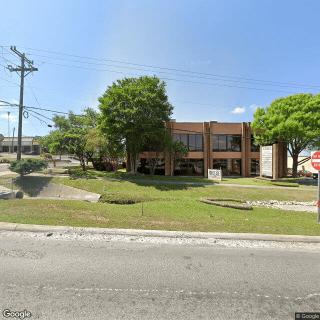



 Managing Nursing Home Expenses After Medicare Coverage Ends
 Is a Geriatric Care Manager the Right Choice for Your Family?
 Compassionate Conversations: How to Comfort Someone Who Is Grieving