
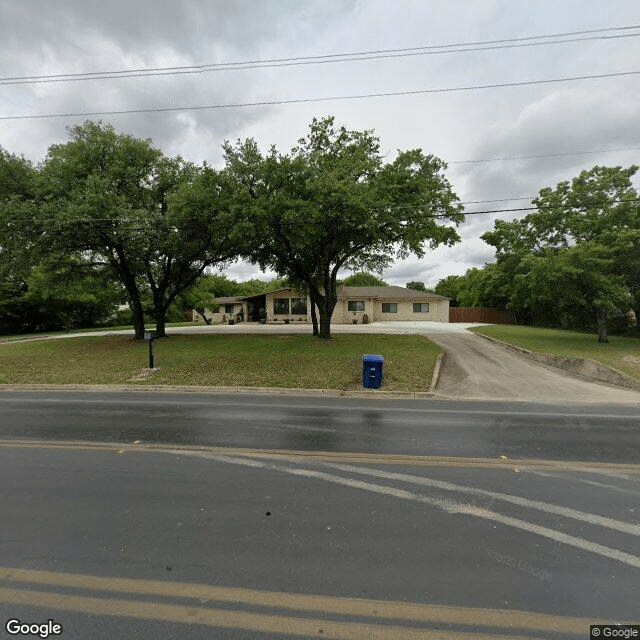
1635 Hillcrest Drive, San Antonio, TX 78228
For more information about senior living options: (866) 208-4318
A Golden Age Assisted Living Costs & Pricing
A Golden Age Assisted Living offers private room accommodations at a monthly cost of $4,000, which sits slightly above the average for Bexar County, priced at $3,627, but is quite competitive compared to the broader Texas state average of $4,096. This pricing reflects not only the quality of care and services provided but also aligns well with local market trends. Residents can expect a comfortable living environment that caters to their individual needs while still being mindful of affordability in relation to both county and state standards.
| Floor plans | A Golden Age Assisted Living | Bexar County | Texas |
|---|---|---|---|
| Private | $4,000 | $3,627 | $4,096 |
Assisted Living communities with a similar price nearby
-
from -$500 / mo

Parkway Assisted Living
$3,500 to $4,500 / month1.3 miles away -
from -$500 / mo
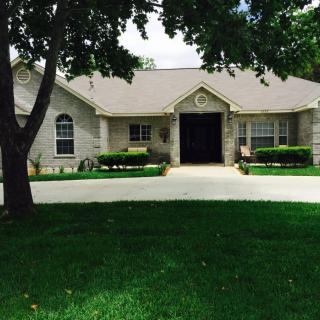
Pembroke Angel Care
$3,500 to $3,800 / month5.5 miles away -
from +$500 / mo
Cornerstone Assisted Living
$4,500 / month9.8 miles away -
About the same
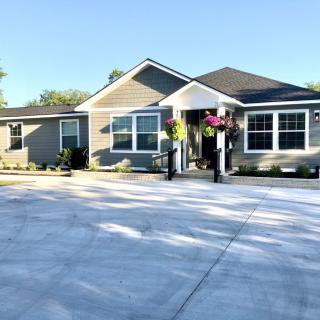
Pecan View Senior Care AL
$4,000 / month2.9 miles away -
About the same
La Cantera Assisted Living And Memory Care
$4,000 / month9.2 miles away
Overall Review of A Golden Age Assisted Living
Pros
 The staff took amazing care of her.
- Golden Age gave her mother more quality of life in her final months.
- She made friends with the other residents and they looked out for her when she was forgetful.
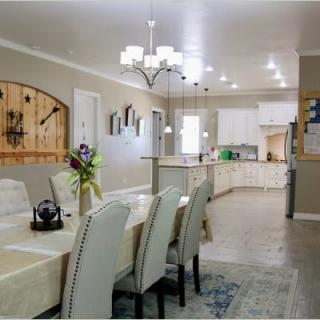
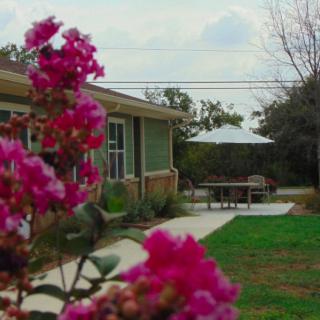
- The facility is beautiful, with well-kept facilities and an amazing back patio where deer visit.
- The food is top-tier, and the facility hosts theme nights.
- The facility is highly recommended.
- Tours reveal that the facility is impressive and more than meets the eye.
- The home is exceptionally well kept and well run.
Cons
 The reviewer was reluctant to hand over the mother's care.
- The reviewer wanted the father to come here, but the father changed his mind and chose not to move anywhere.
Review
A Golden Age Assisted Living in San Antonio, TX is best suited for families seeking a warm, life-affirming setting where a resident can receive assisted living support while preserving social connections and overall quality of life, especially when end-of-life considerations come into play. The community shines for a person who benefits from attentive, compassionate care and a home-like atmosphere that fosters friendship and safety. In practical terms, it serves well for families prioritizing meaningful interaction, comfortable surroundings, and real opportunities for residents to engage with others, whether through meals, shared activities, or casual gatherings on a welcoming back patio.
Families should consider alternatives if the primary need includes intensive medical oversight or a formal memory-care track. The impressions emphasize caring staff and a nurturing environment, but there is no explicit detailing of 24/7 nursing coverage, specialized dementia programming, or a broader continuum of care beyond assisted living. For residents with higher medical acuity, or for those who anticipate requiring skilled nursing, or for households seeking transparent, concrete cost structures and long-term planning options, exploring other communities with a clearly defined medical support scope would be prudent.
The strongest pros center on human touch and social vitality. Reviewers describe staff who deliver comfort and practical help that translates into real quality-of-life gains in late-stage life. The ability of residents to form friendships and look out for one another, even when memory or forgetfulness is a factor, points to a cohesive, attentive community. The setting itself amplifies these benefits: beautiful, well-maintained facilities, a back patio that invites outdoor time, and a campus that feels welcoming rather than institutional. Food is highlighted as top tier, with theme nights that add a sense of celebration and normalcy to daily life.
Additional positives reinforce the decision-friendly picture. The home is described as exceptionally well kept and well run, suggesting dependable routines, reliable maintenance, and clear administrative leadership. Interactions with staff and leaders are portrayed as insightful and thorough, which bodes well for families seeking transparent communication and proactive care planning. The overall impression is that the environment supports dignity, comfort, and a sense of belonging, factors that often influence not just satisfaction, but the residentā€™s emotional well-being and family peace of mind.
Given the lack of explicit cons in the feedback, the practical caveats center on unknowns that any family should verify during a tour and conversations with the administration. Costs and what exactly is included or excluded are not detailed in the reviews. The availability and scope of on-site medical oversight, the level of dementia-specific programming, and whether a skilled-nursing continuum exists on-site remain important questions. Also worth confirming are transportation options, activity schedules, and how personalized care plans are developed and updated. These items matter because they determine how seamless the transition will be when circumstances change.
Overall, the community emerges as a strong match for families prioritizing compassionate, high-touch care in a home-like setting that supports social engagement and tasteful amenities. It is especially compelling for situations where end-of-life quality of life and meaningful peer connections are the primary goals, and where families can visit, participate, and feel confident in staff dedication. For those needing aggressive medical services or a formal memory-care pathway, or for households seeking detailed financial terms from the outset, alternatives with clearly defined medical capabilities and pricing structures should be pursued. A Golden Age Assisted Living deserves a serious tour as the next step to confirm fit and expectations.
 11 resident community capacity
 Assisted Living
 Board and Care Home
 Respite Care
 Activities on-site
 Cable or satellite TV
 Devotional services on-site
 Dining room
 Fully furnished
 Garden
 Handicap accessible
 Housekeeping services
 Indoor common areas
 Move-in coordination
 Outdoor common areas
 Private
 Telephone
 Wheelchair accessible showers
 Wi-Fi/high-speed internet available
 San Antonio International (7 miles away)
 24-hour supervision
 Assistance with bathing
 Assistance with dressing
 Assistance with transfers
 Diabetes diet
 High acuity care
 Meal preparation and service
 Medication management
 Special dietary restrictions
 Transportation arrangement (medical)
 Transportation to doctors appointments
 Birthday parties


 Funding and Affording Assisted Living: A Thorough Overview
 Assisted Living Expenses and Long-Term Care Insurance: A Comprehensive Exploration
 Securing Financial Support for Assisted Living: A Comprehensive Overview