
2501 Sawgrass Drive, San Angelo, TX 76904
For more information about senior living options: (866) 208-4318
Overall Review of New Haven Assisted Living Of San Angelo
Pros
 New Haven memory care is very well-maintained and houses 15 residents per home.
- It provides more caregivers per patient than other facilities, which influenced the family's choice.
- The staff are very helpful and on top of residents' needs.
- The dining area is clean, and residents enjoy meals together, with engaging meal staff who play music and assist as needed.
- The facility is knowledgeable about dementia care, friendly, and maintains residents' home routines; visiting is allowed anytime and pets are allowed.
- The community feels smaller and more personal, with friendly, accommodating staff.
- All rooms open to common areas, reducing isolation, and medical staff help with medications and monitoring.
- Bee Hive Homes is preferred for its smaller size, home-like atmosphere, flexible furnishing options, and the ability to personalize rooms with home items.
Cons
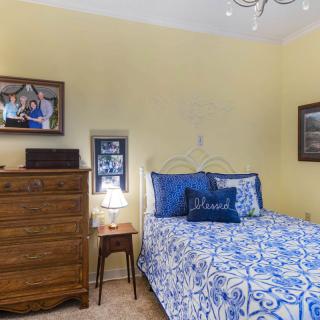
 The rooms do not come furnished, which makes respite care difficult.
- The rooms are a bit small.
- One staff member seemed somewhat new and not entirely familiar with all procedures yet.
Review
New Haven Assisted Living of San Angelo is best suited for families seeking a memory-care focused setting where dementia expertise, a very high caregiver-to-resident ratio, and a home-like, small-community vibe come together to deliver highly proactive, personalized care. The arrangement, with about 15 residents per house, creates an intimate environment in which staff can anticipate needs, respond quickly, and maintain a consistent routine that mirrors a familiar home life. For residents who benefit from steady daytime structures, caregiver accessibility, and hands-on assistance, this community delivers without faux polish or institutional distance. The emphasis on keeping residents close to their established routines, plus the ability to visit anytime, makes it an appealing option for families prioritizing continuity and reassurance over opulent amenities.
Who may want to consider alternatives? Families that value larger, more expansive facilities, or rooms that come fully furnished, may find the tradeoffs here significant. The unfurnished rooms can be a hurdle for respite stays or temporary placements, particularly when quick turnover or mobility needs require ready-to-use spaces. For those seeking more spacious layouts, more generalized assisted living without a concentrated memory-care focus, or communities that routinely provide furniture and decor options on arrival, other options, such as smaller, furnishings-inclusive operations or differently sized campuses, may align better with expectations. The memory-care emphasis at New Haven is a strong fit for dementia-specific needs, but it isn’t the only path for every family’s short- and long-term preferences.
The strongest positives are clear and meaningful. Staff engagement is the defining strength: caregivers are plenty and evidently attentive, with one family noting that staff anticipated every need before a move-in even occurred. The memory-care expertise shines in practice, with staff who understand dementia and can tailor routines to each resident’s pace and preferences. Families repeatedly mention the emphasis on a home routine, the ability to visit freely, and a welcoming atmosphere that extends to meals and social time. Meals are described as well-managed and engaging, with staff who help residents eat when needed and even provide musical accompaniment to create a comforting dining environment. Activities, daily exercises, puzzles, bingo, and social time, help residents stay engaged and connected to other residents and staff.
Yet, there are practical drawbacks that families must weigh. The most tangible constraint is room furnishings: for respite or short-term stays, rooms do not come furnished, requiring families to bring or arrange furniture, which can complicate logistics and space planning. The respite experience is further impacted by the smaller footprint of the community; rooms can feel compact, and arranging personal belongings to fit comfortably becomes a planning task rather than a simple move-in. Occasional observations of staff transitions, where newer employees may lack full familiarity with every protocol, underscore the importance of confirming current leadership and caregiver stability before committing to extended stays.
Taken together, the pros largely offset the cons for families who prioritize dementia-competent care, intimate daily life, and unwavering staff presence. The high caregiver ratio translates to more hands-on support and fewer gaps in supervision, while the home-like design reduces anxiety and helps residents stay connected to familiar routines. Flexible visitation, pet-friendly policies, and a strong emphasis on keeping residents in a comfortable, routine-based rhythm all contribute to a sense of security and continuity that is hard to match in larger, more impersonal campuses. For respite care, the dementia know-how and proactive planning can still deliver meaningful benefits, even if furniture logistics require extra attention.
To decide with confidence, prospective families should treat a visit as a diagnostic in addition to a tour. Ask about current caregiver-to-resident ratios by shift, confirm the specific memory-care training and ongoing education for staff, and verify who will lead care planning for your family member. Probe the room options: what furnishings are available on arrival, what options exist for customizing spaces, and how much advance planning is needed for a seamless move-in or respite period. Explore accessibility and comfort in common areas, the ease of staff response during a shift change, and the cadence of activities that align with the resident’s interests. If top-tier dementia care in a small, home-like setting, with open visitation and a warm dining atmosphere, is non-negotiable, New Haven stands out as a strong contender. If fully furnished rooms, larger private spaces, or a broader institutional footprint are essential, alternatives like other memory-care-oriented or furnishings-inclusive communities should be explored.
 16 resident community capacity
 Studio apartments
 Assisted Living
 Board and Care Home
 Memory Care
 Respite Care
 Skilled Nursing Facility
 Beautician on-site
 Cable or satellite TV
 Dining room
 Fully furnished
 Garden
 Housekeeping services
 Kitchenette
 Laundry
 Move-in coordination
 Outdoor space
 Small library
 Telephone
 San Angelo Regional Mathis (3 miles away)
 Transportation & parking
 24-hour supervision
 Activities of daily living assistance
 Assistance with bathing
 Assistance with dressing
 Assistance with transfers
 Diabetes diet
 Meal preparation and service
 Medication management
 Mental wellness program
 Special dietary restrictions
 Religious services
 English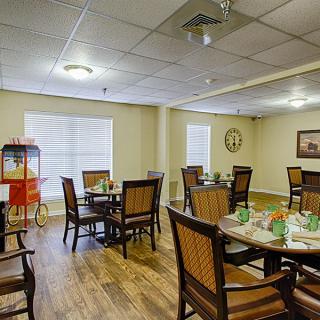



 Exploring the Contrasts Between Assisted Living and Skilled Nursing
 Vibrant Senior Living: A Comprehensive Guide for Active Older Adults
 Assisted Living and Memory Care: Understanding Their Core Differences