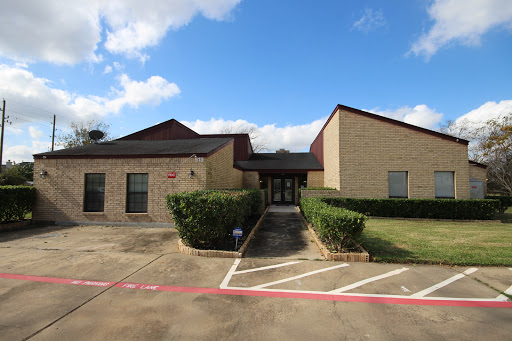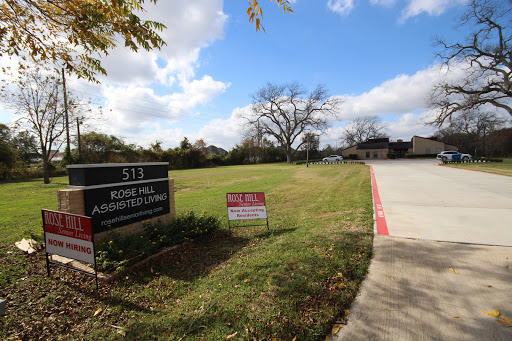



513 Fm 359 Road, Richmond, TX 77406
For more information about senior living options: (866) 208-4318
Rose Hill Assisted Living Costs & Pricing
Rose Hill Assisted Living offers competitive pricing for its services, providing a semi-private room at $2,950 per month, which is notably lower than the Fort Bend County average of $3,813 and the state average of $3,680. For residents seeking more privacy, the cost for a private room at Rose Hill stands at $3,450, again reflecting a cost advantage compared to Fort Bend County's average of $3,890 and Texas's average of $4,096. This pricing structure underscores Rose Hill's commitment to delivering quality care while being mindful of affordability within the local context.
| Floor plans | Rose Hill Assisted Living | Fort Bend County | Texas |
|---|---|---|---|
| Semi-Private | $2,950 | $3,813 | $3,680 |
| Private | $3,450 | $3,890 | $4,096 |
Assisted Living communities with a similar price nearby
-
from -$450 / mo
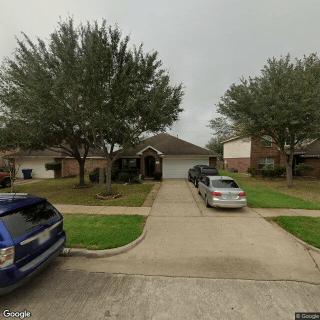
Shepherd Personal Care Home
$2,500 to $3,000 / month14.6 miles away -
from +$150 / mo

Ba Home Care
$3,100 / month11.6 miles away -
from -$150 / mo

Wenzy’s Place Boarding and Personal Care Home
$2,800 / month23.5 miles away -
from +$445 / mo

Atria Westchase
$3,395 to $6,995 / month13.0 miles away -
from -$100 / mo

The Gardens of Bellaire
$2,850 to $3,211 / month18.6 miles away
Overall Review of Rose Hill Assisted Living
Pros
 Staff are very attentive and caring, ensuring the loved one is lovingly cared for.
- Rose Hill takes a personal approach to care, and the resident is happy there.
- The caregivers are like family to the resident and their family.
- The facility is a treasure and a pleasure to be part of.
- The lovely Mrs Ida was a great addition, creating positive memories for staff and residents.
- The staff are compassionate and attentive, providing excellent care.
- The facility is very clean and well-maintained, with individualized care.
- The activities program is engaging, with music days, crafts, puzzles, and movie nights.
Cons
 One reviewer states Rose Hill promised one-on-one care with a nurse but did not deliver, allegedly harming the loved one’s health.
- A reviewer would never recommend the facility, claiming staff make promises yet do little to provide promised care and complain when asked.
- A reviewer alleges a staff member stole money from the resident’s phone, and the owner dismissed the incident, calling for investigation.
- A reviewer describes the facility as an atrocity and claims it does not take very good care of residents.
- A reviewer warns that the facility does not accept insurance, implying it does not follow Medicare protocol.
- A reviewer details that residents were left in dirty diapers for long periods, faced dehydration and weight loss, and were not adequately fed, suggesting abuse and neglect.
Review
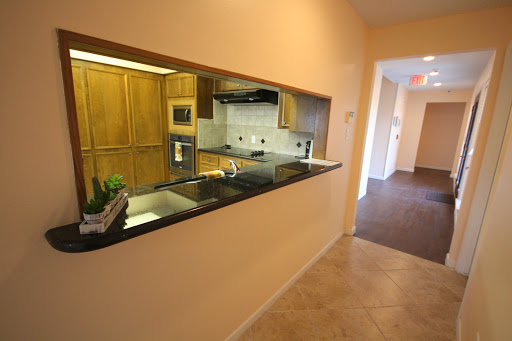
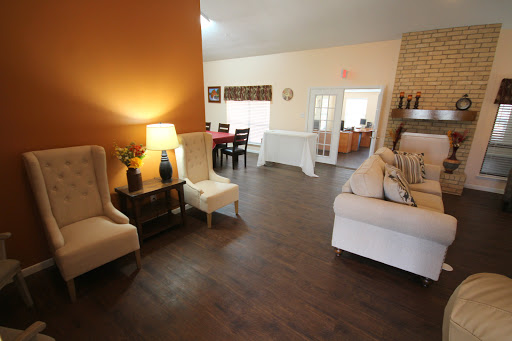
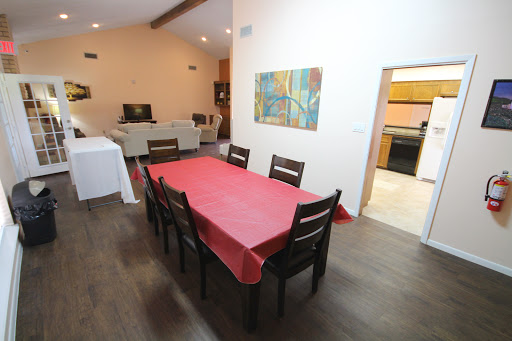
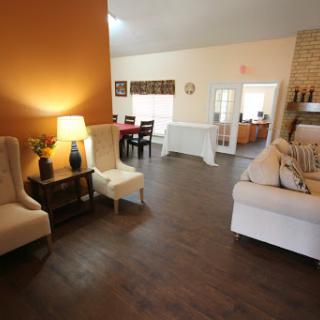
Rose Hill Assisted Living in Richmond, TX is best suited for families seeking a small, homelike setting where staff form close, everyday connections with residents. This community excels when the priority is highly attentive, personalized care delivered in an intimate footprint, typically eight residents rather than a crowded campus. The owner’s visible involvement reinforces a hands-on, relationship-driven culture, and staff members are repeatedly described as caring and supportive. For seniors who thrive on familiar routines, meaningful daily interactions, and accessible caretakers who know their history and preferences, Rose Hill offers a reassuring, sisterly feel rather than an impersonal, clinical environment.
That strong fit, however, comes with important considerations. Families should explicitly evaluate whether Rose Hill can meet expectations for medical oversight and insurance coverage. A number of reviews flag serious concerns about care quality and accountability, including allegations of neglect, medication issues, and even theft. While some pointedly dispute these claims or question their veracity, the sheer intensity of those anecdotes warrants caution. Prospective residents who rely on Medicare protocols, insurance-covered services, or require strict, formalized medical supervision may want to compare Rose Hill with larger, financially transparent facilities that operate under standard Medicare guidelines.
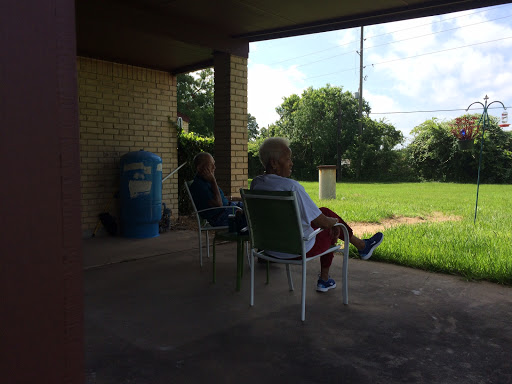
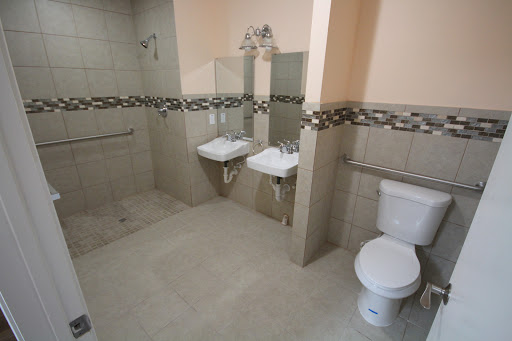
On the upside, the community consistently earns praise for compassionate staffing and personal attention. The positive experiences center on caregivers who treat residents like family, a clean, homey atmosphere, and a sense that the care team truly knows each resident’s needs and preferences. Residents benefit from regular activities, home-cooked meals, and opportunities for social engagement, elements that contribute to emotional well-being and a sense of belonging. The small size enables more hands-on time with each individual, which can translate into quicker recognition of changes in health or mood and a faster, more personalized response from caregivers.
Yet the most troubling threads in the feedback touch on reliability and safeguards. Critics recount episodes of abrupt disengagement, disputes over personal belongings, and inconsistent communication about care plans or transitions to hospice. One theme is the absence of an insurance pathway, which raises questions about adherence to Medicare protocols and the rigor of regulatory oversight. This contrast with the overwhelmingly positive the experiences creates a necessary tension: the same small, family-oriented environment that can deliver extraordinary warmth may also carry higher risk if oversight gaps exist or if staff turnover disrupts continuity of care.
In weighing the pros against the cons, Rose Hill’s strengths, its intimate setting, genuine caregiver warmth, and active owner involvement, tend to produce meaningful, day-to-day advantages for residents who respond to personal attention and a less formal routine. These advantages may offset the potential downsides for families prioritizing quality of life, companionship, and consistent staff interactions. However, the potential drawbacks are not trivial. Insurance eligibility, medical oversight, and safeguarding against neglect or miscommunication require careful due diligence. A prospective move should be anchored by direct conversations with staff about care plans, medication management, and how emergencies are handled, alongside a thorough review of state inspection records and any formal complaints.
Ultimately, this community serves a defined niche: a small, neighborly setting where residents are known by name, families feel welcome, and daily life emphasizes relationship-building, light therapy, and social activities. For families who can tolerate or navigate questions about financial policies and regulatory compliance, Rose Hill can feel like a tightly knit extension of home, a place where dignity, attentiveness, and personal connection are not merely promised but often delivered. For those needing guaranteed insurance-backed coverage, rigid adherence to Medicare procedures, or a facility with a formal medical footprint, alternatives that offer larger-scale nursing oversight and clearer, standardized protocols are prudent to compare. A decisive step is a layered site visit, request a tour at different times, speak with several current families, and review detailed care plans and staffing schedules before committing.
 12 resident community capacity
 Assisted Living
 Board and Care Home
 Activities on-site
 Cable or satellite TV
 Devotional services off-site
 Dining room
 Fully furnished
 Garden
 Housekeeping services
 Indoor common areas
 Move-in coordination
 Outdoor space
 Private
 Telephone
 Wi-Fi/high-speed internet available
 24-hour supervision
 Ambulatory care
 Assistance with bathing
 Assistance with dressing
 Assistance with transfers
 Diabetes diet
 Diabetic care
 High acuity care
 Meal preparation and service
 Medication management
 Special dietary restrictions
 Transportation arrangement (medical)
 Transportation to doctors appointments





 Understanding Medicaid Coverage for Assisted Living: A Comprehensive Guide
 How and When Medicaid May Cover Assisted Living Costs
 A Detailed Exploration of Assisted Living Medicaid Waivers Across the United States