
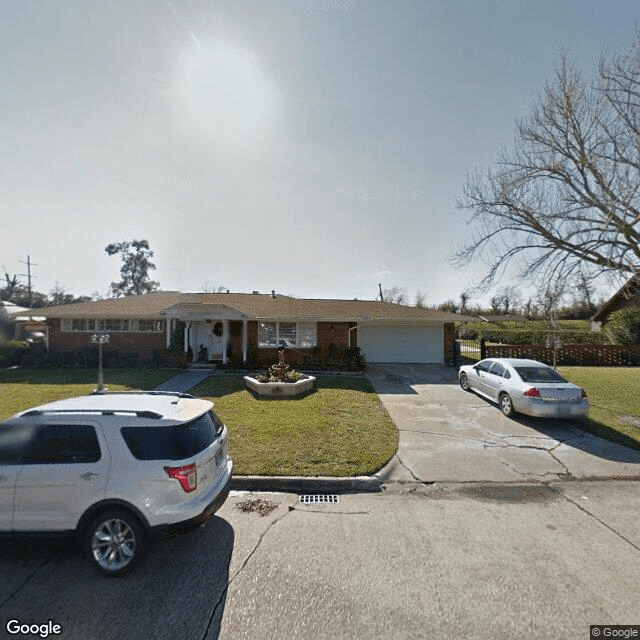
3449 Platt Ave, Port Arthur, TX 77640
To contact a resident: (409) 543-6585
For more information about senior living options: (866) 208-4318
Overall Review of Serenity Assisted Living
Pros
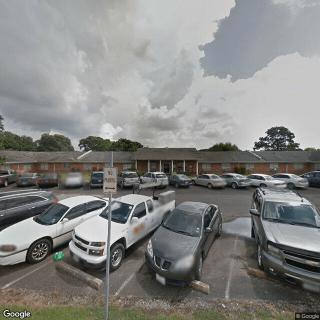
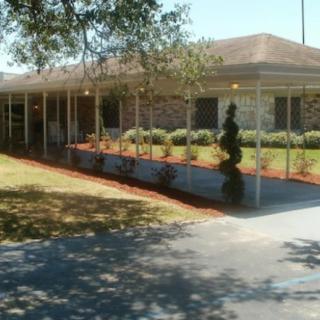
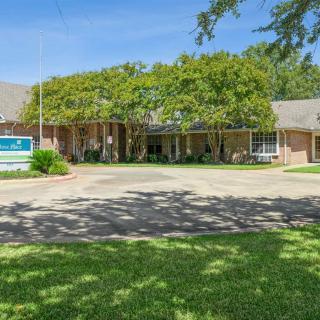
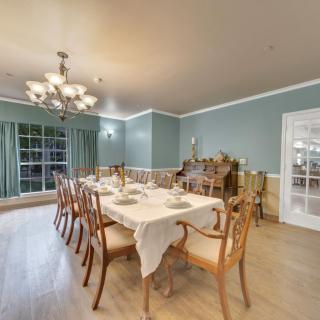
 The facility’s appearance was beautiful.
- It was very clean.
Cons
 The facility is dangerous for loved ones with impaired cognitive function because the owner/staff actively advocate for their own interests over the patient’s.
- The reviewer would not recommend Serenity Home Assisted Care Living to anybody.
- The care provided was very poor.
- The food served was very poor.
- The mother never received a home-cooked meal; foods were always boxed up.
- The facility appeared beautiful and clean, but the staff lacked knowledge and failed to communicate.
- The mother fell several times, but the staff never called the family and no one was informed.
- The lack of communication was horrible.
- Medications were not given as they should be.
- There was a lot of stealing going on.
- A lot of the mother’s belongings went missing during visits.
Review
Serenity Assisted Living in Port Arthur is best considered for families that can stay intensely involved in daily operations and advocate for timely, accurate care. For residents who require steady supervision, reliable medication administration, and proactive fall prevention, this community does not meet the mark. The available account suggests that cognitive impairment escalates risk here unless a family member can intervene promptly and persistently to correct course.
Alternatives should be strongly considered for families prioritizing safety, transparency, and dependable daily care. Seek facilities with clear, documented medication protocols, robust staffing and caregiver training, and open channels for family communication. Dementia- or memory-care capable programs, adequate staffing ratios, and verifiable incident reporting should be non-negotiables. If the ability to visit frequently and receive timely updates is essential, continue the search rather than settling for uncertain oversight.
On the surface, Serenity presents a clean, orderly environment with an appealing appearance. That aesthetic advantage does not compensate for deeper deficiencies in care quality and safety. The critical failings, poor communication with families, inconsistent or improper medication handling, and a pattern of safety concerns, far outweigh any cosmetic positives. When staff “don’t know about anything” and care lapses occur, the risk to residents becomes the deciding factor, not the polish of the lobby.
From a decision-making standpoint, concrete evidence of robust care processes matters most: licensed management on-site, formal dementia-care training for staff, thorough incident logs, and a kitchen program that delivers appropriate meals rather than boxed fare. Prospective residents should insist on seeing current care plans, daily schedules, and documented escalation of concerns to families. The medication area and storage procedures must be transparent, with routines for counting, reconciliation, and error reporting. Without these assurances, the apparent strengths of the facility are not enough to justify residence.
Risk assessment benefits from independent checks: state licensing records, recent survey results, and any history of complaints or enforcement actions. Prospective families should conduct unscripted tours at different times, observe staff responsiveness to calls and safety incidents, and confirm honest, consistent communication post-incident. Ask about staff-to-resident ratios, availability of a designated dementia-care coordinator, and the existence of a comprehensive fall-prevention program. If any of these elements are missing or vague, the probability of ongoing safety concerns rises markedly.
Bottom line: Serenity Assisted Living should be approached with caution and, for most residents, avoided as a primary choice when reliable medical oversight and transparent caregiving are non-negotiable. The clean, attractive setting may ease the initial impression, but it cannot eclipse documented care and safety deficiencies. Families should target alternatives that demonstrate verifiable clinical oversight, steady staffing, and clear, proactive communications. In Port Arthur, the prudent path is toward facilities with proven track records of keeping families informed and residents safe, especially for those with cognitive or medical needs requiring consistent monitoring.
 Assisted Living
 Activities on-site
 Cable or satellite TV
 Devotional services off-site
 Garden
 Guasts at mealtime
 Indoor common areas
 Laundry
 Resident parking
 Security gate
 Southeast Texas Regional (5 miles away)
 Ambulatory care
 Diabetic care
 Meals provided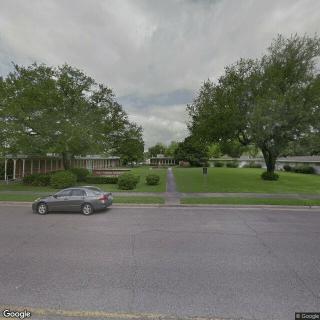

 Comprehensive Insights into Activities of Daily Living (ADLs) and Their Assessment
 Medicare Coverage for Assisted Living: An In-Depth Exploration
 Your Comprehensive Guide to Luxury Assisted Living: Elevated Facilities, Amenities, and Costs