

2631 Rose Lane, Grove, TX 77619
To contact a resident: (409) 728-4008
For more information about senior living options: (866) 208-4318
Forever Young Home II Costs & Pricing
Forever Young Home II offers competitive pricing for its residents, particularly when compared to the local market in Jefferson County and the broader state of Texas. For a semi-private room, residents can expect to pay $4,200 per month, which is notably lower than the county average of $4,412. In terms of private accommodations, Forever Young Home II's rate of $4,500 also presents a more economical option when juxtaposed with Jefferson County's average of $4,888. Both room types at Forever Young Home II are priced below the state's average for similar facilities; however, it's important to consider that while these costs are slightly higher than those seen across Texas - where private rooms average around $4,096 - Forever Young Home II provides a nurturing environment that may justify its rates. Overall, this facility positions itself as a well-priced alternative in the region while maintaining quality care for its residents.
| Floor plans | Forever Young Home II | Jefferson County | Texas |
|---|---|---|---|
| Semi-Private | $4,200 | $4,412 | $3,680 |
| Private | $4,500 | $4,888 | $4,096 |
Senior living communities with a similar price nearby
-
from -$796 / mo
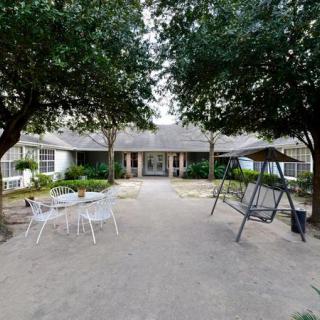
Lucas Place
$3,404 to $4,529 / month16.6 miles away -
About the same

Brookdale Dowlen Oaks
$4,100 to $5,805 / month18.3 miles away -
About the same

Oakridge Assisted Living
$4,300 / month17.6 miles away -
from -$700 / mo
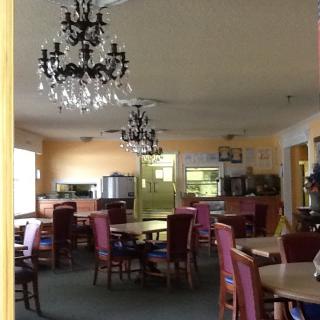
Serenity Assisted Living
$3,500 to $3,800 / month13.3 miles away -
About the same
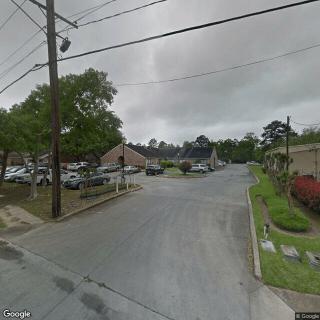
Clairmont Beaumont
$4,205 / month15.8 miles away
Overall Review of Forever Young Home II
Pros
 They are amazing.
- He loves all his new friends.
- Penny and all the caregivers are so good to him.
Cons
 They are so unprofessional.
Review
Forever Young Home II in Grove, TX is best suited for seniors who prize a small, home-like atmosphere where friendship and daily personal attention matter more than glossy programming or sprawling amenities. This community works well for residents who are moderately independent but crave real social connection, predictable daily routines, and caregivers who become familiar faces in a warm, intimate setting. Families seeking a intimate, neighborly vibe with welcoming, hands-on staff will find the atmosphere particularly reassuring, with a clear emphasis on companionship and everyday support over formality.
That said, certain circumstances warrant looking at alternatives before committing. For families needing highly structured professional protocols, advanced medical oversight, or consistently polished administration across multiple properties, a larger, more corporate option may feel more reliable. Residents with complex medical needs, intensive memory-care requirements, or the expectation of standardized reporting and rapid escalation procedures might be better served elsewhere. In short, this setting excels on warmth and accessibility, but may not meet every family’s expectations for formal governance and medical coordination.
The strongest positives center on caregiver warmth and social integration. One resident’s experience highlights strong, affectionate care and the ability to cultivate friendships within the house, with Penny and the caregiving team singled out as particularly caring. This personal touch translates into meaningful daily interactions, a sense of belonging, and reduced loneliness for residents who respond well to regular, attentive engagement. The small-house model appears to foster genuine relationships, making daily life feel predictable, comfortable, and emotionally sustaining.
The most conspicuous drawback is a charge of unprofessionalism raised by at least one reviewer. This warning flag points to potential gaps in management, scheduling reliability, or communication clarity that can undermine trust for families during onboarding and ongoing operations. While the majority rating is strong, the existence of an unprofessionalate concern should prompt rigorous due diligence: ask for a clear point of contact, tour the facility with focus on how shifts are covered, review billing practices, and request specifics about staff turnover, emergency procedures, and daily routines before deciding.
Those cons can be meaningfully outweighed by the community’s core strengths when approached with proactive expectations. If ongoing warmth, personal attention, and predictable social opportunities are the priority, Forever Young Home II delivers a level of daily reassurance hard to match in larger settings. Prospective residents should push for extended interactions with the caregiving team, a transparent schedule of activities, and a written understanding of communication channels and escalation paths. When families enter with clear questions and a plan for monitoring consistency, the risk associated with perceived professionalism gaps becomes manageable.
Verdict: Forever Young Home II presents a compelling option for seniors who value genuine companionship and a hand-on, homey environment in Grove. It excels where social life and intimate staff relationships take center stage, offering a vibrant mix of friendship and daily care that can significantly enhance quality of life. The flagged concern about professionalism is not inconsequential, but it is addressable with upfront conversations, defined accountability, and a commitment to steady routines. For families prioritizing warmth, personal attention, and a convivially intimate setting, this community offers substantial value. For those needing rigid processes, extensive medical oversight, or a highly polished corporate experience, exploring alternatives with stronger governance and scale may be the prudent course.
 Board and Care Home
 Private
 Southeast Texas Regional (6 miles away)




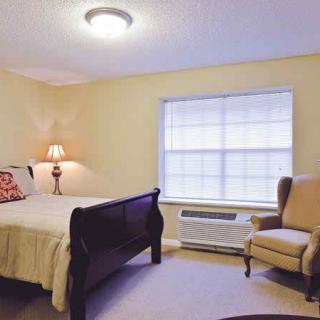


 Understanding Home Health Care: A Comprehensive Guide
 Home Health Care Demystified: A Comprehensive Guide for Families and Caregivers
 Seniors and Modern Transportation: Exploring Uber, Lyft, and Other Ride-Hailing Options