

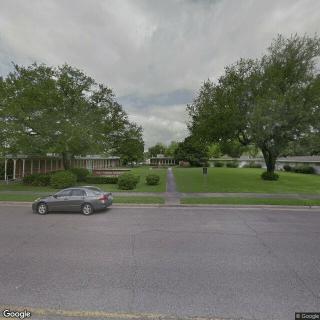
2630 Rose Lane, Grove, TX 77619
To contact a resident: (409) 728-4008
For more information about senior living options: (866) 208-4318
Forever Young Home I Costs & Pricing
Forever Young Home I offers competitive pricing for its residential care, with monthly costs that reflect both the quality of service and the surrounding market. For a semi-private room, residents pay $4,200, which is notably lower than the average rate of $4,412 in Jefferson County and contrasts even more with the state average of $3,680. When opting for a private room, the cost is set at $4,500 - again below county averages but slightly above Texas's overall rate of $4,096. This pricing strategy positions Forever Young Home I as an appealing choice for those seeking personalized care without exceeding local financial expectations.
| Floor plans | Forever Young Home I | Jefferson County | Texas |
|---|---|---|---|
| Semi-Private | $4,200 | $4,412 | $3,680 |
| Private | $4,500 | $4,888 | $4,096 |
Senior living communities with a similar price nearby
-
from -$796 / mo
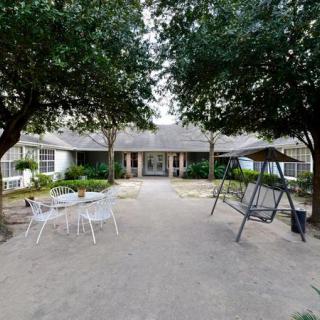
Lucas Place
$3,404 to $4,529 / month17.5 miles away -
About the same
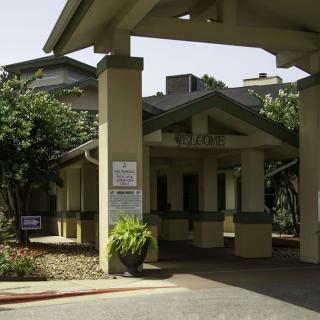
Brookdale Dowlen Oaks
$4,100 to $5,805 / month19.3 miles away -
About the same

Oakridge Assisted Living
$4,300 / month18.6 miles away -
from -$700 / mo

Serenity Assisted Living
$3,500 to $3,800 / month14.3 miles away -
About the same
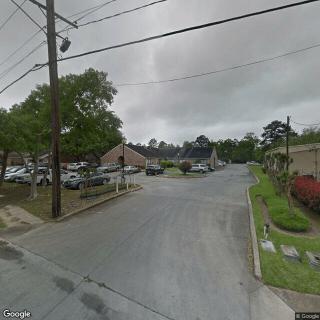
Clairmont Beaumont
$4,205 / month16.8 miles away
Overall Review of Forever Young Home I
Pros
 They are amazing.
- He loves all his new friends.
- Penny and all the caregivers are so good to him.
Cons
 So unprofessional.
Review
Forever Young Home I in Grove, TX is best suited for seniors who want a small, home-like setting where daily life centers on friendship and hands-on caregiving. It serves families seeking intimate, relationship-based support rather than a tightly regimented, clinical environment. Residents benefit from staff who know names, routines, and preferences, and from an atmosphere that encourages daily social interaction across a few neighboring houses. This community rewards those who prioritize meaningful companionship and predictable, affectionate attention over high-volume programming or hospital-like ambiance. It stands out for people who see daily life as a series of small, practical moments shaped by trusted caregivers.
However, potential residents should consider alternatives if administrative consistency and formal oversight matter. The strongest caution in the impressions available is a sense of unprofessionalism somewhere in operations. That concern could translate into scheduling gaps, communication lapses, or uneven follow-through on care plans. Families needing robust medical coordination, stringent safety protocols, or polished corporate processes may find larger facilities with standardized protocols a better fit. Forever Young Home I can still be competitive, but a careful look at management responsiveness and organizational routines is essential before committing.
On the positive side, the strongest pros are tangible and meaningful. Caregivers, highlighted by praise for Penny and the rest of the team, are described as attentive, compassionate, and consistently good to residents. The dad’s experience, loving his new friends and inhabiting a house where social life flourishes, speaks to a genuine sense of belonging and daily purpose. In a setting where frontline staff drive the resident experience, these relational strengths can compensate for operational fragility. When caregivers are present, engaged, and invested, daily routines flow more smoothly, mood improves, and families gain reassurance that their loved one is cherished.
Size and configuration matter as well. The multiple houses on campus foster intimate peer networks and easier, personalized supervision, which helps keep day-to-day care feeling intimate and controllable. The contrast between glowing caregiver feedback and a general impression of professionalism gaps suggests a split between frontline care and administrative execution. Families should probe carefully: is leadership accessible? Are care plans current and shared? Do scheduling and billing reflect clear, timely communication? For many, the warmth and social energy will be the deciding factors, but the reliability of operations will ultimately determine long-term peace of mind.
Practical due diligence is advised. Request a tour when the most active social programming is underway to observe genuine resident interaction. Meet the caregiving team, not only the administrator, and watch how they respond to residents’ questions. Ask to review a sample care plan, discuss daily schedules, activities, and transportation options, and verify licensing and safety records. Clarify what happens when a caregiver is absent and how substitutes are deployed. Understand how concerns are addressed and how quickly issues are escalated. Ask about pricing, what is included, and any potential extra costs. Above all, assess whether the environment feels like a trusted home tuned for genuine daily living, or a smaller operation with unresolved gaps.
Bottom line: Forever Young Home I is a compelling option for families prioritizing warmth, personal attention, and resident social life in a compact Grove community. It excels at creating a sense of home where a dedicated caregiver team, supported by standout staff such as Penny, can make daily life meaningful. If administrative consistency, proactive communication, and formal governance are non-negotiables, exploring alternatives with more structured oversight is prudent. For those who value human connection and a homey, neighborly atmosphere, Forever Young Home I delivers the kind of day-to-day life that can help seniors thrive with dignity.
 Board and Care Home
 Private
 Southeast Texas Regional (7 miles away)





 Understanding Hospice Care at Home: Comprehensive Services, Key Benefits, and Eligibility
 Understanding the Full Cost of 24/7 In-Home Care: A Detailed Overview
 Exploring the World of Home Health Nurses: Qualifications, Roles, and Hiring Tips